
A Nepali Sherpa guide, Dawa Sherpa from Okhaldhunga, Nepal, has gone missing on Mount Everest (8,848.86 m) after being left behind during a descent from the South Col during the final phase of the 2026 climbing season.
According to expedition-related updates and reporting, the incident took place on 28 May 2026 in the upper sections of the normal South Col route, near the Yellow Band, a steep and exposed zone located above Camp III.
The guide was assisting a Polish climber during descent from higher camps following a summit attempt. During the return, the climber reportedly developed severe frostbite symptoms and continued descending with other members of the expedition toward lower camps.
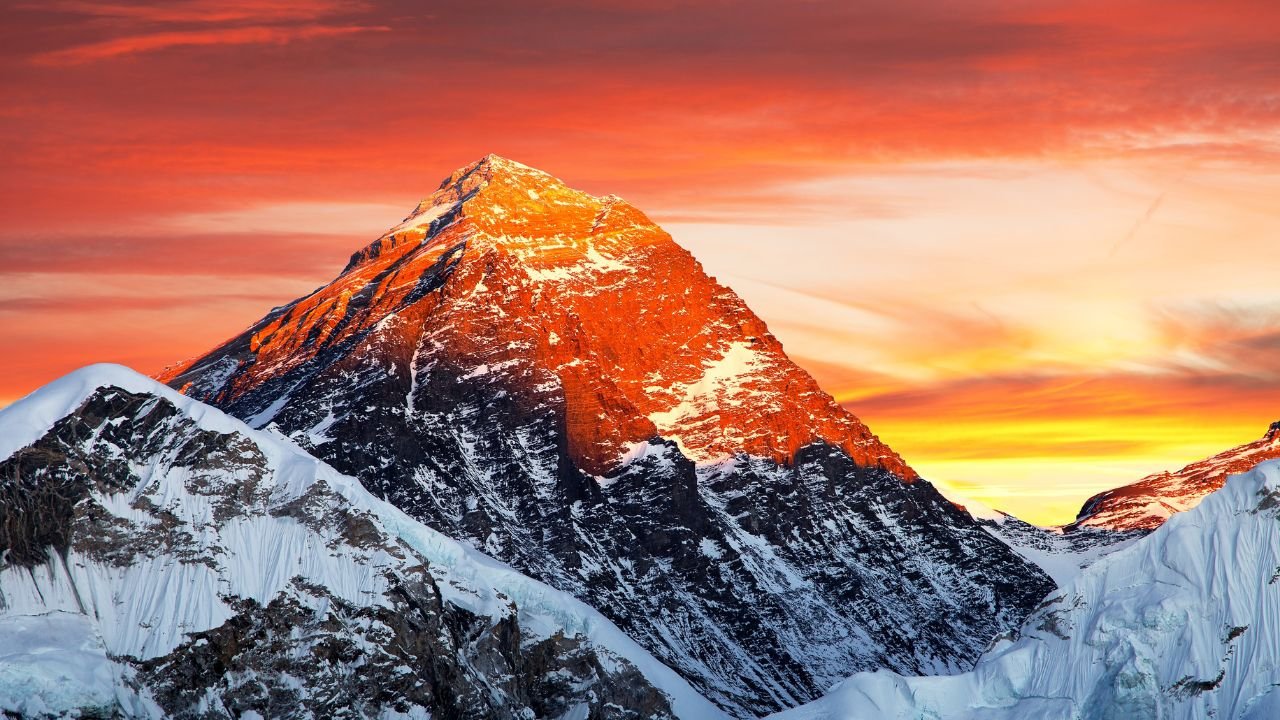
Sherpa Guide Dawa Sherpa Missing on Mount Everest
Dawa Sherpa, however, remained behind in the high-altitude section above Camp III and was last seen in that area. No confirmed communication or visual contact has been reported since.
No formal rescue before season closure
As the Everest climbing season came to an end, the Khumbu Icefall route was dismantled by Icefall Doctors, significantly reducing access to higher sections of the mountain. Once this seasonal closure begins, organized rescue operations in the upper Everest region become extremely limited due to instability, avalanche risk, and logistical barriers.
Reports indicate that no dedicated search and rescue operation was carried out before the route was closed, leaving the guide’s status unknown at extreme altitude.
Difficult conditions in the Yellow Band zone
The area where Dawa Sherpa was last seen is known for its technical difficulty and exposure. The Yellow Band and surrounding sections between Camp III and the South Col feature loose rock, mixed ice conditions, and thin air, making survival without movement or support extremely unlikely.
Even during active climbing periods, rescue operations in this zone are highly complex due to weather volatility, altitude effects, and terrain instability.
Broader concerns over Everest safety
The incident adds to ongoing discussions about the risks faced by Sherpa guides during late-season expeditions on Everest. Sherpas play a critical role in guiding and supporting climbers but often operate in the most dangerous sections of the route, including high-altitude descent corridors.
Previous reporting from expedition observers has highlighted concerns about rushed summit descents, late-season climbing pressure, and reduced safety margins during peak congestion periods.
As noted in recent coverage by Another Nepali Guide Goes Missing on Everest and Everest Sherpa Left Behind During Closing Rush, similar incidents in the final phase of the season often occur under extreme time pressure as teams attempt to descend before conditions deteriorate further.
Status remains unknown
At present, there is no confirmed information on the condition or location of Dawa Sherpa. With the seasonal closure of the route and the extreme altitude of the last known location, the possibility of a coordinated search operation remains uncertain.
The incident highlights both the unforgiving nature of high-altitude mountaineering on Everest and the ongoing risks faced by those who support expeditions in some of the world’s most extreme conditions.
