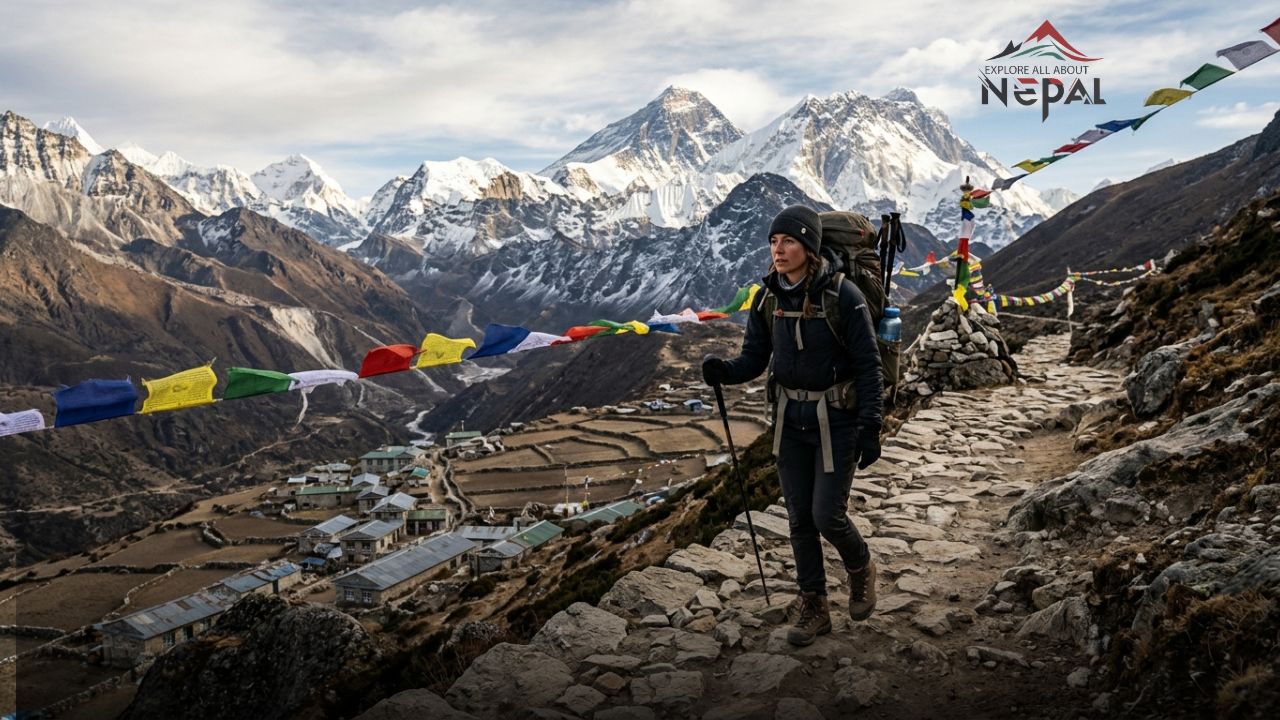
The short, honest answer: No trekking Everest Base Camp without a guide is not legally permitted in 2026. Since April 2023, Nepal’s government has required all foreign trekkers on established routes, including the Everest Base Camp trek, to be accompanied by a licensed Nepali guide. This rule is actively enforced at permit checkpoints throughout the Khumbu region, and attempting to trek EBC without a guide will result in being turned back at the first checkpoint.
If you’re planning an EBC trek and wondering whether you can do it independently, this guide gives you the complete picture what the rule actually covers, how it’s enforced on the EBC route specifically, what experienced solo trekkers think about it now, and what your realistic options are.
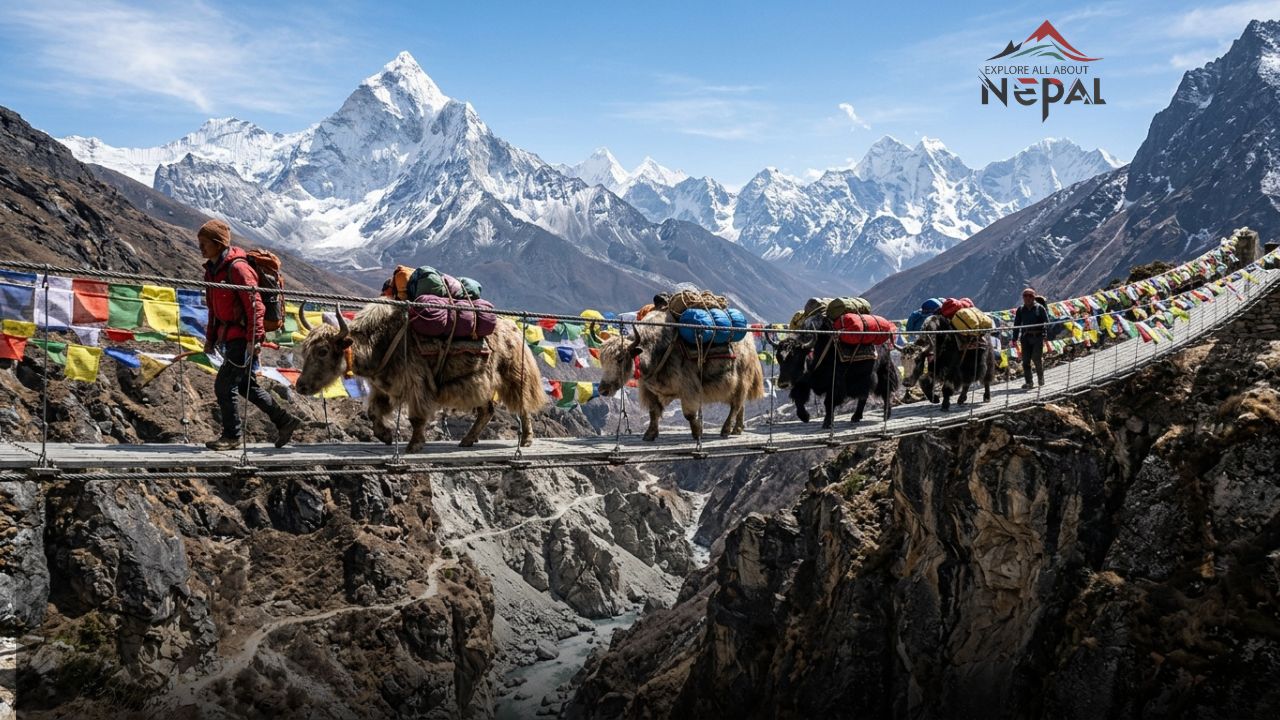
Everest Base Camp Without Guide
Quick Reference: EBC Guide Requirements 2026
| Question | Answer |
|---|---|
| Is a guide mandatory for EBC? | Yes — since April 2023 |
| Can I trek EBC without a guide? | No — not legally permitted |
| Is this enforced on the EBC route? | Yes — at multiple checkpoints |
| Does the rule apply to experienced trekkers? | Yes — no experience exceptions |
| Can I hire a guide independently? | Yes — directly or through agency |
| Does a porter replace a guide? | No — licensed guide specifically required |
| What happens if caught without a guide? | Turned back at checkpoint, potential fine |
Why You Can No Longer Trek Everest Base Camp Without a Guide
The mandatory guide rule introduced in April 2023 was one of the most significant changes to Nepal’s trekking landscape in decades. For over 50 years, independent trekkers had been free to walk to Everest Base Camp without any local accompaniment the tea house system, well-marked trails, and established permit checkpoints made self-guided EBC genuinely feasible for experienced hikers.
That changed for three interconnected reasons:
Safety incidents involving solo trekkers. A significant number of foreign trekkers went missing or required rescue in the Khumbu each year, with solo trekkers disproportionately represented in emergency incidents. Several high-profile cases of trekkers dying alone on the route from altitude sickness that a guide might have caught earlier, or from simple navigation errors in bad weather contributed to government pressure to mandate professional accompaniment.
Economic distribution. The EBC trek generates enormous tourism revenue, but pre-2023 independent trekking meant much of that revenue flowed to international booking platforms, Western trekking gear companies, and Kathmandu-based middlemen rather than to licensed local guides and their families. The mandatory guide rule directly redistributes income to trained local professionals.
Environmental monitoring. Guided trekking allows better enforcement of waste management, protected area rules, and trail behavior than fully independent trekking an increasingly important consideration in Sagarmatha National Park, which faces growing environmental pressure from its own popularity.
How the Rule Is Enforced on the EBC Route Specifically
The EBC route has more permit checkpoints than almost any other Nepal trekking corridor, which makes attempting Everest Base Camp without a guide particularly difficult in practice.
Key enforcement points:
Monjo (Sagarmatha National Park entry): Every trekker entering Sagarmatha National Park passes through Monjo’s checkpoint, where permits are checked and guide documentation verified. This is the first hard enforcement point getting past Monjo without a guide is essentially impossible on a busy trekking day.
Namche Bazaar: The Khumbu’s main commercial hub has a strong local authority presence and is the site of the Saturday market that draws hundreds of trekkers weekly. Guide registration is checked at multiple points around Namche.
Tengboche, Dingboche, Lobuche: Progressive checkpoints continue up the valley, each verifying permits and guide documentation. By the time a trekker reaches Lobuche (4,940m), they’ve passed through 4–6 separate checkpoints.
Tea house reporting: Tea house owners along the EBC route are aware of the mandatory guide requirement and some actively report unguided foreign trekkers to local checkpoint authorities.
The practical reality: Attempting to trek Everest Base Camp without a guide in 2026 means being turned back at Monjo at the latest before you’ve even reached Namche Bazaar. The Khumbu’s checkpoint system is simply too dense for an unguided foreign trekker to pass through undetected.
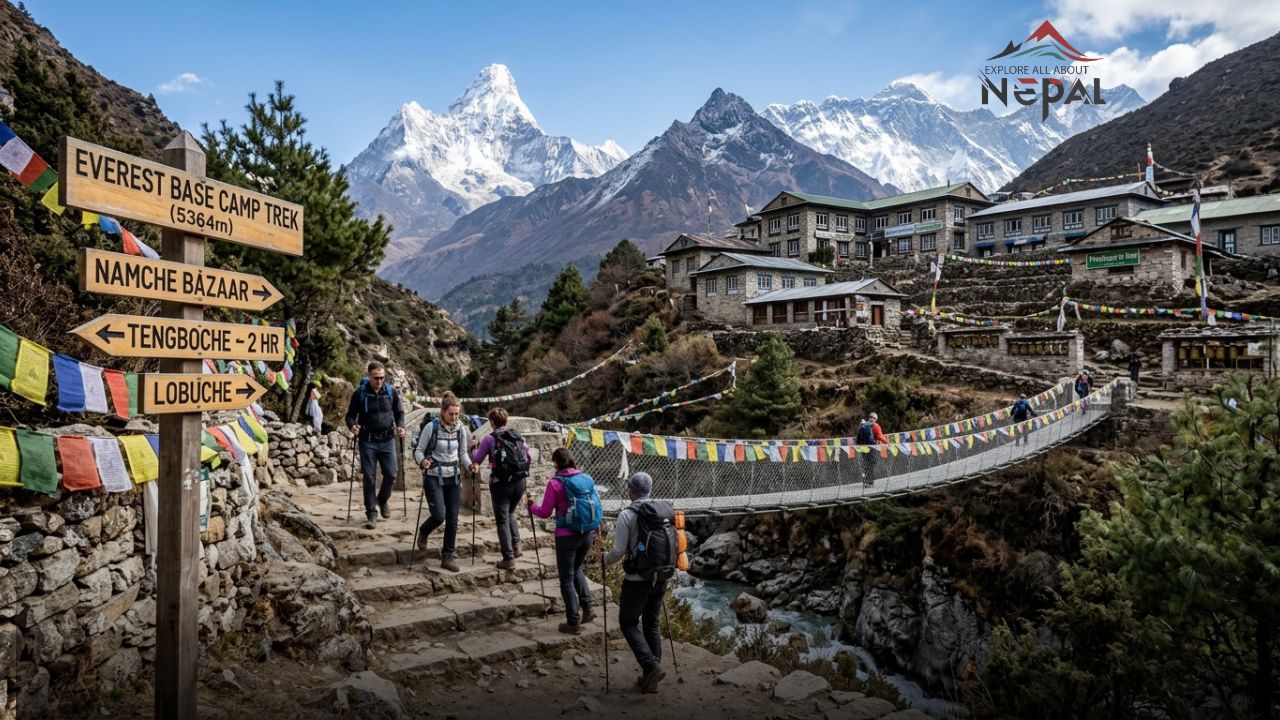
Everest Base Camp Without a Guides
What Experienced Trekkers Say About EBC Without a Guide
The mandatory guide rule was deeply unpopular when introduced among the independent trekking community people who had walked EBC multiple times without incident felt the regulation was unnecessary, paternalistic, and economically motivated.
The honest consensus a couple of years on is more nuanced:
What experienced trekkers miss: The freedom to walk at your own pace without coordinating with another person, the ability to change plans spontaneously, and the lower total cost of genuinely independent trekking. These are real losses that the rule doesn’t fully compensate for.
What experienced trekkers acknowledge: Most guides on the EBC route are genuinely knowledgeable, professional, and valuable beyond their regulatory function. Finding the right guide someone who matches your pace, communication style, and experience level transforms the mandatory requirement from a constraint into a genuine asset. Many repeat EBC trekkers, initially resistant to the guide requirement, report that trekking with a good guide produced a richer experience than their previous independent attempts.
The altitude safety argument: Several experienced trekkers who initially opposed the rule have acknowledged that the guide’s role in altitude monitoring specifically in encouraging proper acclimatization rather than the “push through” mentality that independent trekkers sometimes adopt has prevented serious incidents that might otherwise have occurred.
Can I Trek EBC Independently If I’m an Experienced Mountaineer?
No the mandatory guide rule applies universally to foreign trekkers, regardless of experience level, previous Nepal visits, or mountaineering credentials. There are no experience-based exemptions.
This surprises some experienced trekkers who’ve previously done EBC independently, or who have significant high-altitude experience elsewhere. The rule doesn’t distinguish between a first-time trekker and someone who’s summited 6,000m peaks all foreign trekkers on official routes require a licensed guide.
The only categories of travelers who may have different arrangements are those operating under specific government-issued professional permits filmmakers, researchers, journalists with press credentials and these are specialized cases arranged through formal government channels, not general exceptions available to individual trekkers.
Your Realistic Options for EBC in 2026
Accepting that trekking Everest Base Camp without a guide is not an option, here are the realistic ways to approach the trek while maximizing the independence and flexibility that drew you to independent trekking in the first place.
Option 1: Hire a Guide Directly in Kathmandu or Pokhara
Rather than booking through an agency, hiring a licensed freelance guide directly gives you more control over who you trek with, often at lower cost.
What this involves:
- Research licensed guides through recommendations in trekking forums, Facebook groups, or guesthouses
- Verify NMA or TAAN license number directly
- Meet or video-call the guide before committing this matters more than anything for a 14-day shared experience
- Arrange permits separately (easier than it sounds a half-day in Kathmandu)
- Negotiate daily rate directly ($25–$35/day is the standard range for experienced EBC guides)
The advantage over agency booking: More independence in day-to-day decisions, more of the money going directly to your guide, and a more personal arrangement that experienced trekkers generally prefer.
Option 2: Book Through a Small, Reputable Agency
A quality Kathmandu agency that matches you carefully with a compatible guide gives you backup support that direct hire doesn’t, without the impersonal feel of a large group tour.
What to look for:
- Agencies that ask about your experience level and preferences before assigning a guide
- Small group maximum (4–6 trekkers) if cost-sharing with others
- Guide assignment flexibility the ability to request a specific guide or reject an assignment that doesn’t feel right
Option 3: Semi-Independent Arrangement
Some experienced trekkers negotiate arrangements where the guide is present for regulatory compliance and safety monitoring but operates at significant distance for stretches where full independence is preferred walking ahead or behind rather than side by side, meeting at tea houses, and focusing guide interaction on the sections where it adds most value (altitude decisions, route variations, emergency preparedness).
This isn’t a formal arrangement type but rather a negotiated working style that experienced guides and independent-minded trekkers develop naturally. The guide is present and accessible satisfying both the legal requirement and the safety rationale without being a constant companion on every step.
What Trekking EBC Without a Guide Would Have Looked Like
For context what independent EBC trekking involved before 2023, and why the route was considered genuinely manageable without a guide:
The EBC trail between Lukla and base camp is one of the most clearly marked, heavily trafficked trekking routes in Asia. The tea house system means food and accommodation every few hours at every elevation, eliminating survival camping requirements. The route follows a single main valley with minimal navigation ambiguity on clear days. TIMS card and park permit checkpoints provided a documentation trail for trekker safety.
What made it manageable for experienced trekkers is also what makes it genuinely manageable for first-timers with good preparation — which is part of why the mandatory guide rule feels disproportionate to experienced independent hikers who used the route safely for years.
This context matters because it helps calibrate expectations: your guide on EBC is unlikely to be adding primary navigation value most of the time. The value they add is on altitude judgment, local knowledge of conditions, cultural and linguistic bridging, and emergency coordination things that matter most when something goes wrong, not during the routine walking days.
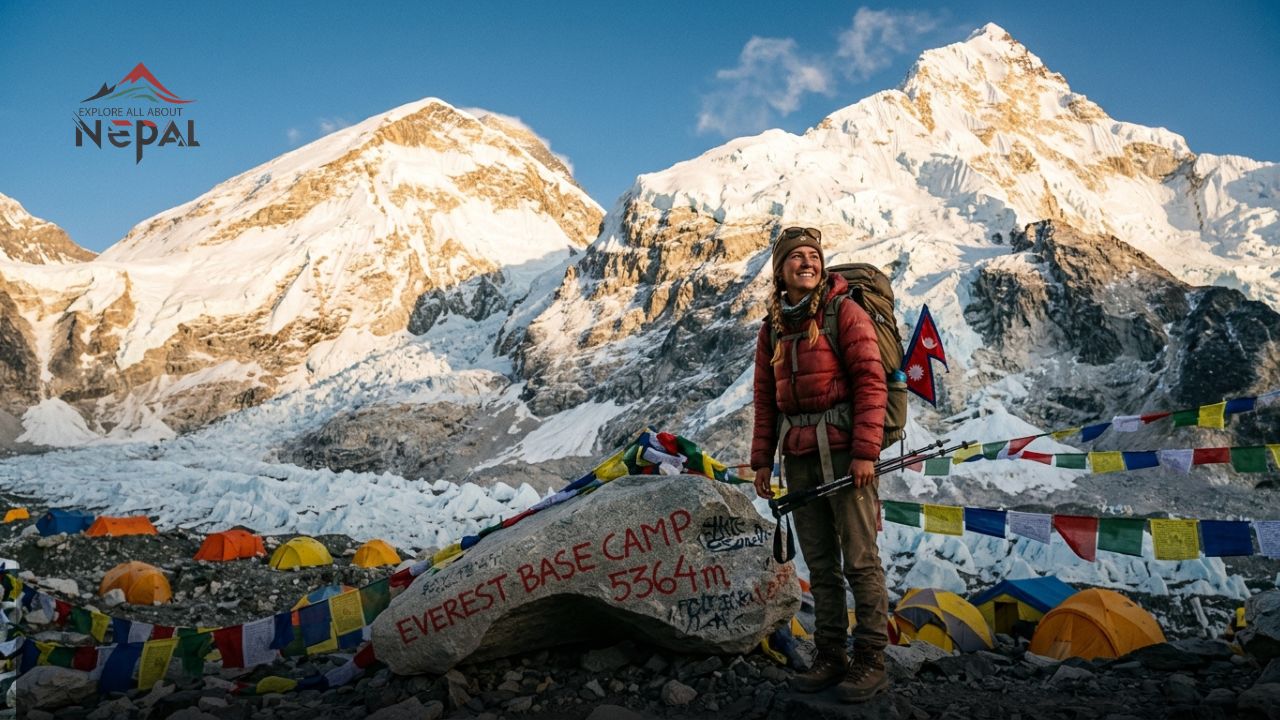
Everest Base Camp Without Guides
How Much Does an EBC Guide Cost?
Since hiring a guide is unavoidable, understanding the cost clearly is the practical next step.
Direct hire: $25–$40/day for guide fees, plus $18–$33/day for their accommodation and meals, plus tip ($150–$200 for a 14-day trek). Total guide cost for a 14-day EBC trek: approximately $700–$1,050.
Agency package: $1,800–$3,000 for a full guided EBC package including guide, permits, accommodation, and meals.
See our complete guide to how much it costs to hire a guide in Nepal for a full breakdown of all guide-related expenses.
Frequently Asked Questions
Can you do Everest Base Camp without a guide in 2026?
No. Since April 2023, trekking Everest Base Camp without a licensed guide is not legally permitted for foreign trekkers. The rule is enforced at multiple permit checkpoints throughout the Khumbu, beginning at Monjo’s Sagarmatha National Park entry point.
Was EBC ever possible without a guide?
Yes for over 50 years before April 2023, foreign trekkers could walk to Everest Base Camp independently without mandatory guide accompaniment. The 2023 regulation ended this, making Nepal one of several Himalayan countries requiring professional guide accompaniment on major trekking routes.
What happens if I try to trek EBC without a guide?
You will be turned back at the Monjo checkpoint (Sagarmatha National Park entry) at the latest before reaching Namche Bazaar. Attempting Everest Base Camp without a guide in 2026 means the trek effectively ends before it begins in any meaningful sense.
Can I hire a guide just for the checkpoints and trek independently in between?
The mandatory rule requires genuine guide accompaniment throughout the trek, not just at checkpoints. Attempting to satisfy the rule technically while trekking independently between checkpoints would violate both the letter and spirit of the regulation and puts the guide’s license at risk.
Does having previous EBC experience exempt me from the guide requirement?
No the mandatory guide rule applies to all foreign trekkers regardless of experience level, previous Nepal visits, or mountaineering credentials. There are no experience-based exemptions.
Is a porter enough to satisfy the guide requirement on EBC?
No. The regulation specifically requires a licensed guide not simply any local companion or porter. Porters do not satisfy the mandatory guide requirement at EBC checkpoints.
How do I find a good independent guide for EBC rather than booking through an agency?
Research through trekking forums (TripAdvisor Nepal forum, Reddit’s r/Nepal and r/EverestBaseCamp), Facebook groups (EBC Trekkers, Nepal Trekking), and recommendations from Kathmandu guesthouses in Thamel. Verify NMA or TAAN license numbers directly and meet or video-call before committing.
Can I trek EBC as part of a small group to reduce guide costs?
Yes sharing a guide between 2–4 trekkers significantly reduces per-person guide costs while maintaining the legal requirement. Small group arrangements through agencies or organized through trekking forums are common and genuinely reduce the financial impact of the mandatory rule.
