The Langtang Valley trek is Nepal’s most underrated major trekking route a 7–12 day journey through the Langtang National Park that delivers genuine high-altitude Himalayan scenery, rich Tamang cultural immersion, and proximity to Kathmandu that no other comparable route can match. While most first-timers default to Annapurna Base Camp or Everest Base Camp, experienced Nepal travelers frequently cite Langtang as their favorite trek in the country precisely because it offers so much with so little logistical complexity.
This guide covers everything you need to plan the Langtang Valley trek itinerary, permits, cost, difficulty, best time, and what makes this route genuinely special.
Quick Reference: Langtang Valley Trek at a Glance
| Detail | Info |
|---|---|
| Maximum elevation | 4,984m (Tsergo Ri optional summit) / 3,870m (Kyanjin Gompa) |
| Trek duration | 7–12 days |
| Total distance | ~65 km round trip (standard route) |
| Difficulty | Moderate |
| Best months | March–May, October–November |
| Required permits | Langtang National Park + TIMS card |
| Guide required | Yes mandatory since 2023 |
| Starting point | Syabrubesi (drive from Kathmandu) |
| Accommodation | Tea houses throughout |
| Distance from Kathmandu | 117 km (~7–8 hours by road) |
Why Langtang Is Nepal’s Most Underrated Trek
Three things make Langtang genuinely distinct from the more famous routes:
No domestic flight required. Getting to the Langtang trailhead at Syabrubesi is a 7–8 hour road journey from Kathmandu long, but straightforward and cheap. Compare this to EBC’s Lukla flight ($350–$450, frequently weather-delayed) or ABC’s Pokhara connection. Langtang is the only major Nepal trek where you drive directly from the capital to the trailhead without an additional flight.
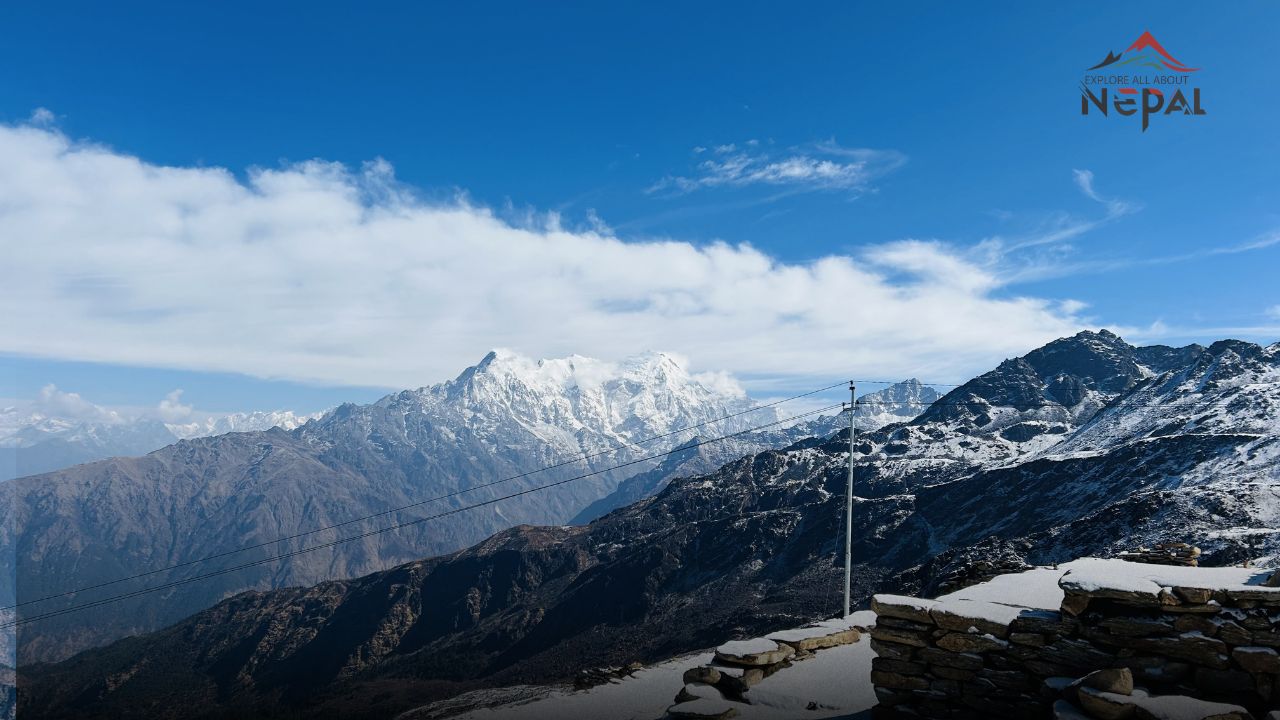
Langtang Valley Trek
Genuine Tamang cultural depth. The Langtang Valley is predominantly inhabited by Tamang communities a Tibetan-origin Buddhist people with distinct architecture, language, and traditions that differ meaningfully from the Sherpa culture of the Khumbu or the Gurung villages of the Annapurna region. The valley’s rebuilt villages carry a poignant layer of history from the 2015 earthquake, which destroyed much of Langtang village specifically, and the community’s resilience in rebuilding is a significant part of the modern trek experience.
The 2015 earthquake context. Langtang village was almost entirely destroyed by an avalanche triggered by the 2015 earthquake over 200 people lost their lives, including many trekkers. The rebuilt village and the memorials along the valley tell this story directly, and trekking through Langtang now carries a dimension of historical and human weight that most other Nepal routes don’t have.
Is the Langtang Valley Trek Right for You?
Difficulty: Moderate
Comparable to the Annapurna Base Camp trek in overall physical demand no technical sections, established tea house trail, and daily walking distances of 4–7 hours. The standard route tops out at Kyanjin Gompa (3,870m), with an optional half-day ascent to Tsergo Ri (4,984m) for those wanting a higher-altitude challenge and panoramic views.
Who this trek suits:
- First-time Himalayan trekkers wanting a shorter, less expensive route than EBC
- Trekkers with limited time 7 days is genuinely enough for a rewarding Langtang experience
- Anyone based in Kathmandu wanting to maximize trekking time without flying domestically
- Return Nepal visitors who’ve done ABC or EBC and want a different cultural and scenic experience
- Trekkers specifically interested in Tibetan-influenced Tamang culture
Who should consider alternatives:
- Trekkers specifically seeking extreme altitude Langtang tops out lower than ABC or EBC
- Anyone wanting the Himalayan “greatest hits” route for a first Nepal trip ABC or EBC still deliver more iconic scenery for first-timers
Permits Required for the Langtang Valley Trek (2026)
Two permits are required simpler than EBC’s three-permit system:
1. Langtang National Park Entry Permit
- Cost: NPR 3,000 (~$22) per person
- Required for entry to the national park area
2. TIMS Card (Trekkers’ Information Management System)
- Cost: NPR 2,000 (~$15) through agency, or NPR 2,000 independently
- Standard trekking documentation
Total permit cost: approximately $37 per person
Both permits are obtainable in Kathmandu (Nepal Tourism Board office, Pradarshani Marg) or at the national park entry checkpoint at Dhunche. Most trekking agencies handle both as part of their package.
Permit fees are subject to change verify current rates before departure.
Best Time for the Langtang Valley Trek
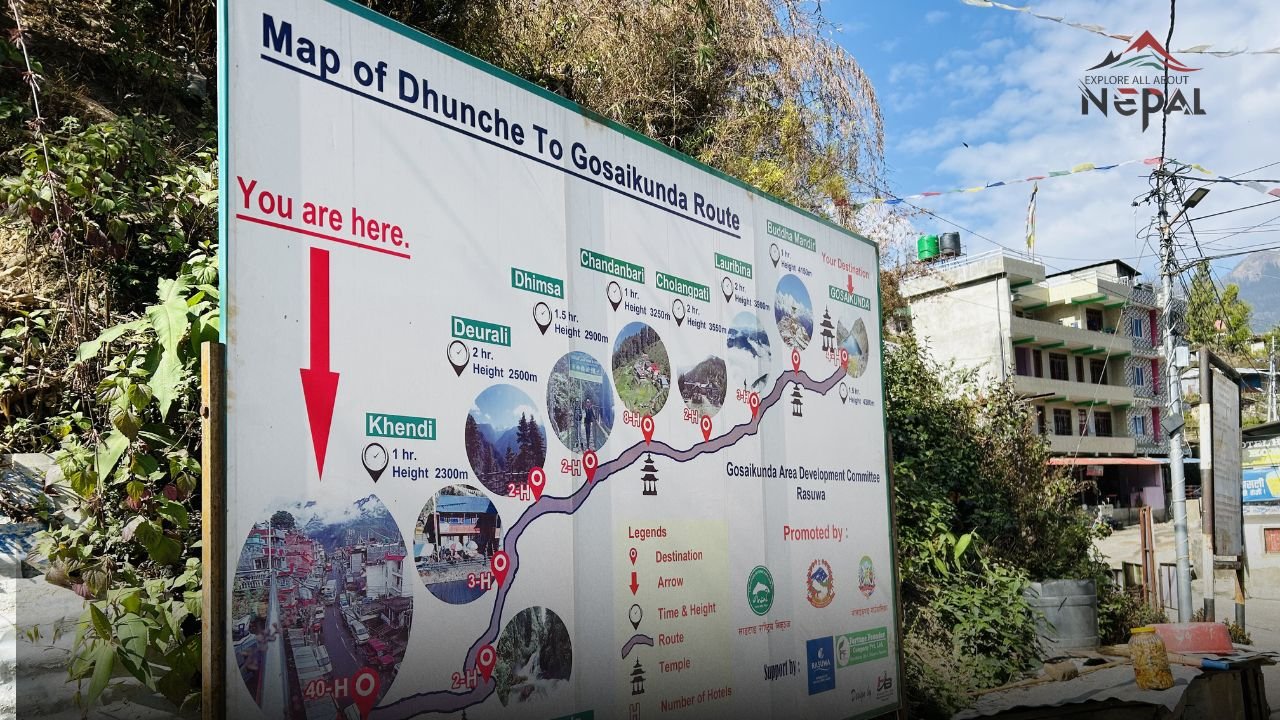
Langtang Valley Trail
Autumn: October–November (Recommended)
The classic trekking window. Post-monsoon clarity delivers outstanding mountain views Langtang Lirung (7,234m) and the surrounding peaks visible sharply against blue sky throughout the valley. October is busy but far less crowded than the ABC or EBC routes at the same time. November offers excellent conditions with even fewer trekkers, at the cost of colder temperatures particularly at Kyanjin Gompa.
Spring: March–May (Recommended)
Spring brings rhododendron forests in full bloom on the lower trail sections between Syabrubesi and Ghora Tabela a genuinely spectacular display in late March and April. Pre-monsoon haze builds by May but morning clarity remains good. A strong second choice, particularly for trekkers prioritizing lower-route scenery.
Monsoon: June–August (Avoid)
Heavy rainfall, significant landslide risk on the approach road and lower trail sections, and poor mountain visibility. The 2015 earthquake made some sections of the approach more landslide-prone than they were historically. Not recommended.
Winter: December–February (Possible With Preparation)
Kyanjin Gompa in winter is cold but dramatically clear some of the best mountain views of the year. The approach road to Syabrubesi can be snow-affected in December–January. Doable for prepared trekkers but not recommended without cold-weather gear rated to -15°C and current road condition information.
Langtang Valley Trek Itinerary (9 Days)
This reflects the most commonly recommended itinerary long enough for proper acclimatization and time at Kyanjin Gompa, short enough to be genuinely achievable in under two weeks from Kathmandu.
Day 1: Drive Kathmandu to Syabrubesi (1,550m)
The journey takes 7–8 hours via Trishuli Bazaar and Dhunche long but scenic, particularly the final section as the road winds through the Langtang National Park buffer zone. The road quality has improved significantly since 2015 but remains rough in sections. Arrive in Syabrubesi for the night.
Day 2: Syabrubesi to Lama Hotel (2,380m)
Trek begins alongside the Langtang Khola river, climbing gradually through dense subtropical and temperate forest. Lama Hotel is a small tea house settlement named for its original owner rather than any actual hotel basic but adequate facilities.
- Walking time: 5–6 hours
- Elevation gain: ~830m
Day 3: Lama Hotel to Langtang Village (3,430m)
A significant elevation gain day as the valley opens up and the forest gives way to alpine meadows. Langtang Village is the rebuilt settlement that replaced the one destroyed in 2015 the memorials and the rebuilt chortens tell the earthquake story directly. First views of Langtang Lirung appear here.
- Walking time: 5–6 hours
- Elevation gain: ~1,050m
Day 4: Langtang Village to Kyanjin Gompa (3,870m)
A shorter day, giving time to properly arrive at Kyanjin Gompa the valley’s highest permanent settlement and the trek’s main destination. The gompa itself is a 400-year-old monastery; the surrounding yak pastures, cheese factory (producing genuine yak cheese sold throughout Nepal), and 360-degree mountain panorama make this one of the most distinctive high camps in Nepal trekking.
- Walking time: 3–4 hours
- Elevation gain: ~440m
Day 5: Kyanjin Gompa Acclimatization and Exploration
A rest and acclimatization day structured around the options available from Kyanjin:
Option A (recommended): Tsergo Ri ascent (4,984m) A steep 3–4 hour climb above the gompa to one of the best panoramic viewpoints in the Langtang region, with views of Langtang Lirung, Dorje Lakpa, and on clear days the distant white of Ganesh Himal. The highest point most Langtang trekkers reach and genuinely worth the effort.
Option B: Kyanjin Ri (4,773m) A slightly shorter alternative viewpoint ascent above the gompa, offering similar panoramic views with less elevation gain.
Option C: Explore the valley floor The glacier viewpoint walk above Kyanjin and the cheese factory visit make a rewarding lower-key acclimatization day for those not wanting the full Tsergo Ri ascent.
Day 6: Kyanjin Gompa to Lama Hotel (2,380m)
Begin the descent significantly faster than the ascent, covering in one long day what took two days upward. The valley views on the descent are completely different in character from the ascent approach, particularly the perspective on Langtang Lirung.
- Walking time: 6–7 hours
Day 7: Lama Hotel to Syabrubesi (1,550m)
Final trekking day, descending back through the forest to the trailhead.
- Walking time: 4–5 hours
Day 8: Drive Syabrubesi to Kathmandu
The return drive typically takes 7–8 hours plan to arrive in Kathmandu by early evening.
Day 9: Kathmandu Recovery/Buffer
Built-in buffer for road delays or an additional Kathmandu sightseeing day before departure.
For trekkers with more time, the itinerary can be extended by adding side trips to Gosaikunda (a sacred high-altitude lake cluster at 4,380m, accessible via a ridge route from the Langtang Valley with a permit), Kyanjin Gompa additional nights, or a loop route back via Gosainkunda connecting to the Helambu circuit.
Full Cost Breakdown: Langtang Valley Trek (2026)
Budget Independent Trek (with mandatory guide)
| Expense | Cost (USD) |
|---|---|
| Langtang National Park permit | ~$22 |
| TIMS card | ~$15 |
| Licensed guide (9 days × $28/day) | ~$252 |
| Guide accommodation + meals | ~$120 |
| Tea house accommodation ($8–$15/night) | ~$90 |
| Tea house meals ($12–$20/day) | ~$130 |
| Kathmandu–Syabrubesi transport (round trip) | ~$20–$30 |
| Misc (tips, snacks, water purification) | ~$60 |
| Total | ~$710–$720 |
Full Guided Package (Agency Booked)
| Package Type | Cost (USD) |
|---|---|
| Budget group package | $500–$700 |
| Standard private package (guide + porter) | $800–$1,200 |
| Premium package | $1,200–$1,800 |
Why Langtang is notably cheaper than ABC or EBC: No domestic flight required (saving $350–$450), shorter overall duration, and lower daily costs in the Langtang Valley tea houses compared to the Khumbu’s higher-priced infrastructure. For budget-conscious Western trekkers, Langtang represents the best value high-altitude Nepal trekking available.
What to Pack for the Langtang Valley Trek
Broadly similar to ABC packing needs, with a few Langtang-specific notes:
Clothing
- Full layering system temperature range from subtropical forest near Syabrubesi to -5°C overnight at Kyanjin Gompa
- Down jacket essential for Kyanjin Gompa evenings and Tsergo Ri ascent
- Waterproof shell the approach valley can receive afternoon rain even in dry season
Footwear and Gear
- Waterproof trekking boots (broken in before departure)
- Trekking poles particularly useful for the steep Tsergo Ri ascent and descent
- Sleeping bag rated to -10°C minimum Kyanjin Gompa tea house blankets are thin
Health and Safety
- Diamox (consult your doctor) relevant above 3,500m
- Personal first aid kit
- Water purification the Langtang Khola water sources are natural and untreated
Travel Insurance
Emergency helicopter evacuation coverage is essential rescue from Kyanjin Gompa typically costs $2,500–$4,000 to Kathmandu. See our Nepal trekking travel insurance guide for policies covering the Langtang region.
Langtang vs Annapurna Base Camp: Which Should You Choose?
| Factor | Langtang | ABC |
|---|---|---|
| From Kathmandu | 7–8 hour drive, no flight | Requires flight/bus to Pokhara |
| Duration | 7–9 days | 10–12 days |
| Max altitude | 3,870m (4,984m optional) | 4,130m |
| Cost | $700–$1,200 | $1,000–$1,800 |
| Crowds | Low–Moderate | Moderate–High |
| Cultural character | Tamang/Tibetan Buddhist | Gurung/Magar |
| Scenery | Dramatic valley, glacier, Langtang Lirung | Rhododendron forest, Annapurna amphitheater |
| Best for | Kathmandu-based trekkers, budget, shorter trips | First Himalayan trek, classic scenery |
Choose Langtang if: You’re based in Kathmandu, have 7–9 days, want to save money on flights, or specifically want Tamang cultural immersion and a less-crowded route.
Choose ABC if: You want the classic, most varied Himalayan scenery, have more time, or are already traveling to Pokhara for other reasons.
Frequently Asked Questions
How difficult is the Langtang Valley trek?
Moderate comparable to the Annapurna Base Camp trek in overall physical demand. No technical sections required, established tea house trail throughout, and daily walking of 4–7 hours. The optional Tsergo Ri ascent (4,984m) adds a more challenging half-day for those wanting higher altitude.
How many days does the Langtang Valley trek take?
The standard itinerary runs 7–9 trekking days plus 2 days of road travel from and back to Kathmandu. A minimum of 7 trekking days is recommended for proper acclimatization rushed 5-day itineraries exist but are not advised.
Do I need a guide for the Langtang Valley trek?
Yes since April 2023, a licensed Nepali guide is mandatory on all major Nepal trekking routes including Langtang. Book through a registered trekking agency.
What permits do I need for the Langtang trek?
Two permits: Langtang National Park entry (~$22) and a TIMS card (~$15). Total approximately $37 per person, usually arranged by your trekking agency.
How much does the Langtang Valley trek cost?
Budget trekkers with a mandatory guide can complete the trek for approximately $700–$720 total. Full guided packages from agencies run $500–$1,200 depending on group size and package tier.
What is the best time for the Langtang Valley trek?
October–November for clearest mountain views and best overall conditions. March–April for rhododendron forests and spring scenery. Avoid June–August monsoon.
Is Langtang Valley trek better than Everest Base Camp?
Better is subjective Langtang is shorter, cheaper, closer to Kathmandu, and significantly less crowded than EBC. EBC offers more iconic scenery and the specific Khumbu/Sherpa cultural experience. For budget-conscious trekkers or those with limited time, Langtang often delivers a more rewarding per-day experience than EBC’s longer, more expensive commitment.
Was Langtang affected by the 2015 earthquake?
Yes significantly Langtang village was almost entirely destroyed by an earthquake-triggered avalanche, with over 200 fatalities. The village has been rebuilt and the trek fully reopened, but the memorials and rebuilt community carry visible traces of this history. Many trekkers find this adds meaningful human depth to the route rather than detracting from it.
