
Of all the high passes in Nepal, few demand as much as Amphu Lapcha. This isn’t a walk-up pass you cross with good boots and strong lungs it’s a glaciated, technical crossing that requires fixed ropes, crampons, and a licensed mountaineering guide. For experienced trekkers and climbers looking for one of the most serious, rewarding routes in the Everest region, Amphu Lapcha is about as demanding as it gets.
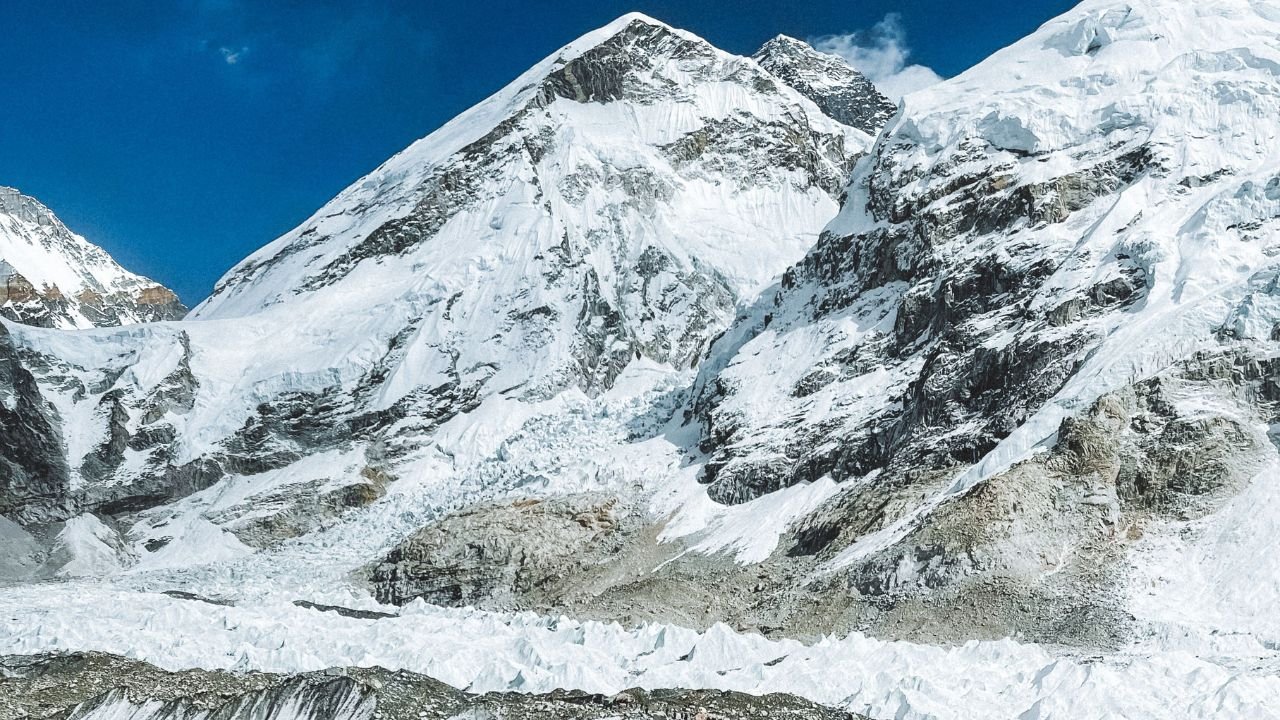
Amphu Lapcha Pass: Photo by Marina Zvada
What Is Amphu Lapcha Pass
Amphu Lapcha Pass sits at 5,845 meters (19,177 feet) in Nepal’s Solukhumbu district, connecting the remote Hinku (Honku) Valley to the Khumbu/Imja Valley near Island Peak and Makalu Barun National Park. It links two of the Everest region’s most spectacular but very different areas the wild, seldom-visited Hinku Valley and the well-known Imja Valley near Chhukhung.
Unlike more straightforward high passes such as Thorong La or Larkya La, Amphu Lapcha is genuinely technical. Crossing it involves navigating glacial crevasses and serac cliffs, and includes a roughly 30-meter vertical rappel on the descent. This is a mountaineering objective as much as a trek, and it’s not attempted without proper equipment and a licensed guide.
Trip Information
| Elevation | 5,845m (19,177 ft) |
| Trek Duration | 17–19 days |
| Trekking Region | Everest Region (Hinku Valley to Imja Valley) |
| Best Season | Mid-September to mid-October, and mid-March to mid-April |
| Trekking Grade | Strenuous technical, glaciated terrain |
| Accommodation | Tea houses in lower villages; camping in remote/high sections |
| Average Cost | Roughly USD $2,400–$4,500+, depending on group size, equipment, and duration |
Highlights of the Amphu Lapcha Pass Trek
- Crossing the challenging, glaciated Amphu Lapcha Pass (5,845m) itself
- Incredible close-up views of Nuptse, Lhotse, Ama Dablam, and Island Peak
- A genuinely isolated experience in the Khumbu region, far from the standard Everest Base Camp crowds
- Panoramic views of roughly 19 snow-capped peaks in the Everest region, including Everest, Lhotse, Makalu, and Cho Oyu
- A deep look into Sherpa culture and highland village life along the route
Typical Route and Itinerary
Most expeditions begin with a short, scenic flight from Kathmandu to Lukla about 30 minutes in the air. From there, the route typically runs:
- Lukla to Chutanga — the trek begins, climbing away from the busier Everest Base Camp trail
- Chutanga to Kothe — deeper into quieter territory, with acclimatization built into the pacing
- Kothe to Thagnak — continued acclimatization in the Hinku Valley
- On to Mera Peak Base Camp — many itineraries combine this trek with a Mera Peak summit attempt
- Into the remote Honku Valley — one of the least-visited valleys in the Everest region
- Over Amphu Lapcha Pass — the technical high point, involving glacier travel, fixed ropes, and the 30-meter rappel
- Descent to Chhukhung — near the base of Island Peak, rejoining more familiar Everest region territory
Because of this route structure, Amphu Lapcha is frequently bundled with a Mera Peak or Island Peak summit as part of a longer combined expedition, rather than done as a standalone trek.
How Difficult Is It, Really
Amphu Lapcha isn’t a trek for anyone without prior high-altitude and technical mountain experience. Specifically, expect:
- Glacier travel — crevasses and serac cliffs require careful route-finding and technical skill
- A 30-meter vertical rappel — a genuine climbing move, not a scramble
- Sustained high altitude — much of the route sits well above 5,000m, with the pass itself close to 5,850m
- Remote, demanding terrain — dense forest, rocky ridges, glacial streams, and steep snow-capped slopes throughout the approach
This combination puts Amphu Lapcha in a different category from passes like Thorong La or Cho La. A licensed mountaineering guide is essential, both for navigating the technical sections safely and because self-arranged crossings of this pass are not advisable.
Best Time to Cross Amphu Lapcha Pass
The two recommended windows are:
- Mid-March to mid-April (spring)
- Mid-September to mid-October (autumn)
These periods offer the most stable weather and safest glacier conditions. Outside these windows, snow and ice conditions on the pass become considerably less predictable, which matters a great deal on a route that already involves technical glacier travel.
Who This Trek Is For
Amphu Lapcha Pass suits climbers and trekkers who:
- Have prior experience with glacier travel, fixed ropes, and basic mountaineering technique
- Are already comfortable trekking at altitudes above 5,000m
- Want to combine a technical pass crossing with a peak summit, such as Mera Peak or Island Peak
- Are looking for one of the most isolated, least-crowded corners of the Everest region
It is not a suitable introduction to high-altitude trekking, and it’s a significant step up in difficulty from Nepal’s more popular passes.
Final Thoughts
Amphu Lapcha Pass isn’t just a high point on a map it’s one of the most serious technical objectives in the Everest region, rewarding those who take it on with glacier crossings, dramatic close-up mountain views, and a level of remoteness that Everest Base Camp trekkers rarely experience. For climbers with the right skills and a licensed guide, it’s an unforgettable way to link the wild Hinku Valley with the heart of the Khumbu.
