
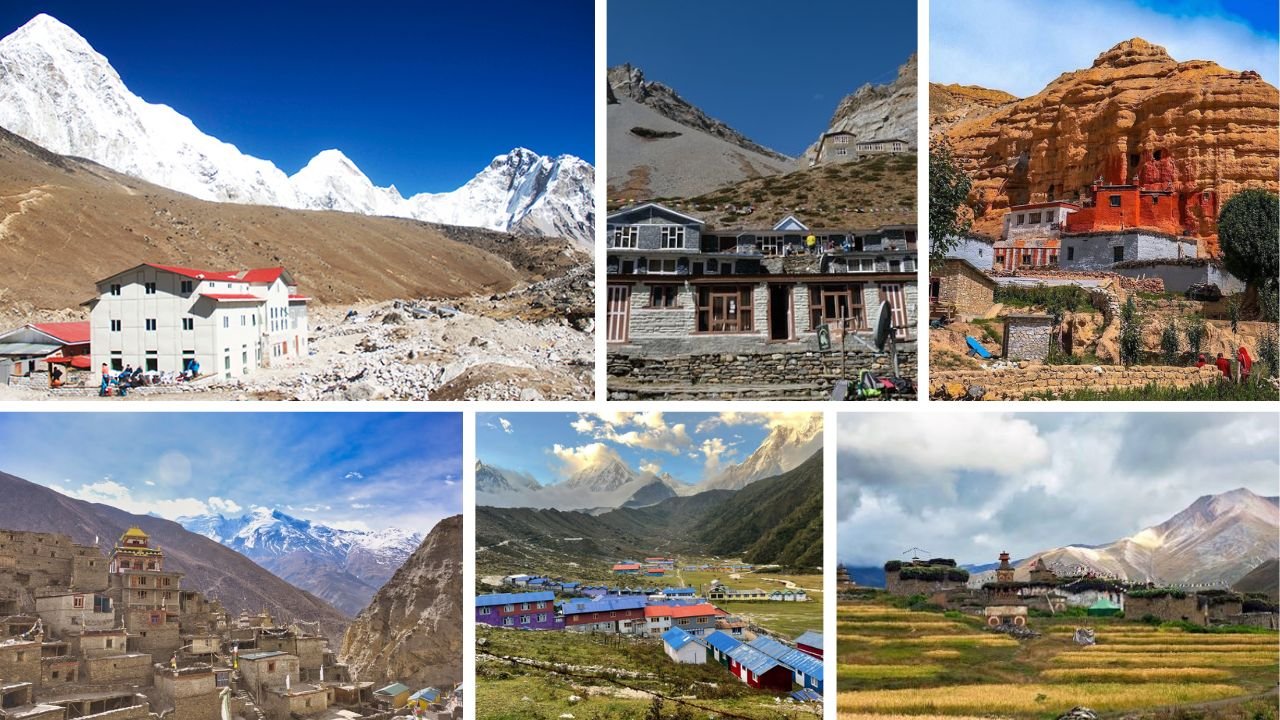
Nepal is home to some of the most extreme human settlements on Earth. Hidden deep within the Himalayas are places where people live far above the clouds, surrounded by thin air, freezing winds, and landscapes that feel almost unreal. These are the highest villages in Nepal, where life continues in conditions that most of the world would consider uninhabitable.
From the Everest region to the remote valleys of Mustang and Manang, these villages are not just geographical locations—they are living stories of survival, culture, and resilience. People here have adapted to altitudes often exceeding 3,500 meters, where oxygen levels drop significantly and winters can last for months.
What makes these settlements truly fascinating is not just their elevation, but the way communities thrive despite isolation. Ancient Tibetan-influenced traditions, yak herding, barley farming, and centuries-old monasteries define daily life. These villages are often cut off from modern infrastructure, yet they remain culturally rich and deeply spiritual.
In this article, we explore the highest villages in Nepal, uncovering how people live, survive, and preserve their identity in some of the world’s most challenging environments. This is more than a travel guide it is a journey into the heart of the Himalayas, where every breath is a reminder of how powerful human adaptation can be.
What Defines the Highest Villages in Nepal?
The term highest villages in Nepal refers to permanently or semi-permanently inhabited settlements located at extreme altitudes, typically above 3,000 meters. However, in Nepal’s Himalayan context, many villages exceed 4,000 meters, placing them among the highest human settlements in the world.
Altitude plays a crucial role in defining these villages. As elevation increases, oxygen levels decrease, temperatures drop, and agriculture becomes limited. Only a few hardy crops like barley, potatoes, and buckwheat can survive in such conditions. Livestock such as yaks become essential for transport, milk, and wool.
Another defining factor is accessibility. Many of these villages are reachable only by trekking routes, often requiring days of walking through rugged terrain. Roads are either absent or seasonal, making transportation of goods extremely difficult.
There is also a distinction between permanent villages and seasonal settlements. Some places, especially near trekking routes like Everest Base Camp, are inhabited only during tourist seasons. Others, like ancient settlements in Mustang and Manang, have year-round populations despite harsh winters.
Culturally, these villages are deeply influenced by Tibetan Buddhism and Himalayan traditions. Monasteries, prayer flags, and chortens are common sights, reflecting a spiritual lifestyle shaped by isolation and nature.
Understanding the highest villages in Nepal means understanding human endurance. These are not just remote places they are examples of how life adapts and persists in some of the most extreme environments on Earth.
Gorak Shep – The Final Human Stop Before Everest
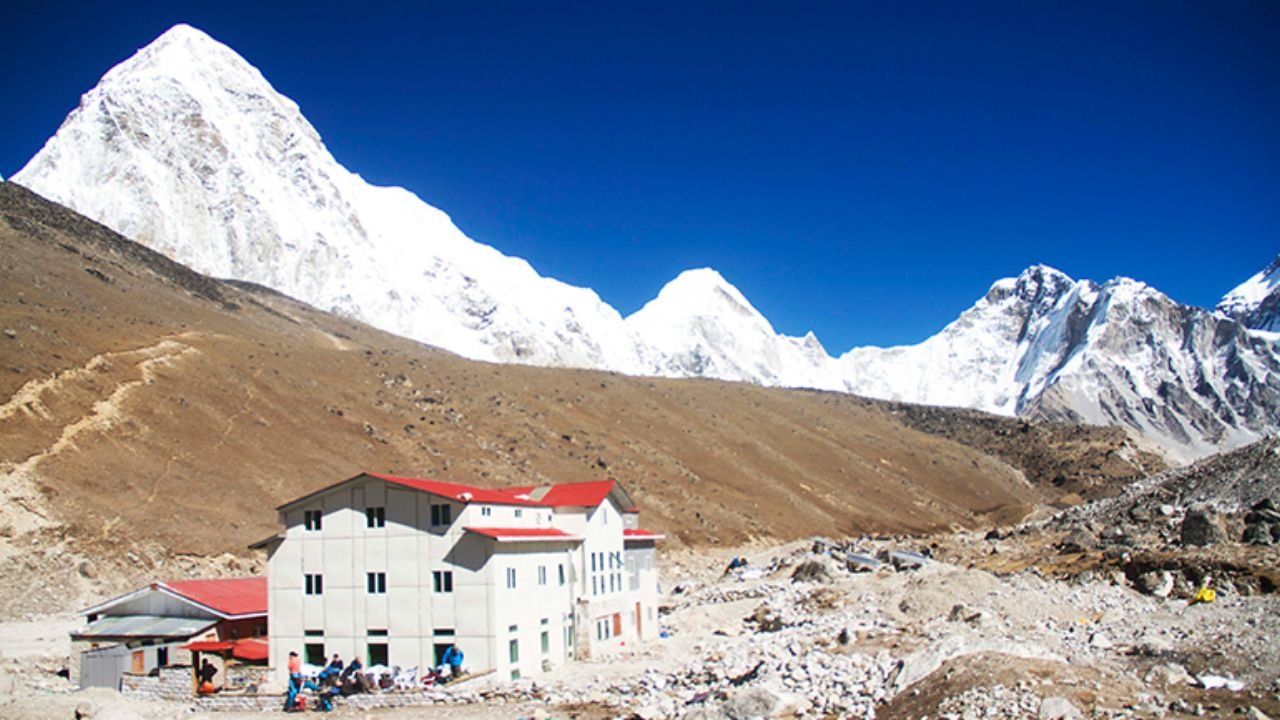
Gorak Shep is widely regarded as one of the highest temporary settlements in Nepal and a crucial stop for trekkers heading to Everest Base Camp. Situated at over 5,100 meters, it represents the edge of human habitation in the Everest region.
The village is small, rocky, and harsh. There are no permanent farmlands, and everything from food to fuel must be transported manually or by yaks. Despite this, Gorak Shep plays a vital role in Himalayan trekking routes, offering basic lodges for climbers and adventurers.
Gorak Shep
What makes Gorak Shep remarkable is its environment. Oxygen levels are extremely low, temperatures often fall below freezing even in peak trekking seasons, and strong winds constantly shape the barren landscape. Yet, it remains a lifeline for thousands of trekkers every year.
Historically, Gorak Shep was once the base camp for Everest expeditions before modern infrastructure shifted logistics further up. Today, it remains the last resting point before reaching Everest Base Camp and Kala Patthar, two of the most iconic trekking destinations in the world.
Among the highest villages in Nepal, Gorak Shep stands out not because of permanent settlement but because of its strategic importance. It symbolizes the extreme edge of human presence in the Himalayas, where nature dominates everything and survival depends on preparation, endurance, and respect for the mountains.
Thorong Phedi – Gateway to the Annapurna High Pass
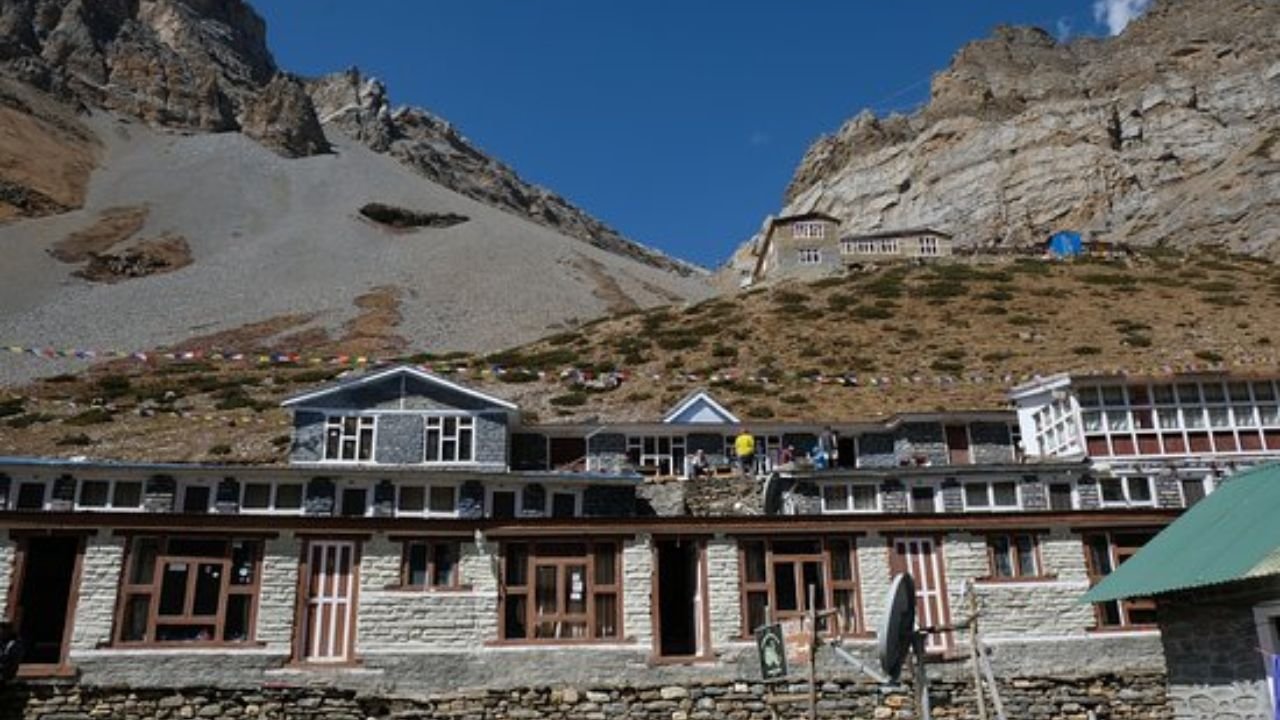
Thorong Phedi is another critical high-altitude settlement located along the famous Annapurna Circuit. Positioned at around 4,500 meters, it serves as the final stop before crossing the challenging Thorong La Pass.
Unlike traditional villages, Thorong Phedi functions mainly as a trekking lodge settlement. It exists to support climbers and trekkers who need acclimatization before attempting one of the highest mountain passes in the world. Despite its temporary nature, it is a key part of Nepal’s high-altitude trekking infrastructure.
Thorong Phedi
The environment here is extremely demanding. The air is thin, nights are freezing, and the terrain is rugged and unstable. Yet, during trekking seasons, the settlement becomes lively with visitors from across the globe preparing for their ascent.
What makes Thorong Phedi unique among the highest villages in Nepal is its role as a survival checkpoint. Trekkers often rest here to avoid altitude sickness before pushing toward Thorong La Pass, which stands above 5,400 meters.
There is no permanent agriculture or traditional village lifestyle here. Instead, it represents a modern adaptation of Himalayan survival temporary structures, limited resources, and a constant dependence on supply chains from lower valleys.
Thorong Phedi is not just a stop on a map; it is a reminder of how human presence adapts even in the most extreme environments of the Himalayas.
Phu Village – The Hidden Himalayan Kingdom
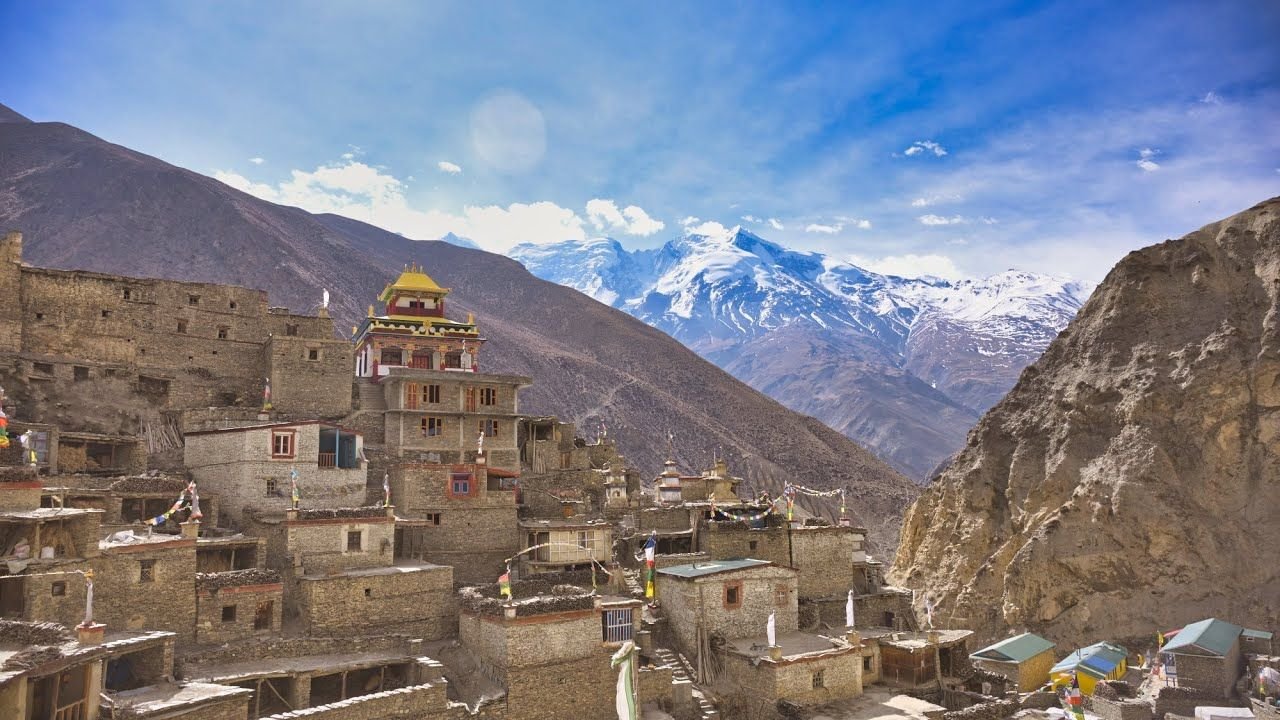
Phu Village is one of the most remote and culturally preserved settlements in Nepal. Located in the Nar-Phu Valley, it sits at an altitude of around 4,000 meters and remains largely untouched by modernization.
Phu is known for its ancient Tibetan Buddhist culture. The village is surrounded by barren mountains, deep gorges, and dramatic landscapes that isolate it from the outside world. Until recently, reaching Phu required several days of trekking through restricted terrain.
Phu Village
Life in Phu is slow and deeply traditional. Stone houses cluster together to protect against harsh winds, and agriculture is limited to hardy crops. Yaks are essential for survival, providing transport and dairy products. Monasteries and chortens reflect the strong spiritual identity of the community.
Among the highest villages in Nepal, Phu stands out for its authenticity. Unlike more tourist-heavy regions, it has preserved its ancient way of life. The people here still follow seasonal migration patterns and maintain traditions that date back centuries.
Phu is not just a destination; it is a cultural archive of Himalayan civilization. Its isolation has helped preserve its identity, making it one of the most fascinating high-altitude villages in Nepal.
Lo Manthang – The Walled Kingdom of Mustang
Lo Manthang is perhaps the most historically significant of all the highest villages in Nepal. Once the capital of the ancient Kingdom of Lo, it is a fortified settlement surrounded by high desert mountains and Tibetan-influenced culture.
Situated at around 3,800 meters, Lo Manthang is known for its whitewashed walls, royal palace, monasteries, and medieval architecture. It feels like a living museum preserved in time. The village was once accessible only to a select few travelers, but now it has gradually opened to controlled tourism.
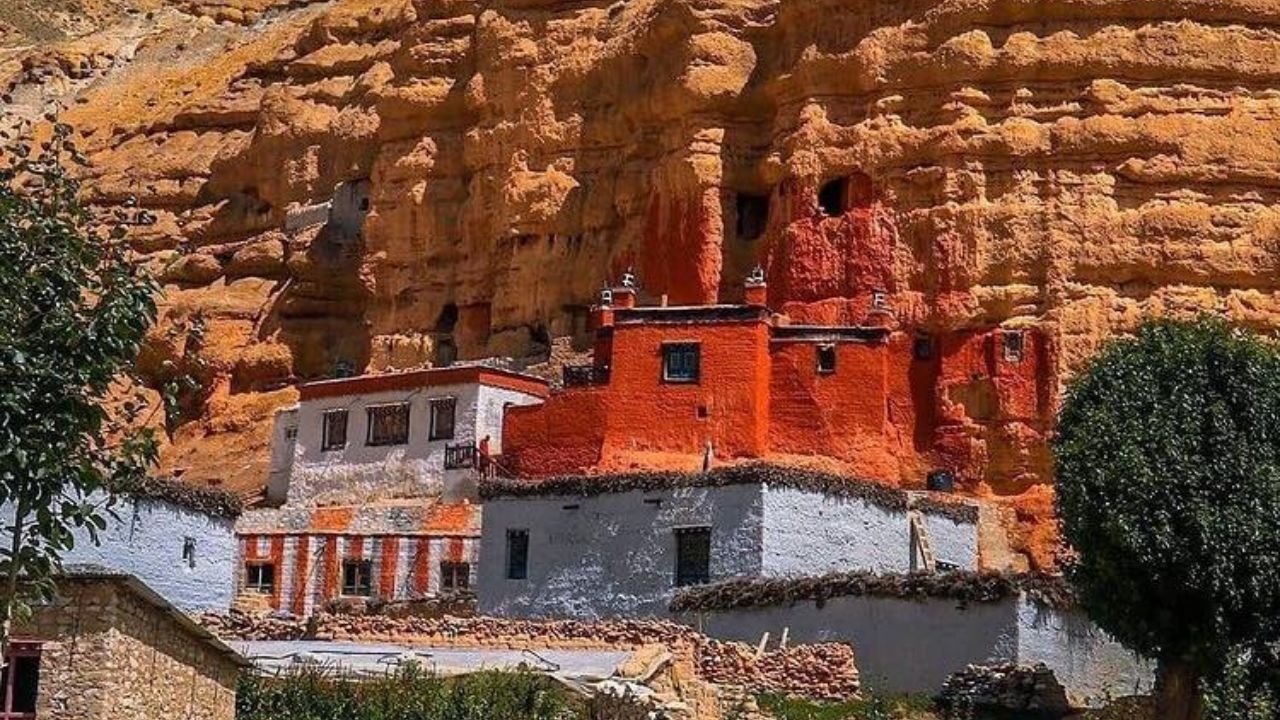
Lo Manthang
The culture of Lo Manthang is deeply rooted in Tibetan Buddhism. Festivals, rituals, and monastic traditions continue to shape daily life. Despite its remote location, the village remains spiritually and culturally vibrant.
Agriculture is limited due to the dry, desert-like environment. People rely on barley farming, livestock, and trade routes that historically connected Nepal with Tibet.
Lo Manthang is not just one of the highest villages in Nepal, but also one of the most culturally rich. Its blend of history, spirituality, and isolation makes it a must-know destination for understanding Himalayan civilization.
Chhoser – The Village of Sky Caves
Chhoser is famous for its mysterious sky caves carved into cliffs thousands of years ago. Located in Upper Mustang at high altitude, it represents one of the most unique human settlements in Nepal.
These caves were historically used as homes, burial chambers, and meditation sites. Today, they remain a major archaeological and cultural attraction. The village itself is small, isolated, and deeply connected to Tibetan Buddhist traditions.
Living conditions in Chhoser are harsh. The climate is dry, windy, and cold, and agriculture is minimal. However, the cultural significance of the area makes it one of the most intriguing highest villages in Nepal.
The sky caves of Chhoser are believed to be over 2,000 years old, and their purpose is still debated among historians. This adds to the mystery and allure of the village.
Chhoser is a powerful reminder of how humans have adapted creatively to extreme environments, using natural landscapes for shelter, spirituality, and survival.
Manang – The Gateway to the Annapurna Circuit
Manang is one of the most well-known settlements in the Annapurna region and an important acclimatization stop for trekkers. Located at over 3,500 meters, it blends traditional Himalayan life with growing tourism infrastructure.
Unlike more remote villages, Manang has lodges, small shops, and basic services catering to trekkers. Yet, it still maintains its cultural identity rooted in Tibetan Buddhist traditions.
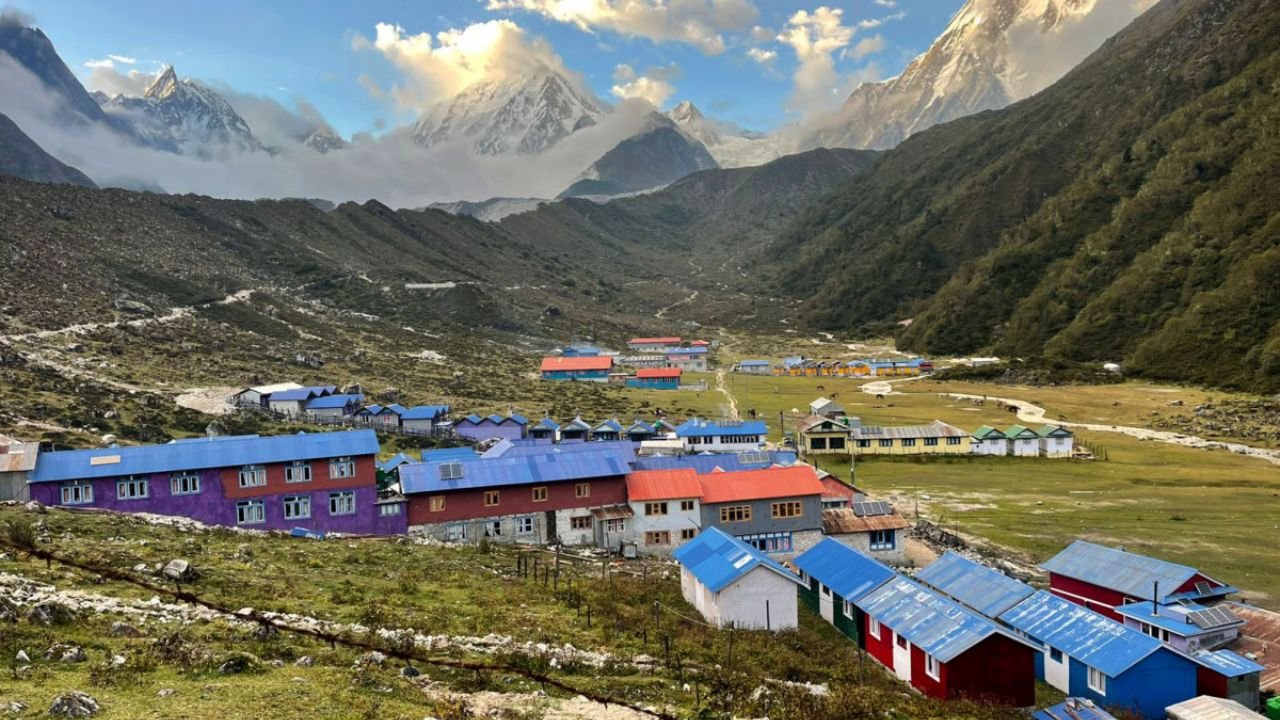
Manang
Surrounded by dramatic peaks and glaciers, Manang offers breathtaking scenery and plays a vital role in the Annapurna Circuit trek. It is one of the most accessible among the highest villages in Nepal, making it a key point for understanding high-altitude living.
The village reflects a transition zone between traditional Himalayan lifestyle and modern trekking economy. Despite increasing tourism, local communities continue to preserve their heritage, festivals, and agricultural practices.
Challenges of Living in the Highest Villages in Nepal
Life in the highest villages in Nepal comes with extreme challenges. The most immediate is altitude itself. Low oxygen levels make daily tasks physically demanding and increase health risks such as altitude sickness.
Harsh weather conditions further complicate survival. Winters are long and freezing, while summers are short and unpredictable. Agriculture is limited, and food supply often depends on long-distance transport.
Isolation is another major challenge. Many villages are cut off from road networks, meaning goods, medical supplies, and communication systems are limited. This affects education, healthcare, and economic opportunities.
Climate change is also increasingly impacting these regions. Glacial melt, unpredictable weather patterns, and water shortages are forcing some communities to relocate.
Despite these challenges, people continue to live in these villages due to cultural heritage, spiritual connection to the land, and limited alternatives.
The Living Heritage of the Himalayas
The highest villages in Nepal are more than just geographical extremes they are living testaments to human resilience, culture, and adaptation. From the Everest region to the remote valleys of Mustang and Manang, these settlements tell stories of survival against all odds.
Each village represents a unique blend of tradition, environment, and history. Whether it is the ancient kingdom of Lo Manthang, the mysterious caves of Chhoser, or the rugged landscapes of Gorak Shep, these places offer a glimpse into a world where nature still dominates human life.
For travelers, researchers, and storytellers, these villages are invaluable. They offer not only breathtaking scenery but also deep cultural insights into Himalayan civilization.
At Explore All About Nepal, our goal is to bring these hidden stories to a global audience and promote responsible exploration of Nepal’s most remote regions.
The Himalayas are not just mountains they are homes, histories, and futures. And within them, the highest villages in Nepal continue to stand as symbols of endurance and identity above the clouds.
