
Nepal is home to eight of the world’s fourteen 8,000-metre mountains or fourteen, if you count the way Nepal’s government now officially does. That change happened in 2025, and it’s the reason this list looks different from most guides you’ll find.
This page covers every eight-thousander in Nepal: the eight classic giants everyone agrees on, the six new peaks Nepal added to its official record in 2025, and the honest explanation of why that decision is disputed. Heights and first-ascent dates are included for each.
Facts verified July 2026, using Nepal’s official Himal Peak Profile figures. The UIAA is expected to review the new peaks at a conference in October 2026 we’ll update this page after.
Quick Answer: How Many 8,000m Peaks Does Nepal Have?
It depends on who’s counting:
- Internationally recognised (UIAA): 8 — the classic eight-thousanders that mountaineers have chased for decades.
- Nepal’s official count since 2025: 14 — the classic 8 plus 6 newly recognised subsidiary summits.
The eight classic peaks are undisputed. The six new ones are recognised by Nepal’s Department of Tourism but not yet by the international climbing body (UIAA). We’ll explain that gap below but first, the peaks themselves.
The 8 Classic Eight-Thousanders in Nepal
These eight are recognised worldwide. Of the world’s 14 eight-thousanders, Nepal holds eight more than any other country.
| # | Peak | Height | World Rank | First Ascent |
|---|---|---|---|---|
| 1 | Everest (Sagarmatha) | 8,848.86 m | 1st | 1953 |
| 2 | Kanchenjunga | 8,586 m | 3rd | 1955 |
| 3 | Lhotse | 8,516 m | 4th | 1956 |
| 4 | Makalu | 8,463 m | 5th | 1955 |
| 5 | Cho Oyu | 8,201 m | 6th | 1954 |
| 6 | Dhaulagiri I | 8,167 m | 7th | 1960 |
| 7 | Manaslu | 8,163 m | 8th | 1956 |
| 8 | Annapurna I | 8,091 m | 10th | 1950 |
One accuracy note most guides get wrong: not all of these sit entirely inside Nepal. Everest and Cho Oyu straddle the Nepal–Tibet (China) border; Kanchenjunga sits on the Nepal–India border; Lhotse and Makalu also touch the border. Only Dhaulagiri, Manaslu, and Annapurna lie wholly within Nepal. When you read “Nepal has 8,” it means these peaks are climbed from or shared with Nepal not that all eight are entirely Nepali territory.
1. Everest (Sagarmatha) — 8,848.86 m
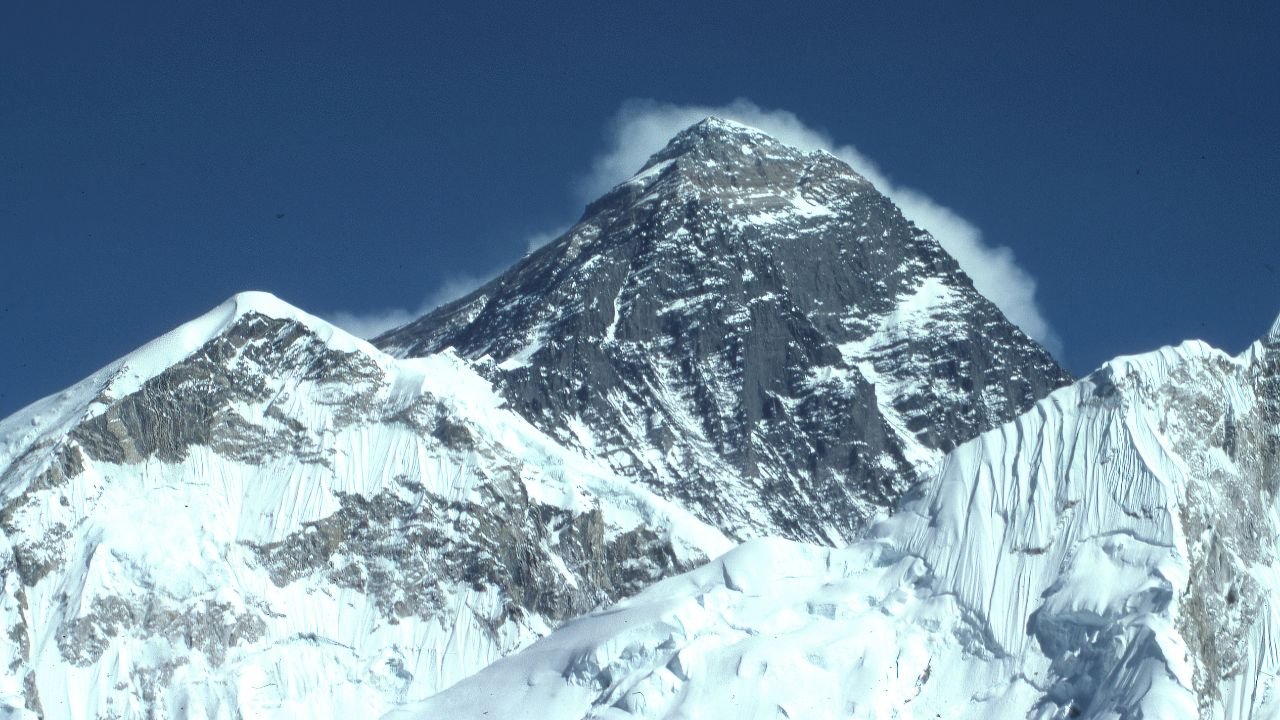
Nepal’s 8,000m Peaks: Photo by Dick Hoskins
The highest point on Earth, on the Nepal–Tibet border. First climbed on 29 May 1953 by Tenzing Norgay and Edmund Hillary. Known in Nepali as Sagarmatha and in Tibetan as Chomolungma.
2. Kanchenjunga — 8,586 m
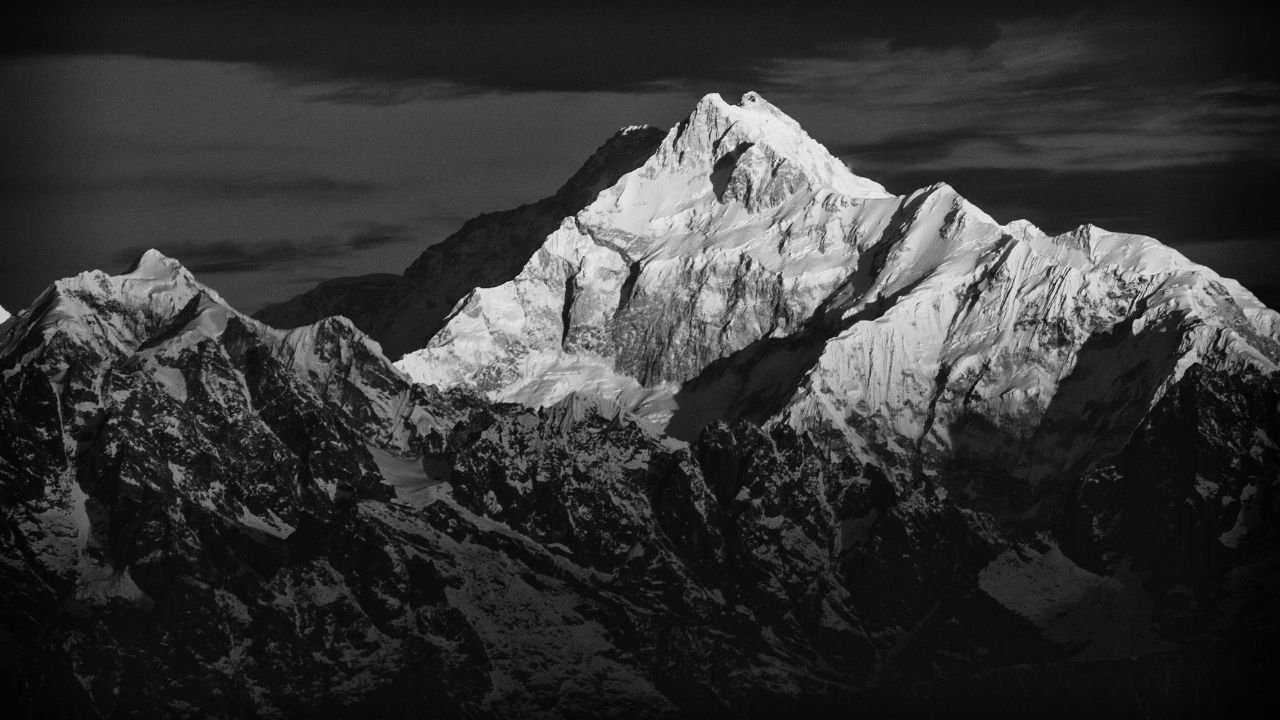
Kanchenjunga: Photo by Balaji Srinivasan
The world’s third-highest, on the Nepal–India border in the remote east. First climbed in 1955 by a British team, who stopped just short of the true summit out of respect for local belief that it is sacred a tradition many climbers still honour.
3. Lhotse — 8,516 m
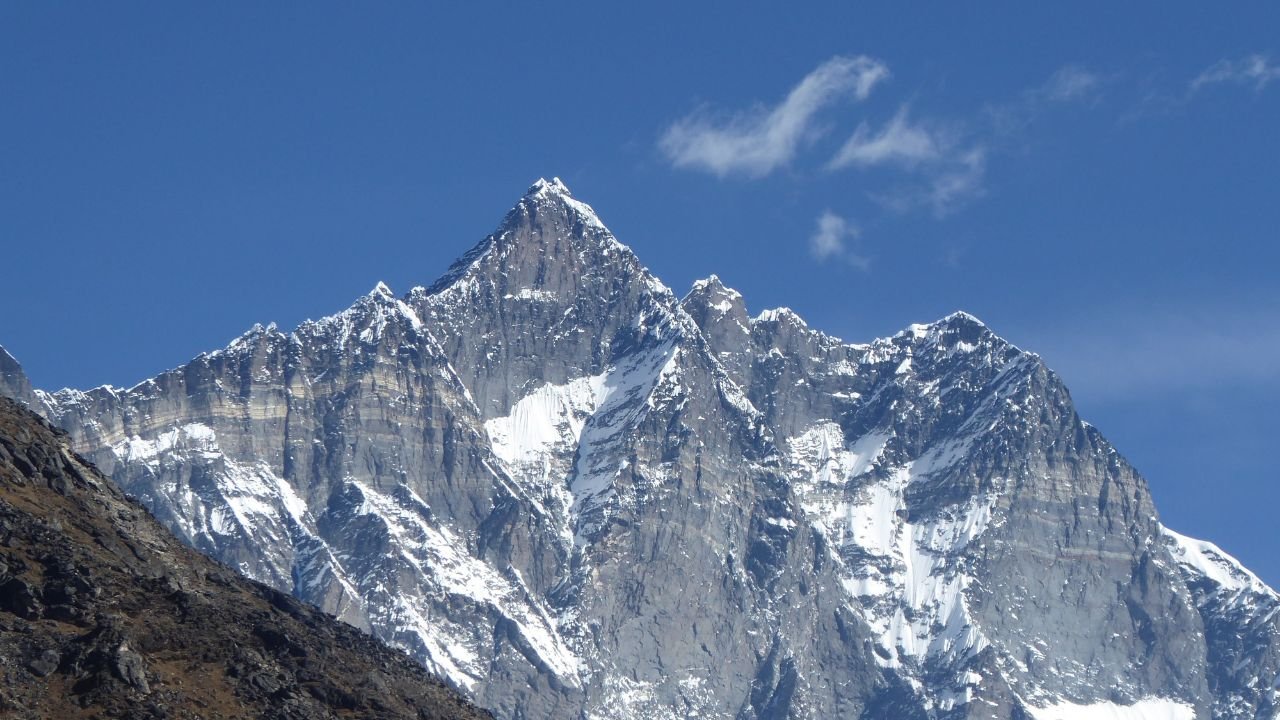
Lhotse: Photo by discover altittude
The fourth-highest, connected to Everest by the South Col. Climbers on the standard Everest route actually ascend part of the Lhotse Face. First climbed in 1956 by a Swiss team.
4. Makalu — 8,463 m
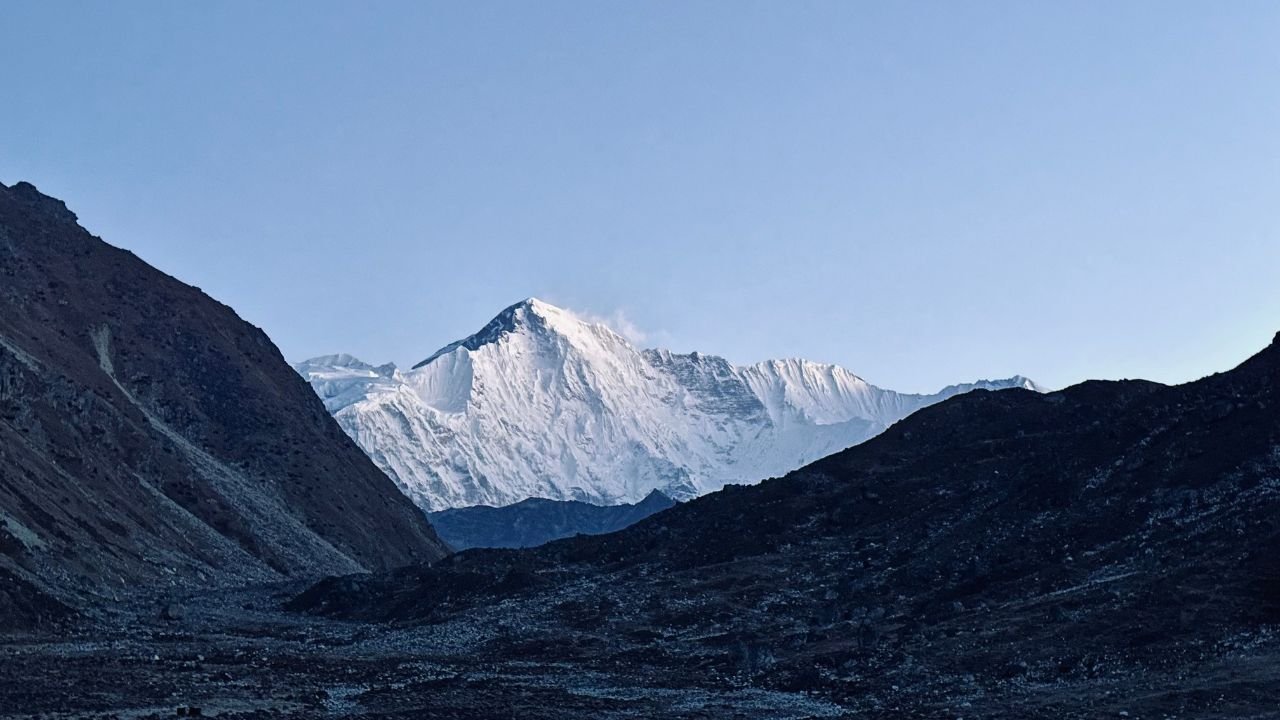
Makalu: Photo by Lipot Repaszky
The fifth-highest, a striking four-sided pyramid southeast of Everest. Its clean geometric shape makes it one of the most recognisable peaks in the range. First climbed in 1955 by a French team.
5. Cho Oyu — 8,201 m
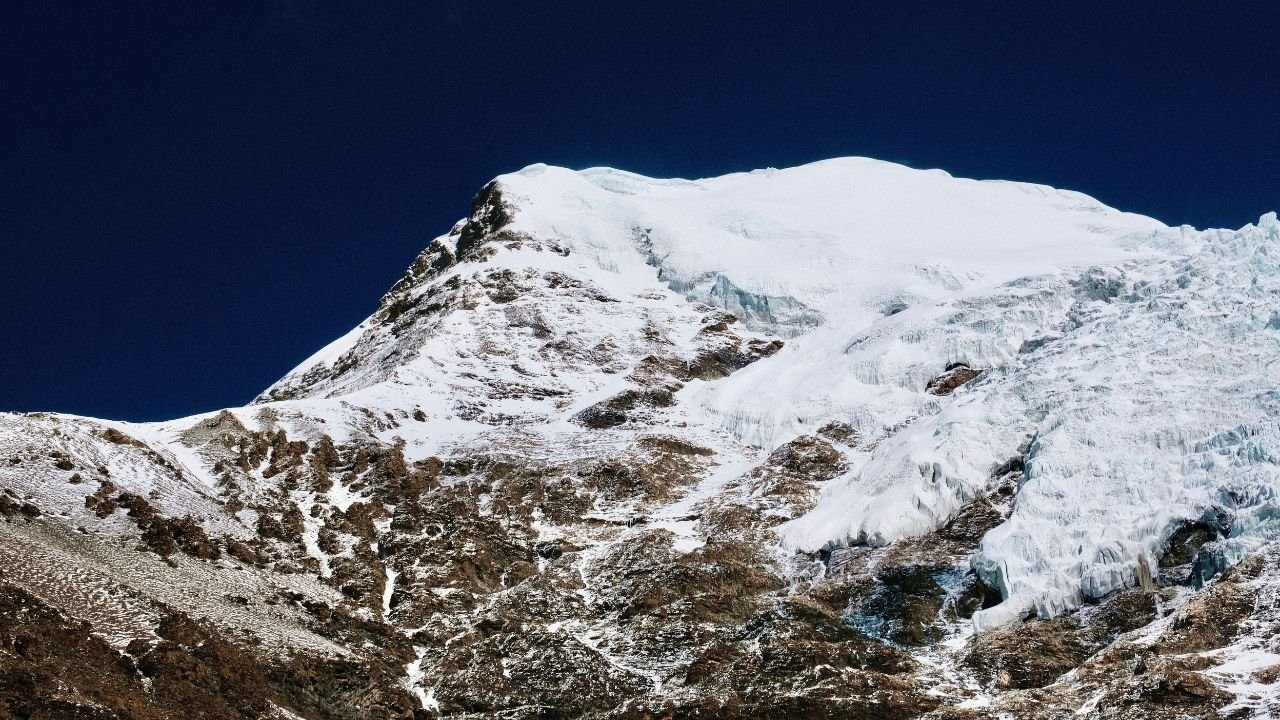
Cho Oyu: Photo by Martin Chan
The sixth-highest, on the Nepal–Tibet border. Widely considered the “easiest” eight-thousander because of its less technical standard route though “easiest” is relative when you’re above 8,000 m. First climbed in 1954.
6. Dhaulagiri I — 8,167 m
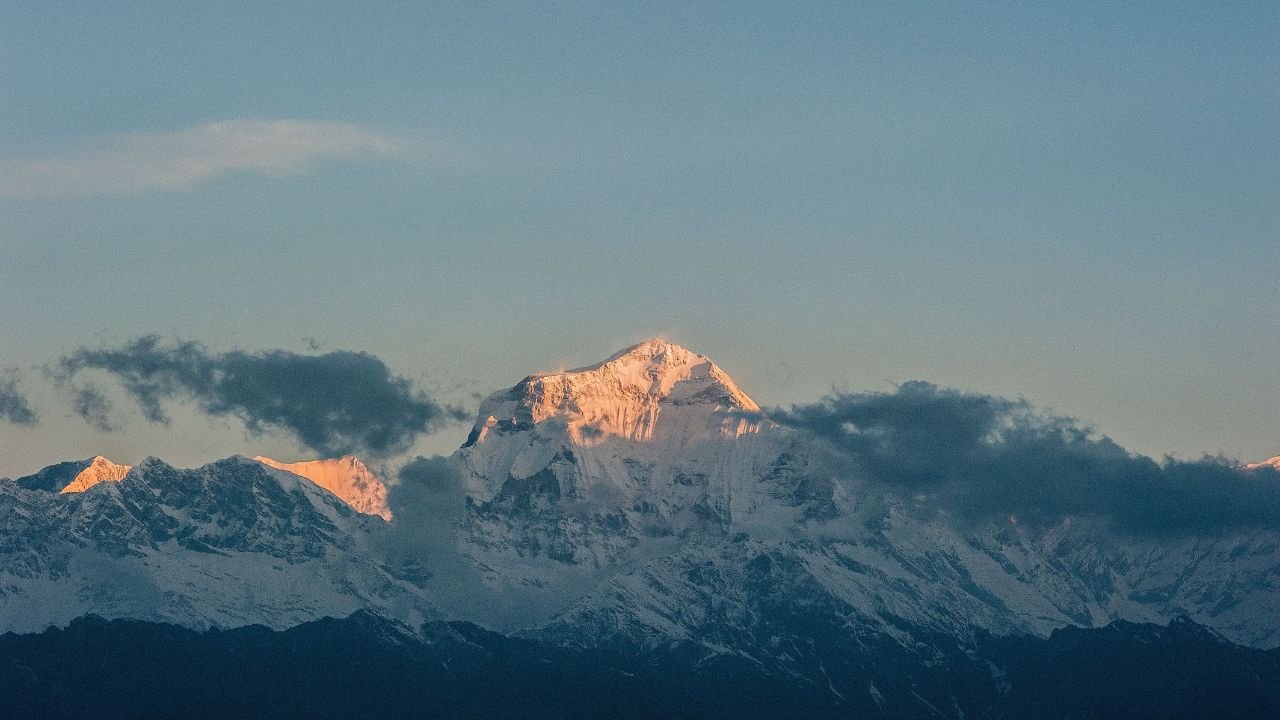
Dhaulagiri I: Photo by Sherine
The seventh-highest, and the first of the peaks lying wholly inside Nepal. Its name means “White Mountain.” From 1808 to 1838 it was believed to be the highest mountain in the world. First climbed in 1960.
7. Manaslu — 8,163 m
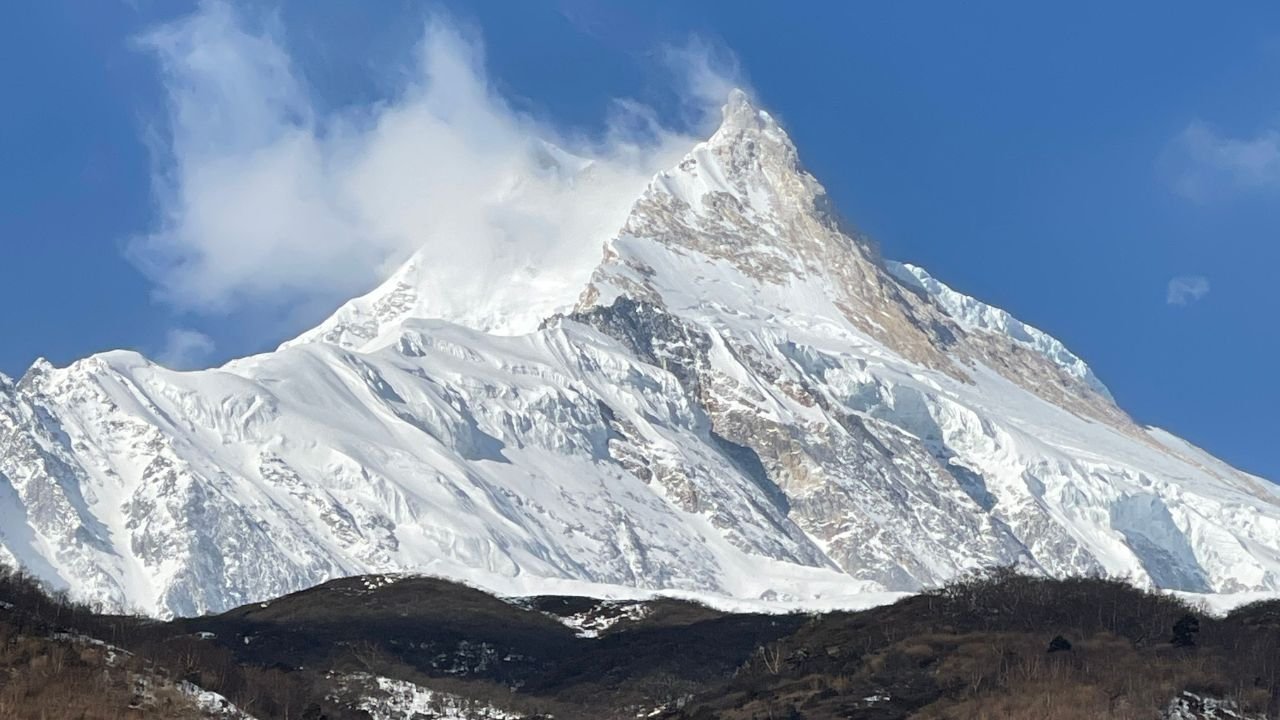
Manaslu: Photo by Nepal Visuals
The eighth-highest, wholly within Nepal, its name meaning “Mountain of the Spirit.” Now a popular expedition and trekking-circuit peak. First climbed in 1956 by a Japanese team.
8. Annapurna I — 8,091 m
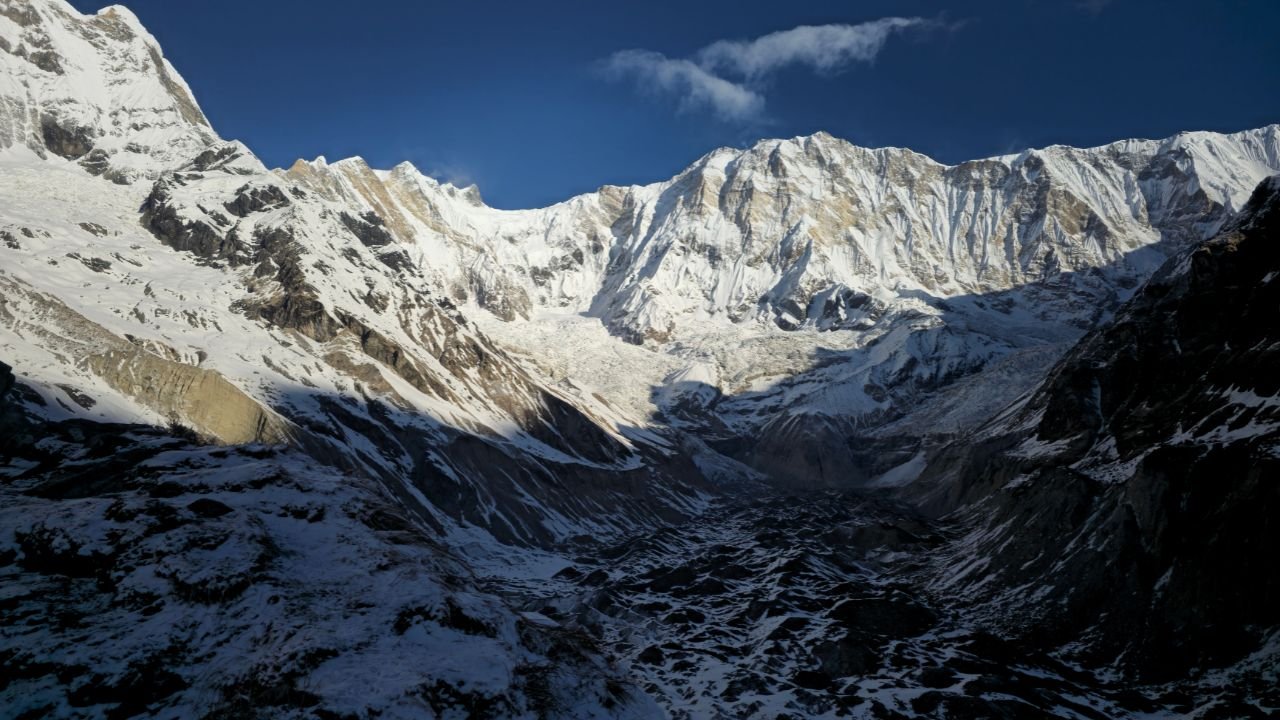
Annapurna IPhoto by Bobby Diwakar
The tenth-highest and historically the deadliest. It was the first eight-thousander ever climbed, by a French team in 1950, three years before Everest. It also carries one of the highest fatality rates of any 8,000-metre peak, making it feared among elite climbers.
The 6 New Peaks Nepal Added in 2025
In February 2025, Nepal’s Department of Tourism, through its Nepal Himal Peak Profile project, officially recognised six additional summits above 8,000 metres raising Nepal’s national count from 8 to 14. All six are subsidiary summits on the Kanchenjunga and Lhotse massifs.
| Peak | Height | Massif |
|---|---|---|
| Yalung Khang (Kanchenjunga West) | 8,505 m | Kanchenjunga |
| Kanchenjunga South | 8,476 m | Kanchenjunga |
| Kanchenjunga Central | 8,473 m | Kanchenjunga |
| Lhotse Middle | 8,410 m | Lhotse |
| Lhotse Shar | 8,400 m | Lhotse |
| Yalung Khang West | 8,077 m | Kanchenjunga |
These were surveyed using modern GPS and satellite data and added to Nepal’s official record for permitting and climbing purposes.
Why the 14 Count Is Disputed
Here’s the honest part most promotional pages skip.
The six new peaks are subsidiary summits separate high points on the same mountain massifs as Kanchenjunga and Lhotse, rather than fully independent mountains. The core of mountaineering classification is prominence: how far a peak rises above the saddle connecting it to its nearest higher neighbour. Traditional 8,000er classification requires a peak to be independent enough to count on its own. These six don’t clearly meet that bar, which is why the UIAA (the international climbing federation) has not recognised them as independent eight-thousanders.
Nepal’s government argues the survey data supports their independence and wants international recognition. Critics counter that the move is driven more by tourism revenue than strict topography more official peaks means more permits to sell. The UIAA is expected to review the question at a conference in Nepal in October 2026.
The honest bottom line: if you mean “independent 8,000-metre mountains recognised worldwide,” Nepal has 8. If you mean “peaks over 8,000 metres on Nepal’s official list, including subsidiary summits,” Nepal now counts 14. Both numbers are correct they’re just answering different questions. Be wary of any page that states one without explaining the other.
Climbing Nepal’s Eight-Thousanders
For context on difficulty and access, without the sales pitch:
- “Easiest”: Cho Oyu, thanks to a less technical standard route — still an extreme high-altitude climb.
- Most feared: Annapurna I, for its avalanche danger and high fatality rate.
- Most remote: Kanchenjunga and Makalu, deep in eastern Nepal with long approach treks.
- Best seasons: Spring (April–May) is the primary climbing window; autumn (September–November) is second.
- Cost: Expeditions typically run tens of thousands of USD; Everest is the most expensive by a wide margin.
You don’t have to climb to experience these giants. Base-camp treks like Everest Base Camp, Annapurna Base Camp, Manaslu Circuit, and the Kanchenjunga trek bring you to the foot of these peaks with no technical climbing required, only good fitness.
FAQs
How many 8,000m peaks are in Nepal?
Internationally, Nepal has 8 recognised eight-thousanders. Since 2025, Nepal’s government officially counts 14, adding 6 subsidiary summits that the UIAA has not yet recognised as independent peaks.
What are the 8 classic eight-thousanders in Nepal?
Everest, Kanchenjunga, Lhotse, Makalu, Cho Oyu, Dhaulagiri I, Manaslu, and Annapurna I.
Which 8,000m peaks are entirely inside Nepal?
Only Dhaulagiri, Manaslu, and Annapurna lie wholly within Nepal. Everest and Cho Oyu are on the Nepal–Tibet border; Kanchenjunga is on the Nepal–India border; Lhotse and Makalu also touch the border.
What are the 6 new peaks Nepal added in 2025?
Yalung Khang (8,505 m), Kanchenjunga South (8,476 m), Kanchenjunga Central (8,473 m), Lhotse Middle (8,410 m), Lhotse Shar (8,400 m), and Yalung Khang West (8,077 m).
Why isn’t the new 14 count internationally recognised?
The six additions are subsidiary summits on existing massifs, not independent mountains by the usual prominence standard. The UIAA is reviewing the matter at a conference in October 2026.
Which is the highest mountain entirely in Nepal?
Dhaulagiri I, at 8,167 metres the highest eight-thousander lying wholly within Nepal’s borders.
Which was the first eight-thousander ever climbed?
Annapurna I, in 1950 by a French team three years before Everest.
Which is the deadliest 8,000m peak in Nepal?
Annapurna I has historically had one of the highest fatality rates of any eight-thousander.