
If you’re asking this question, you’re probably somewhere between excited and nervous about booking the Everest Base Camp trek. Here’s the honest, reassuring answer: you do not need to be an athlete. EBC is a trek, not a climb no ropes, no ice axes, no mountaineering skills. What it demands is the ability to walk 5–7 hours a day, on uneven trails, for many days in a row, at altitude.
Most reasonably healthy people can reach Base Camp with a few months of the right preparation. People from age 7 to 80 have done it. But “doable” isn’t the same as “easy,” and there’s one truth that matters more than your gym numbers, which we’ll get to.
Guidance below reflects widely accepted trekking advice as of July 2026. Anyone with a heart, lung, or other medical condition should consult a doctor before booking this is general information, not medical advice.
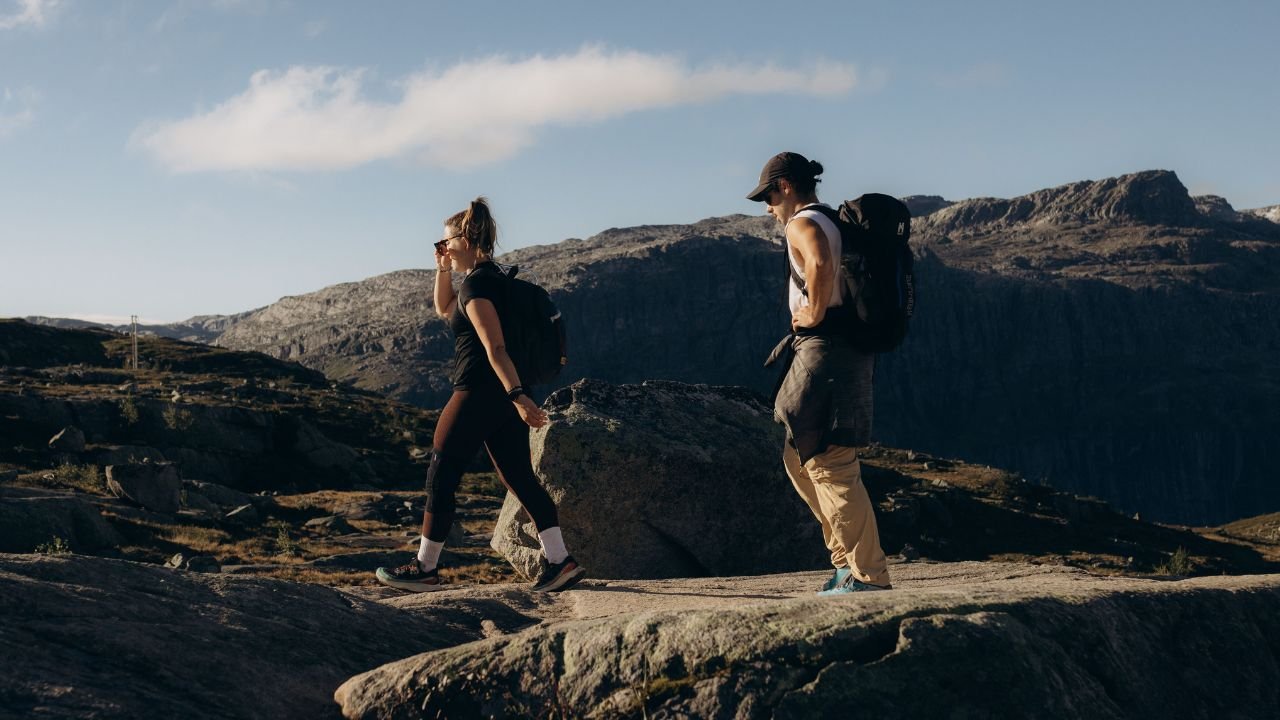
Fits for for Everest Base Camp: Photo by Jonathan Borba
The Honest Short Answer
You’re fit enough for Everest Base Camp if you can:
- Walk 5–7 hours a day on hilly terrain, several days in a row, without being wrecked the next day
- Comfortably walk 10–12 km (6–8 miles) in a day
- Handle 30–40 minutes of continuous uphill or stair-climbing and feel okay afterward
If that sounds achievable now or after a few months of training EBC is realistically within reach. If you’re nowhere near that yet, you’re not disqualified; you just need a longer runway to prepare.
The One Thing That Matters More Than Fitness
Here’s what most guides won’t emphasise clearly: fitness and altitude tolerance are two different things.
Being fit helps you walk comfortably. It does not protect you from altitude sickness. Anyone can be affected above roughly 2,500 m regardless of how fit they are and sometimes very fit people struggle more, because they walk too fast and don’t give their bodies time to adjust.
The real key to reaching Base Camp isn’t your VO2 max. It’s slow ascent and proper acclimatisation which is why a 12–14 day itinerary with rest days in Namche and Dingboche is far safer than a rushed one. Train your body, yes. But respect the altitude, walk slowly, and never push through worsening symptoms. That mindset gets more people to Base Camp than raw fitness does.
What Your Body Actually Does on the Trek
Understanding the real challenge helps you train for the right thing.
The EBC trek covers about 130 km (80 miles) round trip over 12–16 days. Most days are 5–7 hours of walking, with a few longer 7–8 hour days. The pace is slow, with frequent breaks this is not a race.
The difficulty isn’t steep technical climbing. It’s the accumulation: many consecutive days of walking on dirt paths, stone steps, rocky sections, and suspension bridges, with thinning air as you climb. Uphill days test your lungs; long downhill sections punish your knees. The challenge is consistency, not a single hard effort.
How Fit Are You Right Now? A Simple Self-Test
Be honest with yourself here it decides how long you need to train.
- Can you already hike 3–4 hours on hills with elevation gain, comfortably? You’re in good shape for EBC-specific training.
- Are you moderately active (walk regularly, some exercise) but not a hiker? You have a solid base to build from.
- Mostly sedentary right now? You can still do this you just need the longest preparation window.
Training Plan by Fitness Level
Rough timelines, based on standard trekking-guide recommendations:
| Your starting point | Prep time needed | Focus |
|---|---|---|
| Regular hiker / runner / cyclist | 4–6 weeks | Trek-specific endurance, back-to-back hill days |
| Moderately active | 8–10 weeks | Progressive hiking + strength + cardio |
| Sedentary | 12–16 weeks | Build gradually from walks to long hikes |
What to actually do:
- Cardio, 3–4x per week: brisk walking, hiking, stairs, cycling, or light jogging. Consistency beats intensity 60–90 minute sessions matter more than one hard workout.
- Hike outdoors on real hills, not just the treadmill. Gym fitness alone doesn’t prepare you for uneven trails and consecutive days. Whenever possible, wear your actual trekking boots.
- Leg and core strength: squats, lunges, step-ups, stairs. Your legs don’t need to be powerful just reliable enough to carry you up and down, day after day, without injury.
- Practise with a loaded daypack (5–8 kg). Even though porters carry the main load, you’ll carry water, layers, and camera daily.
- Build knee resilience the long descents are harder on knees than people expect. Downhill practice and strong quads help a lot.
Start gently, build gradually, and taper off in the final week so you arrive rested, not exhausted.
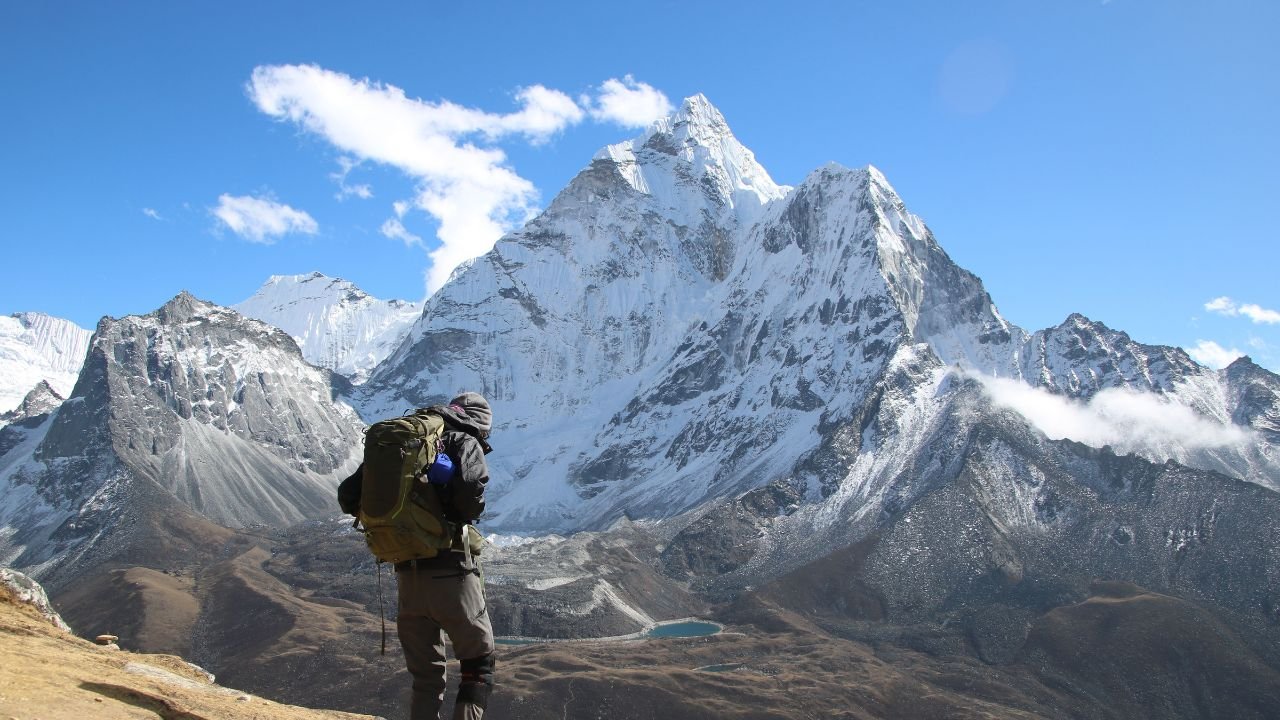
Fit for for Everest Base Camp: Photo by Vertex Holiday
Who Should Be Extra Cautious
EBC is achievable for a wide range of people, but a few groups should get medical clearance first:
- Anyone with heart or lung conditions, uncontrolled blood pressure, or other chronic illness
- Trekkers over 70 (no upper age limit, but approach carefully and with a doctor’s input)
- Anyone with a history of severe altitude sickness
If you have a pre-existing condition, talk to your doctor before booking high altitude can amplify some health issues.
Mental Fitness Counts Too
The physical side gets all the attention, but stamina of the mind carries people through the hard days. You’ll wake early, pack, and walk for hours for nearly two weeks, in cold, wind, and sometimes cloud-hidden views. Staying calm, patient, and motivated on the tough days matters as much as leg strength. If you can keep moving steadily when you’re tired, you’re most of the way there.
FAQs
Do you need to be an athlete to do Everest Base Camp?
No. EBC is a non-technical trek. You need to walk 5–7 hours a day on hilly terrain for consecutive days, which most reasonably healthy people can prepare for in a few months. It’s not a climb.
Can a beginner do the Everest Base Camp trek?
Yes, with proper training, a sensible itinerary with acclimatisation days, a steady pace, and guide support. Previous trekking experience helps but isn’t required.
How long should I train for Everest Base Camp?
Regular hikers need about 4–6 weeks of specific training; moderately active people 8–10 weeks; those starting from a sedentary baseline 12–16 weeks.
Does being fit prevent altitude sickness?
No. Fitness and altitude tolerance are separate. Fit people can and do get altitude sickness sometimes more, if they ascend too fast. Slow ascent and acclimatisation matter most.
How many hours a day will I walk on EBC?
Typically 5–7 hours, with a few longer 7–8 hour days, at a slow pace with regular breaks.
Is the descent from Everest Base Camp hard?
It can be. Breathing gets easier as you descend, but tired knees and accumulated fatigue make the downhill sections tougher than many expect. Strong quads and knee prep help.
What’s the best way to train if I don’t live near mountains?
Use stairs, a stair-climber machine, and a loaded backpack, and take a weekend hiking trip if you can. Walking uphill on consecutive days is the single most useful preparation.
Is a shorter EBC itinerary easier?
No shorter itineraries are usually harder because they give your body less time to acclimatise. A 12–14 day route is more manageable for most trekkers.
