
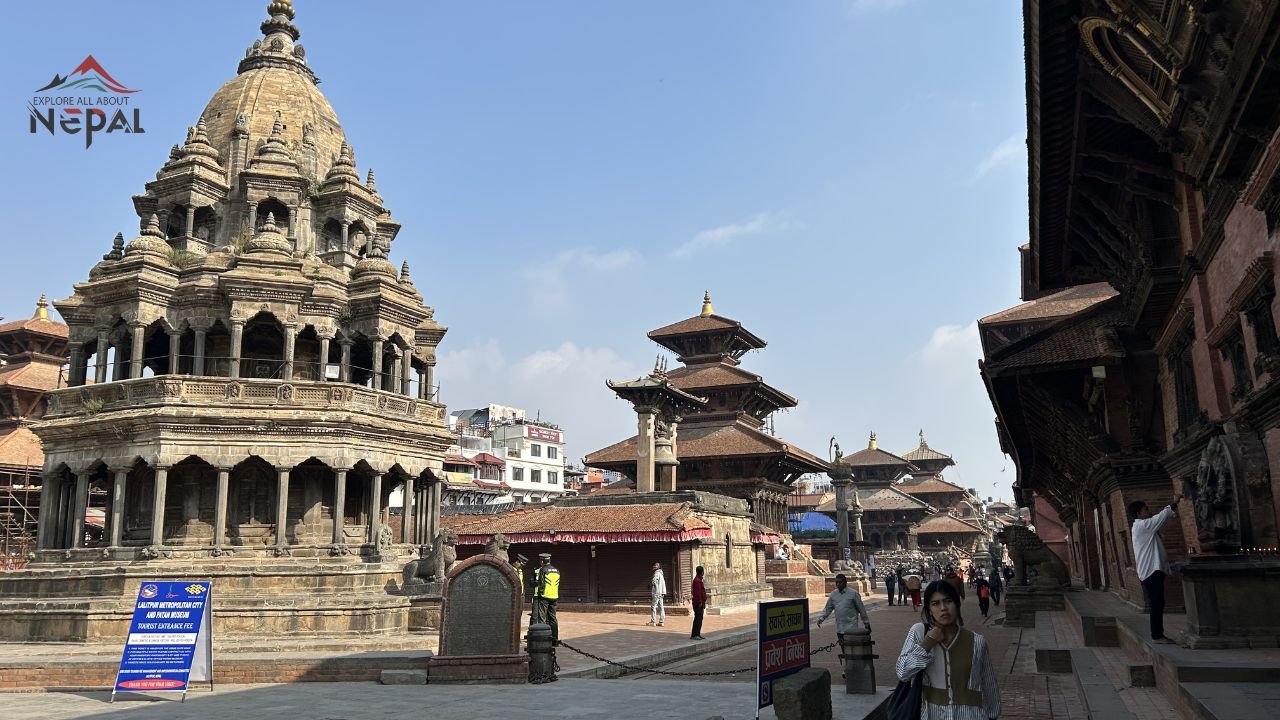
Patan is the most beautiful city in the Kathmandu Valley.
Bold claim? Maybe. But ask travelers who’ve visited all three royal cities Kathmandu, Bhaktapur, and Patan and Patan wins more often than you’d expect.
The metalwork is finer. The museum is world-class. The Golden Temple glows. And it’s all just 20 minutes from Thamel, across the river.
Best of all you can see the highlights in half a day.
This guide gives you the perfect walking route, what everything costs, and the hidden corners most visitors walk straight past.
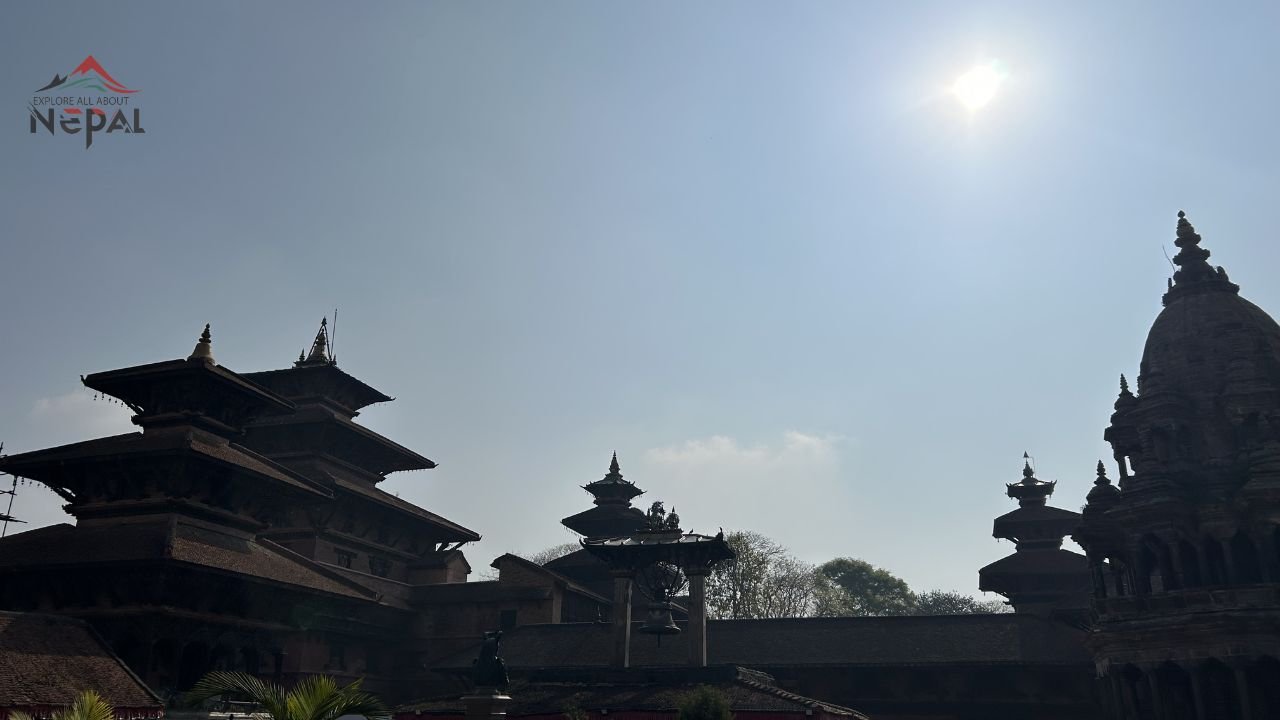
Patan
Quick Reference: Patan at a Glance
| Detail | Info |
|---|---|
| Official name | Lalitpur (“City of Beauty”) |
| Distance from Thamel | 5–7 km (20–30 min by taxi) |
| Durbar Square entry fee | NPR 1,000 (~$7.50) for foreigners |
| Patan Museum | Included with Durbar Square ticket |
| Golden Temple entry | NPR 50–100 (small fee) |
| Time needed | 4–5 hours |
| Best time of day | Morning (8am–1pm) |
| UNESCO status | Yes World Heritage monument zone |
Why Patan Deserves Your Half Day
The Kathmandu Valley once held three rival kingdoms Kathmandu, Bhaktapur, and Patan. Their kings competed for centuries to build the grandest palaces and temples.
Patan’s specialty was metalwork and fine craftsmanship.
The city has been home to Nepal’s master metalworkers for over a thousand years. The bronze statues, the gilded temple roofs, the repoussé work Patan’s artisans made them. Many still do, in workshops you can walk past today.
The result: a compact old city where the craftsmanship density is higher than anywhere else in Nepal.
Want the full backstory of the three rival kingdoms? See our History of Nepal timeline.
The Perfect Half-Day Route
Here’s the route, stop by stop. Total walking: easy and flat. Total time: 4–5 hours including lunch.
Stop 1: Patan Durbar Square (1.5 hours)
Start here the heart of everything.
Patan Durbar Square is a stone-paved plaza lined with pagoda temples on one side and the old royal palace on the other. Many consider it the finest of the valley’s three Durbar Squares.
Don’t miss:
- Krishna Mandir — a stone temple carved in the 1630s, unusual because it’s built entirely of stone in Indian shikhara style, not Newar brick and wood. The carvings show scenes from the Mahabharata.
- The Royal Palace facade — carved wooden windows at their absolute finest
- Bhimsen Temple — dedicated to the god of trade and business, still visited by local merchants
- The sunken water fountain (Manga Hiti) — carved stone waterspouts from the 6th century, still flowing
Tip: Arrive by 8:30–9am. You’ll beat both the tour groups and the harsh midday light. Morning is when locals come to worship the square feels alive, not like a museum.
Stop 2: Patan Museum (1–1.5 hours)
Inside the old royal palace, and included with your Durbar Square ticket.
Here’s the honest truth: this is the best museum in Nepal. Possibly one of the best small museums in Asia.
The collection covers Hindu and Buddhist bronze art spanning centuries displayed beautifully, lit properly, and explained in clear English. You’ll leave actually understanding what you’ve been looking at all over the valley.
The building itself restored palace courtyards with carved windows is half the experience.
Tip: The museum café in the garden courtyard is a peaceful coffee stop if you need a break.
Stop 3: The Golden Temple (45 minutes)
A five-minute walk north of the square hides Patan’s most magical building.
The Golden Temple Hiranya Varna Mahavihar is a 12th-century Buddhist monastery covered in gilded metalwork. Golden roofs. Golden doorways. Golden statues. A gilded shrine glowing in a small courtyard.
It’s still an active monastery. Newar Buddhist priests have maintained rituals here for 900 years, unbroken.
Know before you go:
- Small entry fee (NPR 50–100)
- Remove shoes AND leather items (belts, watch straps) before the inner courtyard leather isn’t allowed
- A resident tortoise lives in the courtyard the temple’s guardian
More on Nepal’s monasteries in our Buddhist Monasteries in Nepal guide.
Stop 4: Kumbeshwar Temple (30 minutes)
Keep walking north, five more minutes.
Kumbeshwar is one of the valley’s only two five-story pagodas (the other is Nyatapola in Bhaktapur). Built in 1392, it’s dedicated to Shiva, and its tiered roofs tower over the surrounding neighborhood.
The temple pond is said to be fed by a spring connected directly to the holy lake of Gosaikunda, high in the Langtang mountains.
Fewer tourists come here. You’ll mostly share it with locals, pigeons, and kids playing in the square.
Stop 5: Lunch and the Backstreets (1 hour)
Time to eat and Patan does this well.
The lanes around the Durbar Square hide excellent rooftop cafés and traditional Newar eateries.
What to try: Newar food is Patan’s specialty. Order a samay baji set beaten rice, spiced meats, egg, soybeans, and pickles on one plate. It’s the Newar celebration meal, and Patan’s version is the real thing.
After lunch: Wander without a map. Patan’s backstreets are the attraction hidden courtyards (bahals), tiny shrines, metalworkers hammering in open workshops, laundry hanging over 400-year-old carvings.
The courtyards are semi-private but walking through respectfully is normal and welcomed.
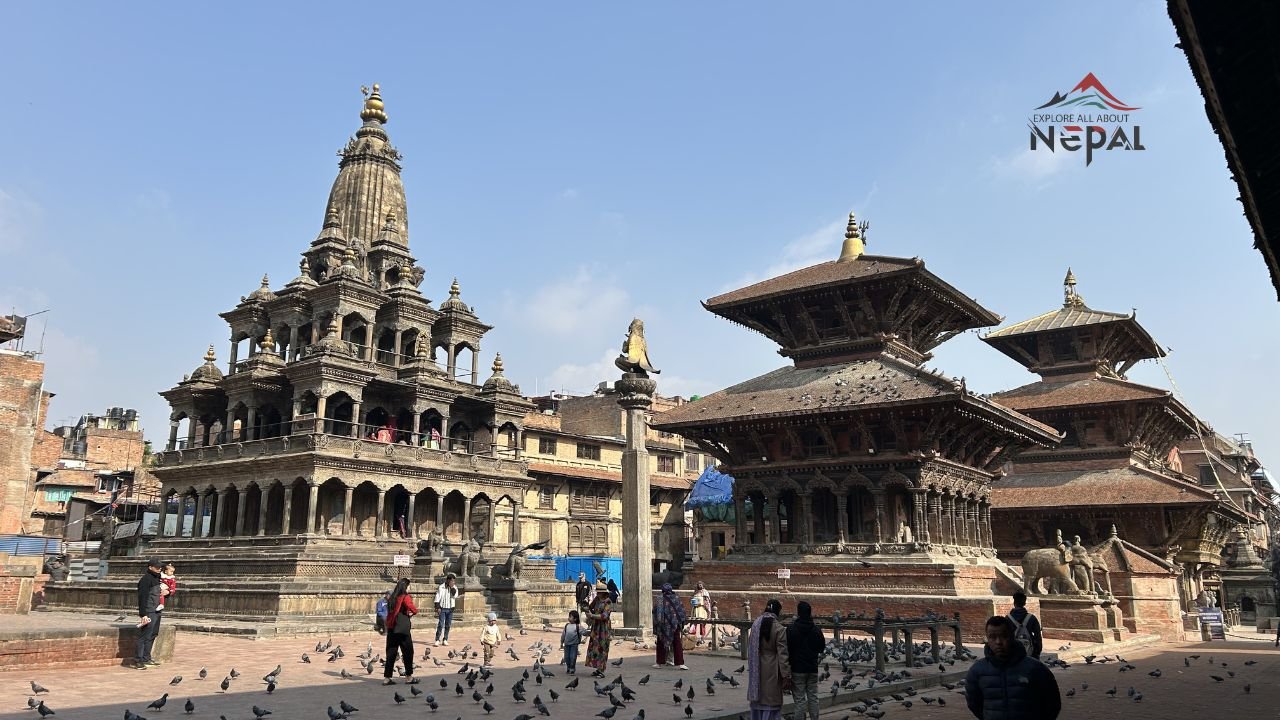
Patan Durbar Square
If You Have Extra Time
Mahaboudha Temple the “temple of a thousand Buddhas,” a terracotta tower where every brick carries a Buddha image. Ten minutes southeast of the square, hidden in a courtyard.
The metalwork shops Patan is THE place to buy quality singing bowls and bronze statues at fair prices, often from the families who made them. See our what to buy in Nepal guide.
Pimbahal Pokhari a peaceful lotus pond with a small stupa, perfect at sunset if you stay late.
Getting to Patan
From Thamel: 20–30 minutes by taxi (NPR 400–600). Ask for “Patan Durbar Square” or “Mangal Bazaar.”
By Pathao/InDrive app: Cheaper and no haggling usually NPR 250–400.
Local bus: From Ratna Park, very cheap but slow and crowded. Only worth it for the experience.
Tip: Patan pairs perfectly with a same-day visit to nearby attractions. Morning in Patan + afternoon in Bhaktapur is doable but rushed. Morning in Patan + relaxed afternoon back in Kathmandu works better.
Patan vs Bhaktapur vs Kathmandu Durbar Square
The eternal question. Honest comparison:
| Factor | Patan | Bhaktapur | Kathmandu |
|---|---|---|---|
| Best for | Art and metalwork | Medieval atmosphere | Convenience, Kumari |
| Museum | Best in Nepal | Good | Basic |
| Crowds | Moderate | Moderate–high | High |
| Entry fee | NPR 1,000 | NPR 1,800 | NPR 1,000 |
| Distance from Thamel | 20–30 min | 45–60 min | Walkable |
| Time needed | Half day | Full day ideal | 2–3 hours |
The honest verdict: If you only have time for one and you love art choose Patan. If you want to feel transported to medieval Nepal, choose Bhaktapur. Ideally, do both on separate days.
Frequently Asked Questions
How much time do you need in Patan?
Half a day (4–5 hours) covers the highlights comfortably Durbar Square, the Patan Museum, the Golden Temple, and Kumbeshwar Temple, plus lunch and backstreet wandering. Art lovers could happily fill a full day.
What is the entry fee for Patan Durbar Square?
NPR 1,000 (about $7.50) for foreign visitors. The ticket includes the excellent Patan Museum. Keep your ticket it can be extended for multiple days at the ticket office if you want to return.
Is the Patan Museum worth visiting?
Absolutely it’s widely considered the best museum in Nepal. The bronze art collection is beautifully displayed and explained, and it’s included free with your Durbar Square ticket. Budget at least an hour.
What is the Golden Temple in Patan?
Hiranya Varna Mahavihar a 12th-century Buddhist monastery covered in gilded metalwork, still active after 900 years. Remove shoes and leather items before entering the inner courtyard. Entry costs a small fee of NPR 50–100.
How do I get from Thamel to Patan?
A 20–30 minute taxi ride (NPR 400–600), or cheaper via the Pathao ride app (NPR 250–400). Ask for “Patan Durbar Square” or “Mangal Bazaar.”
Is Patan better than Bhaktapur?
They’re different. Patan excels in fine art, metalwork, and its world-class museum and it’s much closer to Kathmandu. Bhaktapur offers a more complete medieval-city atmosphere but needs a fuller day. Ideally visit both.
What food is Patan famous for?
Newar cuisine. Try a samay baji set beaten rice with spiced buffalo meat, egg, soybeans, and pickles. The lanes around Durbar Square hold both traditional eateries and rooftop cafés overlooking the temples.
Is Patan a UNESCO World Heritage Site?
Yes Patan Durbar Square is one of the seven monument zones of the Kathmandu Valley UNESCO World Heritage Site. See our UNESCO sites in Nepal guide for all seven.
