
Acute Mountain Sickness (AMS) is one of the most common health risks faced by trekkers traveling to high-altitude destinations like Nepal. Whether you’re trekking in the Everest region or exploring remote Himalayan trails, understanding AMS is essential for your safety. Acute Mountain Sickness occurs when your body cannot adapt quickly enough to lower oxygen levels at higher elevations. As altitude increases, the air becomes thinner, making it harder for your body to get the oxygen it needs.
In Nepal, many popular trekking routes exceed 3,000 meters, which is where symptoms of AMS often begin to appear. Trekkers who ascend too quickly without proper acclimatization are at the highest risk. The condition can affect anyone, regardless of age, fitness level, or trekking experience.
The seriousness of Acute Mountain Sickness varies. In mild cases, it may feel like a headache or fatigue. However, if ignored, it can develop into life-threatening conditions like High Altitude Pulmonary Edema (HAPE) or High Altitude Cerebral Edema (HACE). This is why early awareness and prevention are critical.
This guide will help you understand the symptoms, causes, prevention strategies, and treatment options for Acute Mountain Sickness in Nepal. Whether you’re planning your first trek or returning for another Himalayan adventure, this information can help you stay safe and enjoy your journey with confidence.
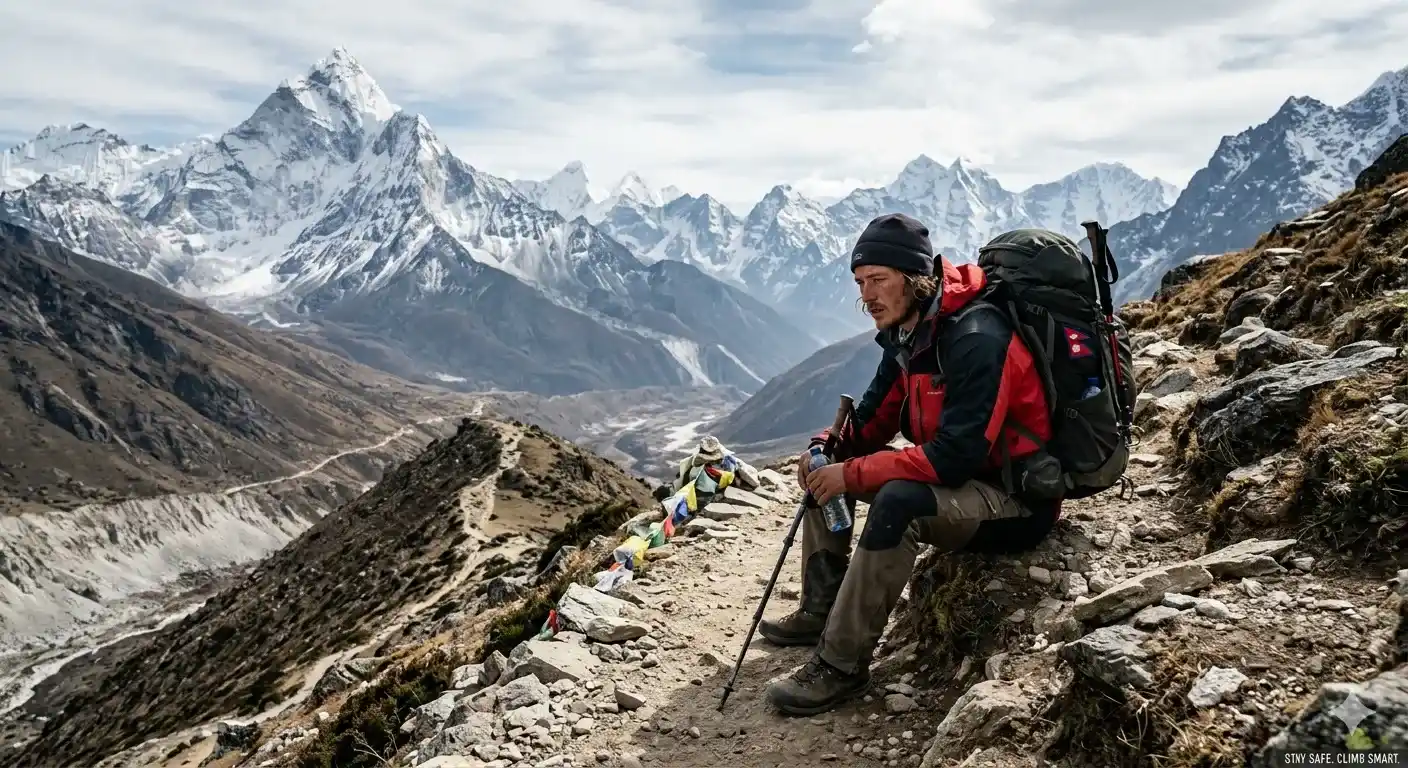
Acute Mountain Sickness
Why Acute Mountain Sickness is Common in Nepal
Nepal is home to some of the highest trekking routes in the world, making Acute Mountain Sickness a common concern for travelers. Popular treks like Everest Base Camp and Annapurna Circuit take you well above 4,000 meters, where oxygen levels are significantly lower than at sea level.
One of the main reasons AMS is so common in Nepal is rapid ascent. Many trekkers follow tight itineraries and gain altitude too quickly without allowing their bodies enough time to adjust. Acclimatization is crucial, but it is often overlooked, especially by first-time trekkers.
Another factor is the unpredictable nature of trekking conditions. Weather changes, physical exertion, and dehydration can all contribute to the onset of Acute Mountain Sickness. Even experienced trekkers are not immune, as AMS can affect anyone regardless of fitness level.
The remoteness of trekking regions also plays a role. Limited access to medical facilities means that early detection and self-awareness are essential. In severe cases, evacuation may be required, which can be both expensive and logistically challenging.
Understanding why Acute Mountain Sickness is common in Nepal helps trekkers prepare better. By recognizing the risks and planning accordingly, you can significantly reduce your chances of experiencing serious altitude-related issues.
Symptoms of Acute Mountain Sickness
Recognizing the symptoms of Acute Mountain Sickness early can make a huge difference in preventing serious complications. Symptoms usually begin within 6 to 24 hours after reaching a higher altitude and can vary from mild to severe.
The most common early symptom is a persistent headache. This is often accompanied by dizziness, fatigue, and a general feeling of weakness. Many trekkers also experience nausea, loss of appetite, and difficulty sleeping. These symptoms may seem mild at first, but they should never be ignored.
As Acute Mountain Sickness progresses, symptoms can become more severe. You may experience shortness of breath even while resting, confusion, and a lack of coordination. These are warning signs that the condition is worsening and requires immediate attention.
In extreme cases, AMS can develop into more serious conditions. High Altitude Pulmonary Edema (HAPE) involves fluid buildup in the lungs, causing severe breathing difficulties. High Altitude Cerebral Edema (HACE) affects the brain and can lead to disorientation, unconsciousness, and even death if untreated.
It’s important to listen to your body and not push through symptoms. Many trekkers make the mistake of continuing their ascent despite feeling unwell. Early recognition and proper response are key to staying safe at high altitudes.
Causes and Risk Factors of Acute Mountain Sickness
Acute Mountain Sickness is primarily caused by a lack of oxygen at high altitudes. As you ascend, the air pressure decreases, which means there is less oxygen available for your body. If your body cannot adapt quickly enough, AMS can develop.
One of the biggest risk factors is ascending too quickly. Rapid altitude gain does not give your body enough time to acclimatize. This is why gradual ascent and rest days are strongly recommended during treks in Nepal.
Dehydration is another common cause. Trekking at high altitudes increases fluid loss through breathing and sweating. If you don’t drink enough water, your risk of developing AMS increases significantly.
Physical exertion also plays a role. Overexerting yourself, especially in the early days of your trek, can make it harder for your body to adjust to altitude changes. It’s important to pace yourself and avoid pushing too hard.
Other risk factors include alcohol consumption, smoking, and pre-existing health conditions. While fitness can help with endurance, it does not prevent AMS. Even highly fit individuals can be affected.
Understanding these causes and risk factors allows you to take preventive measures and reduce your chances of experiencing Acute Mountain Sickness during your trek.
How to Prevent Acute Mountain Sickness
Preventing Acute Mountain Sickness is far easier than treating it, and with the right approach, most cases can be avoided. The most important rule is to ascend slowly. A general guideline is not to increase your sleeping altitude by more than 300–500 meters per day once you are above 3,000 meters.
Acclimatization days are essential. These are rest days where you stay at the same altitude or do short hikes to higher elevations before returning to sleep lower. This helps your body adjust more effectively.
Staying hydrated is another key factor. Drink plenty of water throughout the day, even if you don’t feel thirsty. Proper hydration helps your body function better at high altitudes.
Eating a balanced diet rich in carbohydrates can also help. Your body needs more energy at higher elevations, and proper nutrition supports acclimatization.
Avoid alcohol and smoking during your trek, as they can worsen symptoms and slow down your body’s ability to adapt. Getting enough rest and sleep is equally important.
By following these preventive measures, you can significantly reduce your risk of Acute Mountain Sickness and enjoy a safer trekking experience in Nepal.
Treatment Options for Acute Mountain Sickness
If you begin to experience symptoms of Acute Mountain Sickness, it’s important to act quickly. The first and most effective treatment is to stop ascending. Continuing to climb will only make the condition worse.
In mild cases, resting at the same altitude and staying hydrated may be enough for symptoms to improve. Over-the-counter pain relievers can help with headaches, but they should not be used to mask symptoms while continuing to ascend.
If symptoms persist or worsen, descending to a lower altitude is the best course of action. Even a descent of 500–1,000 meters can make a significant difference.
Medications like Acetazolamide can help speed up acclimatization and reduce symptoms. However, these should be used under medical guidance.
In severe cases, oxygen therapy or evacuation may be required. Helicopter rescue is often the fastest way to reach medical facilities in Nepal’s remote regions.
Prompt action is critical when dealing with Acute Mountain Sickness. Ignoring symptoms can lead to serious complications, so always prioritize your health over reaching your destination.
Traditional Nepali Remedies for Altitude Sickness
In addition to modern treatments, many trekkers in Nepal explore traditional remedies to help manage symptoms of Acute Mountain Sickness. While these remedies should not replace medical treatment, they can provide additional support.
One popular remedy is garlic soup, which is widely available in teahouses along trekking routes. Locals believe that garlic helps improve blood circulation and oxygen delivery in the body.
Ginger tea is another common option. It can help with nausea and digestion, making it a useful remedy for mild AMS symptoms. Herbal teas made from local plants are also commonly used to promote relaxation and hydration.
Rest and gradual acclimatization remain the most important factors, but these traditional remedies can complement your overall strategy. Many trekkers find comfort in these local practices, which have been used for generations in the Himalayas.
Best Treks in Nepal and AMS Risk Levels
Different trekking routes in Nepal have varying levels of risk when it comes to Acute Mountain Sickness. Understanding these risks can help you choose a trek that matches your experience and preparedness.
The Everest Base Camp trek is one of the most popular but also carries a higher risk due to its altitude, reaching over 5,300 meters. Proper acclimatization is essential on this route.
The Annapurna Circuit also reaches high altitudes, particularly at
(5,416 meters). However, its gradual ascent makes it slightly more manageable.
Lower-altitude treks like Ghorepani Poon Hill have a much lower risk of AMS, making them ideal for beginners.
Choosing the right trek and preparing accordingly can significantly reduce your risk of altitude-related issues.
FAQs About Acute Mountain Sickness
1. What is Acute Mountain Sickness and why does it happen?
Acute Mountain Sickness (AMS) occurs when your body struggles to adapt to lower oxygen levels at high altitudes. As you climb higher, air pressure decreases, meaning less oxygen is available for your body to function properly. This lack of oxygen affects your brain and body, leading to symptoms like headaches, nausea, and fatigue. AMS is especially common in high-altitude destinations like Nepal because many trekking routes quickly exceed 3,000 meters.
2. At what altitude does Acute Mountain Sickness usually start?
AMS typically begins to affect people at elevations above 2,500 to 3,000 meters. However, symptoms can vary depending on how quickly you ascend and how well your body acclimatizes. In Nepal, many treks such as Everest Base Camp and Annapurna Circuit go well beyond this range, making proper acclimatization essential.
3. Can physically fit people get Acute Mountain Sickness?
Yes, fitness does not protect you from AMS. Even highly trained athletes can experience symptoms if they ascend too quickly. AMS is more about how your body adapts to altitude rather than your physical strength or endurance. This is why even experienced trekkers must follow proper acclimatization guidelines.
4. How can I tell if my symptoms are serious?
Mild symptoms include headache, fatigue, dizziness, and nausea. However, if you experience severe symptoms like difficulty breathing at rest, confusion, inability to walk properly, or persistent coughing, it could indicate more serious conditions like High Altitude Pulmonary Edema (HAPE) or High Altitude Cerebral Edema (HACE). These require immediate descent and medical attention.
5. How can I prevent Acute Mountain Sickness while trekking in Nepal?
The best way to prevent AMS is to ascend slowly and allow your body time to acclimatize. Take rest days, stay hydrated, eat well, and avoid alcohol. A common rule is “climb high, sleep low,” which helps your body adapt more effectively. Proper planning is key to avoiding altitude-related problems.
6. What should I do if I start feeling symptoms of AMS?
If you notice symptoms, stop ascending immediately. Rest at the same altitude and monitor your condition. If symptoms improve, you can continue slowly. If they worsen, descend to a lower altitude as soon as possible. Ignoring symptoms can lead to serious complications.
7. Can Acute Mountain Sickness be treated with medication?
Yes, medications like Acetazolamide can help your body acclimatize faster and reduce symptoms. However, medication should not replace proper acclimatization. Always consult a doctor before using any medication for altitude sickness.
8. How long does it take to recover from AMS?
Mild AMS usually improves within 24 to 48 hours with rest and proper care. However, recovery time can vary depending on the severity of symptoms and how quickly you take action. Descending to a lower altitude often speeds up recovery significantly.
9. Is it safe to continue trekking after experiencing AMS?
It depends on the severity of your symptoms. If symptoms are mild and improve with rest, you may continue trekking slowly. However, if symptoms persist or worsen, you should not continue ascending. Safety should always come before reaching your destination.
10. Do I need travel insurance for altitude sickness in Nepal?
Yes, having travel insurance that covers high-altitude trekking and emergency evacuation is highly recommended. In severe cases, helicopter rescue may be required, which can be very expensive without insurance.
Acute Mountain Sickness is one of the most important challenges to understand when trekking in Nepal. While the Himalayas offer some of the most breathtaking landscapes in the world, they also demand respect and preparation. AMS is not something to fear, but it is something you must take seriously.
The key to staying safe lies in preparation and awareness. Ascending slowly, allowing proper acclimatization, staying hydrated, and listening to your body are the most effective ways to prevent AMS. Many trekkers make the mistake of pushing too hard to reach their destination, but the mountains will always be there—your health should always come first.
It’s also important to remember that AMS can affect anyone, regardless of fitness or experience. Being informed and cautious is far more valuable than being physically strong. Recognizing symptoms early and taking immediate action can prevent serious complications and ensure a safe trekking experience.
Trekking in Nepal is a truly life-changing journey, and with the right knowledge, you can enjoy it safely and confidently. By understanding Acute Mountain Sickness and preparing accordingly, you’re not just protecting your health—you’re setting yourself up for a successful and unforgettable adventure in the Himalayas.
