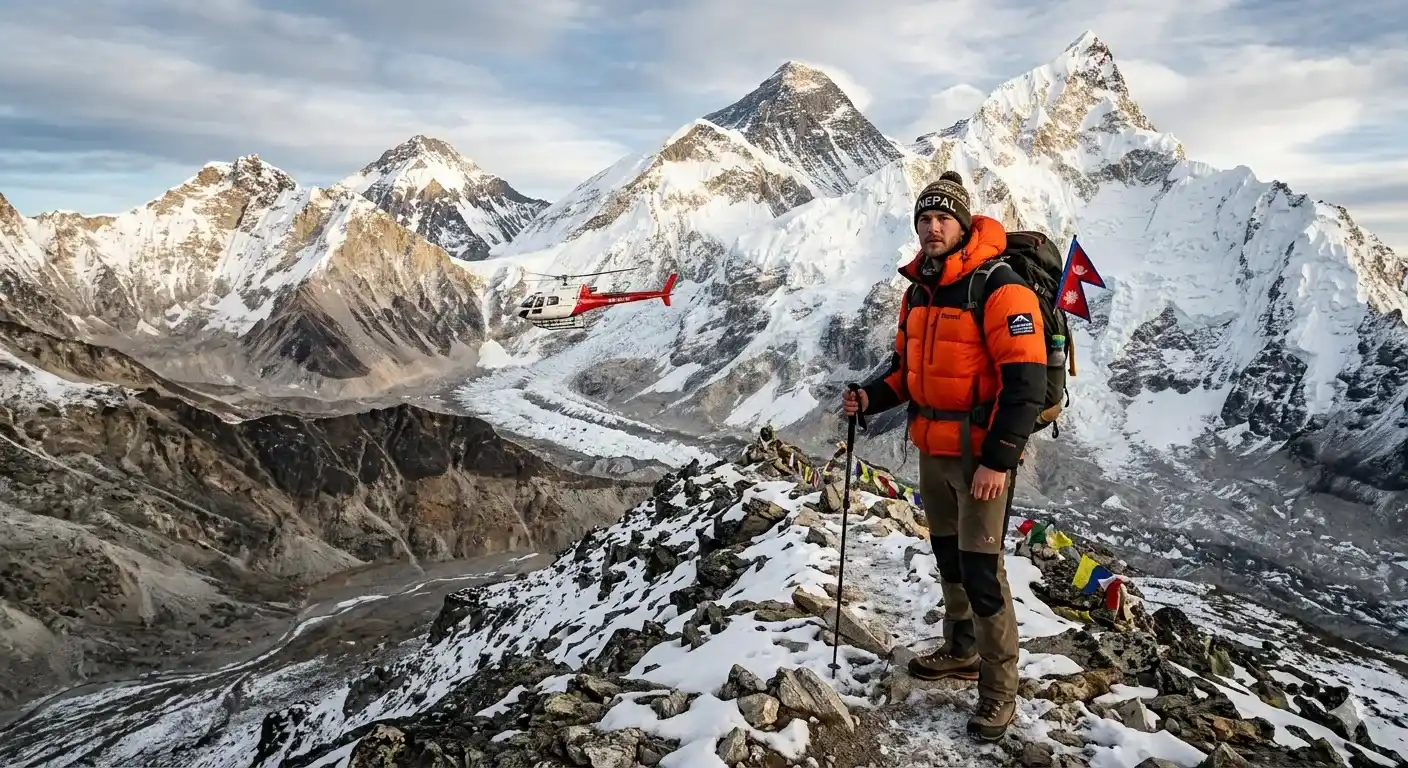
Trekking in Nepal is a once-in-a-lifetime adventure, offering breathtaking views of the Himalayas, diverse cultures, and iconic routes like Everest Base Camp and Annapurna Circuit. However, this adventure also comes with real risks. From sudden altitude sickness to unpredictable weather and remote trail conditions, trekking in Nepal is not like a typical vacation. This is exactly why choosing the best travel insurance for Nepal trekking is one of the most important decisions you can make before your trip.
Many trekkers underestimate the cost of emergencies in Nepal. A single helicopter evacuation from a high-altitude region can cost anywhere between $3,000 and $10,000. Without proper insurance, this expense comes directly out of your pocket. In remote regions, medical facilities are limited, and evacuation is often the only option in serious situations.
In addition to medical emergencies, there are other risks to consider. Flights to Lukla are frequently delayed or canceled due to weather, trekking gear can be lost or stolen, and unexpected injuries can disrupt your entire itinerary. Having reliable insurance ensures that you are financially protected in these situations.
This guide will help you understand everything you need to know about international travel insurance for Nepal trekking, compare the best providers, and find the cheapest travel insurance for Nepal trekking without compromising safety. By the end, you’ll know exactly how to choose the right policy for your adventure.
Do You Really Need Travel Insurance for Trekking in Nepal?
If you’re planning a trek in Nepal, the short answer is yes you absolutely need travel insurance. While it may not always be legally required, most trekking agencies strongly recommend it, and in many cases, they won’t allow you to join a guided trek without proof of coverage. This is especially true for popular routes like Everest Base Camp and Annapurna Circuit.
Trekking in Nepal involves unique challenges. High-altitude trekking increases the risk of Acute Mountain Sickness (AMS), which can escalate quickly if not treated properly. Even experienced trekkers can be affected. In severe cases, immediate evacuation is required, and this is where the best travel insurance for Nepal trekking becomes critical.
Another major factor is the remoteness of trekking regions. Unlike urban destinations, there are limited hospitals or medical facilities along trekking routes. If something goes wrong, helicopter rescue is often the only option. Without insurance, this can be financially devastating.
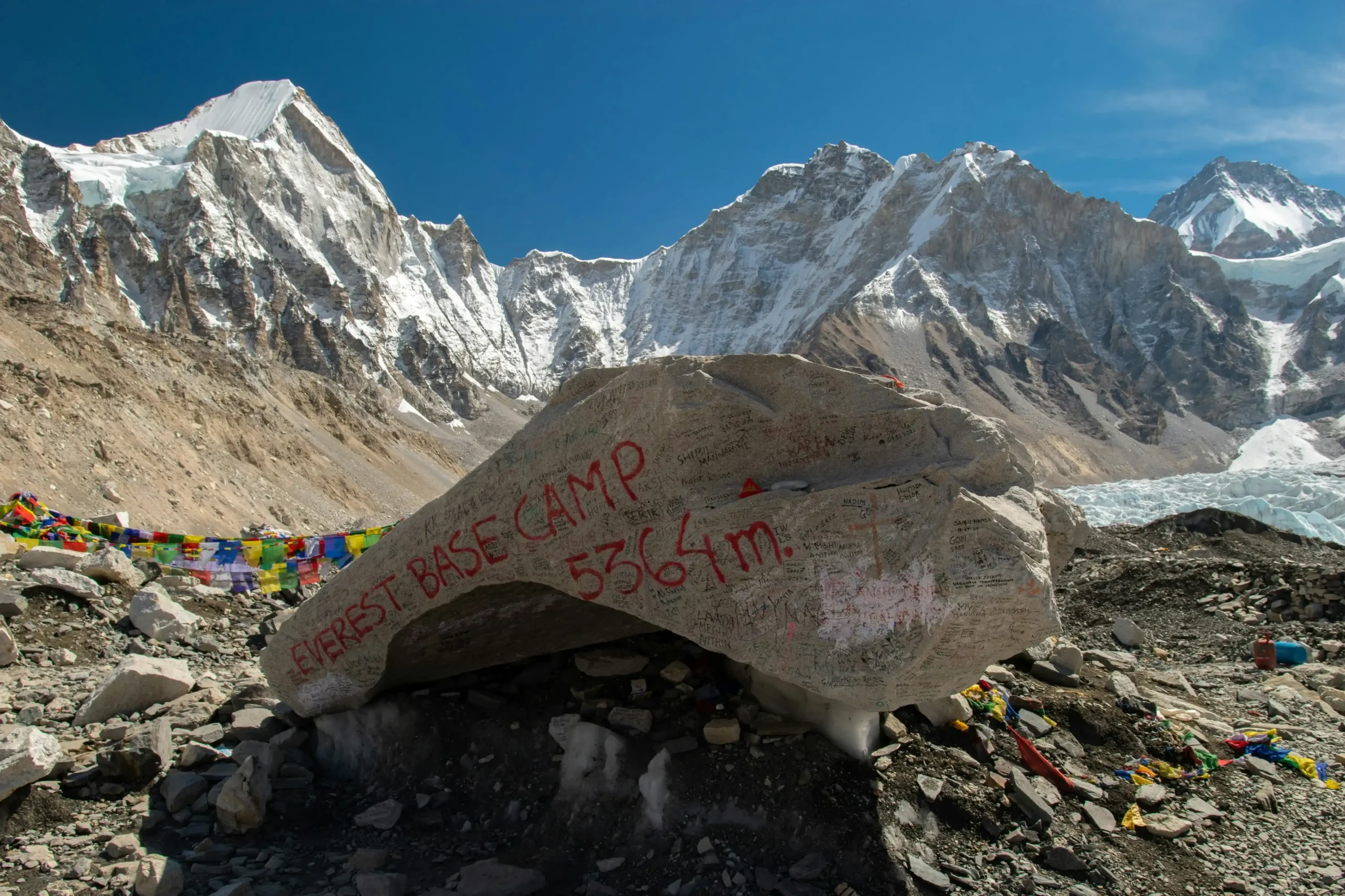
Photo by Rajan Dahal on Unsplash
Travel disruptions are also common. Flights to Lukla, one of the gateways to Everest trekking, are frequently delayed or canceled due to weather conditions. Insurance can help cover these unexpected costs, including accommodation and rescheduling.
While some travelers try to save money by skipping insurance, this is a risky decision. The cheapest travel insurance for Nepal trekking is still far more affordable than paying for emergencies out of pocket. Ultimately, insurance is not just an optional add-on it’s an essential safety net for your journey.
What Should Nepal Trekking Insurance Cover?
Not all travel insurance policies are created equal, especially when it comes to trekking in Nepal. To truly qualify as the best travel insurance for Nepal trekking, a policy must include several key features tailored specifically for high-altitude adventures.
First and most importantly, your insurance must cover high-altitude trekking. Many standard policies only cover activities up to 2,000 or 3,000 meters, which is not sufficient for Nepal treks that often exceed 5,000 meters. Always check that your policy explicitly includes trekking at your planned altitude.
Emergency helicopter evacuation is another critical component. In remote areas like Everest or Annapurna, helicopters are often the only way to reach advanced medical care. A good policy should cover evacuation costs fully, without hidden limits.
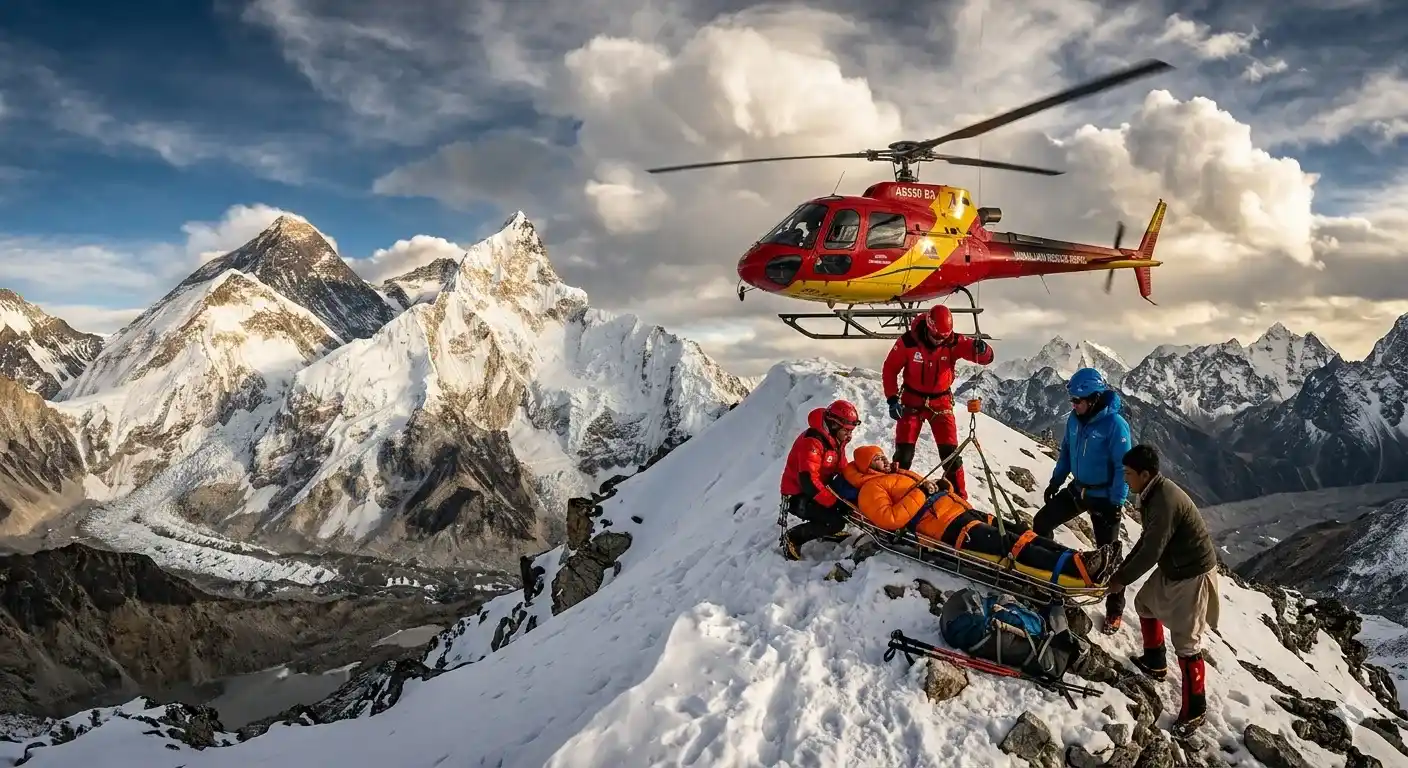
helicopter rescue in the Himalayas Nepal
Medical coverage is equally important. This includes hospital stays, doctor visits, medication, and emergency treatment in Kathmandu or other cities. Make sure the coverage amount is high enough to handle serious situations.
Trip interruption and cancellation coverage can also save you money. Weather-related delays, especially for mountain flights, are common in Nepal. Insurance can reimburse you for extra accommodation and rescheduling costs.
Finally, don’t overlook coverage for lost or stolen gear. Trekking equipment can be expensive, and losing it can disrupt your trip.
When comparing policies, always read the fine print. The best travel insurance for Nepal trekking is not just about price—it’s about comprehensive protection.
Best Travel Insurance for Nepal Trekking (Top Picks 2026)
Choosing the right provider can be overwhelming, but a few companies consistently stand out when it comes to the best travel insurance for Nepal trekking.
World Nomads is often considered the top choice for adventure travelers. It offers excellent coverage for high-altitude trekking, emergency evacuation, and a wide range of activities. It’s flexible and allows you to extend your policy while traveling.
SafetyWing is a popular option for budget-conscious travelers and digital nomads. While it is more affordable, it still provides solid medical coverage and basic evacuation benefits, making it a good option for those seeking the cheapest travel insurance for Nepal trekking.
True Traveller is especially popular among European travelers. It provides strong coverage for trekking activities and offers customizable plans based on altitude and activities.
IMG Global is another reliable provider offering competitive pricing and decent coverage. It’s often chosen by travelers looking for affordable yet comprehensive international travel insurance for Nepal trekking.
Here’s a quick comparison:
| Provider | Altitude Coverage | Evacuation | Price Range | Best For |
|---|---|---|---|---|
| World Nomads | Up to 6,000m+ | Yes | $$ | Overall best |
| SafetyWing | Limited | Yes | $ | Budget travelers |
| True Traveller | Custom | Yes | $$ | Europeans |
| IMG Global | Moderate | Yes | $ | Cheap plans |
Each of these providers has its strengths, so your choice will depend on your budget and trekking plans.
Cheapest Travel Insurance for Nepal Trekking
If you’re traveling on a tight budget, finding the cheapest travel insurance for Nepal trekking is likely one of your top priorities. However, it’s important to understand that “cheap” doesn’t always mean “good.” The goal is to find affordable coverage that still protects you in critical situations.
Providers like SafetyWing and IMG Global are often considered the most budget-friendly options. They offer basic medical coverage and some level of emergency evacuation, making them suitable for shorter or lower-altitude treks. However, these plans may have limitations, especially when it comes to high-altitude trekking or specialized rescue services.
One way to reduce costs is by customizing your policy. For example, you can choose a shorter coverage period or exclude non-essential add-ons. Another strategy is to compare multiple providers before making a decision. Prices can vary significantly depending on your age, trip duration, and coverage level.
It’s also worth noting that the cheapest travel insurance for Nepal trekking may not include all necessary features. Some policies have lower evacuation limits or exclude certain trekking routes. Always read the policy details carefully to avoid unpleasant surprises later.
While saving money is important, safety should always come first. Even a slightly more expensive plan can provide significantly better coverage and peace of mind. Remember, the best travel insurance for Nepal trekking is the one that protects you when you need it most—not just the one with the lowest price.
International Travel Insurance for Nepal Trekking: What You Need to Know
For international travelers, choosing the right policy involves additional considerations. International travel insurance for Nepal trekking must meet specific requirements to ensure you’re fully covered during your trip.
One of the most important aspects is medical evacuation and repatriation. If you need to be transported back to your home country for treatment, these costs can be extremely high. A good international policy should cover both evacuation within Nepal and repatriation if necessary.
Different countries also have different insurance standards. For example, travelers from the United States often prefer policies with higher medical coverage limits, while European travelers may look for plans that integrate with existing health systems. Australians and Canadians typically prioritize evacuation coverage due to the remote nature of trekking regions.
Another key factor is worldwide coverage. Your policy should remain valid throughout your entire journey, including any stopovers or additional destinations. Flexibility is also important, especially if your travel plans change.
Many international providers offer policies specifically designed for adventure travel. These plans include coverage for trekking, mountaineering, and other outdoor activities. When selecting a policy, always confirm that your specific trek and altitude are covered.
Ultimately, international travel insurance for Nepal trekking is about ensuring that you’re protected no matter where you’re from. It provides the security and confidence you need to fully enjoy your Himalayan adventure.
How Much Does Trekking Insurance for Nepal Cost?
The cost of trekking insurance in Nepal can vary widely depending on several factors, but most travelers can expect to pay between $40 and $150 for a two to three-week trip. Understanding what influences the price can help you find the best travel insurance for Nepal trekking within your budget.
Age is one of the biggest factors affecting cost. Older travelers typically pay higher premiums due to increased health risks. The duration of your trip also plays a significant role—longer trips require more coverage, which increases the price.
Altitude coverage is another key factor. Policies that cover trekking above 4,000 or 5,000 meters are usually more expensive, but they are essential for popular routes in Nepal. Choosing a plan without adequate altitude coverage may save money upfront but can be risky.
Here’s a general cost breakdown:
| Trip Duration | Budget Plan | Mid-Range Plan | Premium Plan |
|---|---|---|---|
| 1 week | $30–$60 | $60–$100 | $100–$150 |
| 2–3 weeks | $40–$80 | $80–$120 | $120–$180 |
| 1 month | $60–$100 | $100–$150 | $150–$250 |
While it may be tempting to choose the cheapest travel insurance for Nepal trekking, it’s important to balance cost with coverage. A slightly higher premium can provide significantly better protection, especially in emergencies.
Common Mistakes to Avoid When Buying Trekking Insurance
Many trekkers make avoidable mistakes when purchasing insurance, which can lead to serious problems during their trip. One of the most common errors is not checking altitude limits. A policy might seem affordable, but if it doesn’t cover your trekking altitude, it’s essentially useless.
Another mistake is ignoring evacuation coverage. Some policies include medical expenses but have limited or no coverage for helicopter rescue. This can leave you facing massive out-of-pocket costs in an emergency.
Choosing the cheapest travel insurance for Nepal trekking without reading the fine print is another common issue. Low-cost policies often come with restrictions, exclusions, or lower coverage limits.
Failing to declare trekking as an activity is also a major mistake. Insurance providers may deny claims if they believe you participated in activities that were not disclosed in your policy.
Lastly, many travelers wait until the last minute to purchase insurance. This can limit your options and may exclude coverage for certain events.
Avoiding these mistakes will help you find the best travel insurance for Nepal trekking and ensure that you’re fully protected throughout your journey.
How to Choose the Best Travel Insurance for Nepal Trekking
Choosing the right policy doesn’t have to be complicated if you follow a clear process. Start by identifying your trekking route and maximum altitude. This will help you filter out policies that don’t meet your needs.
Next, compare multiple providers based on coverage, price, and customer reviews. Look for policies that include high-altitude trekking, emergency evacuation, and comprehensive medical coverage.
Budget is also an important factor, but it shouldn’t be the only consideration. The cheapest travel insurance for Nepal trekking may not provide adequate protection, so it’s important to strike a balance between cost and coverage.
Check the claim process and customer support options. A reliable provider should offer 24/7 assistance and a straightforward claims process.
Finally, read the policy details carefully. Make sure you understand what is covered and what is excluded. This will help you avoid surprises later.
By following these steps, you can confidently choose the best travel insurance for Nepal trekking and enjoy your adventure with peace of mind.
Real Scenario: What Happens Without Insurance in Nepal?
Imagine you’re trekking in the Everest region and start experiencing symptoms of altitude sickness. At first, it seems manageable, but your condition quickly worsens. Your guide decides that you need immediate evacuation.
A helicopter is called, and within hours, you’re transported to a hospital in Kathmandu. The treatment is successful, but the bill is staggering—$6,000 for the evacuation and additional costs for medical care.
Without insurance, you would be responsible for the entire amount. This is a situation that many trekkers face every year. Having the best travel insurance for Nepal trekking can make all the difference in such scenarios.
Insurance not only covers the financial costs but also ensures that you receive timely medical care. It provides peace of mind, allowing you to focus on your adventure rather than worrying about potential risks.
FAQs About Travel Insurance for Nepal Trekking
Is travel insurance mandatory for Nepal trekking?
While not always legally required, most trekking agencies strongly recommend it, and some require proof of insurance.
What is the best travel insurance for Everest Base Camp?
Providers like World Nomads and True Traveller are popular due to their high-altitude coverage and evacuation benefits.
Does travel insurance cover helicopter rescue in Nepal?
Yes, but only if your policy includes emergency evacuation coverage. Always check the limits.
What is the cheapest travel insurance for Nepal trekking?
SafetyWing and IMG Global are among the most affordable options, but coverage may be limited.
Can I buy travel insurance after arriving in Nepal?
Some providers allow it, but it’s always better to purchase insurance before your trip begins.
Trekking in Nepal is an unforgettable experience, but it comes with risks that shouldn’t be ignored. Choosing the best travel insurance for Nepal trekking is one of the most important steps in planning your trip.
While it may be tempting to go for the cheapest travel insurance for Nepal trekking, it’s crucial to ensure that your policy provides comprehensive coverage, including high-altitude trekking and emergency evacuation.
Investing in the right insurance not only protects you financially but also gives you the confidence to fully enjoy your adventure. Whether you’re trekking to Everest Base Camp or exploring the Annapurna region, the right policy will ensure that you’re prepared for whatever comes your way.
