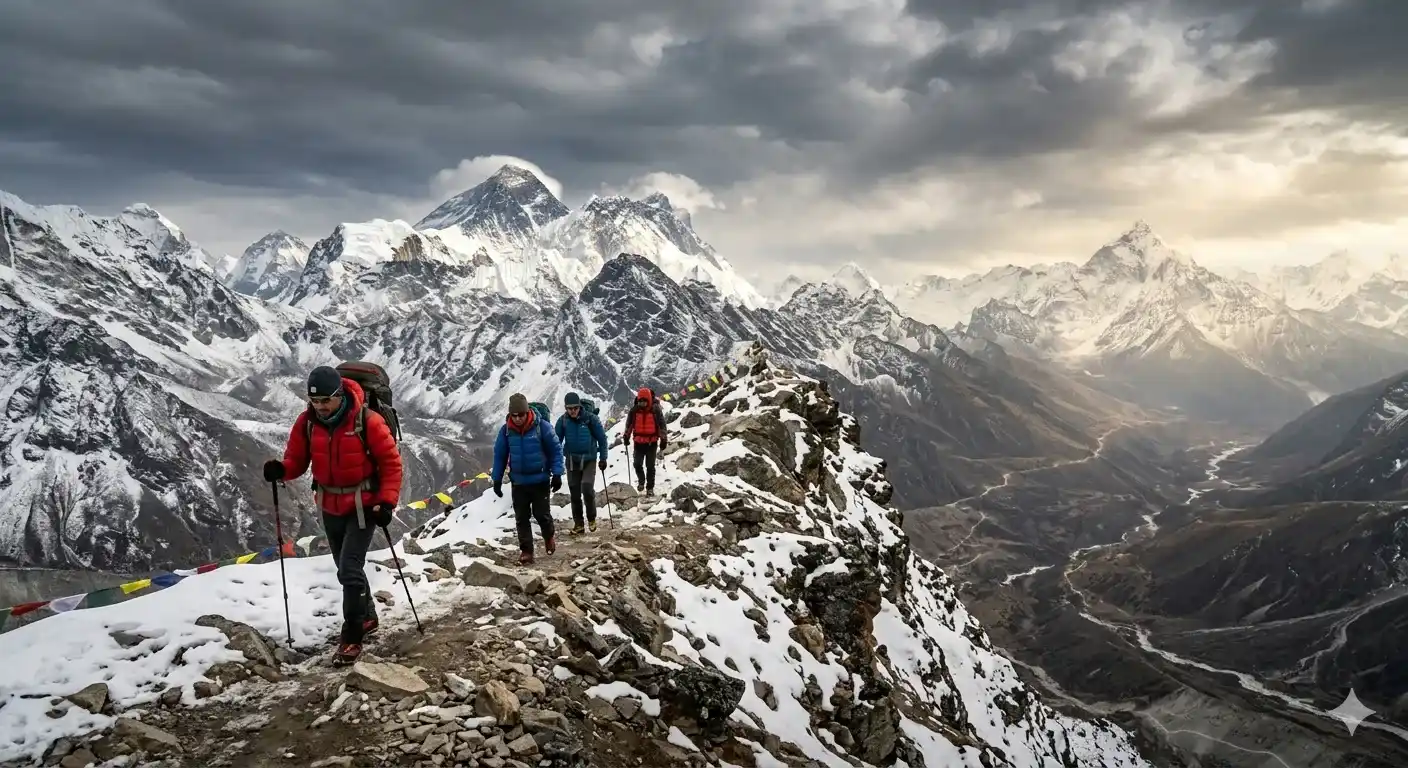
For adventure lovers, trekking is not just about walking through scenic landscapes it’s about pushing limits, exploring remote regions, and experiencing the raw beauty of nature. Among all trekking experiences, the highest trekking routes in the world stand out as the most challenging and rewarding. These routes take you to extreme altitudes where the air is thin, the weather is unpredictable, and the landscapes are truly breathtaking.
High-altitude trekking is a unique experience because it tests both physical endurance and mental strength. Unlike lower-altitude hikes, these treks require proper acclimatization, preparation, and awareness of risks like altitude sickness. However, the reward is unmatched standing among the world’s tallest mountains, crossing high passes, and witnessing views that few people ever get to see.
Highest Trekking Routes in the World
Countries like Nepal, Peru, and India are home to some of the highest trekking routes in the world. These regions offer a mix of cultural experiences, diverse landscapes, and extreme altitudes that attract trekkers from around the globe.
In this guide, we’ll explore the highest trekking routes in the world, their altitude levels, difficulty, and what makes each one unique. Whether you’re planning your first high-altitude trek or looking for your next big adventure, this article will help you choose the right journey.
2. What Defines the Highest Trekking Routes in the World?
Not all treks are created equal, and what makes the highest trekking routes in the world truly special is their elevation. Typically, any trek that takes you above 4,000 meters is considered high altitude. However, the highest trekking routes in the world often exceed 5,000 meters and involve crossing mountain passes that push trekkers to their limits.
Altitude plays a major role in defining these treks. As you climb higher, oxygen levels decrease, making it harder for your body to function. This is why proper acclimatization is essential. Treks that include multiple high passes or extended time at high altitude are generally considered more challenging.
Another defining factor is remoteness. Many of the highest trekking routes in the world are located in isolated regions with limited access to infrastructure. This adds an element of adventure but also requires careful planning and preparation.
Terrain also plays a role. These routes often include steep ascents, rocky paths, glaciers, and unpredictable weather conditions. Trekkers must be physically prepared and equipped with the right gear to handle these challenges.
Finally, cultural and natural diversity make these treks unique. From Himalayan villages in Nepal to ancient trails in South America, each route offers a distinct experience beyond just altitude.
Understanding these factors helps you appreciate what makes the highest trekking routes in the world so extraordinary and prepares you for the challenges ahead.
3. Everest Base Camp Trek (5,364m)
The Everest Base Camp Trek is one of the most iconic high-altitude journeys and a must-mention among the highest trekking routes in the world. Located in the Khumbu region of Nepal, this trek takes you to the base of the world’s highest mountain, Mount Everest.
Reaching an altitude of 5,364 meters, this trek offers stunning views of Everest, Lhotse, and Ama Dablam. Along the way, trekkers pass through traditional Sherpa villages, Buddhist monasteries, and scenic valleys.
One of the highlights of this trek is the journey to Kala Patthar, which offers one of the best panoramic views of Everest. However, the trek is not without challenges. The high altitude, cold temperatures, and long trekking days require proper preparation.
Despite these challenges, the Everest Base Camp Trek remains one of the most accessible high-altitude treks, making it a popular choice for adventurers worldwide.
4. Annapurna Circuit (5,416m)
The Annapurna Circuit is another legendary trek and one of the highest trekking routes in the world. The highlight of this trek is crossing Thorong La Pass, which stands at 5,416 meters.
This trek is known for its incredible diversity. You’ll experience everything from lush green forests to arid high-altitude deserts. The cultural richness of the region adds to the overall experience.
The Annapurna Circuit is considered more gradual in terms of ascent, which helps with acclimatization. However, crossing Thorong La Pass can be physically demanding, especially in cold and windy conditions.
For many trekkers, this route offers the perfect balance between challenge and accessibility.
5. Huayhuash Circuit (5,000m+)
The Huayhuash Circuit in Peru is often regarded as one of the most beautiful treks in the world. It reaches altitudes above 5,000 meters and offers stunning views of snow-capped peaks and turquoise lakes.
This trek is less crowded compared to popular routes in Nepal, making it ideal for those seeking solitude. However, it is also more remote and requires careful planning.
The high altitude and rugged terrain make it a challenging trek, but the breathtaking scenery makes it worth the effort.
6. Markha Valley Trek (5,200m)
Located in the Ladakh region of India, the Markha Valley Trek is one of the highest trekking routes in the world. It offers a unique blend of high-altitude landscapes and cultural experiences.
Trekkers cross high passes and explore remote villages, monasteries, and valleys. The dry, desert-like terrain of Ladakh creates a completely different trekking experience compared to Nepal.
The altitude and isolation make this trek challenging, but it is highly rewarding for those seeking adventure.
7. Kilimanjaro Trek (5,895m)
Mount Kilimanjaro is the highest peak in Africa, and trekking to its summit is one of the most popular high-altitude adventures. Unlike other treks, Kilimanjaro does not require technical climbing skills.
Reaching 5,895 meters, it is one of the highest trekking routes in the world. The trek takes you through diverse ecosystems, from rainforests to alpine deserts.
Altitude is the biggest challenge here, and proper acclimatization is crucial for a successful summit.
8. Comparing the Highest Trekking Routes in the World
Here’s a quick comparison:
| Trek | Country | Max Altitude | Difficulty |
|---|---|---|---|
| Everest Base Camp | Nepal | 5,364m | Moderate |
| Annapurna Circuit | Nepal | 5,416m | Moderate |
| Huayhuash Circuit | Peru | 5,000m+ | Difficult |
| Markha Valley | India | 5,200m | Moderate |
| Kilimanjaro | Tanzania | 5,895m | Difficult |
Each of these routes offers a unique experience, but all of them are among the highest trekking routes in the world.
Tips for Trekking at High Altitude
Trekking at high altitude is an incredible experience, but it requires careful preparation and awareness to stay safe. The most important rule is to ascend gradually. Your body needs time to adjust to lower oxygen levels, so avoid gaining more than 300–500 meters in sleeping altitude per day once you are above 3,000 meters. Taking proper acclimatization days is essential, especially on routes like Everest Base Camp Trek and Annapurna Circuit.
Hydration is another key factor. At high altitude, your body loses fluids faster through breathing and physical exertion. Drink at least 3–4 liters of water daily to help your body function efficiently. Dehydration can worsen symptoms of altitude sickness, so maintaining fluid intake is crucial.
Pacing yourself is equally important. Many trekkers make the mistake of walking too fast, which can lead to exhaustion and increase the risk of altitude sickness. Walk at a steady, comfortable pace and take regular breaks.
Nutrition also plays a big role. Eating carbohydrate-rich meals provides the energy your body needs to adapt to altitude. Avoid alcohol and smoking, as they can interfere with acclimatization and worsen symptoms.
Listening to your body is perhaps the most important tip. If you experience symptoms like headache, dizziness, or nausea, do not ignore them. Rest and monitor your condition, and if symptoms worsen, descend immediately.
Finally, always trek with proper gear and consider hiring a guide or porter, especially if you are new to high-altitude trekking. Preparation, awareness, and patience are the keys to a safe and successful adventure.
The highest trekking routes in the world offer some of the most breathtaking and rewarding experiences for adventure enthusiasts. From the towering peaks of Nepal to the remote trails of South America and Africa, these treks take you to places that few people ever have the chance to explore. However, with great adventure comes great responsibility, especially when it comes to your safety and well-being.
High-altitude trekking is not just about physical strength it’s about preparation, patience, and understanding your limits. The challenges of thin air, unpredictable weather, and remote conditions make these journeys demanding, but they also make them incredibly fulfilling. Reaching high mountain passes, standing at the base of the world’s tallest peaks, and experiencing diverse cultures along the way create memories that last a lifetime.
It’s important to remember that success in high-altitude trekking is not defined by reaching the highest point but by completing the journey safely. Proper acclimatization, hydration, and awareness of altitude-related risks are essential for a positive experience. Ignoring these factors can turn an adventure into a dangerous situation.
Whether you choose the iconic Everest Base Camp Trek, the diverse Annapurna Circuit, or other global routes, preparation is the key to success. Each trek offers its own unique challenges and rewards, making every journey special.
In the end, the highest trekking routes in the world are not just about altitude they are about pushing boundaries, embracing nature, and discovering your own strength. With the right mindset and preparation, these adventures can become some of the most unforgettable experiences of your life.
FAQs About Highest Trekking Routes in the World
1. What is considered a high-altitude trek?
A trek is generally considered high altitude when it exceeds 3,000 meters. However, the highest trekking routes in the world often go beyond 5,000 meters, where oxygen levels are significantly lower and acclimatization becomes essential.
2. Which is the highest trekking route in the world?
One of the highest trekking experiences is summiting Mount Kilimanjaro at 5,895 meters. While it is technically a trek rather than a climb, it reaches extreme altitude and requires proper preparation.
3. Do I need experience to trek at high altitude?
Not always, but beginners should start with easier treks and gradually build experience. Popular routes like Everest Base Camp Trek are accessible to beginners with good preparation and fitness.
4. How do I prevent altitude sickness while trekking?
The best way to prevent altitude sickness is to ascend slowly, stay hydrated, eat well, and take acclimatization days. Listening to your body and avoiding overexertion are also crucial.
5. Is trekking at high altitude dangerous?
It can be if not properly managed. Risks include altitude sickness, extreme weather, and physical exhaustion. However, with proper planning and precautions, it can be done safely.
6. What is the best time to do high-altitude treks?
The best time depends on the location, but in Nepal, spring (March–May) and autumn (September–November) are considered ideal for trekking.
7. What gear is essential for high-altitude trekking?
Essential gear includes warm clothing, proper trekking boots, a sleeping bag, trekking poles, and a first aid kit. Layering is important to handle changing temperatures.
8. Do I need travel insurance for high-altitude trekking?
Yes, travel insurance that covers high-altitude trekking and emergency evacuation is highly recommended, especially for remote regions.
