Everyone says the same thing: don’t trek Nepal in monsoon.
They’re mostly right. From June to August, heavy rain hammers the country. Trails turn to mud. Leeches come out. Clouds hide the mountains. ABC and EBC become miserable.
But here’s what most guides never tell you.
Part of Nepal stays dry all monsoon long.
A huge region behind the Himalayas sits in a “rain shadow” the mountains block the monsoon clouds before they arrive. While Pokhara floods, Upper Mustang stays dusty and dry.
If you can only travel in June, July, or August, this guide shows you exactly where to go.
Quick Reference: Monsoon Trekking in Nepal
| Question | Answer |
|---|---|
| Can you trek Nepal in monsoon? | Yes — in rain-shadow regions |
| Best monsoon treks | Upper Mustang, Upper Dolpo, Humla Limi Valley |
| Regions to avoid | ABC, EBC, Langtang, Manaslu, everything else |
| Monsoon months | June to early September |
| Main risks | Flights delays, landslides on approach roads |
| Bonus | Almost zero other trekkers anywhere |
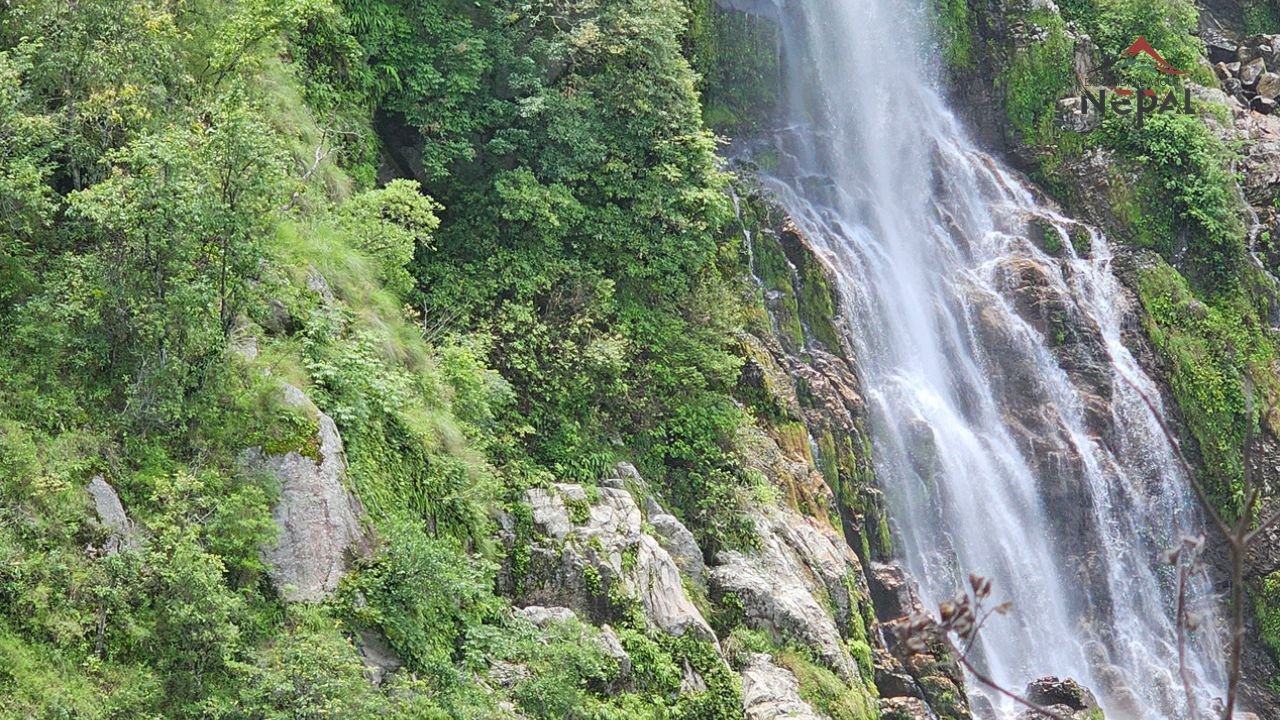
nepal monsoon trekking
What Is a Rain Shadow?
The idea is simple.
Monsoon clouds blow in from the south, from the Bay of Bengal, heavy with rain. They hit the massive wall of the Himalayas Annapurna, Dhaulagiri, and the other giants.
The mountains force the clouds upward. The clouds dump their rain on the southern slopes. That’s why Pokhara and the ABC trail get soaked.
But by the time the air crosses the mountain wall, the rain is gone.
Everything north of the main Himalayan range Mustang, Dolpo, and the far northwest sits in this dry zone. The rain shadow.
These regions look like Tibet, not tropical Nepal. High desert. Bare hills. Wind instead of rain. And in monsoon season, they’re at their best.
The Three Great Monsoon Treks
1. Upper Mustang — The Easiest Rain-Shadow Trek
Best for: Most trekkers wanting a monsoon option
Upper Mustang is the most accessible rain-shadow region. The walled city of Lo Manthang, the sky caves, the medieval monasteries all reachable in monsoon while the rest of Nepal is washed out.
Monsoon advantages here:
- The high desert is at its greenest (relatively speaking)
- The Tiji Festival aftermath and summer village life are in full swing
- Almost zero other tourists even fewer than Mustang’s already-low normal
The one catch: Getting there. The Pokhara–Jomsom flight can face delays, and the road can suffer landslides in heavy rain years on the lower approach. Build buffer days.
Duration: 10–14 days | Difficulty: Moderate | Permit: $50/day
Full details in our Mustang Nepal travel guide.
2. Upper Dolpo — The Wild Monsoon Expedition
Best for: Experienced trekkers wanting true wilderness
Upper Dolpo sits deep in the rain shadow. Shey Phoksundo Lake, the ancient Bon monasteries, Crystal Mountain the classic Dolpo season actually includes the monsoon months.
May to October is the standard Dolpo window. June, July, and August work fine here while they’re impossible everywhere else.
Monsoon advantages here:
- This IS the season passes are open, villages are inhabited
- The turquoise of Shey Phoksundo Lake against summer skies
- Snow leopard country at its most alive
The catch: Cost and difficulty. This is a camping expedition of 18–26 days with a $50/day permit.
Duration: 18–26 days | Difficulty: Challenging | Permit: $50/day
Full details in our Upper Dolpo trek guide.
3. Humla Limi Valley — The Remote Monsoon Secret
Best for: Trekkers seeking total solitude and Mount Kailash views
Nepal’s far northwest corner sits partly in the rain shadow too. The Limi Valley with its 1,000-year-old monastery at Halji and distant views of holy Mount Kailash can be trekked through summer.
Monsoon advantages here:
- The cheapest restricted permit of the three ($50/week, not per day)
- Genuine expedition remoteness
- The salt-route villages in their summer rhythm
The catch: Flights to Simikot are weather-dependent, and the lower approach sections get some rain. This is the least purely dry of the three.
Duration: 18–22 days | Difficulty: Challenging | Permit: $50/week + $10/day after
Full details in our Humla Limi Valley trek guide.
Comparing the Three Monsoon Options
| Factor | Upper Mustang | Upper Dolpo | Humla Limi |
|---|---|---|---|
| How dry in monsoon | Very dry | Very dry | Mostly dry |
| Difficulty | Moderate | Challenging | Challenging |
| Duration | 10–14 days | 18–26 days | 18–22 days |
| Permit cost | $50/day | $50/day | $50/week |
| Accommodation | Tea houses | Camping | Camping |
| Total cost | $1,800–$2,500 | $3,500–$6,000 | $3,000–$4,700 |
| Best for | First rain-shadow trek | Wilderness lovers | Solitude seekers |
Simple decision guide:
- Want the easiest option with tea houses? → Upper Mustang
- Want the ultimate wilderness expedition? → Upper Dolpo
- Want maximum remoteness at lower permit cost? → Humla
Where NOT to Trek in Monsoon
Be clear about this the rain shadow is the exception, not the rule.
Avoid these completely from June to early September:
- Annapurna Base Camp — the trail becomes a leech-filled mudslide
- Everest Base Camp — clouds hide everything, Lukla flights constantly cancelled
- Langtang Valley — serious landslide risk in the gorge sections
- Manaslu Circuit — the Budhi Gandaki gorge is landslide-prone
- Poon Hill, Mardi Himal, Khopra — rain, leeches, no views
The monsoon isn’t a little rain. It’s daily downpours, swollen rivers, and real landslide danger on steep terrain. The standard treks genuinely don’t work.
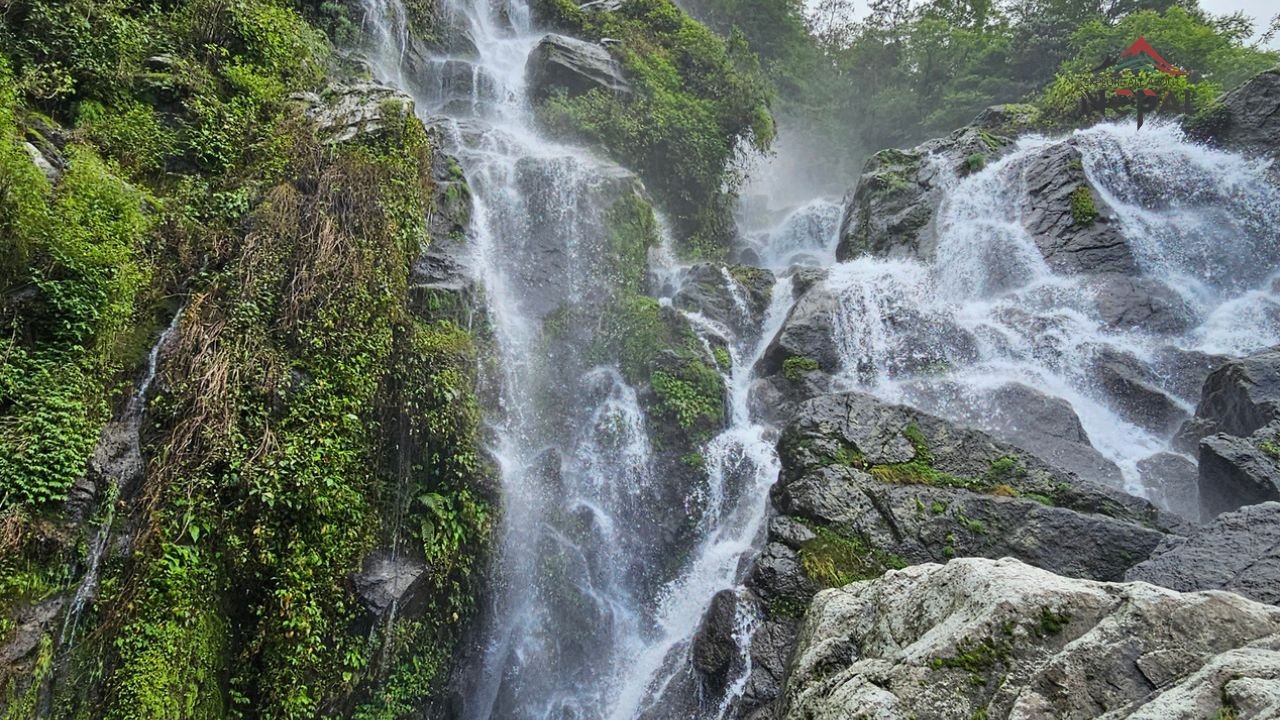
nepal monsoon trekking
The Honest Challenges of Monsoon Trekking
Even in the rain shadow, monsoon travel has friction. Know it before you book.
Getting there is the hard part.
The rain-shadow regions are dry but you have to cross the wet zone to reach them. Flights to Jomsom, Juphal, and Simikot face more delays in monsoon. Roads to trailheads can suffer landslides.
The fix: Build 2–3 buffer days into your itinerary at both ends. Fly rather than drive where possible.
Leeches on the approach.
Lower, wetter sections of some approaches (especially Humla’s early days) have leeches in monsoon.
The fix: Long trousers tucked into socks, salt or leech socks, and acceptance. They’re gross, not dangerous.
Insurance still matters more than ever.
Helicopter evacuation from these remote regions is expensive, and monsoon weather can delay rescues.
See our Nepal travel insurance guide make sure remote regions are covered.
The Monsoon Trekking Bonus Nobody Mentions
Here’s the upside beyond just “it’s possible.”
You get Nepal’s most exclusive regions at their emptiest.
Upper Mustang, Dolpo, and Humla are already the least-visited trekking areas in Nepal. In monsoon, visitor numbers drop even further. You may not see another foreign trekker for days.
The world’s most crowded mountain country, and you have its most extraordinary corners entirely to yourself.
For a certain kind of traveler, that alone is worth planning a June trip around.
Monsoon Trekking Packing Notes
Beyond standard trekking gear, add these for monsoon rain-shadow trips:
- Serious wind protection — the rain shadow trades rain for wind
- Dust protection — buff or mask for dusty Mustang trails
- Waterproofs anyway — for the approach journey through the wet zone
- Leech defense — if trekking Humla’s lower sections
- Extra buffer-day budget — for flight delays
Frequently Asked Questions
Can you trek in Nepal during monsoon season?
Yes in the rain-shadow regions north of the main Himalayan range. Upper Mustang, Upper Dolpo, and Humla Limi Valley all stay dry from June to August because the mountains block the monsoon clouds. Standard treks like ABC and EBC should be avoided completely.
What is a rain-shadow trek?
A trek in the dry zone behind the Himalayas. Monsoon clouds drop their rain on the mountains’ southern slopes, so regions north of the range Mustang, Dolpo, far-northwest Nepal receive very little rainfall even in peak monsoon.
Is Upper Mustang good in monsoon?
Yes it’s the best monsoon trek in Nepal. The high desert stays dry, the region is at its greenest, and tourist numbers hit their yearly low. The only challenge is potential flight delays reaching Jomsom through the wet zone.
Which months are monsoon in Nepal?
June to early September, with July and August the wettest. Rain typically falls in heavy afternoon and evening downpours across most of the country except the rain-shadow zones.
Is monsoon trekking in Nepal safe?
In rain-shadow regions, yes with proper planning. The main risks are travel delays reaching the regions (flights and roads through the wet zone) rather than conditions on the treks themselves. Avoid all standard southern-slope treks, where landslide risk is genuine.
Why do people say never trek Nepal in monsoon?
Because it’s true for 90% of routes. ABC, EBC, Langtang, and Manaslu genuinely don’t work in monsoon mud, leeches, landslides, and no mountain views. Most guides simply don’t know (or don’t mention) that the rain-shadow exceptions exist.
Which is the cheapest monsoon trek in Nepal?
Of the three main options, Humla has the cheapest permit ($50/week versus $50/day for Mustang and Dolpo). However, Upper Mustang has the lowest total cost because it uses tea houses instead of full camping expeditions.
Do I need special permits for monsoon treks?
The three rain-shadow regions are all restricted areas requiring special permits, a licensed guide, and a minimum group of two the same rules that apply year-round. See our Nepal trekking permits guide for every fee.
