
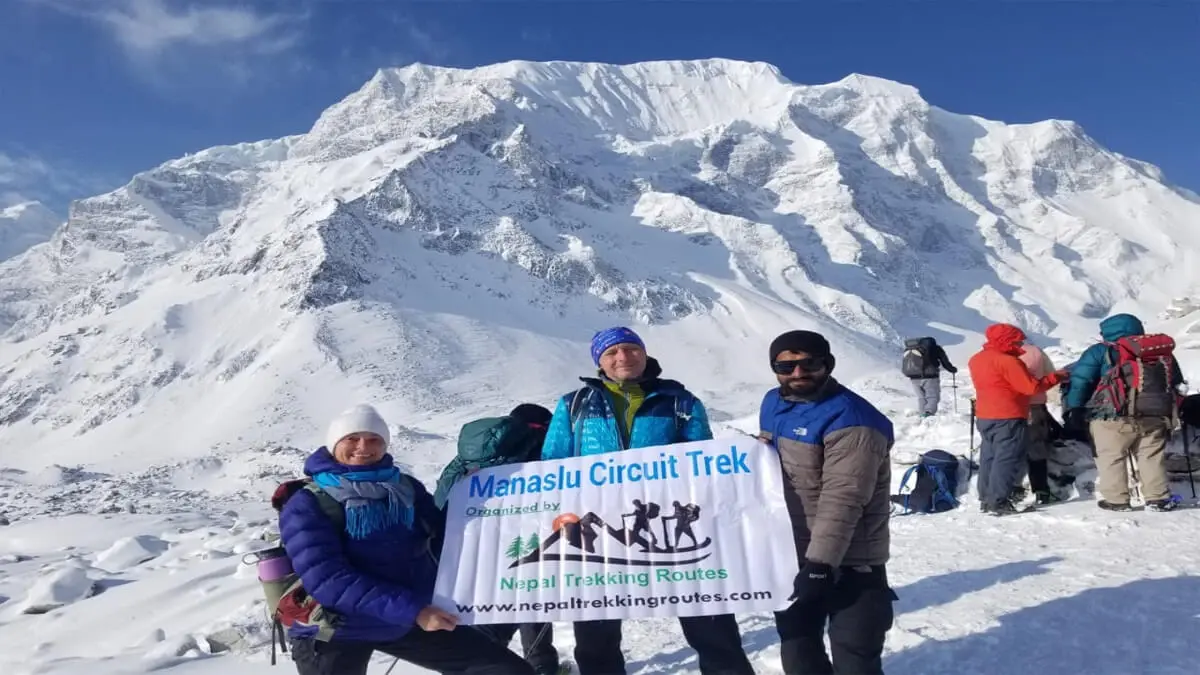
Planning a trek around Mount Manaslu requires more than just physical preparation; it also involves understanding the permits, costs, and best seasons for the journey. The Manaslu Circuit Trekking in Nepal is associate with restricted area, meaning trekkers need specific permits to enter and explore the region safely. At the same time, budgeting for accommodation, food, transportation, and guide services is essential to avoid surprises along the trail.
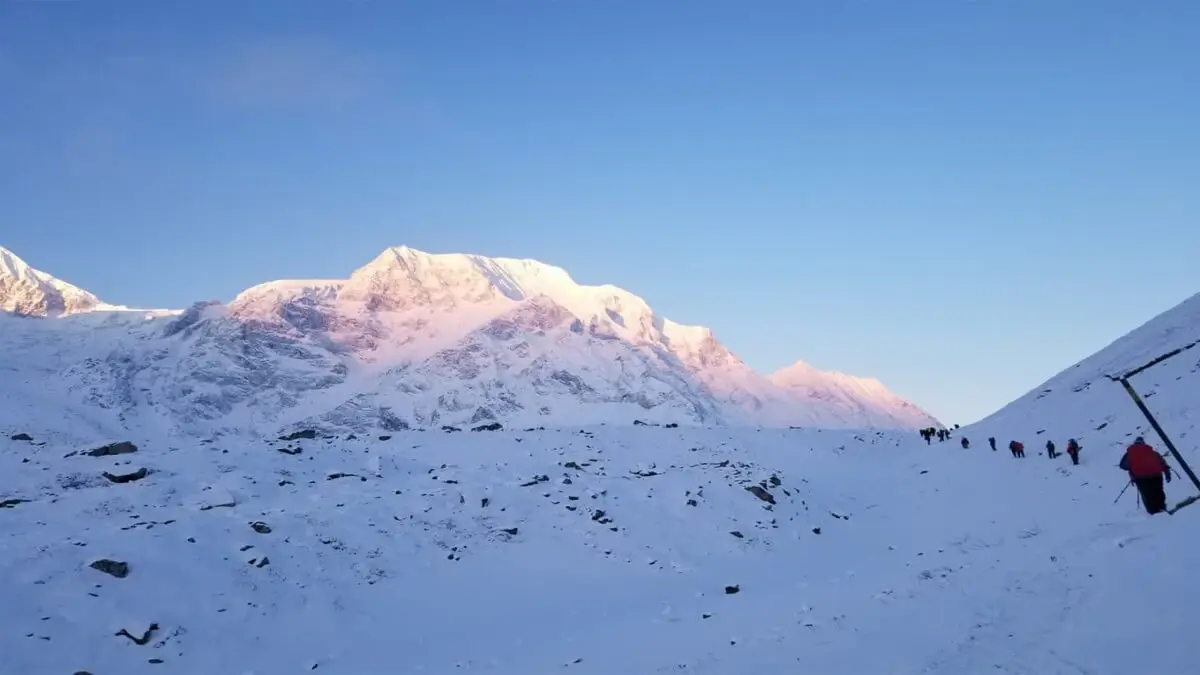
Manaslu Circuit Trek
Choosing the right time to trek is equally important, as weather conditions and trail accessibility vary throughout the year. This guide covers everything you need to know about permits, expenses, and the best trekking seasons for the Manaslu Circuit, helping you plan a safe, enjoyable, and unforgettable Himalayan adventure.
Trekking Permits for the Manaslu Circuit
Trekking in the Manaslu region requires several permits due to its status as a restricted area. Unlike popular trekking areas, entry is regulated to protect the local environment and culture. Because of these regulations, trekkers must arrange the necessary Manaslu Circuit Trek permits in advance, either individually or through a licensed trekking agency.
Manaslu Restricted Area Permit (RAC)
The Manaslu Restricted Area Permit is mandatory for all trekkers. It is issued by the Nepal Tourism Board and is generally valid for 12 days. The cost varies depending on nationality:
- SAARC nationals: Around NPR 2,000 per person
- Other foreign nationals: Around NPR 7,000 per person
The permit is issued at the Nepal Tourism Board office in Kathmandu, or trekking agencies can arrange it on your behalf. Trekkers are required to travel in a group of at least two or through a registered trekking company.
Annapurna Conservation Area Permit (ACAP)
Some sections of the Manaslu trek overlap with the Annapurna Conservation Area. Trekkers may also need an ACAP permit, especially if they plan to explore connecting trails. The ACAP permit costs around NPR 3,000 for foreign trekkers and provides access to conservation areas along the route.
TIMS Card (Trekkers’ Information Management System)
A TIMS card is required for most trekking regions in Nepal. It helps authorities track trekkers for safety purposes. The cost for a TIMS card is approximately NPR 2,000 for foreign nationals. Many trekking agencies arrange this along with other permits to simplify the process.
How Much Does the Manaslu Circuit Trekking Cost?
The overall Manaslu Circuit trekking cost varies depending on whether you travel independently or with a trekking agency, your style of accommodation and your personal spending habits.
Trekking with an Agency
Most first-time trekkers opt for a guided trek, which provides convenience and safety. The cost for a standard 14 to 18 day trek through a local trekking company like Nepal Trekking Routes typically ranges from USD 1200 to USD 2000 per person. This usually includes:
- Licensed Guide and porter services
- All trekking permits (RAC, ACAP, TIMS)
- Accommodation and meals on the trail
- Transportation from Kathmandu to the trek’s starting points
Independent Trekking Costs
Independent trekking is possible, but more challenging. Costs for permits, foods and accommodation are:
- Permits: NPR 7,000 – 10, 000 depending on nationality and required permits
- Accommodation: NPR 500 – 1,500 per night at teahouses
- Food: NPR 400 – 1,000 per day per person
Additional Costs
Other costs to consider include:
- Transportation: Jeep or bus from Kathmandu to Soti Khola, the typical starting point (USD 15 – 30 one way)
- Travel insurance: Highly recommended, especially for high-altitude trekking (USD 50 – 150 for trip duration)
- Gear and Equipment: Boots, trekking poles, jackets and sleeping bags (USD 200 – 500 if not already owned)
Best Seasons to Trek the Manaslu Circuit
Choosing the right time to trek is essential to enjoy the journey safely and comfortably. The weather in the Himalayas can change quickly and conditions on the trail can vary greatly depending on the season. Understanding the Best Time for Manaslu Circuit Trek helps trekkers plan their journey better and avoid extreme weather conditions.
Autumn (September – November)
Autumn is the most popular trekking season due to clear skies, stable weather and excellent mountain views. Temperatures are moderate during the day, making long walking hours more comfortable. The trails are also less slippery compared to the monsoon season, and teahouses along the route are fully operational to accommodate trekkers. This season is also one of the best times for photography, as the landscapes are vibrant, rivers are full, and villages are lively with local harvest activities.
Spring (March – May)
Spring is another excellent time for the Manaslu Circuit trek. During this season, the weather becomes warmer and more comfortable, especially in the lower regions of the trek. One of the highlights of trekking in spring is the blooming rhododendron forests, which paint the hillsides in shades of red, pink, and white, creating a colorful and scenic trekking environment.
Snow from winter usually begins to melt, making high passes like Larkya La Pass more accessible. The weather is generally stable, with clear mornings and mild temperatures during the day.
Winter (December – February)
Winter trekking is possible but it comes with extreme cold temperatures, snow and icy trials, especially above 4,000 meters. Temperature can drop significantly at night, sometimes falling well below freezing. It makes the trail more challenging, particularly around Larkya La Pass.
However, winter trekking has its advantages. The trails are much quieter, providing a more peaceful and solitary experience in the mountains. Only well-prepared trekkers with high-altitude experience should consider trekking during this season.
Monsoon (June – August)
The monsoon season brings heavy rainfall, slippery trails, and occasional landslides which makes the trek risky. Trails may become muddy, river crossings can be more challenging and visibility of the mountains is often limited due to clouds and rain.
Despite these challenges, the monsoon season transforms the region into lush green landscapes with vibrant vegetation and flowing waterfalls. The trails are much quieter since fewer trekkers visit during this time. However, due to safety concerns and unpredictable weather, the monsoon season is generally not recommended for beginners.
Conclusion
Planning the Manaslu Circuit Trek involves more than simply preparing for the trail, it also requires understanding the permits, budgeting the overall cost, and choosing the most suitable season for the journey. With proper preparation, trekkers can fully enjoy the region’s dramatic mountain scenery, remote villages, and rich Himalayan culture.
Since the area is regulated and conditions can vary by season, organizing the trek with an experienced company like Nepal Trekking Route can make the process easier by helping with permits, logistics, and planning, ensuring a safe and memorable adventure around Mount Manaslu.
