
Table of Contents
ToggleTravelers arriving in Nepal today often expect crowded roads filled with noisy motorcycles, diesel buses, and fuel-powered taxis climbing through the hills of the Himalayas. What many visitors do not expect, however, is the growing number of electric vehicles moving through the streets of Kathmandu, airport pickup zones, and highways connecting major tourist destinations.
Nepal is rapidly emerging as one of South Asia’s most fascinating electric vehicle success stories. In recent years, the country has seen remarkable EV adoption, with reports showing that electric vehicles now account for more than 70% of passenger vehicle imports in some categories. This dramatic shift is being driven by several unique factors: Nepal’s abundant hydropower electricity, rising fossil fuel prices, government incentives for EV imports, and the country’s difficult mountain terrain that surprisingly works well for electric mobility.
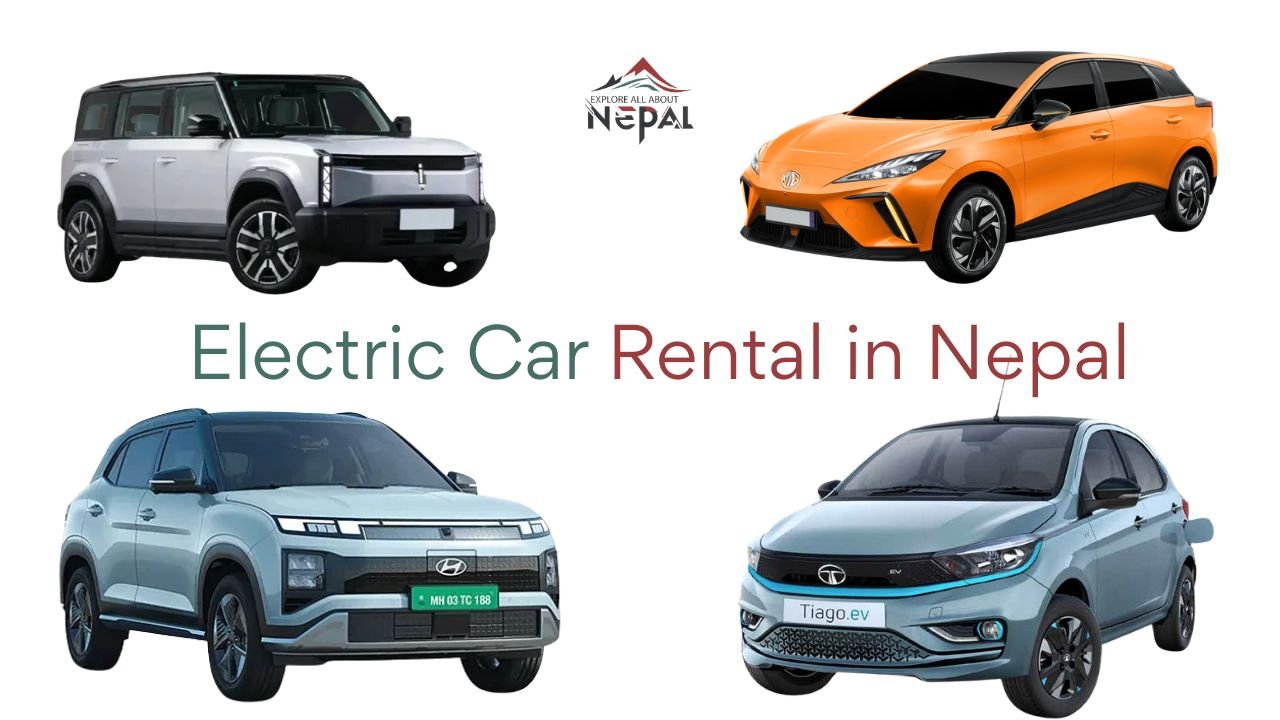
Electric Car Rental in Nepal
For travelers, this transformation is beginning to reshape tourism itself. Electric car rental in Nepal is no longer a niche concept reserved for technology enthusiasts. Today, visitors can increasingly explore Nepal using modern EVs that offer quieter rides, lower environmental impact, and a more sustainable way to experience the country’s landscapes and cities.
As global tourism continues shifting toward eco-conscious travel, Nepal’s EV revolution is arriving at exactly the right time. Travelers searching for cleaner transportation, reduced fuel costs, and modern mobility options are discovering that Nepal may become one of Asia’s most interesting emerging destinations for electric vehicle tourism.
Why Nepal Is Becoming One of South Asia’s Fastest-Growing EV Markets
Nepal’s rapid EV adoption has surprised many international observers. While larger economies in the region continue struggling to accelerate electric mobility, Nepal has quietly positioned itself as one of the fastest-growing EV markets in South Asia.
One of the biggest reasons behind this growth is electricity. Unlike many neighboring countries that rely heavily on coal or imported energy, Nepal produces much of its electricity through hydropower. This gives the country access to relatively affordable renewable energy, making EV charging far cheaper than fueling traditional petrol or diesel vehicles.
Fuel imports have long been expensive for Nepal because the country depends heavily on imported petroleum products. Rising global fuel prices have therefore encouraged both consumers and businesses to look for alternatives. Electric vehicles offer a practical long-term solution for reducing transportation costs.
Nepal’s mountainous geography also unexpectedly favors electric mobility. Electric vehicles generate strong instant torque, which helps significantly on uphill roads commonly found across Nepal. In addition, regenerative braking technology allows EVs to recover energy while descending steep mountain roads, improving efficiency in hilly terrain.
Government policy has also played a major role. Nepal introduced tax benefits and import incentives for electric vehicles while maintaining higher taxes on fossil fuel-powered vehicles. These policies helped make EV ownership increasingly attractive for consumers.
Urban pollution has become another driving force behind Nepal’s electric transition. Cities like Kathmandu have struggled with worsening air quality for years. Electric mobility is increasingly viewed as part of the long-term solution for reducing urban pollution and modernizing transportation infrastructure.
This combination of cheap electricity, difficult terrain, economic pressure, and government support has created a unique environment where EV adoption is growing faster than many expected.
Electric Vehicle Brands Driving Nepal’s EV Revolution
Nepal’s EV market has expanded rapidly over the last few years, attracting a surprisingly diverse range of international electric vehicle brands. From affordable urban EVs to luxury electric SUVs, Nepal’s roads now feature vehicles from Chinese, Korean, Indian, European, and global manufacturers.
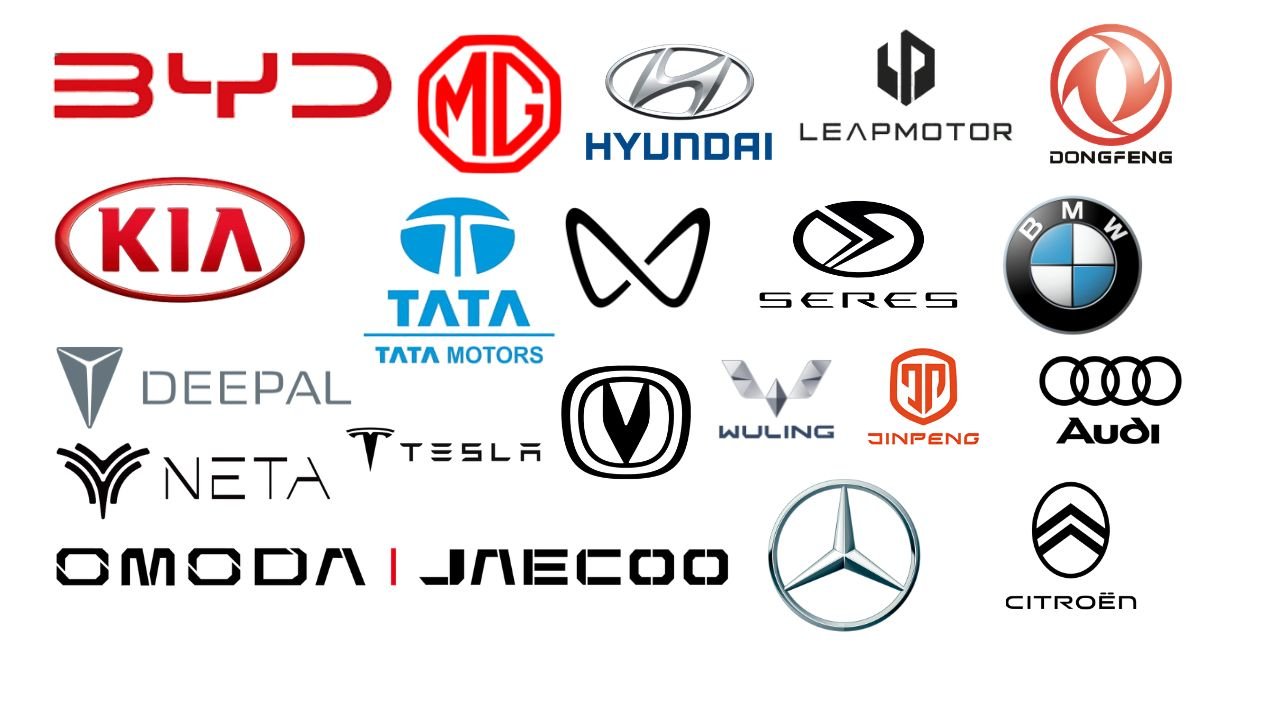
Electric Vehicle Brands in Nepal
Mainstream EV Brands in Nepal
Several brands currently dominate Nepal’s growing electric mobility market.
Popular mainstream EV brands include:
- BYD
- MG
- Hyundai
- Kia
- Tata Motors
- Mahindra
- Deepal
- Omoda
- Jaecoo
These vehicles are becoming increasingly visible on Kathmandu roads, especially among taxi operators, private buyers, and tourism-related transport businesses.
Chinese EV Brands Expanding Rapidly
Chinese EV manufacturers are playing a major role in Nepal’s transportation transformation due to competitive pricing and advanced technology.
Emerging brands include:
- Leapmotor
- Neta
- Dongfeng
- Seres
- Changan
- Geely
- Wuling
- Kaiyi
- Jinpeng
- Henrey
- Dongfeng Nammi
These brands are helping make EV ownership more accessible in Nepal’s growing automotive market.
Luxury EVs Entering Nepal
Luxury electric vehicles are also appearing gradually through private imports and premium dealerships.
Premium EV brands include:
- Tesla
- BMW
- Audi
- Mercedes-Benz
- Volvo
- Citroën
- Proton
- LS Auto
Nepal’s EV market is evolving far beyond a temporary trend. It is becoming a major part of the country’s transportation future.
Why Travelers Are Choosing Electric Car Rental in Nepal
Tourism trends are changing globally. More travelers now prioritize sustainability, lower environmental impact, and responsible tourism experiences when selecting destinations and transportation. Nepal fits naturally into this growing movement.
Electric car rental in Nepal allows visitors to reduce their carbon footprint while still enjoying flexibility and comfort during their trip. For many travelers, EVs provide a more peaceful and modern travel experience compared to traditional fuel-powered vehicles.
One of the biggest advantages is the quiet driving experience. Exploring Nepal’s valleys, temples, and scenic roads in an electric vehicle creates a calmer atmosphere without constant engine noise or vibration. This is especially appealing for travelers seeking relaxed city tours or scenic countryside drives.
EV rentals are also increasingly cost-efficient. Because electricity costs less than imported fuel in Nepal, operating expenses can be lower than traditional rental vehicles. This is beneficial for both rental providers and travelers.
Many tourists are now using EVs for:
- Airport transfers
- Kathmandu sightseeing
- Day trips to nearby heritage sites
- Short-distance road trips
Popular destinations for EV travel include:
- Boudhanath Stupa
- Pashupatinath Temple
- Bhaktapur Durbar Square
- Patan Durbar Square
As sustainable tourism continues growing worldwide, Nepal’s EV tourism potential is becoming increasingly attractive.
Best Destinations in Nepal to Explore With an EV
Electric vehicles are particularly suitable for many of Nepal’s most popular travel routes and urban tourism destinations.
Kathmandu Valley
The Kathmandu Valley is currently the best region for EV travel in Nepal due to better charging infrastructure and shorter driving distances.
Travelers can comfortably explore:
- Kathmandu
- Bhaktapur
- Patan
within a single trip.
Pokhara
Pokhara is increasingly becoming EV-friendly as charging stations expand along major highways. The city’s lakeside roads and mountain scenery make it ideal for electric travel experiences.
Nagarkot and Dhulikhel
Short scenic hill drives to:
- Nagarkot
- Dhulikhel
are well-suited for EVs because of manageable distances and improving charging availability.
Chitwan and Lumbini
Longer-distance routes toward:
- Chitwan National Park
- Lumbini
are becoming more realistic as Nepal’s charging infrastructure continues expanding.
Best Electric Cars for Nepal Roads
Not all EVs perform equally well in Nepal’s terrain. Ground clearance, battery range, and hill-driving performance are especially important.
BYD Atto 3
The BYD Atto 3 has become one of Nepal’s most popular electric SUVs because of its strong range, comfortable interior, and good performance on hilly roads.
MG ZS EV
The MG ZS EV remains popular among urban drivers and tourism operators due to reliability and affordability.
Tata Nexon EV
This compact electric SUV is well-suited for Kathmandu traffic and shorter highway trips.
Hyundai Kona Electric
Known for excellent efficiency and reliable long-range capability.
BYD Dolphin
A practical city-focused EV ideal for urban travel and airport transfers.
These vehicles are helping normalize electric mobility across Nepal.
Electric Car Rental Prices in Nepal
Electric car rental prices in Nepal vary depending on the vehicle category, season, rental duration, and whether a driver is included.
| Vehicle Type | Estimated Daily Cost |
|---|---|
| Small EV Hatchback | NPR 5,000 – 8,000 |
| Mid-Size Electric SUV | NPR 8,000 – 15,000 |
| Premium EV Models | NPR 15,000+ |
Prices may rise during:
- Trekking season
- Dashain and Tihar holidays
- Peak tourism months
Travelers can book EV rentals through:
- Local rental agencies
- Hotels
- Tour operators
- Online comparison platforms
Many international travelers now compare vehicle pricing and availability through platforms like Discover Cars before arriving in Nepal.
Is Nepal Ready for EV Tourism?
Nepal’s EV infrastructure is improving rapidly, especially around urban centers and tourism routes.
Charging stations are increasingly appearing in:
- Kathmandu Valley
- Pokhara
- Major highways
- Tourist hotels
- Commercial centers
The Nepal Electricity Authority has also supported charging infrastructure development as EV adoption accelerates.
Although rural charging access remains limited in some areas, Nepal is progressing faster than many travelers expect.
Challenges Travelers Should Know Before Renting an EV
Despite rapid growth, electric travel in Nepal still has limitations.
Remote Himalayan regions may lack reliable charging stations. Travelers planning long mountain journeys should carefully research charging availability before departure.
Monsoon road conditions can also affect battery efficiency and travel planning.
Fast charging infrastructure is expanding, but charging networks remain stronger in urban areas than in remote districts.
For extreme off-road Himalayan travel, fuel-powered SUVs may still remain more practical in certain situations.
However, for city travel and mainstream tourism routes, EVs are becoming increasingly viable.
The Future of Sustainable Tourism in Nepal
Nepal’s EV growth is about more than transportation. It represents a broader shift toward cleaner and more sustainable tourism.
Cities like Kathmandu have struggled with pollution and traffic congestion for years. Electric mobility offers an opportunity to modernize urban transportation while reducing environmental impact.
For tourism, this creates exciting possibilities:
- Cleaner sightseeing experiences
- Sustainable airport transport
- Eco-friendly city tours
- Reduced emissions in heritage areas
As travelers become increasingly climate-conscious, Nepal’s EV adoption may eventually become part of the country’s tourism identity itself.
Nepal is already globally known for:
- Himalayan trekking
- Spiritual tourism
- Adventure travel
In the future, it may also become recognized for sustainable mountain tourism powered by electric mobility.
Frequently Asked Questions About Electric Car Rental in Nepal
Is electric car rental available in Nepal?
Yes. Electric car rentals are increasingly available in Kathmandu and other major tourism cities through local agencies and travel providers.
Are EV charging stations available in Nepal?
Yes. Charging infrastructure is growing rapidly, especially in Kathmandu, Pokhara, and along major highways.
Can tourists self-drive EVs in Nepal?
Some providers allow self-drive rentals for tourists depending on license requirements and rental policies.
Which electric car is best for Nepal roads?
Popular options include the BYD Atto 3, MG ZS EV, Tata Nexon EV, and Hyundai Kona Electric.
Is Nepal good for electric vehicles?
Yes. Nepal’s hydropower electricity, mountain terrain, and government incentives make it increasingly suitable for EV adoption.
Nepal’s Electric Vehicle Revolution Is Just Beginning
Nepal’s transportation landscape is changing faster than many people realize. What was once a niche technology is now becoming a visible part of daily life across the country.
Electric vehicles are transforming Kathmandu’s roads, influencing tourism trends, and helping shape a cleaner transportation future for Nepal. For travelers, electric car rental in Nepal offers a new way to experience the country with lower emissions, quieter travel, and modern mobility.
As charging infrastructure expands and EV adoption continues growing, Nepal may become one of Asia’s most interesting destinations for sustainable travel and electric mobility.
- Hiring a Car and Driver in Nepal: Costs & Guide 2026
- EV Charging Stations in Kathmandu: How Nepal’s Capital Is Building an Electric Future
- Kathmandu EV Revolution: How Electric Vehicles Changed the City Forever
- EV Car Rental in Kathmandu 2026: Complete Guide About Prices
- Kathmandu Car Rental Services: Your Complete Guide to Car Hire in Nepal
