
The possibility of Uber coming to Nepal is one of the most important developments for the country’s tourism and transportation sector. Global ride-hailing giant Uber is reportedly preparing to enter the Nepali market, and if approved, it could transform how international travelers move around the country.
Uber Coming to Nepal: A Game-Changer for International Tourists
Nepal is already a top destination for trekking, culture, and adventure tourism. However, one of the biggest challenges for visitors has always been reliable and transparent transportation.
If Uber officially launches, it could significantly improve travel convenience, safety, and accessibility for tourists visiting Nepal.
Why Transportation Is a Challenge for Tourists in Nepal
Before understanding the impact of Uber coming to Nepal, it is important to look at the current travel situation for foreigners.
International travelers often face:
- Difficulty finding reliable taxis at airports
- Language barriers with local drivers
- Unclear or inconsistent pricing
- Limited access to digital payment systems
- Lack of standardized ride tracking
While local ride-hailing apps exist, many international visitors are not familiar with them before arrival. This creates confusion, especially for first-time travelers landing in Kathmandu or heading toward tourist destinations like Pokhara or Chitwan.
How Uber Coming to Nepal Will Improve Airport Transfers
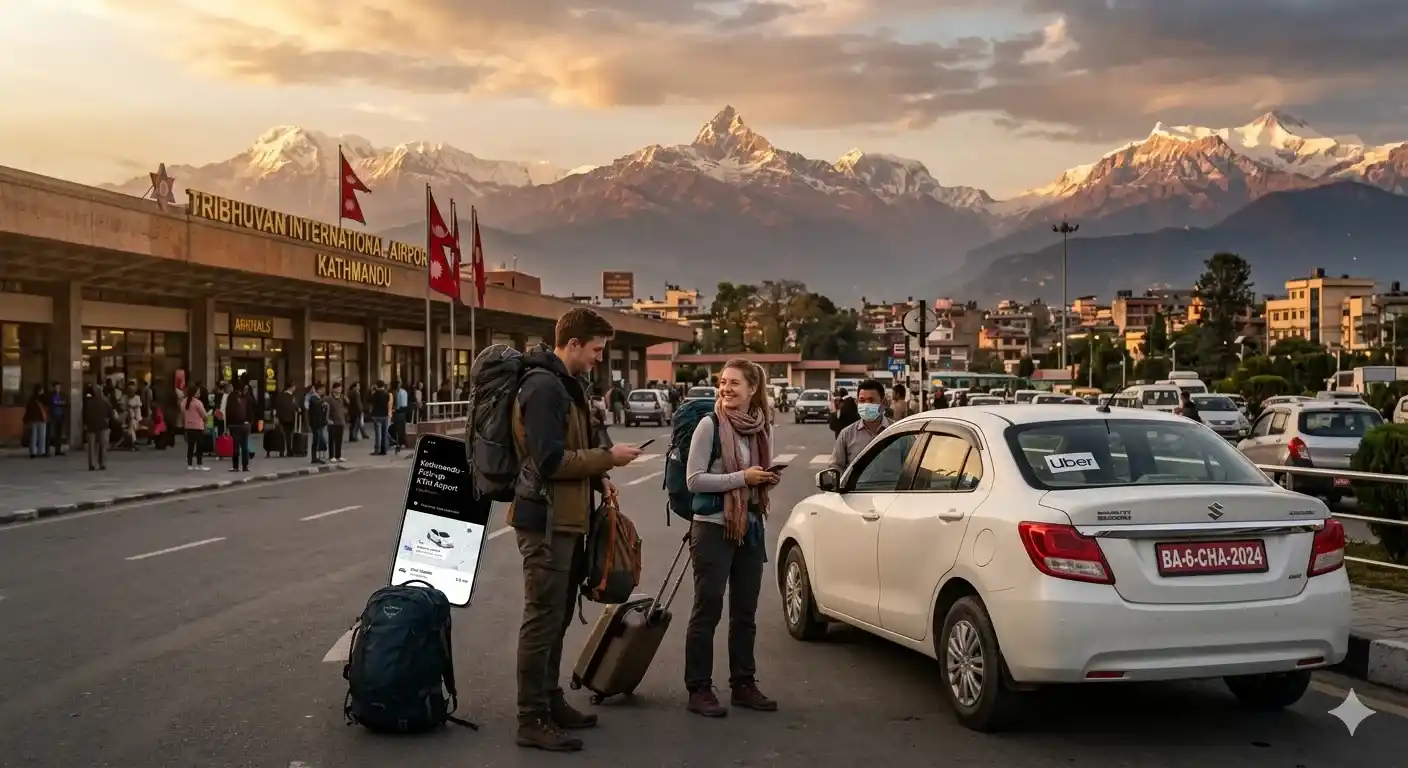
One of the biggest benefits of Uber for international travelers will be airport transportation. Currently, tourists arriving at Tribhuvan International Airport often need to negotiate fares or rely on prepaid taxi counters.
With Uber coming to Nepal, travelers will likely be able to:
- Book rides directly from the airport using the app
- See transparent pricing before booking
- Avoid bargaining with taxi drivers
- Track their driver in real time
This alone will make arrival in Nepal much smoother and less stressful for tourists.
Transparent Pricing for Foreign Travelers
One of the biggest advantages of Uber coming to Nepal is clear and upfront pricing.
Tourists often struggle with:
- Overcharging
- Hidden costs
- Lack of meter usage
- Price negotiation challenges
Uber’s system provides:
- Fixed fare estimates before booking
- Digital receipts
- No bargaining required
- Route-based fare calculation
This is especially important for solo travelers and first-time visitors who are unfamiliar with local pricing standards.
Easier Travel Between Tourist Destinations
Nepal is known for its diverse attractions such as:
- Kathmandu Valley cultural sites
- Pokhara lakeside tourism
- Chitwan National Park
- Himalayan trekking routes
Currently, traveling between these locations can be confusing for foreigners due to multiple transport options (buses, private taxis, tourist vans).
With Uber coming to Nepal, international travelers may benefit from:
- Point-to-point ride booking
- Intercity travel options (future expansion)
- Reliable navigation using GPS
- Reduced dependency on local travel agents
This makes independent travel much easier for tourists.
Language Barrier Reduction for Tourists
Communication is one of the biggest challenges for foreign visitors in Nepal.
With traditional taxis, language differences can lead to misunderstandings about:
- Destination names
- Pricing
- Route preferences
However, with Uber:
- Destinations are entered digitally
- Drivers follow GPS navigation
- In-app communication reduces confusion
- Translation features may support interaction
This greatly improves travel confidence for international tourists.
Improved Safety for Solo Travelers
Safety is a major concern for many international visitors, especially solo travelers and female tourists.
Uber-style platforms generally offer:
- Driver identity verification
- Trip tracking in real time
- Share trip feature with friends/family
- Emergency assistance features
If Uber coming to Nepal becomes reality, it could significantly improve travel safety standards, especially in unfamiliar cities.
Cashless Payments for Global Travelers
Many tourists struggle with cash-only systems in Nepal, especially when they first arrive.
A major advantage of Uber is its digital payment ecosystem, which may allow:
- Credit/debit card payments
- International card support
- In-app digital receipts
- Reduced need for local currency handling
This is extremely useful for travelers who prefer seamless, cashless experiences.
Better Experience for Adventure and Trekking Tourists
Nepal is famous for trekking routes like:
- Everest Base Camp
- Annapurna Circuit
- Langtang Valley
Adventure tourists often need reliable transport from cities to trailheads.
With Uber coming to Nepal, travelers could benefit from:
- Easy booking of rides to trekking starting points
- Reliable airport-to-hotel transfers
- Better coordination for early morning departures
- Reduced dependency on informal transport systems
This improves the overall trekking experience for international visitors.
Boost to Nepal’s Tourism Industry
If Uber enters Nepal successfully, it may also positively impact the tourism economy:
- More foreign tourist confidence
- Increased independent travel
- Higher satisfaction rates
- Improved global perception of Nepal’s transport system
This could encourage more repeat visits and longer stays from international travelers.
Challenges That Still May Affect Tourists
Even with Uber coming to Nepal, some challenges may remain:
- Limited coverage in remote trekking regions
- Traffic congestion in Kathmandu Valley
- Internet connectivity issues in rural areas
- Regulatory delays during early rollout
However, in major tourist hubs, the impact is expected to be highly positive.
The potential Uber coming to Nepal represents a major step forward for tourism infrastructure. For international travelers, it could eliminate many of the common frustrations associated with transportation in Nepal.
With global ride-hailing leader Uber entering the market, tourists may soon enjoy:
- Easier airport pickups
- Transparent pricing
- Safer travel options
- Cashless payments
- More independent mobility across cities
While the service is not officially launched yet, its arrival could mark a new era in how international tourists experience Nepal.
For a country that depends heavily on tourism, this change could be a major upgrade to the visitor experience.