
If you stand on any busy corner in Kathmandu and watch the traffic for five minutes, you will see it: a motorbike slows, the rider glances at a phone, nods, and a stranger climbs on. Another motorbike. Another stranger. Pathao ho? the informal question that has become so synonymous with ride-sharing in Kathmandu that locals use the company’s name as a verb, regardless of which app they are actually using.
Kathmandu’s ride-sharing market in 2026 is competitive, occasionally confusing, and dramatically better than it was three years ago. Three major apps now operate simultaneously Pathao, InDrive, and the fast-growing newcomer Yango each with different pricing models, different strengths, and different situations where they fail you. Knowing which app to open, and when, is the difference between a NPR 150 ride and a NPR 400 one covering the same distance.
This is the guide that tells you which app to use, how to register with a foreign phone number, what specific routes cost, and critically when to close all three apps and find a metered taxi instead.
The Three Players: What Each App Is
Pathao — The Original, Now Challenged
Before InDrive entered Nepal, the ride-sharing service was almost monopolised by Pathao. This Bangladeshi brand with Nepali investment was so influential that the word “Pathao” became synonymous with ride-sharing itself.
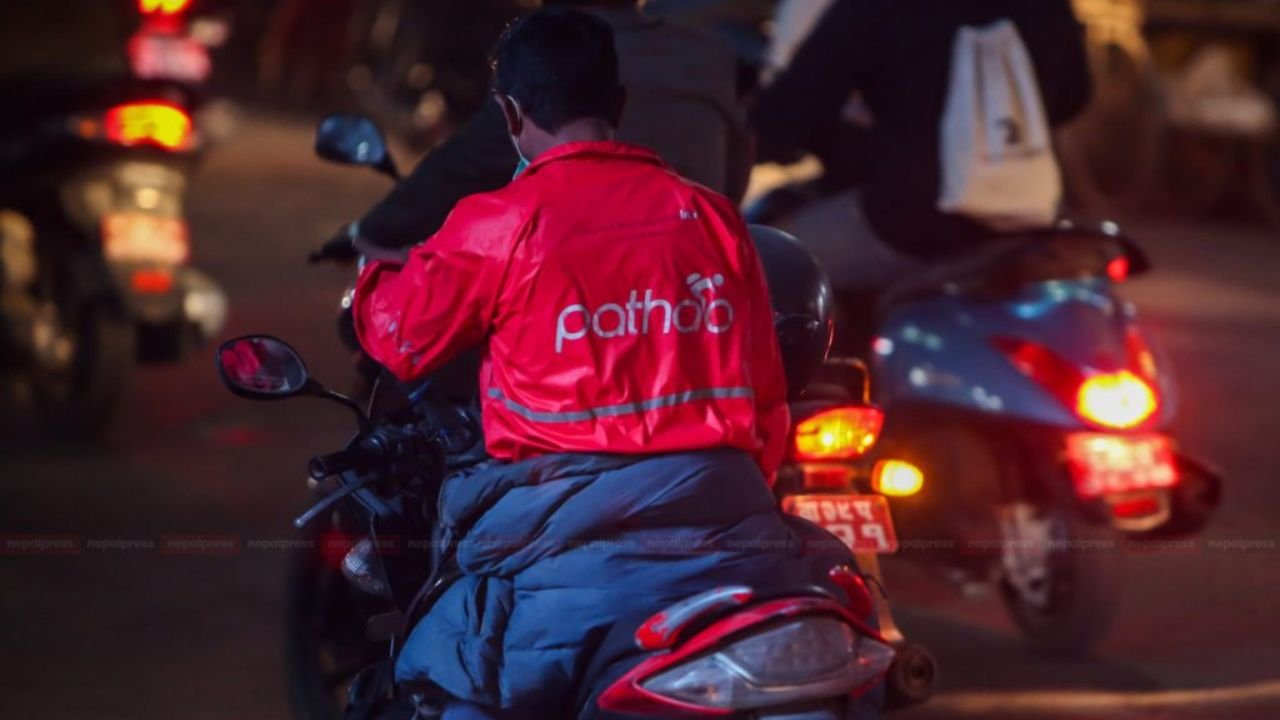
Pathao operates bike taxis (motorbikes), car rides, and food delivery across Nepal. It uses fixed algorithmic pricing you see the fare before you book, based on distance and current demand. This transparency is its main advantage. Its main disadvantage: riders now pay a higher commission per ride, and many are shifting towards InDrive or Yango. There have been growing complaints about Pathao regarding random surge application to the fare and routing longer paths to levy higher charges.
Best for: When you want price certainty, a quick bike to skip traffic, or food delivery.
InDrive — The Negotiation App
InDrive operates on a completely different model: you name your price, the driver accepts or counters, and you agree on a fare. This consensus-based approach removes the algorithmic middleman. InDrive has an interesting business model customers are able to pick their own fare and the rider is allowed to counter the offer. InDrive started charging 10% commission to riders, remaining competitive compared with other platforms.
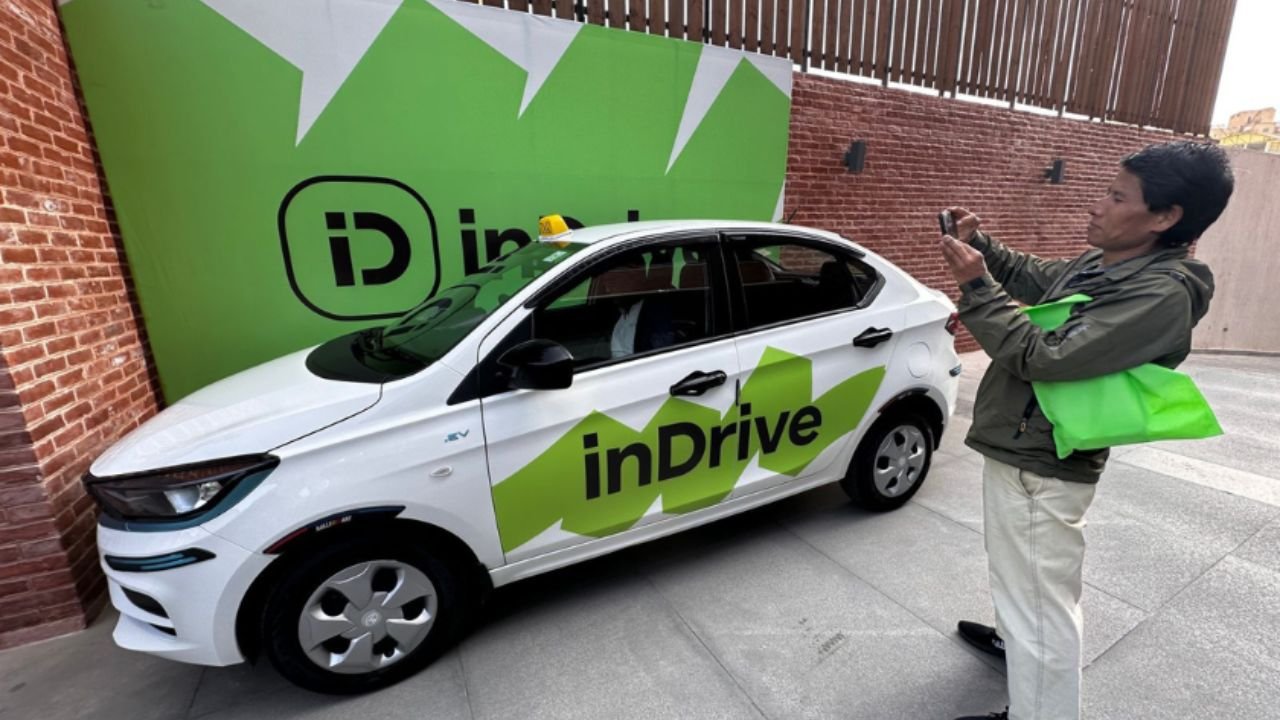
The negotiation model works well when you know what a fair fare is. It works poorly when you don’t drivers will sometimes counter significantly above market rate for tourists who appear unfamiliar. Pay attention to the common routes section below before making your first offer.
Best for: Car rides, longer journeys, times when you want to negotiate, off-peak hours.
Yango — The Fast-Rising Newcomer
Yango‘s most striking feature is its low entry fare of NPR 40, a rate that undercuts existing competitors and appeals strongly to cost-conscious users. Launched in Kathmandu in May 2025, Yango is Yandex-backed and operates with a driver-friendly commission-free model that has attracted drivers rapidly. In 2026, Yango also added automatic in-ride insurance at no extra cost, giving riders and drivers coverage on every trip.
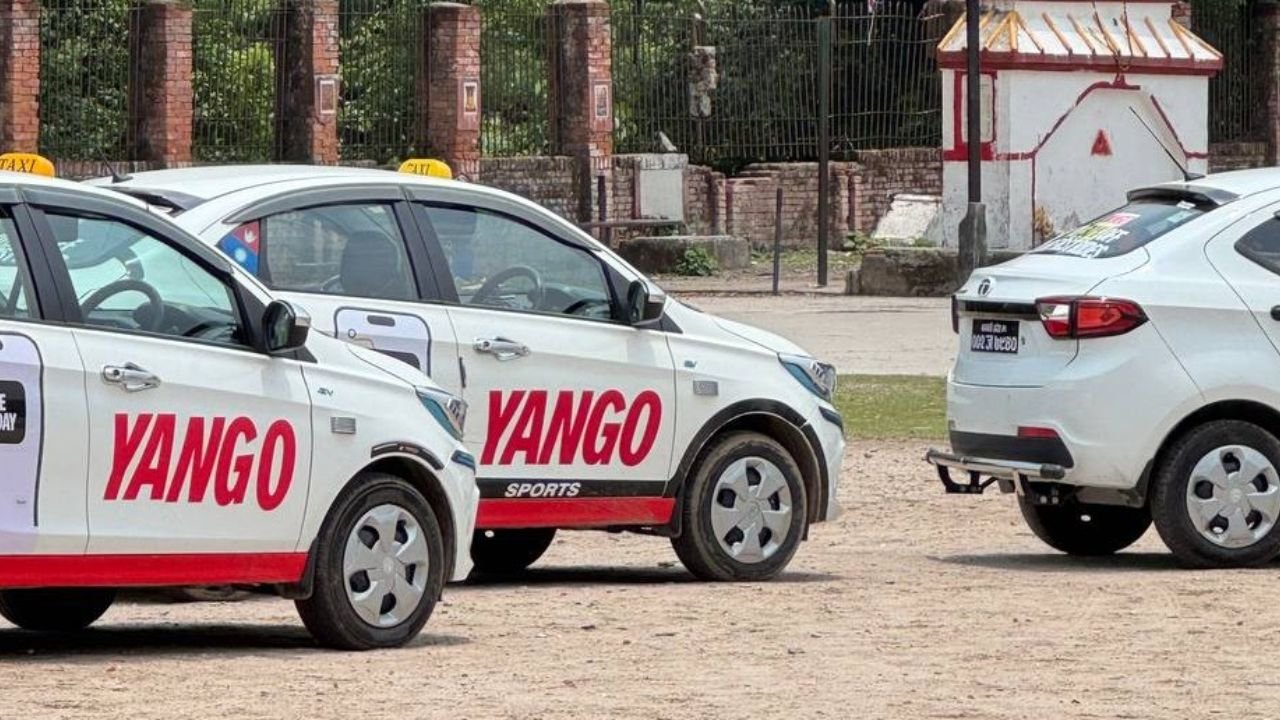
The catch: during peak hours, the rates can actually be higher than InDrive or Pathao. During off-peak hours it is often cheapest. During rush hour, always compare before booking.
Best for: Off-peak rides, budget travel, when other apps show surge pricing.
How to Register with a Foreign Phone Number
All three apps require phone number verification via SMS. Here is the exact process for each.
Pathao:
- Download from App Store or Google Play
- Select your country code — Pathao supports international numbers including +1 (USA/Canada), +44 (UK), +61 (Australia), +91 (India) and most major countries
- Enter your foreign number — the OTP SMS arrives on your home SIM
- Complete profile with your name and email
- Payment: Cash on arrival (most common), or add an international card in Settings
The only reliable workaround if your number doesn’t receive OTP: Buy a Nepali SIM card at Tribhuvan Airport on arrival (NTC tourist SIM free, just pay for data). Register Pathao on the Nepali number. Keep your own phone for the app after registration.
InDrive: Registration is identical in process international numbers generally work. If SMS doesn’t arrive within 60 seconds, use WhatsApp verification (available as an alternative option in the app). Payment is cash to the driver after the ride.
Yango: After landing at Tribhuvan International Airport, you’ll find options to purchase NTC or Ncell SIM cards with these SIM cards, you’ll stay connected and can easily use apps like Pathao for ride-sharing. The same applies to Yango. Register with your international number first; switch to Nepali SIM registration if OTP fails.
The simplest approach for all three: Get a Nepali SIM at the airport (NTC tourist SIM, free card, pay only for data approximately NPR 300 for 10GB). Register all three apps on the Nepali number. You now have access to all three markets simultaneously.
Common Route Prices in 2026: What to Expect and What to Offer
These are current 2026 ranges based on in-app testing and local reports. Pathao shows fixed prices; InDrive requires you to make an offer use these figures to calibrate.
| Route | Distance | Pathao bike | Pathao car | InDrive offer | Yango (off-peak) |
|---|---|---|---|---|---|
| Thamel → Tribhuvan Airport | ~6km | NPR 100–130 | NPR 350–500 | Offer NPR 400 | NPR 300–400 |
| Thamel → Patan Durbar Square | ~4km | NPR 80–100 | NPR 250–350 | Offer NPR 280 | NPR 200–280 |
| Thamel → Boudhanath | ~6km | NPR 100–130 | NPR 300–400 | Offer NPR 320 | NPR 220–300 |
| Thamel → Swayambhunath | ~3km | NPR 60–80 | NPR 200–280 | Offer NPR 220 | NPR 160–220 |
| Thamel → Pashupatinath | ~5km | NPR 90–120 | NPR 280–380 | Offer NPR 300 | NPR 220–300 |
| Thamel → Bhaktapur | ~14km | NPR 180–250 | NPR 550–750 | Offer NPR 600 | NPR 450–600 |
| Thamel → Dhulikhel | ~30km | N/A | NPR 1,200–1,600 | Offer NPR 1,300 | NPR 1,000–1,400 |
InDrive offer strategy: Start 10–15% below the Pathao car price for that route. Drivers usually counter at or near the Pathao price. If no driver accepts after 90 seconds, increase your offer by NPR 30–50 and try again. During rush hour (8–10am, 5–7pm), start closer to the Pathao price drivers have options and will not accept undersells when demand is high.
Airport route note: The Thamel–airport fare via ride app (NPR 350–500 by car) is significantly cheaper than the prepaid taxi queues inside arrivals (NPR 700–900). The apps work from the departure/arrivals area step outside the terminal, open your preferred app, and book from there rather than joining the taxi queue.
The Electric Motorbike Option on Pathao
For solo travelers, Pathao bike taxis are the best way to skip the notorious Kathmandu traffic. These motorbike rides are quick, affordable, and an exciting way to experience the hustle and bustle of the city. Plus, with the Pathao app, you’ll know exactly how much you’re paying before you get on.
In 2026, a growing portion of Pathao’s motorbike fleet has switched to electric bikes quieter, smoother, and with no exhaust. You cannot specifically filter for electric in the Pathao app (as of May 2026), but urban riders frequently receive electric bikes in central Kathmandu areas where the EV charging infrastructure is dense.
Electric motorbike rides are NPR 40–80 for most short central Kathmandu journeys. They navigate Kathmandu’s traffic faster than any car option at peak hours a 3km car ride that takes 25 minutes during rush hour takes 8 minutes on a motorbike, electric or otherwise.
Helmets: Pathao drivers are required to carry a passenger helmet. Always put it on regardless of how short the journey feels. Kathmandu traffic is unpredictable and the roads are uneven.
Safety Features: What Each App Provides
Pathao:
- In-app GPS tracking visible to the rider throughout the journey
- Share trip option send your live location to a contact
- Emergency button in-app connects to Pathao support
- Driver registration and bike number visible before acceptance
- Pathao maintains insurance coverage for riders and passengers, charges a nominal fee per ride, and provides compensation in the event of accidents or mishaps.
InDrive:
- In-app tracking and trip sharing available
- Driver photo and vehicle details visible before acceptance
- Some riders aren’t fully clear on how the insurance works, and occasionally service can be inconsistent. verify driver details carefully before getting in
Yango:
- In 2026, Yango added automatic in-ride insurance at no extra cost, giving riders and drivers coverage of up to around NPR 1 million on every trip.
- Real-time tracking and share trip feature
- Upfront pricing (no negotiation, no surprises)
The licence plate check: Riders have noticed that sometimes the bike that pulls up has a different number plate than what the app shows. Always verify the bike number shown in the app matches the physical plate before getting on. If it doesn’t match, cancel and report the ride. This is the single most important safety check on any Kathmandu ride app.
When a Metered Taxi Is Actually Better
The apps are not always the right choice. Here are the specific situations where a metered taxi beats all three apps.
When you have heavy luggage. Motorbikes cannot carry suitcases. Car rides via app are fine, but if you are traveling with a 20kg trekking pack to the airport, a larger metered taxi can accommodate everything without negotiation. The airport prepaid taxi inside arrivals, despite its higher cost, handles this most efficiently when you land.
When you need to make multiple stops. Apps are booked per ride. A metered taxi with a fixed hourly rate negotiated directly with the driver is cheaper and more practical for a day of sightseeing with three or four stops. Negotiate NPR 1,000–1,500 per hour for a metered taxi (this is the rate for private car hire, not Pathao). Your hotel can arrange this.
During major festivals. On Dashain Tika Day, Tihar Laxmi Puja, and other major festivals, driver availability on all three apps collapses many drivers go home to their families. The apps work but wait times extend dramatically and surge pricing on Pathao can be severe. An arranged hotel car or a pre-negotiated taxi is more reliable.
For very late night travel. After midnight in Kathmandu, app driver availability drops significantly. Pre-arrange your transport rather than expecting an app to deliver a driver at 2am.
When the app shows surge pricing above 1.5x. A Pathao ride from the same route on the same time slot cost NPR 175 one day and NPR 115 the next same route, same time. When Pathao surge is active and InDrive drivers aren’t accepting your offers, walk to the nearest main road and negotiate a metered taxi at the standard NPR 300–500 rate for cross-city journeys. It will match or beat the surged app price.
Quick Decision Guide: Which App to Open First
| Situation | Best choice |
|---|---|
| Solo, need to skip traffic, under 5km | Pathao bike |
| Need a car, off-peak hours | Yango (usually cheapest) |
| Need a car, you know the fair price | InDrive (negotiate down) |
| Need a car, peak hours, want certainty | Pathao car (fixed price, predictable) |
| Airport pickup, traveling with luggage | Pathao car or InDrive |
| Festival day, late night | Pre-arranged hotel car or metered taxi |
| Multiple stops in one day | Metered taxi at hourly rate |
The One Rule That Covers Everything
Always check all three apps before booking. Open Pathao, note the price. Open Yango, note the price. Open InDrive, make a quick mental note of what you’d offer based on the table above. Takes 90 seconds. Saves NPR 50–150 on almost every journey.
Kathmandu’s traffic is real. The apps are faster than anything else for short journeys. The electric motorbike option on Pathao is the finest way to move through the city in 2026 quiet, quick, and cheap. Use the helmet. Verify the plate. And never take a stranger’s offline “Pathao ho?” offer when the app connects you directly to a registered, insured driver for the same or lower price.
The Explore All About Nepal team uses all three apps daily in Kathmandu. For transport questions specific to your itinerary, leave a comment below.
