
Nepal has entered one of the most important tourism periods of the year, and the latest visitor numbers offer an encouraging but complicated picture.
Nepal welcomed 88,248 international visitors in September 2026, according to figures from the Nepal Tourism Board. That was 12.1% higher than September 2025, when 78,711 international visitors entered the country. Arrivals also increased from August, when Nepal recorded 85,444 international visitors.
The numbers suggest that international tourists have continued coming to Nepal despite the devastating floods and landslides that affected parts of the country in August and September.
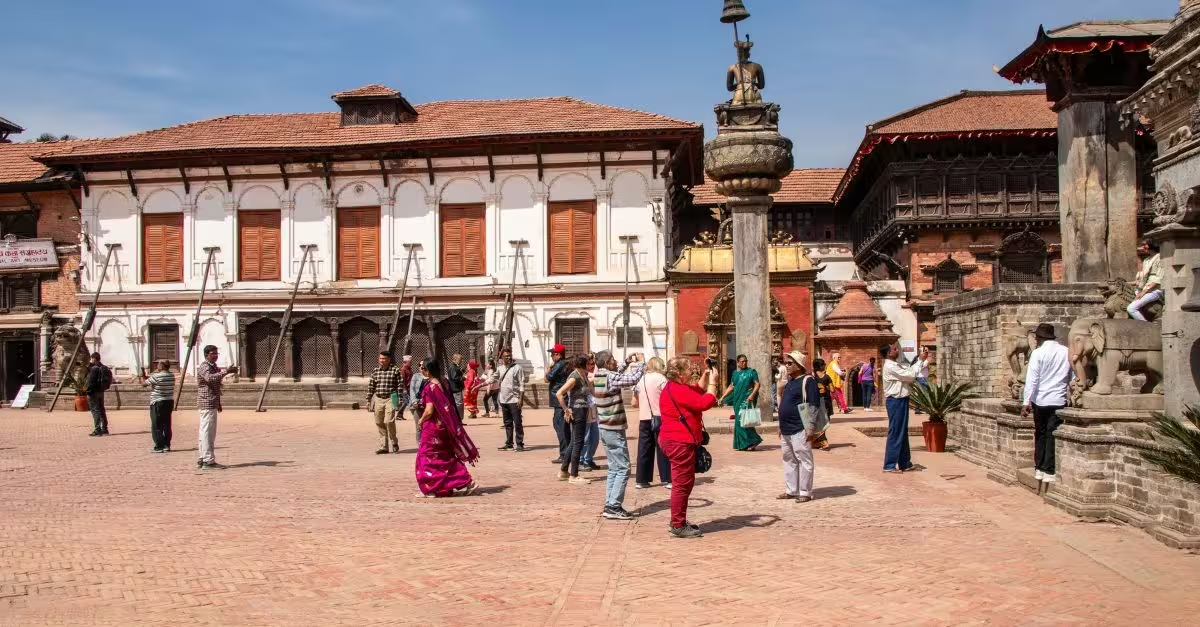
Nepal tourism 2026: Photo by Chandi Saha
But the recovery is not equal across all markets.
Visitors from India, China and several other Asian countries increased strongly, while arrivals from Europe, the United States and Oceania declined compared with the same month last year.
So, as Nepal’s peak autumn tourism season begins, the bigger question is:
Are tourists really returning to Nepal after the floods, or is the recovery being driven mainly by regional markets?
Nepal Welcomed More Than 88,000 Tourists in September
September is an important month for Nepal because it marks the transition into the country’s major autumn tourism season.
According to the latest Nepal Tourism Board figures, 88,248 international visitors arrived in Nepal in September 2026.
That represents:
- 88,248 international visitors in September 2026
- 78,711 in September 2025
- 12.1% year-on-year growth
- 85,444 visitors in August 2026
- About 95% of September 2019’s pre-pandemic level
- 865,920 international visitors during the first nine months of 2026
September 2026 was still below September 2024, when Nepal recorded 96,302 international visitors. It was also slightly below the September 2019 figure of 92,604, which is often used as a pre-pandemic comparison.
That makes the latest number significant, but it is not quite a full return to every previous benchmark.
The Numbers Increased Despite the Floods
The September tourism figures arrived after Nepal experienced severe flooding and landslides during the late monsoon period.
The disasters affected roads, bridges, settlements and other infrastructure in several parts of the country and raised concerns about the approaching autumn tourism season.
There were also reports of foreign nationals missing in affected areas, while some countries issued travel advisories following the disasters.
The August disasters created an obvious concern for Nepal’s tourism industry.
Autumn is normally one of the country’s most important periods for trekking, mountaineering, cultural travel and sightseeing. If international travelers cancelled or postponed trips because of concerns about the floods, the impact could have continued into September and October.
Instead, September arrivals increased.
That does not mean the effects of the disasters have disappeared. It means that, at the national level, international visitor numbers continued to rise during September.
But There Is a Big Difference Between Asian and Western Markets
The most interesting part of the latest statistics is not simply the 12.1% increase.
It is where the visitors came from.
India remained Nepal’s largest international source market in September, with 17,425 visitors, accounting for about 19.75% of the monthly total.
China was second with 11,212 visitors, while the United States ranked third with 8,299.
Sri Lanka recorded 7,108 visitors and Australia 4,842.
The regional figures show an even clearer divide.
Visitors from SAARC countries reached 30,085, representing 34.1% of total arrivals and an increase of 23.9% from September 2025.
Other Asian markets contributed another 19,888 visitors, with arrivals from that region increasing by almost 58% year-on-year.
China was particularly notable.
Chinese arrivals more than doubled compared with September 2025, reaching 11,212 visitors, according to the latest tourism figures.
Western Tourist Numbers Tell a Different Story
While Asian arrivals increased, several major Western markets moved in the opposite direction.
Nepal recorded 15,148 visitors from Europe in September, down 8.7% compared with the same month last year.
Visitors from the United States also declined, while the wider Americas region recorded 10,107 arrivals, down 12.3%.
Oceania saw an even larger decline, with 5,422 visitors, down around 25.9% year-on-year.
The United Kingdom recorded 3,725 visitors in September, a decline compared with the previous year.
Australia, despite remaining one of Nepal’s important tourism markets, recorded 4,842 arrivals, while overall arrivals from Oceania fell significantly.
This makes the current tourism recovery more complicated than the headline 12.1% increase suggests.
Nepal is receiving more international visitors, but the recovery is being driven particularly strongly by Asian markets.
Where Are Nepal’s Visitors Coming From?
Here are some of the largest source markets recorded in September 2026:
| Country | September 2026 arrivals |
|---|---|
| India | 17,425 |
| China | 11,212 |
| United States | 8,299 |
| Sri Lanka | 7,108 |
| Australia | 4,842 |
| Bangladesh | 3,964 |
| United Kingdom | 3,725 |
| Japan | 2,066 |
| Germany | 1,974 |
| Israel | 1,957 |
India alone accounted for nearly one in five international visitors during the month.
For Nepal’s tourism industry, this diversity is important because the country is not dependent on a single international market.
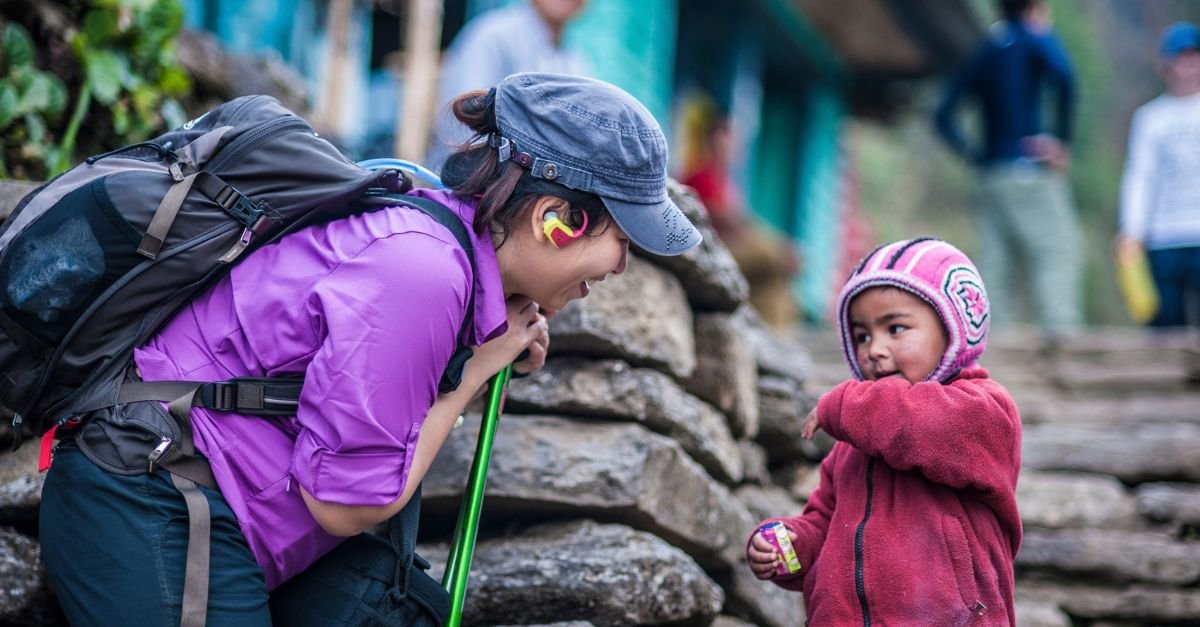
Nepal tourism season 2026: Photo by Sherine
At the same time, the decline from several long-haul markets remains something to watch as the main autumn trekking season progresses.
Is Nepal’s Autumn Tourism Season Still Happening?
Yes, international travel to Nepal is continuing.
The latest arrival figures show that visitors are still entering the country despite the recent disasters.
October is also traditionally one of Nepal’s busiest months for trekking because the monsoon generally begins to withdraw, bringing better visibility and more favorable mountain conditions.
Popular destinations such as Everest Base Camp, Annapurna, Langtang and other Himalayan trekking areas normally become increasingly busy during October and November.
However, the current situation should not be interpreted as meaning that every part of Nepal has completely returned to normal.
The floods and landslides caused serious damage in particular locations, and conditions can vary considerably between regions.
Travelers planning a trek should therefore check the latest local conditions, transportation situation and trail information before departure rather than assuming that conditions are identical across the country.
What About Everest Base Camp?
The Everest region remains one of Nepal’s biggest international tourism attractions.
October is traditionally an important month for Everest Base Camp trekking, with clear mountain views and favorable autumn conditions attracting trekkers from around the world.
The latest national tourism numbers indicate that international travelers are continuing to arrive in Nepal during the autumn season.
However, national arrival statistics cannot tell us exactly how many September visitors went to Everest Base Camp.
That distinction is important.
An international visitor arriving in Kathmandu may be traveling for trekking, culture, business, pilgrimage, wildlife tourism or other purposes.
Therefore, the 88,248 figure should be understood as total international visitor arrivals, not the number of trekkers.
What About Annapurna and Other Trekking Regions?
The same principle applies to the Annapurna region, Langtang, Manaslu and other trekking destinations.
Nepal’s overall visitor statistics provide a picture of international demand, but they do not necessarily describe trail conditions in every individual trekking area.
Some routes can be operating normally while another part of the country is dealing with road damage, landslides or weather-related problems.
For travelers planning an October trek, checking conditions immediately before departure is therefore more useful than relying only on national tourism statistics.
This is particularly important for travelers using road transportation to reach trekking trailheads.
Nepal Is Still Recovering From a Serious Disaster
The positive tourism numbers should not hide the scale of the recent disaster.
Nepal is still dealing with the consequences of devastating floods and landslides that struck in August.
The disaster caused widespread loss of life and major infrastructure damage, with recovery and reconstruction continuing into the autumn.
Nepal is also facing wider concerns around climate-related hazards in the Himalayas.
On October 2, 2026, Reuters reported that Nepal had launched a $50 million plan to reduce the risk from four high-risk glacial lakes, highlighting the longer-term environmental challenges facing mountain communities.
The tourism industry therefore enters the autumn season while the country is still dealing with significant recovery work.
Another Warning From the Mountains: Himlung Avalanche
The start of the autumn mountaineering season has also been marked by a serious tragedy in the Himalayas.
An avalanche at Himlung Himal in Manang district killed at least 15 Nepali workers who were preparing a mountain camp for the autumn climbing season. One person remained missing in the latest reports.
The incident occurred before foreign climbers had arrived at the base camp.
It is an important reminder that the beginning of Nepal’s autumn tourism season does not eliminate mountain hazards.
Trekking and climbing conditions depend on altitude, weather, terrain and local circumstances. Travelers heading into high-altitude areas should continue to follow the guidance of qualified guides and local authorities.
So, Are Tourists Returning to Nepal?
The latest evidence suggests international tourism demand has not disappeared after the floods.
September’s 88,248 arrivals were 12.1% higher than the same month in 2025, and arrivals were also higher than in August.
That is a positive sign for hotels, trekking companies, guides, restaurants, transport operators and other businesses that depend on international tourism.
But the recovery is uneven.
Asian markets are showing particularly strong growth, while Europe, the Americas and Oceania recorded fewer visitors than in September 2025.
So the more accurate answer is:
Tourists are returning to Nepal, but not all markets are returning at the same pace.
What Does This Mean for Travelers Planning Nepal in October 2026?
For someone already planning a trip to Nepal, the latest tourism data provides useful context.
Nepal is receiving international travelers, and the autumn tourism season is underway.
But travelers should still take a few practical precautions.
1. Check your specific route
Do not assume that conditions in Kathmandu, Pokhara, Everest or Annapurna are the same.
Check the latest information for the exact region you plan to visit.
2. Check transportation before leaving Kathmandu
Some trekking routes require long road journeys before the trek begins.
Road conditions can change following heavy rain or landslides, so confirm transportation arrangements shortly before departure.
3. Use a qualified trekking guide where appropriate
For high-altitude trekking, experienced local guides can provide valuable information about weather, trail conditions, altitude and emergency procedures.
4. Keep your itinerary flexible
October usually offers good trekking conditions, but mountain weather can still change quickly.
Allowing an extra day or two can make a Nepal itinerary much less stressful.
5. Check travel insurance carefully
Travel insurance should cover the activities you plan to undertake and, for high-altitude trekking, should specifically address the altitude involved and emergency evacuation requirements.
6. Follow current local advice
A national tourism statistic cannot tell you whether a particular trail, road or mountain area is currently accessible.
Always check the latest local information before setting out.
What the September Numbers Mean for Nepal’s Tourism Industry
Nepal recorded 865,920 international visitor arrivals during the first nine months of 2026.
September’s 88,248 arrivals pushed the annual total significantly higher and provided an important start to the autumn season.
The coming months will be particularly important.
October and November are traditionally among Nepal’s most important tourism months, especially for trekking and mountain travel.
If international arrivals continue at a strong level, hotels, trekking agencies, guides, airlines, restaurants and tourism businesses could see stronger activity during the remainder of the autumn season.
But the decline in several Western markets also deserves attention.
Nepal’s tourism recovery cannot be judged only by the headline visitor total. Looking at which markets are growing and which are declining provides a much clearer picture.
Nepal’s Tourism Story After the Floods Is Still Being Written
The latest numbers do not show a tourism industry that has stopped.
Quite the opposite: Nepal welcomed more international visitors in September 2026 than it did a year earlier.
But they also do not show a completely uniform recovery.
The strongest growth is currently coming from South Asia and other Asian markets, while several important Western and long-haul markets remain below last year’s levels.
At the same time, Nepal continues to recover from devastating floods and faces ongoing environmental and mountain-safety challenges.
For travelers, the message is therefore not simply that Nepal is “back to normal.”
Instead, Nepal’s tourism season is moving forward while the country continues its recovery.
And with October now beginning, the next two months will provide a much clearer picture of how strongly international tourism returns to Nepal after one of the country’s most difficult monsoon seasons in recent years.
Frequently Asked Questions
Is Nepal open to tourists in October 2026?
Yes. International visitors continue to enter Nepal, and the country is entering its major autumn tourism season. Nepal recorded 88,248 international visitor arrivals in September 2026.
Did tourist arrivals increase after the floods?
September 2026 arrivals were 12.1% higher than September 2025 and higher than August 2026. However, arrivals from some Western markets declined.
Which country sent the most tourists to Nepal in September 2026?
India was Nepal’s largest source market, with 17,425 visitors, followed by China with 11,212.
Are Western tourists returning to Nepal?
The latest September figures show a mixed picture. European arrivals declined 8.7%, arrivals from the Americas declined 12.3%, and Oceania declined 25.9% compared with September 2025.
Is October a good time to visit Nepal?
October is traditionally one of Nepal’s major tourism months, particularly for trekking and mountain travel. However, travelers should check current weather, road and trail conditions for their specific destination before departure.
Is it safe to trek in Nepal after the floods?
Conditions vary by location. National tourism figures cannot establish the condition of an individual trekking route. Trekkers should check current trail, weather and transportation information and follow local guidance before starting their journey.
