If you want to fly a drone legally in Nepal, you register it first with the Civil Aviation Authority of Nepal (CAAN), which then issues you a Unique Identification Number (UIN). It costs USD 50 plus 13% VAT, takes 2–3 working days once your paperwork is accepted, and the certificate is valid for one year. That’s the short version. Below is exactly what to prepare, where to submit it, and the traps that get drones confiscated at the airport. Learn everything about How to Register a Drone in Nepal.
I’ve kept this answer-led on purpose: registration is only step one, and conservation areas like Everest and Annapurna stack several more approvals on top.
How to Register a Drone in Nepal
Quick Reference
| Item | Detail |
|---|---|
| Authority | Civil Aviation Authority of Nepal (CAAN) |
| Where | Flight Safety Standard Department (FSSD), or CAAN online portal |
| Fee | USD 50 + 13% VAT |
| Payment | Rastriya Banijya Bank (TIA Branch) bank deposit or Connect IPS |
| Processing time | 2–3 working days |
| You receive | UIN certificate |
| Validity | 1 year (annual renewal required) |
| Physical inspection | Required for Category C/D (above 2 kg) |
| Insurance | Mandatory for Category C/D |
First, Know Your Drone’s Category
CAAN sorts drones into four categories by maximum take-off weight (MTOW). This decides how strict your path is.
| Category | Risk level | Weight (MTOW) |
|---|---|---|
| A | Very low | Under 250g |
| B | Low | 250g – 2 kg |
| C | Regulated low | 2 kg – 25 kg |
| D | Regulated high | Above 25 kg |
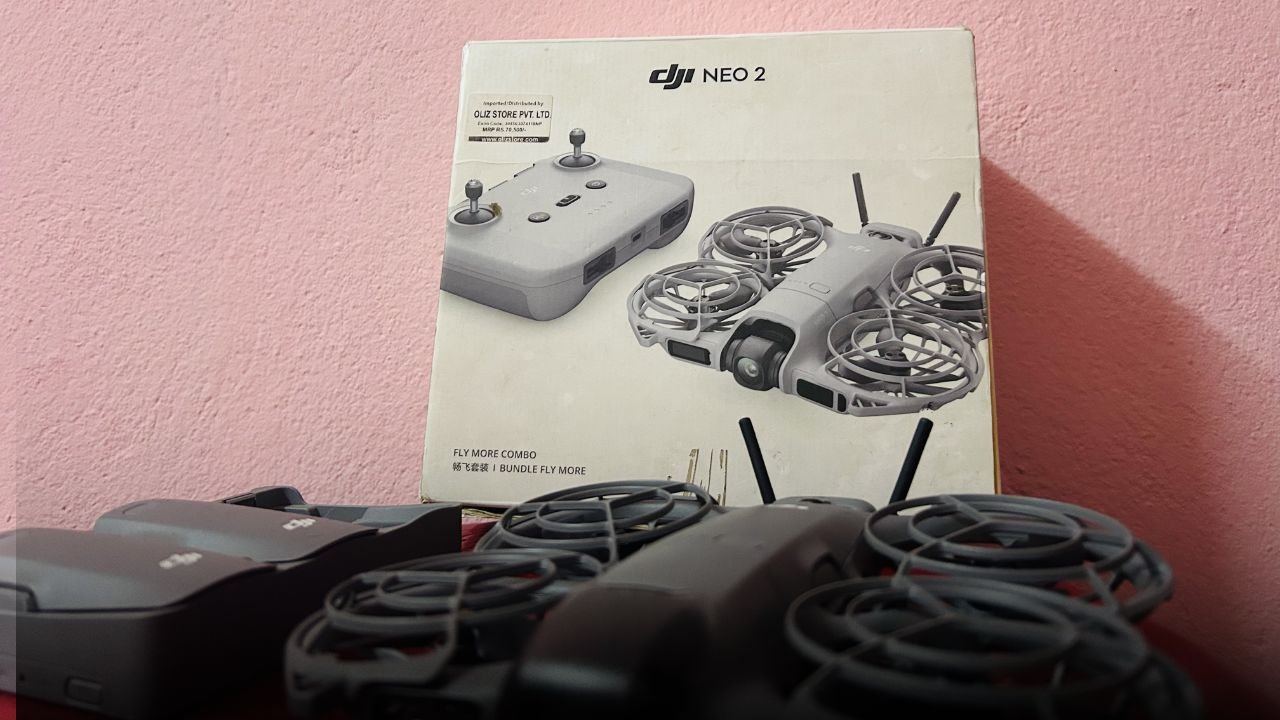
Most travelers carry a DJI Mini or similar, which lands in Category A or B. Cinema and industrial rigs fall into C or D and trigger physical inspection plus mandatory insurance. If your drone is under 250g, you still register it, but the downstream permit path is the lightest.
Documents You Need to Register
Prepare these before you go (or before you start the online form):
- Completed drone registration form — RPA/Form/001
- Purpose of Operation and Commitment Letter — RPA/Form/002
- One passport-size colour photo of the applicant
- Copy of your citizenship certificate (Nepali), valid passport (foreigner), or company registration certificate
- Copy of the drone’s manual or spec sheet
- A photo of your drone clearly showing the serial number
- VAT bill from the Nepal retailer, or the TIA customs declaration if you imported it
- Customs Clearance Certificate (imported drones)
Two extra conditions catch people out: your drone needs a CE marking or type-approval certificate, and Category C/D drones must be brought to FSSD in person for physical verification when you collect the certificate.
How to Register: Two Routes
Online — Go to the CAAN drone portal (caanepal.gov.np/drone), fill in the details, and upload your documents.
In person — Visit the Flight Safety Standard Department (FSSD) with your drone and the full document set above.
Either way, pay USD 50 + 13% VAT into Rastriya Banijya Bank (TIA Branch) by deposit or Connect IPS, keep the receipt, and if everything checks out you’ll have your UIN certificate in 2–3 working days. Mark your calendar to renew annually — a lapsed certificate means you’re flying illegally.
Registration Is Not a Flight Permit
This is the single most common misunderstanding, and worth being honest about: a UIN lets you own and identify the drone; it does not let you fly. You need a separate flight permit, and the issuing office depends on weight:
- Under 2 kg: permission from the District Administration Office (DAO) for the area you’ll fly in
- Above 2 kg: permission from the Ministry of Home Affairs and the Department of Information
For commercial or filming work you’ll also send a formal application to the Ministry of Communication and Information Technology, with a flight plan (GPS coordinates, altitudes, dates), a route map, pilot ID details, and your UIN. Approved commercial permits run 3 months, extendable once for a further 3 months with good reason.
Flying in Conservation Areas (Everest, Annapurna, Manaslu)
A standard permit only covers non-restricted areas. Conservation zones add a four-step chain:
- National Trust for Nature Conservation (NTNC) submit your flight documents and pay NPR 12,500 in cash at the Rastriya Banijya Bank counter to get an approval letter.
- Chief District Officer (CDO) take the NTNC letter to the CDO in your flight district for a second approval.
- Department of National Parks and Wildlife Conservation present the CDO approval for a further permit.
- The specific Conservation Area Office they assign a staff member who must accompany every flight, and you cover their wages, food, and accommodation.
Region-specific add-ons: the Everest area also needs a Sagarmatha National Park entry permit, the Solukhumbu Rural Municipality TREK Card, and Nepal Mountaineering Association (NMA) approval. Annapurna and Manaslu need their conservation permits (ACAP, MCAP). This is why “just bring a drone to base camp” almost never works in practice for casual visitors.
Core Flight Rules
- Max 120 m above ground level
- Stay within 500 m horizontally and always in line of sight
- Keep 50 m from people, buildings, and vehicles
- No flying over crowds or public events
- No night flying (midnight to sunrise); visibility must exceed 5 km
- No dropping objects from the drone
No-fly zones include: within 5 km of any airport or international border; within 1,000 m of military sites; near Singha Durbar and other government buildings; heritage and religious sites (Pashupatinath, Boudhanath, Swayambhunath, the Durbar Squares); Maitighar Mandala; and the residences of the President, VP, and PM.
Penalties
Fines run NPR 2,000–5,000, and your drone can be seized on the spot for even minor violations. Flying without a permit or in a restricted zone can mean seizure plus a legal case; privacy violations and reckless flying near cultural sites can lead to arrest and prosecution.
FAQ
Can tourists register a drone in Nepal?
Yes. Foreign nationals register with CAAN using a passport copy instead of citizenship, and typically also need Ministry of Home Affairs security clearance before flying.
How much does drone registration cost in Nepal?
USD 50 plus 13% VAT, paid to Rastriya Banijya Bank (TIA Branch).
How long does it take?
2–3 working days after CAAN accepts your documents.
Does registration let me fly anywhere?
No. The UIN only identifies your drone. You need a separate flight permit, plus extra approvals for conservation areas and national parks.
Can I bring a drone into Nepal at the airport?
Yes, but it may be held at customs (TIA) until you show registration paperwork. Keep your customs declaration — you need it to register.
Is my drone registration permanent?
No, it’s valid one year and must be renewed annually.
