

Sustainable Trekking Gear 2026
In 2026, sustainability isn’t just a trend it’s becoming a travel essential. As climate awareness grows, trekkers across the globe are rethinking how they pack, hike, and connect with nature. From biodegradable clothing to solar-powered gadgets, Sustainable Trekking Gear 2026 is reshaping the way we experience the outdoors.
If you’re planning your next Himalayan adventure or a long-distance trek anywhere in the world, this guide will help you choose the best Sustainable Trekking Gear 2026 that’s lightweight, durable, and kind to the planet.
Why Sustainable Trekking Matters in 2026
The world’s mountains, glaciers, and forests are under growing pressure from climate change and over-tourism. Nepal, the Alps, Patagonia, and other iconic trekking regions are seeing the effects firsthand melting glaciers, waste pollution, and trail erosion.
That’s where Sustainable Trekking Gear 2026 comes in. Eco-conscious gear minimizes environmental impact through innovative materials, ethical production, and long-lasting design. Whether it’s a recyclable jacket or a solar-powered stove, every sustainable choice helps protect the landscapes we love.
Sustainable trekking is no longer about sacrifice it’s about smarter adventure.
What Defines Sustainable Trekking Gear 2026?
Not all outdoor gear qualifies as sustainable. To be part of the Sustainable Trekking Gear 2026 movement, products typically meet one or more of the following criteria:
Eco-friendly materials: Made from recycled, organic, or biodegradable fabrics.
Renewable energy: Powered by solar, wind-up, or kinetic systems.
Durability: Built to last for years, reducing waste from frequent replacements.
Ethical production: Manufactured under fair labor practices and minimal emissions.
Low waste packaging: Minimal plastic and recyclable shipping materials.
Choosing such gear means you’re not just buying products you’re supporting a global movement for responsible travel.
1. Sustainable Backpacks – Carrying Adventure Responsibly
Backpacks are the heart of any trek, and in 2026, the Sustainable Trekking Gear 2026 lineup includes impressive innovations in eco-friendly packs.
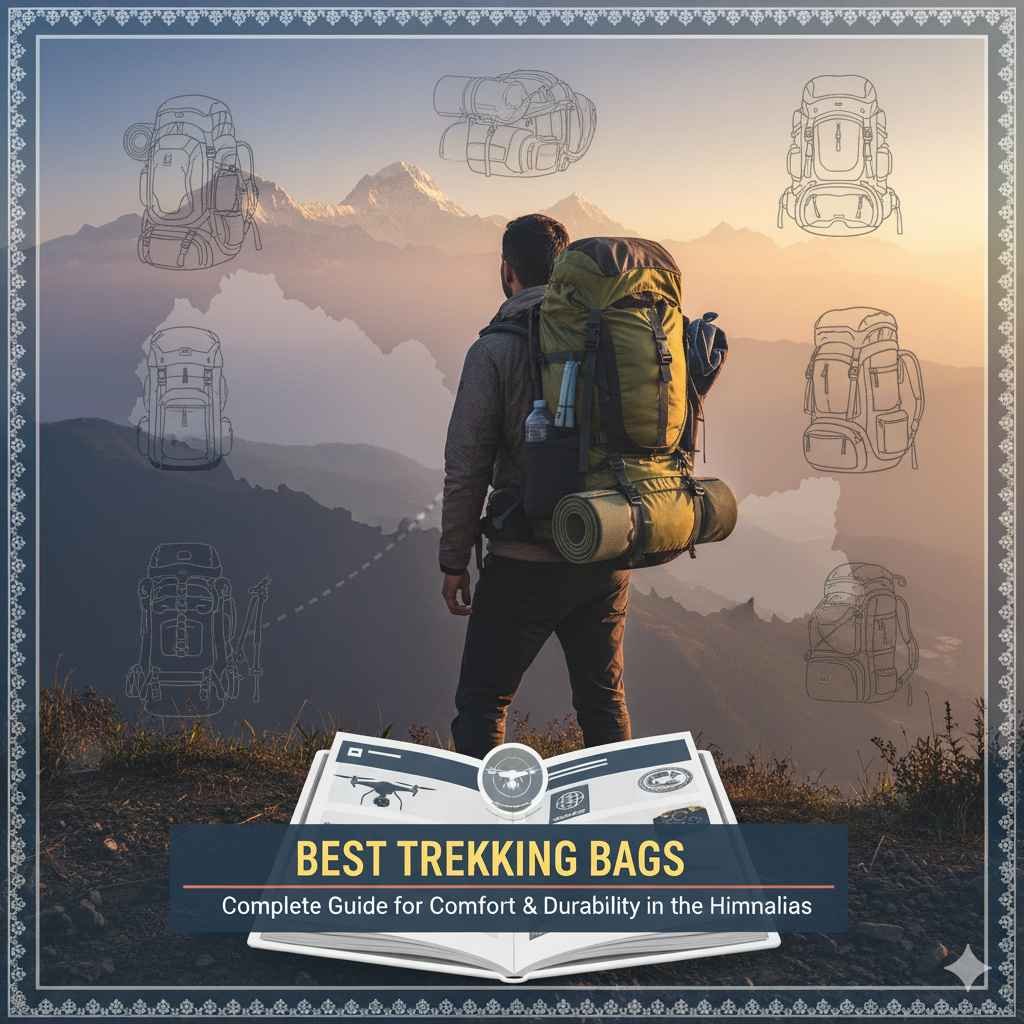
Best Trekking Bags for Trekking in Nepal
Top Picks:
Osprey Archeon 45: Made with 100% recycled nylon and PFC-free coatings.
Patagonia Black Hole Pack: Built from recycled polyester and Fair Trade Certified™ sewn.
Deuter Guide Lite Eco: Lightweight alpine pack using bluesign® approved materials.
These packs are designed to last for decades. Their eco-conscious materials mean less microplastic pollution and fewer landfill contributions making them true icons of Sustainable Trekking Gear 2026.
2. Eco-Friendly Trekking Boots – Step Lightly on Every Trail
The latest hiking boots are proof that sustainability and performance can coexist. Top brands have integrated renewable materials without compromising on comfort or durability.

Best Trekking Boots and Shoes for Trekking in Nepal
Best in 2026:
Vivobarefoot Tracker Forest ESC: Crafted from sustainably sourced leather and natural rubber soles.
Merrell Moab Speed Eco: Features recycled laces, mesh lining, and EVA foam.
KEEN Targhee IV Earth: Made with upcycled plastics and plant-based dyes.
Choosing boots from this new generation of Sustainable Trekking Gear 2026 reduces your environmental footprint with every step — literally.
3. Recycled Jackets and Insulation – Warmth Without Waste
Staying warm in the Himalayas or the Alps doesn’t have to come at a cost to the planet. The Sustainable Trekking Gear 2026 collection introduces cutting-edge insulation made from recycled materials.
Top Eco Jackets for 2026:
Patagonia Nano Puff: Uses 100% recycled polyester and PrimaLoft® insulation.
Rab Microlight Alpine: Made from recycled down and Pertex® Quantum outer fabric.
The North Face Summit Futurelight: Waterproof, breathable, and made with recycled nylon.
These jackets offer high performance with a low carbon footprint a perfect example of how Sustainable Trekking Gear 2026 merges innovation with ethics.
4. Solar and Energy-Efficient Gadgets – Power the Planet, Not Pollute It
Adventure travelers today need power for cameras, phones, and GPS but in 2026, it’s about doing it cleanly.
Must-Have Gadgets:
BioLite SolarPanel 10+: Foldable solar charger for phones and cameras.
Goal Zero Venture 35: Durable solar battery pack.
HydraPak Flux+ Filter: Collapsible water bottle with integrated purification.
These compact devices turn sunlight and movement into usable energy, ensuring that Sustainable Trekking Gear 2026 isn’t just eco-friendly but also highly practical for remote trekking.
5. Reusable and Biodegradable Kitchen Kits
Eco-conscious trekkers know that single-use plastics are one of the biggest environmental threats in the mountains. That’s why the Sustainable Trekking Gear 2026 kitchen kits are all about reusability and zero waste.

Reusable and Biodegradable Kitchen Kits
Recommended Gear:
Sea to Summit Alpha Set: Lightweight, reusable, and made with anodized aluminum.
To-Go Ware Bamboo Cutlery Set: Biodegradable and ultra-light.
Jetboil Stash Eco Stove: Uses recycled materials and efficient fuel design.
With these items, you’ll reduce your plastic footprint while cooking delicious meals in the wild another win for sustainable trekking.
6. Sustainable Clothing Layers – Comfort with Conscience
Your clothing choices can make a huge difference. Brands are now producing gear that’s not only technical but also environmentally friendly.
Top Sustainable Clothing for 2026:
Icebreaker Merino Base Layers: Made from natural, renewable merino wool.
Tentree T-Shirts: For every product sold, 10 trees are planted.
Prana Stretch Zion Pants II: Crafted from organic cotton and recycled nylon.
This shift toward planet-positive fabrics defines Sustainable Trekking Gear 2026, where comfort and conscience go hand in hand.
7. Accessories That Make a Difference
Sometimes it’s the small items that leave the biggest mark. Eco-conscious accessories are essential additions to your Sustainable Trekking Gear 2026 list.
Eco Accessories to Pack:
Buff CoolNet UV+ Eco: Made from recycled plastic bottles.
Smartwool Socks: Sustainably sourced wool and long-lasting quality.
Nalgene Sustain Bottles: 50% recycled plastic and BPA-free.
Every sustainable item you carry sends a message that protecting the planet begins with small choices.
8. Sustainable Hydration Systems
Clean water is life on the trail, but disposable bottles are a major source of pollution. The Sustainable Trekking Gear 2026 lineup includes smarter hydration systems built for eco travelers.
Top Hydration Gear:
LifeStraw Peak Series: Filters up to 1,000 gallons of water no plastic waste.
Grayl UltraPress: Filters water in seconds and replaces bottled water entirely.
HydraPak Stow Bottle: Collapsible and recyclable.
By using these systems, trekkers save hundreds of plastic bottles each trip a major win for both nature and your backpack weight.
9. Sustainable Sleeping Gear – Rest Easy, Tread Lightly
When it comes to sleeping outdoors, comfort meets sustainability in 2026. The new generation of sleeping bags and pads proves that eco-design can perform even in harsh Himalayan winters.
Top Picks:
Therm-a-Rest Questar Eco: Made from 100% recycled materials.
Nemo Forte Endless Promise: Fully recyclable design to reduce landfill waste.
Big Agnes Torchlight Eco: Insulated with recycled polyester fill.
These products define the future of Sustainable Trekking Gear 2026 designed for circular use, not disposal.
10. Innovative Trends Defining Sustainable Trekking Gear 2026
Looking ahead, the outdoor industry is transforming how gear is made, used, and recycled. Expect to see:
Carbon-neutral gear manufacturing
Blockchain-based supply chain transparency
Gear rental and re-commerce platforms
Self-repairable clothing fabrics
Circular economy gear programs (buy-back or recycle options)
These breakthroughs show that Sustainable Trekking Gear 2026 is more than a collection it’s a movement toward a cleaner future for adventure travel.
How to Choose the Right Sustainable Trekking Gear 2026
Here’s a quick checklist for evaluating eco-friendly products:
| Factor | What to Look For |
|---|---|
| Materials | Recycled, organic, or plant-based fibers |
| Certifications | bluesign®, Fair Trade, or Climate Neutral |
| Durability | Gear designed for long-term use |
| Repairability | Replaceable parts or repair kits available |
| End-of-Life Plan | Recyclable or take-back programs |
By choosing responsibly, every trekker contributes to preserving Nepal’s pristine landscapes and global ecosystems.
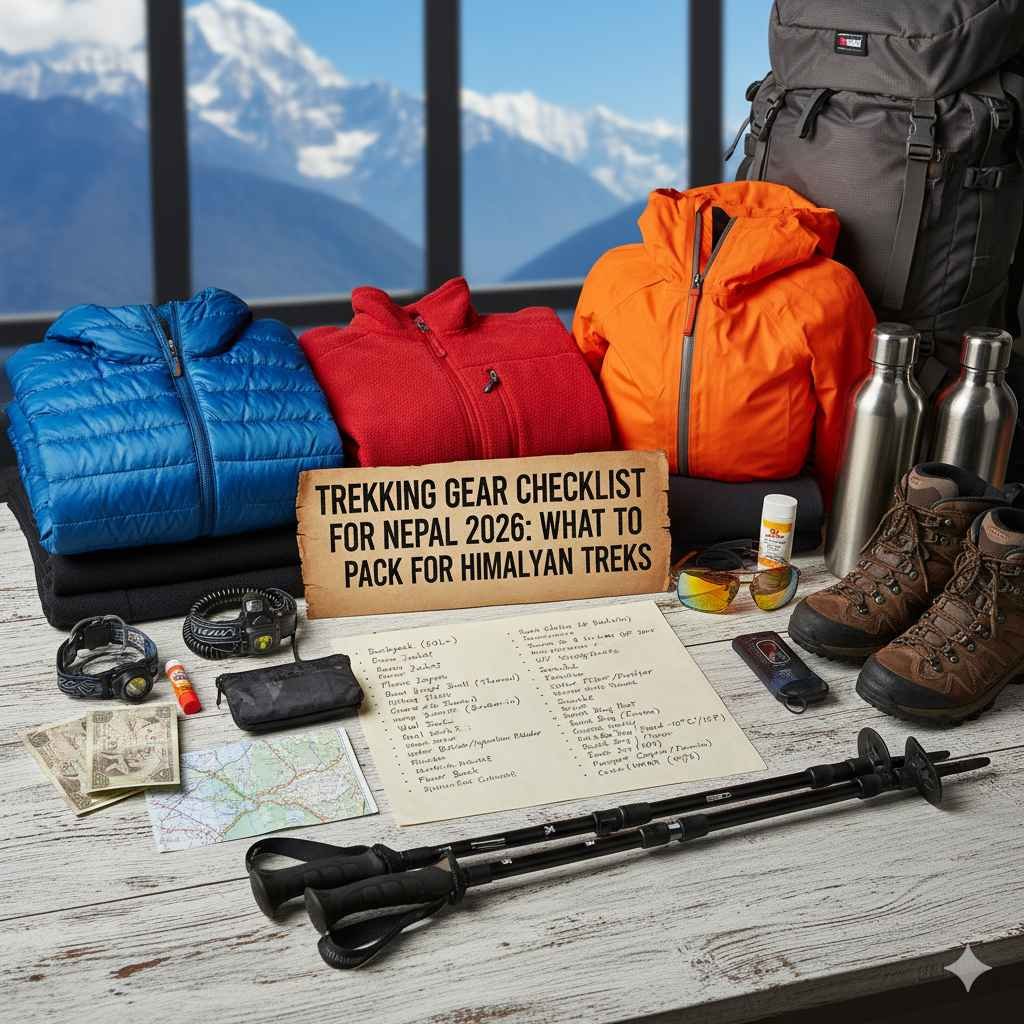
Trekking Gear Checklist for Nepal 2026: What to Pack for Himalayan Treks
Sustainable Trekking = Responsible Adventure
Embracing Sustainable Trekking Gear 2026 isn’t just about buying new products it’s a mindset. Here’s how to make your next adventure more eco-friendly:
Pack light: The less you carry, the lower your carbon footprint.
Refuse single-use plastics: Bring your own bottles and bags.
Repair before replacing: Extend your gear’s life cycle.
Support ethical brands: Choose companies with transparent sustainability commitments.
Leave no trace: Always pack out what you pack in.
These simple habits turn every trek into a force for positive change.
FAQs About Sustainable Trekking Gear 2026
1. Why should I invest in sustainable trekking gear?
It reduces your environmental footprint while supporting responsible brands and preserving natural habitats.
2. Is sustainable gear more expensive?
Some products cost more upfront, but their durability saves money over time and reduces waste.
3. Can I find sustainable trekking gear in Nepal?
Yes! Kathmandu now features eco-focused stores offering recycled and Fair Trade-certified trekking gear.
4. What’s new in 2026 for sustainable trekking gear?
Expect more biodegradable fabrics, carbon-neutral manufacturing, and gear recycling programs from leading outdoor brands.
5. How can I make old gear more sustainable?
Donate, repair, or recycle old equipment rather than discarding it every action counts.
The age of disposable adventure is over. As we move into 2026, trekkers are embracing sustainability as the new standard. Every eco-conscious choice from your backpack to your boots shapes a cleaner, more responsible future for travel.
The Sustainable Trekking Gear 2026 revolution proves that exploration and conservation can coexist beautifully. Whether you’re trekking in Nepal, the Andes, or the Alps, your gear can now tell a story one of respect for nature, innovation, and hope for the planet.
So, gear up responsibly and take that first step toward a greener adventure. The mountains are waiting and they’ll thank you for treading lightly.
