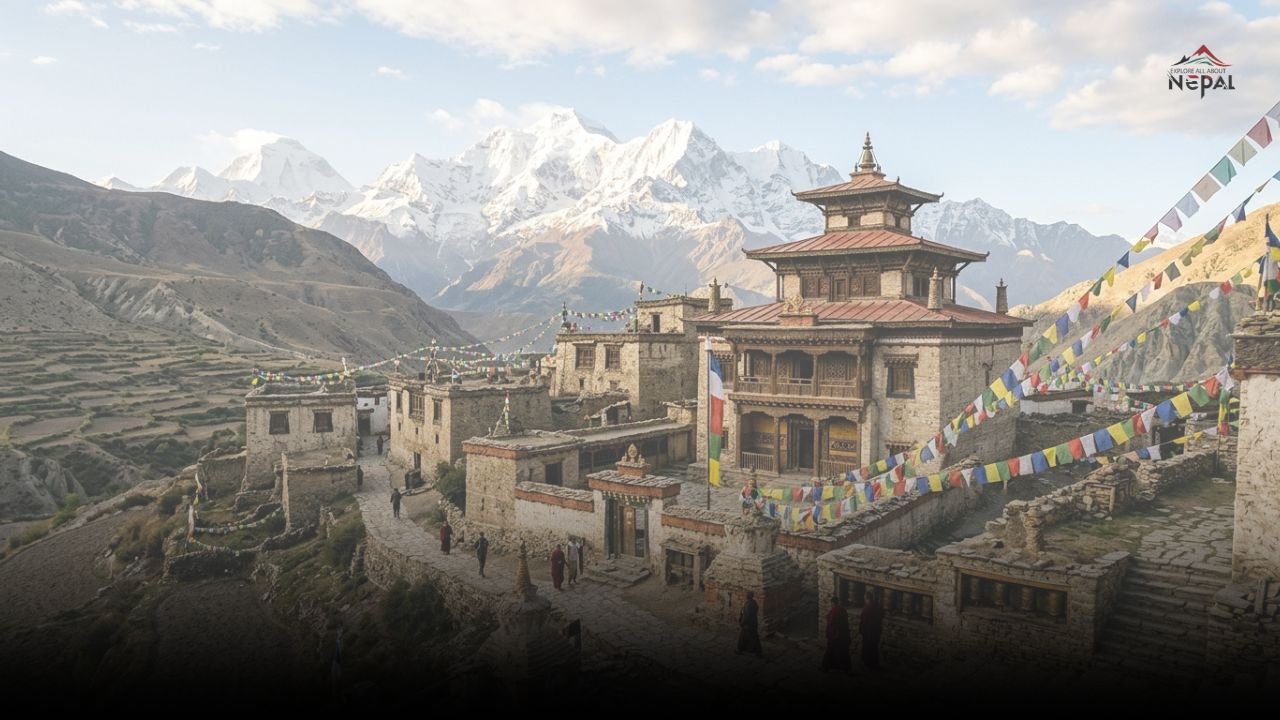
Nepal is one of the most culturally and naturally diverse countries in the world, making it a strong candidate for heritage recognition at the global level. When people search for the potential UNESCO site in Nepal, they are usually trying to discover which hidden cultural towns, natural landscapes, or historical monuments could one day be added to the prestigious World Heritage List.
Currently, Nepal already has several recognized sites under the UNESCO World Heritage framework. These include iconic locations such as the Kathmandu Valley, Lumbini the birthplace of Lord Buddha, and Sagarmatha National Park, home to Mount Everest. These sites represent a combination of cultural, spiritual, and natural significance that meets UNESCO’s strict global standards.
However, Nepal’s heritage value goes far beyond these listed sites. Across the hills, mountains, and plains of the country, there are numerous locations that hold deep historical, architectural, and ecological importance but have not yet been officially recognized. These places are often preserved through local traditions, ancient architecture, or untouched natural environments.
The idea of a potential UNESCO site in Nepal is becoming increasingly important due to several factors. First, modernization and urban expansion are threatening many traditional settlements and cultural landscapes. Second, climate change is affecting fragile Himalayan ecosystems. Third, tourism is increasing pressure on both natural and cultural heritage zones.
Because of these challenges, identifying and protecting future UNESCO-worthy sites is essential for long-term conservation. Many experts believe that Nepal still has several candidates that could qualify for UNESCO listing if properly documented and preserved.
This article explores the most promising potential UNESCO site in Nepal locations, including cultural towns, natural landscapes, religious sites, and architectural heritage zones. It also explains what makes a site eligible, how UNESCO evaluates candidates, and why Nepal is considered one of the richest heritage regions in Asia.
What Makes a Site a UNESCO World Heritage Candidate?
To understand a potential UNESCO site in Nepal, it is important to first understand how UNESCO determines whether a site qualifies for World Heritage status. The system is governed by the World Heritage Convention established in 1972 by the UNESCO.
A site must demonstrate Outstanding Universal Value (OUV). This means it must be significant not only to the country where it is located but also to humanity as a whole. This is the most important requirement in the entire evaluation process.
Key Criteria for Selection
UNESCO uses ten official criteria divided into cultural and natural categories:
Cultural Criteria:
- Represents a masterpiece of human creativity
- Shows significant cultural exchange or civilization development
- Bears unique testimony to cultural traditions
- Demonstrates outstanding architecture or urban design
- Is associated with important historical events
Natural Criteria:
- Contains exceptional natural beauty
- Represents major geological processes
- Has important ecosystems or biodiversity
- Protects rare species or habitats
Integrity and Authenticity
Another important requirement is:
- Integrity (for natural sites): the ecosystem must remain complete and undamaged
- Authenticity (for cultural sites): original design, materials, and traditions must be preserved
Why Not Every Historic Place Qualifies
Many people assume that old temples, villages, or natural landscapes automatically qualify. However, UNESCO is extremely selective. A site must be globally unique, not just locally important.
For example, many Himalayan villages in Nepal are culturally rich, but only those with strong preservation systems, documentation, and global significance can be considered a potential UNESCO site in Nepal.
Protection and Management
Even if a site is culturally or naturally important, it must also have:
- Legal protection
- A management authority
- Conservation planning
- Sustainable tourism control
Without these systems, UNESCO will not approve the site.
Nepal is one of the most culturally and naturally diverse countries in the world, making it a strong candidate for heritage recognition at the global level. When people search for the potential UNESCO site in Nepal, they are usually trying to discover which hidden cultural towns, natural landscapes, or historical monuments could one day be added to the prestigious World Heritage List.
Currently, Nepal already has several recognized sites under the UNESCO World Heritage framework. These include iconic locations such as the Kathmandu Valley, Lumbini the birthplace of Lord Buddha, and Sagarmatha National Park, home to Mount Everest. These sites represent a combination of cultural, spiritual, and natural significance that meets UNESCO’s strict global standards.
However, Nepal’s heritage value goes far beyond these listed sites. Across the hills, mountains, and plains of the country, there are numerous locations that hold deep historical, architectural, and ecological importance but have not yet been officially recognized. These places are often preserved through local traditions, ancient architecture, or untouched natural environments.
The idea of a potential UNESCO site in Nepal is becoming increasingly important due to several factors. First, modernization and urban expansion are threatening many traditional settlements and cultural landscapes. Second, climate change is affecting fragile Himalayan ecosystems. Third, tourism is increasing pressure on both natural and cultural heritage zones.
Because of these challenges, identifying and protecting future UNESCO-worthy sites is essential for long-term conservation. Many experts believe that Nepal still has several candidates that could qualify for UNESCO listing if properly documented and preserved.
This article explores the most promising potential UNESCO site in Nepal locations, including cultural towns, natural landscapes, religious sites, and architectural heritage zones. It also explains what makes a site eligible, how UNESCO evaluates candidates, and why Nepal is considered one of the richest heritage regions in Asia.
What Makes a Site a UNESCO World Heritage Candidate?
To understand a potential UNESCO site in Nepal, it is important to first understand how UNESCO determines whether a site qualifies for World Heritage status. The system is governed by the World Heritage Convention established in 1972 by the UNESCO.
A site must demonstrate Outstanding Universal Value (OUV). This means it must be significant not only to the country where it is located but also to humanity as a whole. This is the most important requirement in the entire evaluation process.
Key Criteria for Selection
UNESCO uses ten official criteria divided into cultural and natural categories:
Cultural Criteria:
- Represents a masterpiece of human creativity
- Shows significant cultural exchange or civilization development
- Bears unique testimony to cultural traditions
- Demonstrates outstanding architecture or urban design
- Is associated with important historical events
Natural Criteria:
- Contains exceptional natural beauty
- Represents major geological processes
- Has important ecosystems or biodiversity
- Protects rare species or habitats
Integrity and Authenticity
Another important requirement is:
- Integrity (for natural sites): the ecosystem must remain complete and undamaged
- Authenticity (for cultural sites): original design, materials, and traditions must be preserved
Why Not Every Historic Place Qualifies
Many people assume that old temples, villages, or natural landscapes automatically qualify. However, UNESCO is extremely selective. A site must be globally unique, not just locally important.
For example, many Himalayan villages in Nepal are culturally rich, but only those with strong preservation systems, documentation, and global significance can be considered a potential UNESCO site in Nepal.
Protection and Management
Even if a site is culturally or naturally important, it must also have:
- Legal protection
- A management authority
- Conservation planning
- Sustainable tourism control
Without these systems, UNESCO will not approve the site.
Religious & Spiritual Potential UNESCO Sites in Nepal
Nepal is widely recognized as one of the most spiritually significant countries in the world. It is the birthplace of Lord Buddha and home to countless Hindu and Buddhist pilgrimage sites. Because of this deep spiritual landscape, several locations are strong candidates as a potential UNESCO site in Nepal under cultural and mixed heritage categories.
1. Lumbini Sacred Zone (Expansion Areas)
While the core area of Lumbini is already a UNESCO World Heritage Site, surrounding monastic zones and archaeological areas still have potential for expanded recognition. These areas include international monasteries, ancient ruins, and meditation zones that continue to grow as global Buddhist centers.
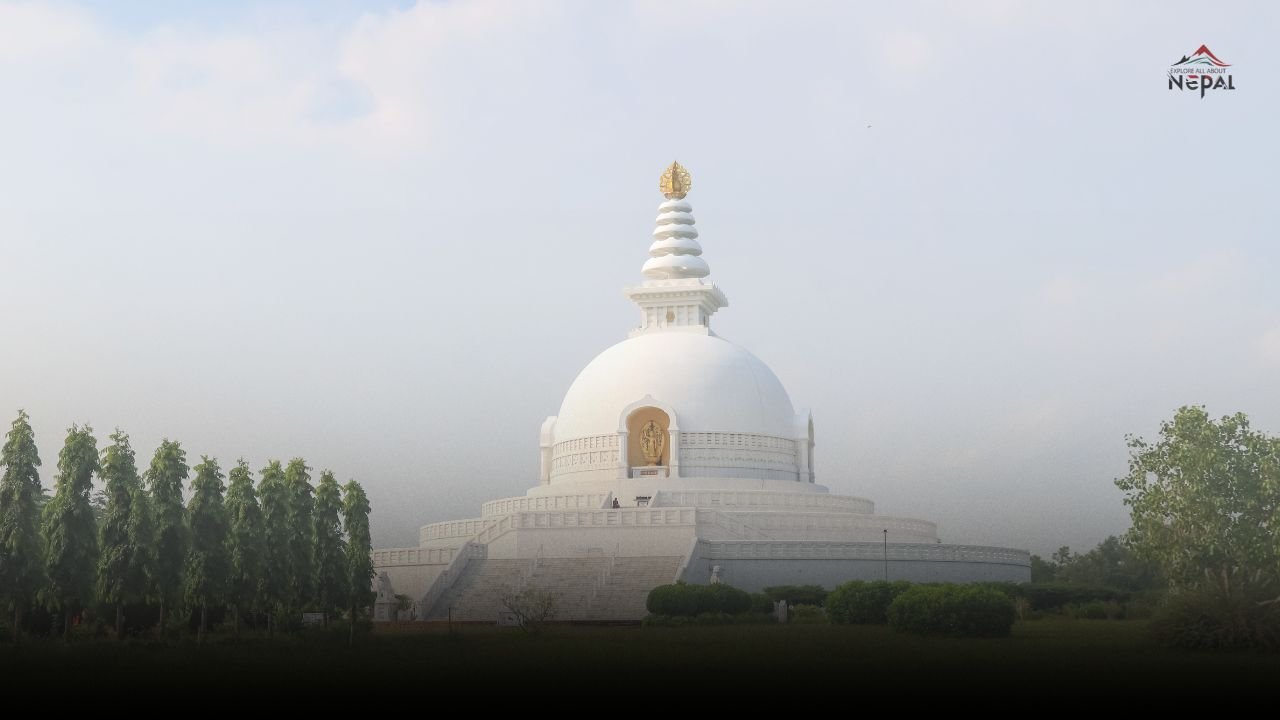
Lumbini
2. Muktinath Temple Region
Located in the high Himalayas, Muktinath is a sacred site for both Hindus and Buddhists. It is considered a place of salvation and spiritual purification. The combination of natural high-altitude landscape and religious significance makes it a strong mixed-heritage candidate.
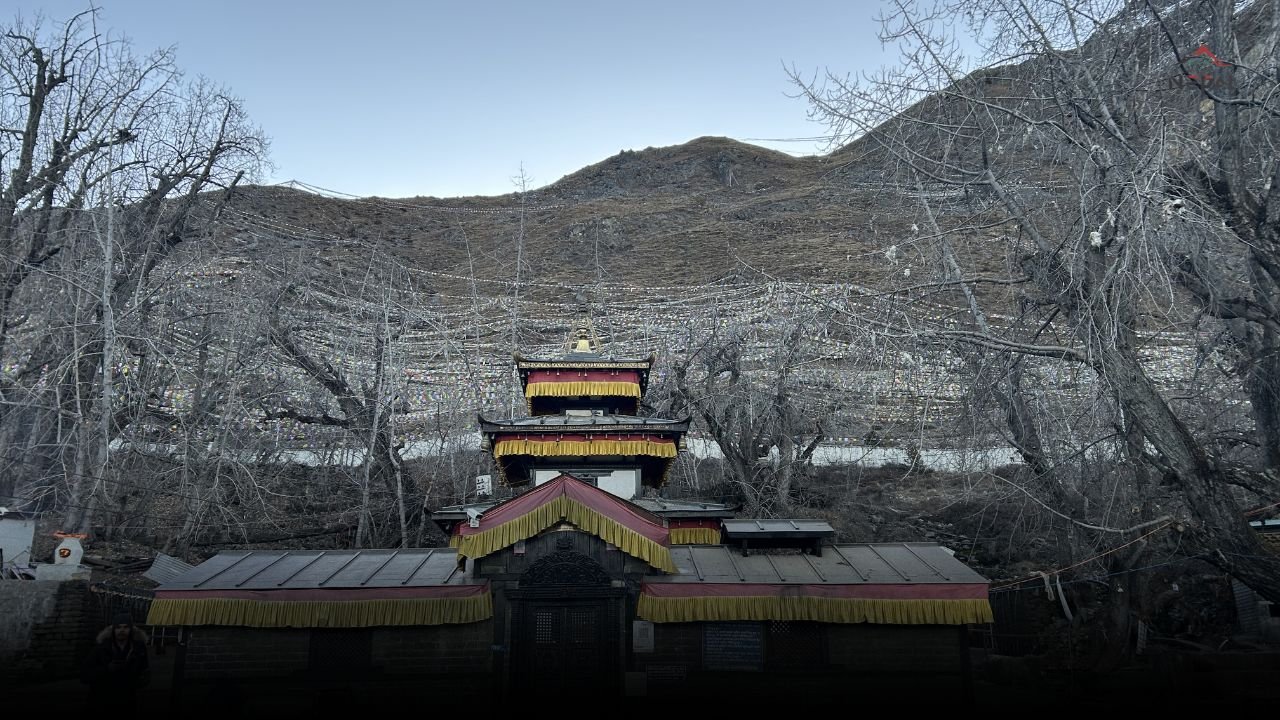
Muktinath Temple
3. Janakpur Dham
Janakpur is believed to be the birthplace of Goddess Sita in Hindu mythology. It holds deep cultural and religious importance, especially for followers of the Ramayana tradition. The Janaki Temple and surrounding sacred ponds reflect unique Mithila architecture.
4. Halesi Mahadev
Often called the “Pashupatinath of Eastern Nepal,” Halesi is a sacred cave temple important to both Hindu and Buddhist traditions. Its natural cave formations combined with religious significance make it a unique heritage candidate.
Why These Sites Matter
Religious heritage sites in Nepal are not just places of worship—they are living cultural systems. Rituals, festivals, pilgrimages, and traditional practices continue without interruption, making them strong candidates for UNESCO recognition.
However, to qualify as a potential UNESCO site in Nepal, these locations must strengthen documentation, conservation planning, and visitor management systems to preserve authenticity while handling increasing tourism.
Challenges for Nepal in Getting New UNESCO Sites
Although Nepal has many strong candidates for a potential UNESCO site in Nepal, there are several challenges that prevent more sites from being added to the World Heritage List.
1. Urbanization and Infrastructure Pressure
Rapid urban growth in cities like Kathmandu, Bhaktapur, and Lalitpur is putting pressure on historic settlements. Modern buildings, roads, and commercial expansion often disrupt traditional architectural harmony.
2. Weak Documentation and Research
Many potential heritage sites lack proper academic research, mapping, and historical documentation. Without detailed records, it becomes difficult to justify Outstanding Universal Value during UNESCO evaluation.
3. Funding and Conservation Limitations
Preserving heritage sites requires continuous investment. Nepal often faces financial constraints in maintaining, restoring, and managing remote cultural and natural sites.
4. Climate Change Impact
Glacial melting, landslides, and unpredictable weather patterns are affecting Himalayan ecosystems. Natural heritage sites are particularly vulnerable.
For example, regions like Sagarmatha National Park face increasing environmental stress due to climate change and tourism pressure.
5. Tourism Pressure
While tourism is economically important, uncontrolled visitor flow can damage fragile cultural and natural environments. Poor infrastructure management can lead to long-term degradation.
6. Administrative and Policy Challenges
Heritage protection often requires coordination between local, provincial, and national authorities. Lack of coordination can slow down nomination and conservation efforts.
7. Earthquake Risk
Nepal is located in a high seismic zone. Past earthquakes have already damaged many historical monuments, highlighting the need for disaster-resilient conservation planning.
Organizations such as ICOMOS and IUCN often highlight these risks during evaluations.
Despite these challenges, Nepal continues to work toward improving heritage protection systems and strengthening its list of future UNESCO candidates.
Benefits of UNESCO World Heritage Status for Nepal
Achieving UNESCO recognition provides significant benefits for any country, and this is especially true for Nepal. A potential UNESCO site in Nepal becomes globally important once it is officially listed, bringing long-term advantages in culture, economy, and conservation.
1. Global Recognition
UNESCO listing gives a site international visibility. It officially recognizes that the location has Outstanding Universal Value, making it important for all humanity.
2. Tourism Growth
World Heritage Sites attract international travelers, researchers, and cultural enthusiasts. This increases tourism revenue and supports local economies.
In Nepal, heritage tourism plays a major role in cities like Kathmandu, Lumbini, and Pokhara.
3. Cultural Preservation
UNESCO status encourages governments to protect traditional architecture, rituals, and cultural practices. It helps preserve identity in a rapidly modernizing world.
4. Funding and International Support
Listed sites often receive technical assistance and funding from global organizations for restoration, conservation, and management.
5. Education and Research Opportunities
Heritage sites become centers for academic study in history, archaeology, architecture, ecology, and anthropology.
6. Sustainable Development
Properly managed heritage tourism supports sustainable economic development while protecting cultural and natural resources.
7. National Pride
UNESCO recognition strengthens national identity and pride. It highlights Nepal’s global importance as a heritage-rich country.
These benefits explain why identifying a potential UNESCO site in Nepal is important for long-term national planning and conservation strategy.
Future of UNESCO Sites in Nepal
The future of UNESCO recognition in Nepal is promising. With its vast cultural diversity and natural beauty, Nepal has strong potential to expand its list of World Heritage Sites. Many experts believe that several potential UNESCO site in Nepal candidates will gain recognition in the coming decades if proper conservation measures are implemented.
Growing Global Awareness
International interest in Himalayan culture, biodiversity, and spirituality is increasing. This creates more opportunities for Nepal to promote its heritage sites globally.
Climate Change Challenges
At the same time, climate change is becoming a major threat to natural heritage areas. Glacial retreat and ecosystem changes require urgent attention.
Digital Documentation
Modern technology such as GIS mapping, 3D scanning, and digital archiving is helping Nepal document heritage sites more effectively, strengthening future nominations.
Community-Based Conservation
Local communities are becoming more involved in protecting heritage sites. This grassroots approach is essential for long-term sustainability.
Government Efforts
Nepal is gradually improving its heritage protection policies and working to strengthen its UNESCO Tentative List.
Future Potential
If properly managed, locations such as Tansen, Rara Lake, Upper Mustang, and spiritual zones like Janakpur and Muktinath could become officially recognized in the future.
The concept of a potential UNESCO site in Nepal is therefore not just theoretical—it represents a real opportunity for cultural preservation, tourism growth, and international recognition.
FAQs
What is a potential UNESCO site in Nepal?
A location in Nepal that has Outstanding Universal Value and may qualify for UNESCO World Heritage status in the future.
Which sites in Nepal could become UNESCO listed?
Tansen, Rara Lake, Upper Mustang, Janakpur, and Gorkha are strong candidates.
What makes a site eligible for UNESCO?
It must meet criteria like authenticity, integrity, and global significance.
Is Rara Lake a UNESCO site?
No, but it is considered a strong future candidate.
Why is Nepal rich in potential UNESCO sites?
Because of its cultural diversity, Himalayan geography, and ancient history.
Nepal is one of the most heritage-rich countries in the world, making it a strong source of future UNESCO recognition. The idea of a potential UNESCO site in Nepal reflects the country’s deep cultural roots, spiritual traditions, and natural diversity.
From ancient towns like Tansen and Bandipur to sacred pilgrimage centers like Janakpur and Muktinath, and from pristine ecosystems like Rara Lake to high-altitude regions like Upper Mustang, Nepal offers an extraordinary variety of heritage landscapes.
However, becoming a UNESCO World Heritage Site requires more than beauty or history. Sites must meet strict criteria defined by the UNESCO, including Outstanding Universal Value, integrity, authenticity, and strong protection systems.
While Nepal already has globally recognized sites such as Lumbini and Sagarmatha National Park, many more locations are still waiting for proper documentation and conservation before they can be nominated.
The future of UNESCO recognition in Nepal depends on how well the country balances development with preservation. Urbanization, climate change, and tourism pressure are real challenges—but they also create urgency for protection.
If properly managed, Nepal has the potential to significantly expand its list of World Heritage Sites in the coming decades. Each potential UNESCO site in Nepal represents not just a location, but a story of human civilization, natural evolution, and cultural identity.
Protecting these sites is not only important for Nepal—it is important for the entire world.
