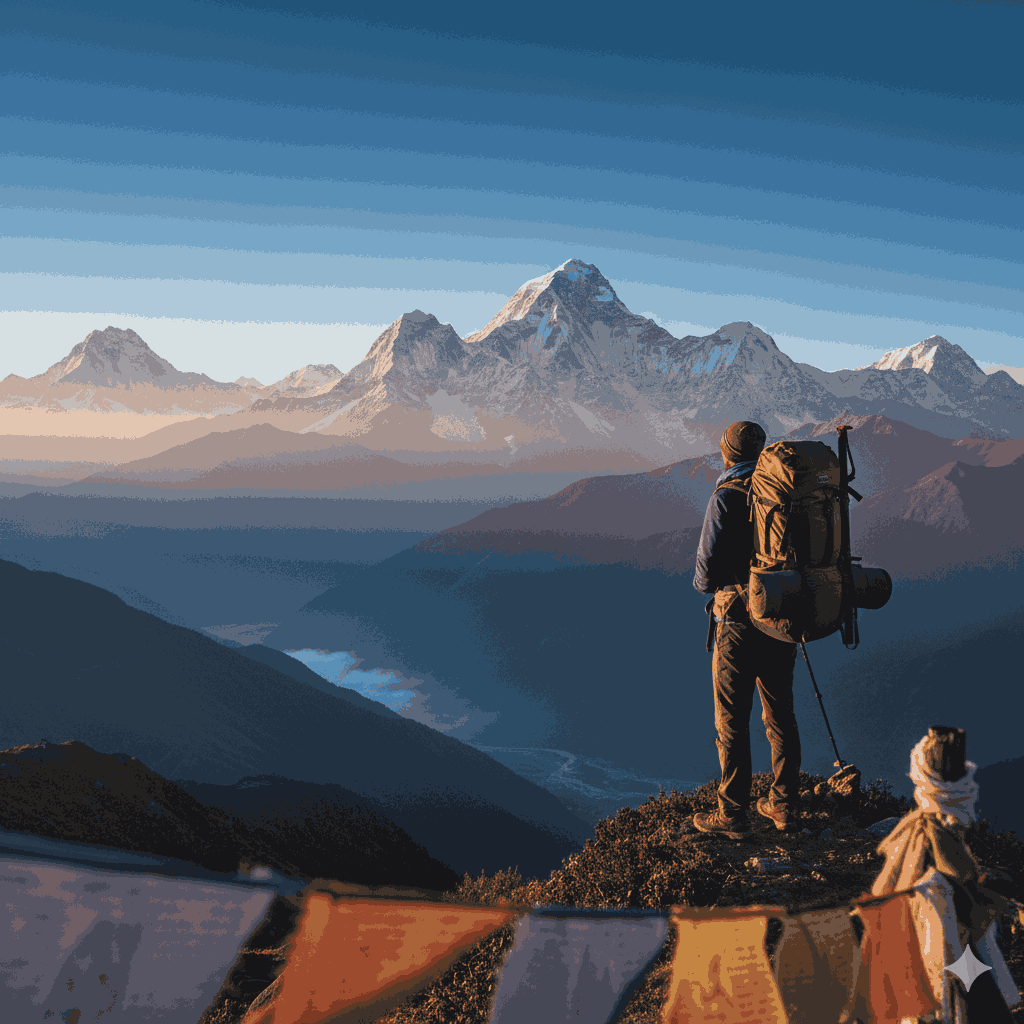
Nepal Travel Safety Advice 2025 – Himalayan trekking overview
Nepal is a land of towering mountains, rich cultural heritage, lush jungles, and warm hospitality. For travelers heading here in 2025, understanding Nepal Travel Safety Advice 2025 is essential to ensure a secure, enjoyable, and memorable journey. Whether you plan to trek the Himalayas, explore ancient temples, or discover urban life in Kathmandu, safety preparation will affect the quality of your experience.
The Nepal Travel Safety Advice 2025 in this guide covers health precautions, etiquette, transport safety, emergency planning, seasonal weather insights, trekking and mountain safety, wildlife guidelines, personal security tips, and digital protections. These practical insights will help you navigate challenges and focus on enjoying Nepal’s wonders.
For a broad context on travel and culture in Nepal, you can start with the Explore All About Nepal homepage at https://exploreallaboutnepal.com/.
Health and Hygiene Guidance
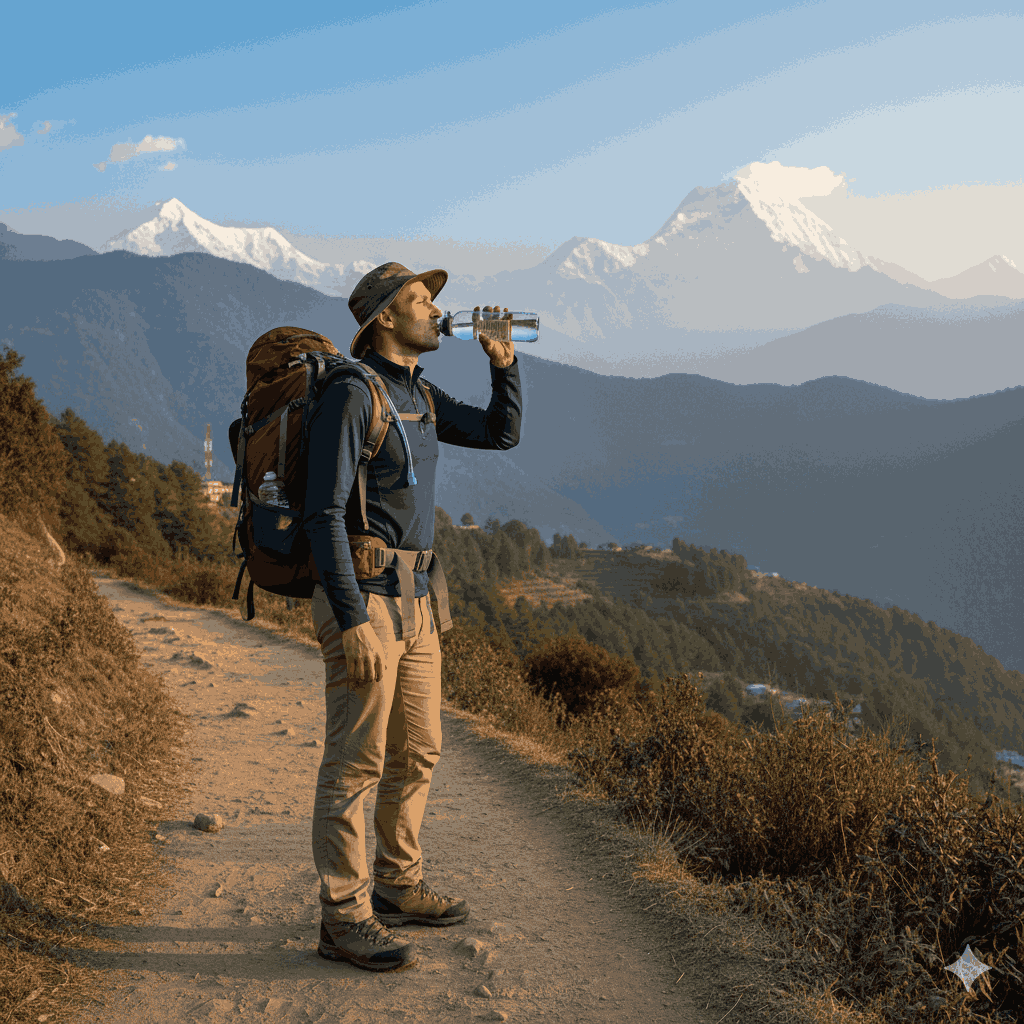
Nepal Travel Safety Advice 2025 – Safe drinking water while trekking
One of the most important strands of Nepal Travel Safety Advice 2025 is health and hygiene. Nepal’s climate and terrain vary drastically from the lowland Terai to the high Himalayan altitudes. Travelers must be prepared for all conditions.
Drink Safe Water
Always use bottled water or boiled water. Tap water is not reliably safe to drink in many parts of Nepal, especially in rural and high elevation areas. Avoid ice unless you know it is made with purified water. Clean hands often with sanitizer and wash food before eating.
Altitude Awareness
If your itinerary includes high-elevation trekking, acclimatization is crucial. Altitude sickness can occur above 2500 meters, and symptoms include headache, nausea, fatigue, and shortness of breath. Slow ascent, plenty of water, and rest days are among the top Nepal Travel Safety Advice 2025 practices to prevent altitude issues.
Food Safety
Street food can be tempting, but always choose vendors with high turnover and freshly cooked foods. Raw salads and unpeeled fruits can carry bacteria. Enjoy local cuisine, but with common sense.
Official health guidance for Nepal travel can be found at the CDC Travel Page for Nepal at https://wwwnc.cdc.gov/travel/destinations/traveler/none/nepal.
Cultural Respect and Local Interactions
Respect for local culture is a key part of effective Nepal Travel Safety Advice 2025. Nepal is deeply traditional, with a mix of Hindu and Buddhist customs that date back centuries. Travelers should dress modestly, especially around religious sites like stupas, temples, and monasteries.
When visiting religious sites, always remove footwear where indicated, speak softly, and ask before taking photos of locals, ceremonies, or monks. If you encounter a ritual or puja, observe quietly. Being culturally sensitive is not only respectful but also enhances your safety and acceptance by locals.
For insights into cultural norms and respectful travel, see Explore All About Nepal Cultural Heritage Guides at https://exploreallaboutnepal.com/cultural-heritage-nepal/.
Transportation and Road Safety
Transportation in Nepal presents unique challenges. Traffic in major cities like Kathmandu and Pokhara can be congested, and road conditions in hilly regions may be narrow and winding. Safe travel is a critical part of Nepal Travel Safety Advice 2025.
Use a Reputable Transport
Always choose registered taxis, private cars, or tourist buses for longer journeys. Avoid unmarked vehicles and travel at night only when necessary. For intercity travel, tourist buses and jeeps booked through hotels or reputable operators are preferable.
Seat Belts and Helmets
Whether in a car or on a bike, seat belts and helmets are essential. Helmets can prevent serious injury in accidents.
For more tips on navigating Nepal’s roads and transport, check the Explore All About Nepal Transportation Guide at https://exploreallaboutnepal.com/nepal-transportation-guide/.
Trekking and Mountain Safety
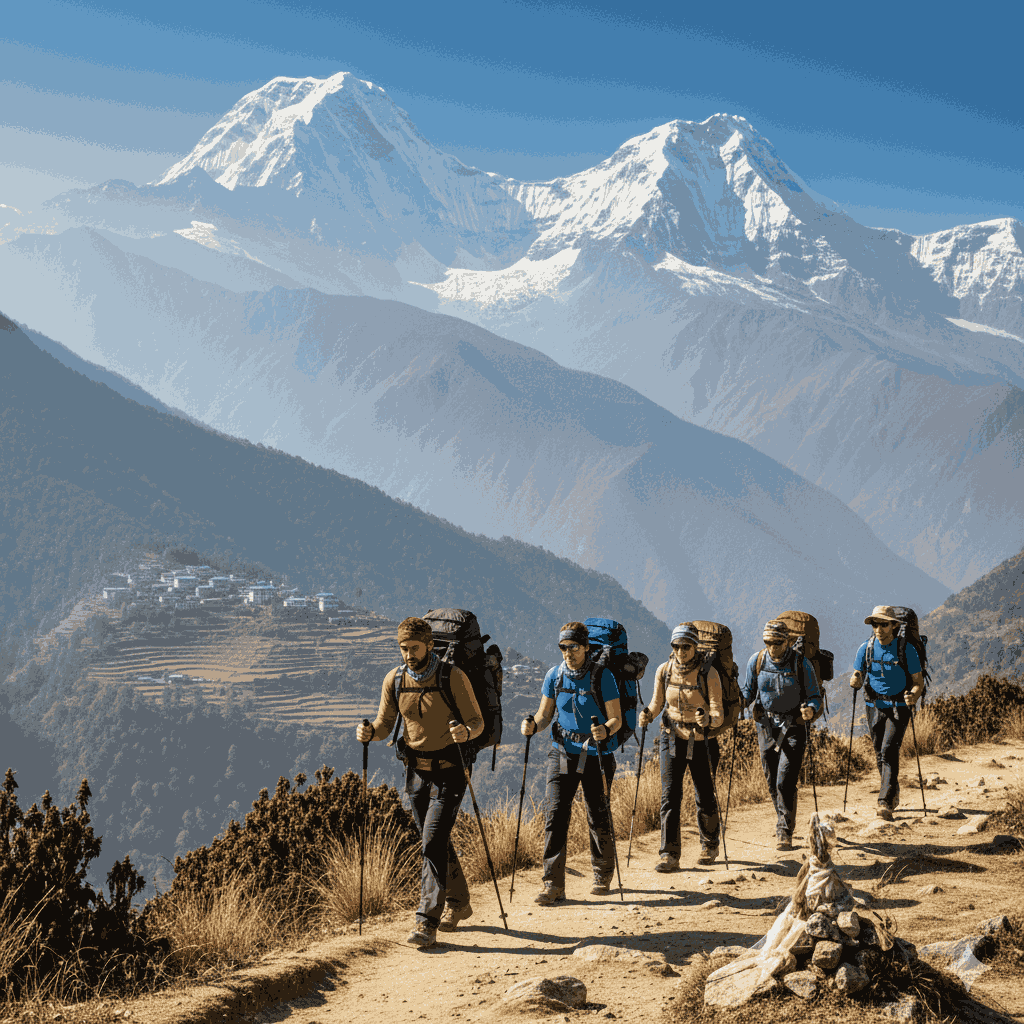
Nepal Travel Safety Advice 2025 – Mountain trekking safety tips
Trekking is a highlight for many visitors to Nepal. Part of effective Nepal Travel Safety Advice 2025 is ensuring you are prepared physically, mentally, and logistically.
Plan Your Route
Research your trekking route thoroughly. If you are a beginner, consider popular trails with established teahouses, like those featured in Explore All About Nepal Intermediate Hiking Trails at https://exploreallaboutnepal.com/intermediate-hiking-trails-near-me/. These routes are ideal for first-time trekkers and offer manageable distances and altitudes.
Hire Local Guides
A certified guide can help navigate terrain, communicate with villages, and deal with unexpected weather or medical issues. Guides know safe routes and local conditions.
Carry Essentials
Pack appropriate footwear, water purification tablets, energy snacks, a first aid kit, and layered clothing. Trekking poles can aid balance on uneven terrain.
Weather Considerations
Himalayan weather changes rapidly. Spring and Autumn are generally stable, while monsoon can bring heavy rain and landslides. Avoid trekking in poor weather.
Wildlife and National Park Safety
Nepal’s jungles and parks, such as Chitwan and Bardia, offer exciting wildlife experiences. However, animal encounters carry risks. Following Nepal Travel Safety Advice 2025 in these areas will help keep you and the animals safe.
Stay with Guides
Never wander alone in national parks. Always stay with your guide or group.
Keep Distance from Animals
Wildlife such as elephants, rhinos, tigers, and deer are unpredictable. Stay on designated trails and maintain a safe distance.
Follow Park Rules
Respect rules and instructions from park rangers. Do not feed or approach animals.
For more about Nepal’s parks and wildlife, visit Explore All About Nepal National Parks .
Money and Personal Security
Pickpocketing and petty theft can occur in busy markets, tourist areas, and public transport. Nepal Travel Safety Advice 2025 includes the following personal security measures:
Secure Valuables
Keep passports, cash, and electronics in hidden money belts or secure pouches. Do not display expensive gadgets or jewelry in crowded places.
Use Hotel Safes
Use your accommodation’s safe for storing extra cash and passports when not needed.
Stay Vigilant in Crowds
Be especially watchful in markets, festivals, and crowded streets.
Weather and Seasonal Precautions
Understanding Nepal’s weather patterns is crucial to staying safe. Mountains, jungles, and cities each have distinct climates. Part of good Nepal Travel Safety Advice 2025 includes:
Monsoon Awareness
From June to August, heavy rain can cause landslides, flooding, and road closures. Avoid rural travel during peak monsoon months.
Winter Cold
High altitude regions can be extremely cold in winter, requiring insulated layers and proper sleeping bags.
Spring and Autumn
These are the most traveler‑friendly seasons, with clear skies and moderate temperatures.
Always check weather forecasts before starting treks or long drives.
Emergency Contacts and Medical Support
Being prepared for emergencies is a central part of Nepal Travel Safety Advice 2025.
Keep These Numbers Handy:
Tourist Police Nepal +977 1 4253785
Emergency Ambulance Services (ask hotel reception for updated local numbers)
Your home country’s embassy or consulate contact
It is strongly advised to purchase travel insurance that includes medical evacuation. Medical facilities in rural regions may be limited, and evacuation to Kathmandu or Pokhara may be necessary in serious cases.
Communication and Connectivity
Staying connected is a key safety measure. Nepal Travel Safety Advice 2025 recommends:
Buy a Local SIM Card
Ncell and Nepal Telecom provide coverage in most urban areas and many trekking regions. A local SIM allows you to make phone calls for help and use GPS or translation apps.
Power Reserve
Always carry a charged power bank, especially when trekking, as charging points may be sparse.
Offline Maps
Download offline maps before travel, as some remote areas have no mobile data.
Religious Sites and Festival Safety
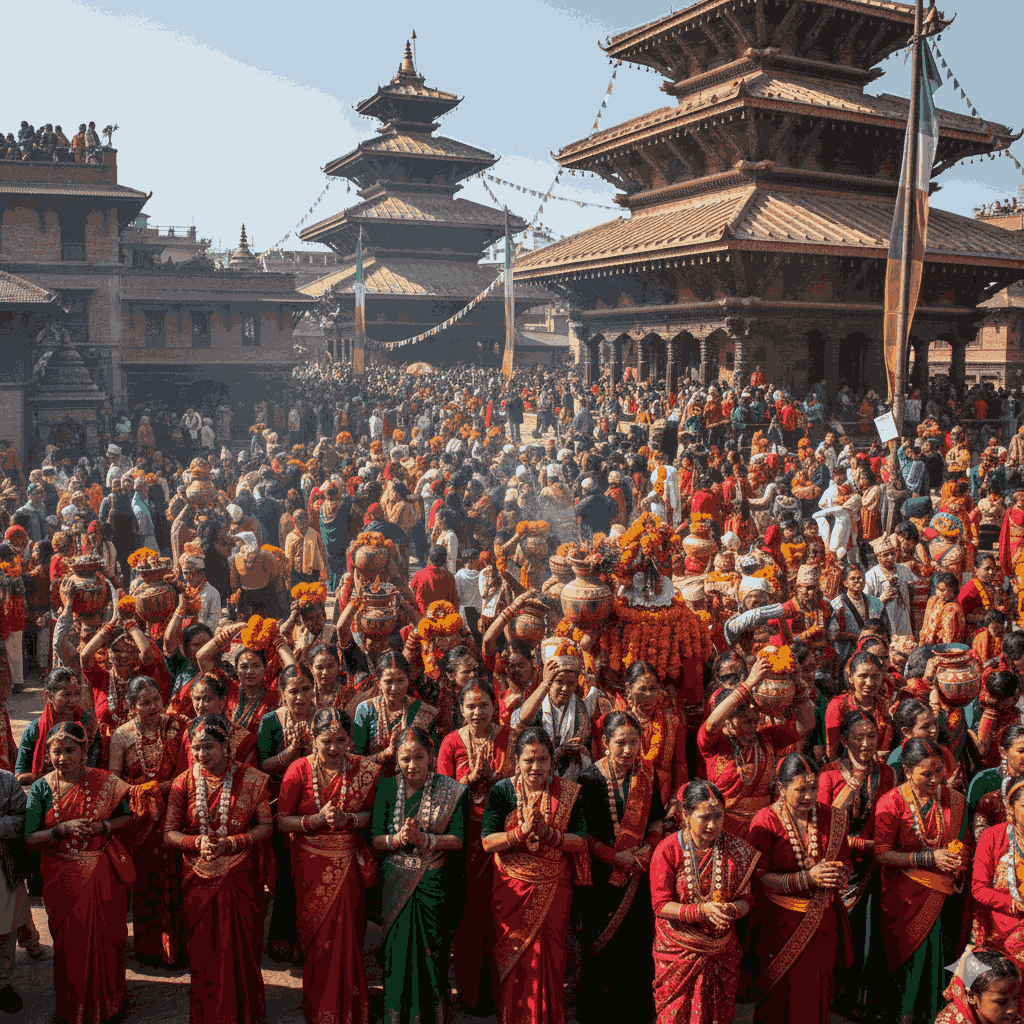
Nepal Travel Safety Advice 2025 – Cultural festival safety in Nepal
Nepal’s festivals and temples attract large crowds. While this is part of the cultural charm, crowd management and personal security are essential elements of Nepal Travel Safety Advice 2025.
Respect Ritual Rules
Keep a respectful distance during ceremonies and follow any guidelines given by temple authorities.
Manage Crowd Risks
During festivals like Dashain, Tihar, and Indra Jatra, streets and temples become crowded. Stay with companions and avoid carrying large bags.
Many religious sites are described in more detail in the Explore All About Nepal Cultural Heritage Guides.
Accommodation Safety
Choosing safe accommodation enhances your overall travel safety. Nepal Travel Safety Advice 2025 includes:
Choose Reputable Hotels
Look for properties with good reviews, secure locks, and 24-hour reception.
Check Fire Safety Measures
Ensure rooms have smoke alarms and clear evacuation routes.
Hostels and Guesthouses
Many hostels in major cities offer safe and friendly environments, but confirm safety features before booking.
Solo Traveler and Women Travel Tips
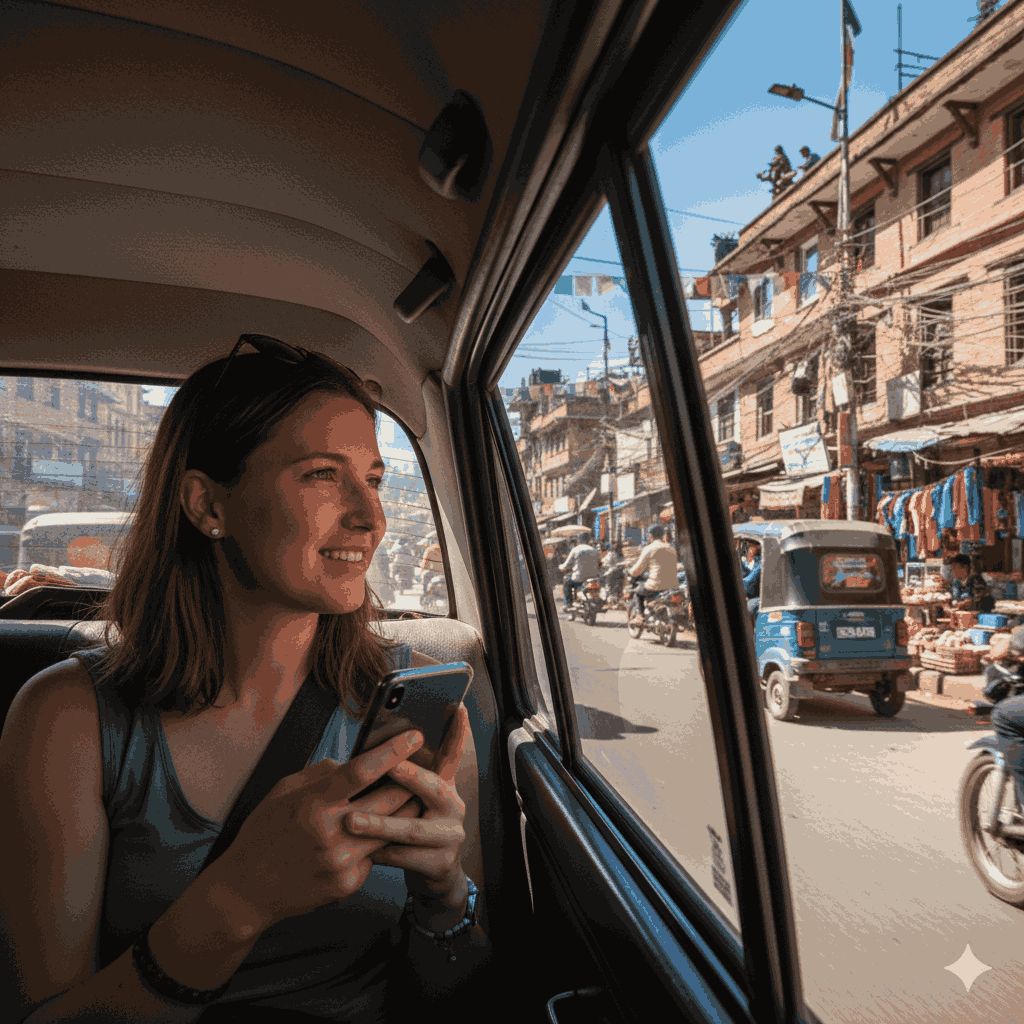
Nepal Travel Safety Advice 2025 – Safe transportation in Nepal
Traveling alone can be profoundly rewarding but requires extra caution. Nepal Travel Safety Advice 2025 includes:
Share Itineraries
Keep family members updated about your travel plans and expected check‑ins.
Stay in Public Areas at Night
Avoid isolated streets after dark, especially if you are a solo traveler.
Respect Local Customs
Women should dress modestly in rural and religious areas. Awareness of cultural norms is a safety strategy.
Food Safety and Dietary Tips
Food is a highlight of any trip, but safety must come first. Nepal Travel Safety Advice 2025 suggests:
Choose Busy Eateries
High turnover means fresh food.
Avoid Ice and Unfiltered Water
Unless you are sure the water is purified, stick to bottled water.
Try Local Dishes Safely
Enjoy dal bhat, momos, and thukpa from trusted vendors.
Adventure Sports and Activities
“Nepal Travel Safety Advice 2025 – Adventure activity safety
Nepal offers rafting, paragliding, canyoning, and more. Safety is critical. Nepal Travel Safety Advice 2025 includes:
Use Licensed Operators
Ensure companies have proper accreditation and a safety record.
Check Equipment Condition
Do not compromise on helmets, harnesses, or life jackets.
Follow the Guide Instructions
Trained guides know local conditions best.
Night Travel Precautions
Exploring Nepal after dusk can be delightful, but night travel requires caution. Nepal Travel Safety Advice 2025 includes:
Use Verified Transport
Hotels can call a reliable taxi. Avoid hailing random vehicles after dark.
Stay in Well-Lit Areas
Stick to busy streets and avoid weakly lit alleys.
Inform Someone
Let someone know your expected return time.
Digital Safety
In the modern travel world, digital protection matters. Nepal Travel Safety Advice 2025 includes:
Use Strong Passwords
Protect your accounts with robust passwords.
Avoid Public WiFi Without VPN
Public networks pose security risks.
Back Up Essential Documents
Keep scanned copies of your passport and travel insurance.
Respect Local Rules and Environment
Respect shared spaces, follow local regulations, and participate in sustainability. Nepal Travel Safety Advice 2025 includes:
Avoid Littering
Keep nature clean, especially in trekking zones.
Respect Wildlife
Do not feed animals or wander off trails.
Respect Community Norms
Learning local norms helps you blend in and stay safe.
Preparing for Unexpected Situations
No travel plan is complete without contingency steps. Effective Nepal Travel Safety Advice 2025 includes:
Emergency Supplies
Carry extra snacks, water, and basic medical items.
Know Local Emergency Numbers
Keep these on speed dial.
Plan Alternate Routes
In case the weather or roads close, have backup plans.
Frequently Asked Questions
Q1: Is Nepal safe for tourists in 2025?
Yes, Nepal is safe for tourists when they follow the recommended Nepal Travel Safety Advice 2025 and stay aware of local conditions.
Q2: What vaccinations do I need?
Routine vaccines like tetanus, hepatitis A, and typhoid are recommended. Check the CDC Travel Page for Nepal at https://wwwnc.cdc.gov/travel/destinations/traveler/none/nepal.
Q3: Can I drink tap water in Nepal?
Tap water is not reliably safe. Drink bottled or purified water only.
Q4: Should I get travel insurance?
Absolutely. Travel insurance that covers trekking and medical evacuation is part of Responsible Nepal Travel Safety Advice 2025.
Q5: Are taxis safe in Nepal?
Yes, but use reputable taxi services or hotel-arranged transport.
Visiting Nepal is a life‑changing experience, and integrating these Nepal Travel Safety Advice 2025 tips into your planning will make your trip secure and enjoyable. Take care of your health, respect local culture, prepare for altitude and weather, and always stay aware of your surroundings. With safety measures in place, you can focus on breathtaking landscapes, rich traditions, and unforgettable cultural experiences.
For further travel guidance and up‑to‑date safety resources, always check official sites and local sources before departure.
