

Standing at an elevation of 8,848.86 meters (29,031.7 feet), Mount Everest is the highest mountain on Earth and one of the most challenging places a human can visit. Located in the Himalayas on the border between Nepal and Tibet, Everest has attracted adventurers, explorers, and mountaineers from around the world for decades. For many climbers, reaching the summit is the ultimate achievement, representing years of preparation, determination, and resilience.
Climbing Everest is far from easy. The mountain is known for its extreme weather, freezing temperatures, powerful winds, and dangerously low oxygen levels. Every year, hundreds of climbers attempt to reach the top, but only those with the right combination of skill, fitness, experience, and support have a chance of success. Despite the risks, Everest continues to inspire people to test their limits and pursue extraordinary dreams.
Among the many remarkable stories associated with Everest, one stands out for capturing global attention. In May 2010, a 13-year-old American boy named Jordan Romero became the youngest person ever to reach the summit of Mount Everest. His achievement shocked the world and sparked debates about age limits, safety, and the role of young people in extreme adventure sports.
Jordan’s accomplishment was not simply about setting a record. It was the result of years of preparation, a passion for mountaineering, and a dream that began when he was just a child. His journey inspired millions and continues to be discussed in the mountaineering community today.
In this article, we will explore the inspiring story of the youngest person to climb Everest, examine the challenges he faced, discuss the controversies surrounding young climbers on the mountain, and look at how his record continues to inspire adventurers around the world.
Mount Everest – The Mountain That Defines Human Adventure
Mount Everest is more than just the tallest mountain on Earth. It is a symbol of human ambition, courage, and perseverance. For generations, explorers have viewed Everest as the ultimate challenge, a place where the limits of human endurance are tested against the forces of nature.
The mountain lies in the Mahalangur Himal range of the Himalayas and forms part of the border between Nepal and China. Known as Sagarmatha in Nepal and Chomolungma in Tibet, Everest holds deep cultural and spiritual significance for local communities.
The modern history of Everest climbing began in the early twentieth century when explorers started mapping and studying the mountain. After numerous unsuccessful attempts, the summit was finally reached on May 29, 1953, by Sir Edmund Hillary and Tenzing Norgay. Their achievement transformed Everest into a global symbol of exploration and adventure.
Today, Everest attracts climbers from every corner of the world. Some seek personal fulfillment, while others pursue world records or professional mountaineering goals. Reaching the summit requires months of training, significant financial investment, and careful planning.
The dangers are substantial. Climbers must deal with extreme altitude, where oxygen levels are only about one-third of those at sea level. They face risks from avalanches, crevasses, icefalls, frostbite, and sudden weather changes. The infamous “Death Zone” above 8,000 meters presents additional dangers because the human body begins to deteriorate rapidly at such elevations.
Despite these challenges, Everest remains the ultimate dream for many adventurers. It represents the possibility of achieving what seems impossible, which is why stories like Jordan Romero’s continue to capture the world’s imagination.
Who Is the Youngest Person to Climb Everest?
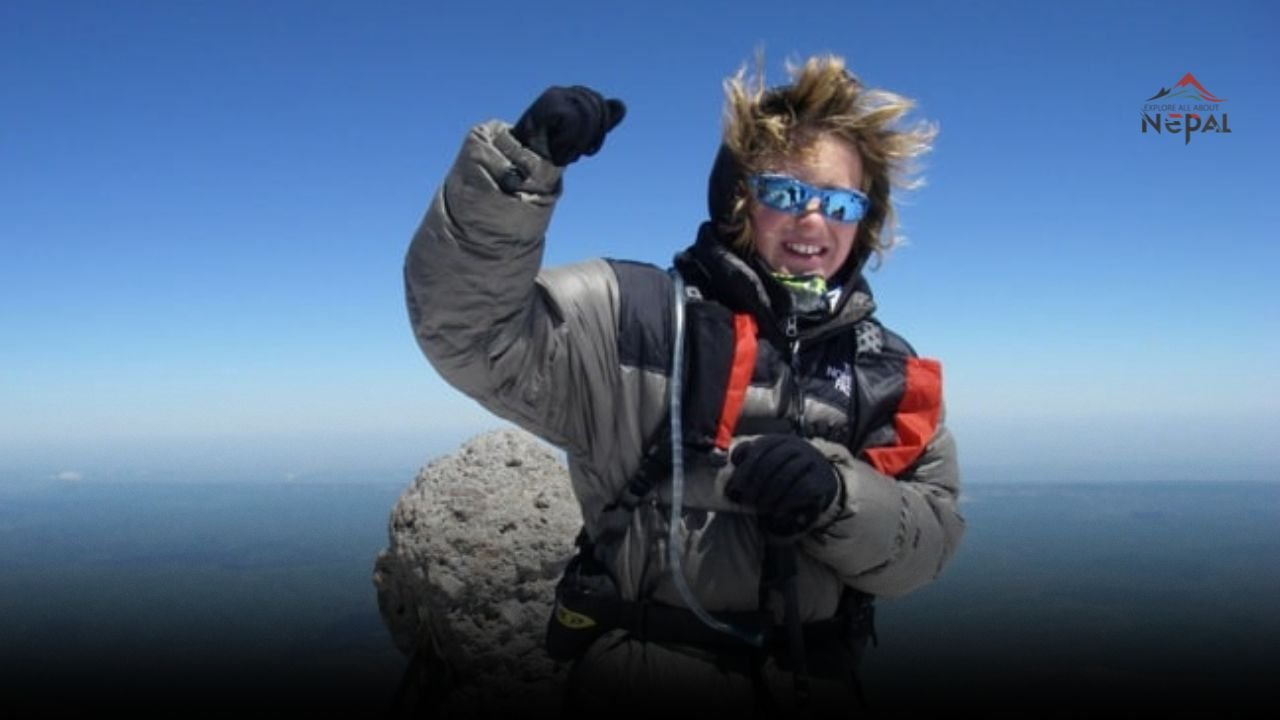
The title of the youngest person to climb Mount Everest belongs to Jordan Romero, an American mountaineer who reached the summit on May 22, 2010, at the age of 13 years and 10 months. His achievement made headlines around the world and established a record that still stands today.
jordan romero
Jordan was born on July 12, 1996, in California, United States. Unlike many children his age, he developed an interest in mountaineering at a very young age. His fascination with climbing began after seeing a mural depicting the highest mountains on each continent in his school’s hallway. That image sparked a dream that would eventually take him to the highest point on Earth.
As Jordan grew older, he became increasingly committed to climbing. While most teenagers were focused on school activities and sports, he was training for high-altitude expeditions. His goal was ambitious: to climb the highest mountain on every continent, known as the Seven Summits challenge.
When Jordan announced his plan to climb Everest, many people questioned whether someone so young should attempt such a dangerous mountain. Critics argued that Everest’s risks were too great for a child, while supporters pointed to his extensive preparation and previous climbing experience.
To complete the expedition, Jordan climbed from the Tibetan side of Everest, accompanied by his father, stepmother, and a team of experienced Sherpa guides. After weeks of acclimatization and climbing through harsh conditions, he successfully reached the summit.
The achievement immediately attracted international media attention. News organizations around the world reported on the remarkable accomplishment, and Jordan became a symbol of youthful determination and ambition. His record surpassed the previous youngest climber record held by Nepali climber Temba Tsheri Sherpa.
Jordan Romero’s name is now permanently linked with Everest history, demonstrating that age alone does not define what a person can achieve when supported by preparation, discipline, and perseverance.
Jordan Romero’s Journey Before Everest
Long before he became known as the youngest person to climb Everest, Jordan Romero was already developing the mindset and skills that would help him achieve what many considered impossible. His story did not begin on the slopes of Everest but rather in his childhood, where a simple school mural inspired a dream that would eventually capture the world’s attention.
Jordan’s fascination with mountains reportedly began when he noticed a mural at school displaying the highest peaks on each continent. While many students may have walked past it without a second thought, Jordan became deeply intrigued. He started learning about famous mountains, explorers, and mountaineers who had pushed the boundaries of human achievement. This curiosity soon evolved into a goal: climbing the Seven Summits, the highest mountain on each continent.
Unlike casual hikers, Jordan began building mountaineering experience at a young age. His family played a significant role in supporting his ambitions. His father, Paul Romero, shared his enthusiasm for adventure and helped him train for increasingly challenging climbs. Together, they embarked on expeditions that allowed Jordan to gain valuable experience in harsh environments.
Before Everest, Jordan had already climbed several significant peaks. These expeditions taught him essential skills such as using crampons, handling ice axes, navigating glaciers, and understanding how the body reacts to altitude. Each climb served as preparation for larger challenges ahead.
Training for Everest involved much more than physical fitness. Jordan had to learn patience, discipline, and risk management. High-altitude climbing requires months of preparation, including cardiovascular conditioning, strength training, and acclimatization strategies. His team carefully planned every aspect of the expedition to minimize risks and maximize safety.
Many critics assumed that Jordan’s age made him unprepared for Everest. However, supporters argued that his climbing résumé already surpassed that of many adult adventurers. By the time he approached Everest, he had accumulated years of mountain experience and demonstrated a maturity that impressed many experienced climbers.
His journey illustrates an important lesson: extraordinary achievements rarely happen overnight. Behind every world record lies years of preparation, sacrifice, and commitment. Jordan’s ascent of Everest was not the result of luck but rather the culmination of a dream that he pursued with remarkable dedication from a young age.
The Everest Expedition That Made History
Jordan Romero’s Everest expedition in 2010 was one of the most closely watched climbing attempts in recent memory. Because of his age, the expedition attracted media attention long before he reached the mountain. Supporters saw the climb as an inspiring example of determination, while critics questioned whether someone so young should attempt such a dangerous challenge.
One of the most important decisions made by Jordan’s team was choosing the northern route through Tibet rather than the traditional southern route through Nepal. At the time, Nepal required Everest climbers to be at least 16 years old, which meant Jordan could not legally attempt the climb from the Nepali side. The Tibetan route did not have the same age restrictions, making it possible for the expedition to proceed.
The journey began with weeks of acclimatization. Climbers cannot simply arrive at Everest and head directly for the summit. The human body needs time to adapt to lower oxygen levels. Jordan and his team spent several weeks moving between camps at increasing elevations, allowing their bodies to adjust gradually.
Life on Everest was challenging. Temperatures frequently dropped well below freezing, and strong winds could create dangerous conditions without warning. Every task, from melting snow for drinking water to putting on climbing gear, required extra effort at high altitude.
As the team moved higher on the mountain, the risks increased. Above 8,000 meters lies the Death Zone, where oxygen levels are so low that the human body begins to deteriorate. Even simple movements become exhausting, and climbers face constant threats from altitude sickness, frostbite, and severe weather.
On May 22, 2010, Jordan Romero successfully reached the summit of Mount Everest. Standing at the highest point on Earth, he became the youngest person ever to accomplish the feat. The achievement was celebrated around the world and immediately entered the record books.
The successful climb was not solely Jordan’s accomplishment. It reflected the efforts of a highly experienced support team, including Sherpa guides, expedition organizers, and family members who helped make the dream possible. Their combined expertise played a crucial role in ensuring the climb was completed safely.
Jordan’s historic ascent demonstrated what careful planning, training, and teamwork can achieve, even in one of the harshest environments on the planet.
How Difficult Is Everest for a Young Teenager?
Climbing Mount Everest is difficult for anyone, regardless of age. Even experienced adult mountaineers spend years preparing for the challenge. When the climber is only 13 years old, the physical and mental demands become an even greater subject of discussion.
The first major challenge is altitude. At sea level, oxygen is abundant, allowing the body to function normally. On Everest, oxygen levels decrease dramatically as climbers ascend. Above 8,000 meters, there is only about one-third of the oxygen available at sea level. This can lead to headaches, fatigue, confusion, and potentially life-threatening altitude illnesses.
For younger climbers, questions arise about how developing bodies respond to such extreme conditions. Medical experts continue to debate whether children and teenagers face unique risks at very high altitudes. While some research suggests younger climbers may adapt similarly to adults, others argue that limited scientific data makes it difficult to draw firm conclusions.
Physical strength is another consideration. Everest requires climbers to carry equipment, endure long days of climbing, and withstand freezing temperatures. Although Jordan Romero was younger than most Everest climbers, he had spent years training and developing the endurance necessary for high-altitude mountaineering.
Mental resilience is equally important. Climbers must remain calm under pressure, make good decisions when exhausted, and maintain focus in dangerous situations. Many experienced mountaineers believe mental strength often matters more than physical fitness on Everest.
Weather presents additional challenges. Conditions can change rapidly, turning a manageable climb into a life-threatening situation. Strong winds, snowstorms, and freezing temperatures require climbers to make careful decisions and sometimes abandon summit attempts for safety reasons.
The success of young climbers often depends heavily on support systems. Experienced guides, expedition leaders, Sherpas, and family members help monitor health, assess risks, and make critical decisions throughout the climb.
Jordan Romero’s achievement highlighted the fact that age alone does not determine climbing ability. However, it also reinforced the importance of proper preparation, expert guidance, and responsible decision-making. His successful ascent remains an exceptional accomplishment rather than a standard expectation for young adventurers.
The Debate Over Young Climbers on Everest
Jordan Romero’s record-setting ascent generated widespread admiration, but it also sparked one of the most significant debates in modern mountaineering. The question was simple yet controversial: should children be allowed to climb Mount Everest?
Supporters argued that Jordan’s climb demonstrated what determined young people can accomplish with proper preparation and support. They pointed out that he had extensive climbing experience, underwent careful training, and was accompanied by experienced adults and professional guides. From this perspective, age alone should not automatically prevent someone from pursuing ambitious goals.
Many also viewed Jordan’s success as an inspiring story about perseverance and personal achievement. His climb encouraged young people worldwide to dream big and work hard toward their goals. For supporters, the expedition showcased the positive side of adventure and exploration.
Critics, however, raised serious concerns about safety. Everest remains one of the world’s most dangerous mountains, and even experienced adult climbers sometimes lose their lives during expeditions. Opponents argued that children may not fully understand the risks involved and that adults have a responsibility to protect them from potentially life-threatening situations.
Medical experts also expressed concerns about the limited research available regarding young people at extreme altitudes. Because relatively few children have attempted such climbs, there is still uncertainty about the long-term effects of prolonged exposure to very high elevations.
Another concern involved decision-making. Experienced climbers often face situations where they must turn back from the summit to preserve safety. Critics questioned whether young climbers possess the maturity necessary to make such difficult choices under pressure.
The debate intensified as media outlets around the world covered Jordan’s achievement. Some praised his courage and determination, while others questioned whether the record should have been pursued in the first place.
Regardless of where people stand on the issue, Jordan Romero’s climb had a lasting impact on discussions surrounding youth participation in extreme sports. His achievement continues to serve as a case study in balancing ambition, opportunity, safety, and responsibility.
Nepal’s Age Rules for Everest Climbers Today
The discussion surrounding young climbers on Mount Everest eventually led to increased attention on climbing regulations, particularly those related to age restrictions. While Jordan Romero successfully climbed Everest at the age of 13, his achievement also highlighted the differences in regulations between Nepal and Tibet and raised important questions about how governments should balance adventure tourism with climber safety.
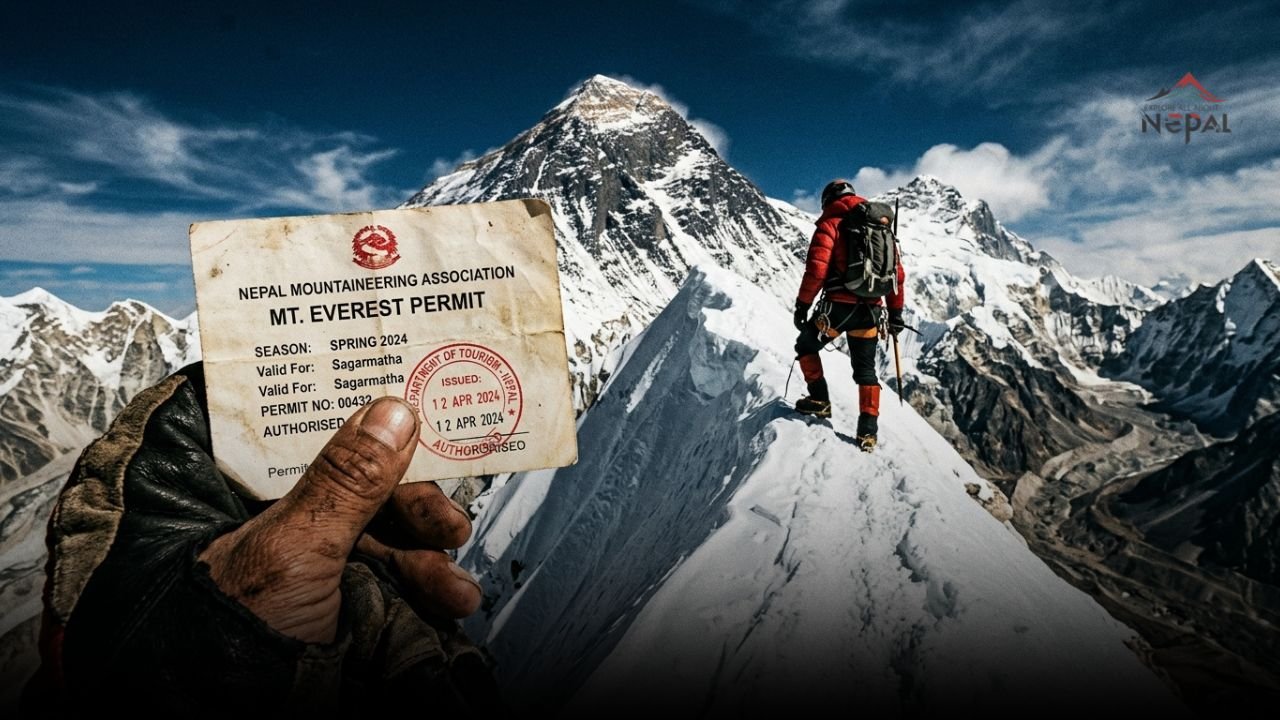
Today, Nepal has established clear rules regarding who can attempt Mount Everest from the Nepali side of the mountain. Under current regulations, climbers must generally be at least 16 years old to receive an Everest climbing permit. These rules were designed to ensure that climbers possess a certain level of maturity, physical development, and decision-making ability before attempting one of the world’s most demanding mountains.
Nepal’s Age Rules for Everest Climbers
Before Jordan Romero’s climb in 2010, Nepal’s age restrictions already prevented him from attempting Everest through the southern route. As a result, his expedition chose the northern route through Tibet, where different regulations applied. This decision allowed him to legally pursue his goal and ultimately set the world record.
Age restrictions are not unique to Everest. Many countries impose minimum age requirements for dangerous activities such as scuba diving, aviation, and high-altitude expeditions. The purpose is not to discourage participation but to reduce risk and improve safety outcomes.
Supporters of age restrictions argue that Everest presents challenges that go beyond physical fitness. Climbers must make complex decisions in life-threatening situations, manage fatigue, respond to changing weather, and recognize symptoms of altitude-related illnesses. These responsibilities require maturity and judgment that younger individuals may still be developing.
However, some mountaineers argue that experience and training are more important than age alone. They point to climbers like Jordan Romero who demonstrated exceptional preparation and successfully completed expeditions that many adults could not. From this perspective, a strict age limit may not accurately reflect an individual’s capability.
Nepal’s regulations continue to evolve as authorities seek to improve safety standards on Everest. In recent years, discussions have also focused on climber experience requirements, environmental protection, waste management, and crowd control on the mountain.
Regardless of future policy changes, Jordan Romero’s record remains an important part of Everest history. His climb helped bring international attention to the challenges of regulating high-altitude mountaineering and continues to influence discussions about youth participation in extreme adventure sports today.
Youngest Female to Climb Everest and Other Youth Records
While Jordan Romero holds the record as the youngest person to climb Everest, several other young climbers have achieved remarkable milestones on the world’s highest mountain. Their stories demonstrate that determination, preparation, and resilience can lead to extraordinary accomplishments even at a young age.
One of the most inspiring names in Everest history is Malavath Purna. Born into a poor family in India, Purna overcame significant social and economic challenges to become the youngest female climber to summit Everest. On May 25, 2014, she reached the summit at the age of 13 years and 11 months.
Purna’s achievement attracted global attention because it represented much more than a mountaineering record. Her success showed how opportunity, education, and determination can transform lives. She became a symbol of empowerment for young people, especially girls from underprivileged backgrounds.
Another notable record holder is Ming Kipa. In 2003, Ming Kipa reached the summit at the age of 15, becoming the youngest female Everest climber at the time. As a member of Nepal’s Sherpa community, her achievement highlighted the deep connection between Sherpas and high-altitude mountaineering.
Arjun Vajpai also earned international recognition when he climbed Everest at age 16 in 2010. His accomplishment demonstrated that young climbers from South Asia were increasingly making their mark in the world of mountaineering.
These achievements often receive widespread media attention because they challenge common assumptions about age and capability. However, they also remind us that every successful summit is supported by extensive preparation, experienced guides, and strong support networks.
Comparing these climbers reveals an interesting trend: many of the youngest Everest summiters share similar characteristics. They possess exceptional dedication, receive strong mentorship, and spend years preparing for their goals. Their stories are not simply about youth but about commitment and perseverance.
Today, these record holders continue to inspire future generations of adventurers. Their achievements demonstrate that extraordinary goals can be achieved when ambition is matched with preparation and discipline.
How Young Climbers Prepare for Everest
Many people are amazed when they hear about teenagers climbing Everest, but few realize the amount of preparation required before such an expedition becomes possible. Successful Everest climbers, regardless of age, spend years developing the skills, fitness, and experience necessary to survive and succeed on the mountain.
Physical conditioning is one of the most important aspects of preparation. Climbers must build cardiovascular endurance, muscular strength, and overall fitness. Training often includes hiking with heavy backpacks, running, cycling, strength exercises, and long-distance trekking. The goal is to prepare the body for weeks of demanding activity at high altitude.
Technical mountaineering skills are equally important. Climbers need to learn how to use ropes, harnesses, crampons, ice axes, and other specialized equipment. They must understand glacier travel, crevasse rescue techniques, and safe movement on steep snow and ice.
For young climbers, gaining experience on smaller mountains is essential. Before attempting Everest, most successful climbers spend years ascending progressively higher and more difficult peaks. This gradual approach helps them develop confidence while learning how their bodies respond to altitude.
Mental preparation is another critical factor. Everest requires patience, discipline, and resilience. Climbers often face setbacks, difficult weather conditions, and physical discomfort. The ability to remain calm under pressure can be just as important as physical fitness.
Acclimatization plays a major role in Everest success. Because oxygen levels decrease with altitude, climbers must allow their bodies time to adjust. This process involves spending weeks moving between camps at different elevations before attempting the summit.
Young climbers typically benefit from strong support systems that include family members, coaches, guides, and medical professionals. These individuals help monitor health, provide training, and ensure that safety remains the top priority.
Jordan Romero’s success was not the result of youthful enthusiasm alone. It reflected years of preparation, careful planning, and support from experienced climbers. His story demonstrates that while youth can bring energy and determination, success on Everest ultimately depends on preparation and responsibility.
Everest Records Beyond Age
Although Jordan Romero’s achievement as the youngest person to climb Everest is remarkable, it is only one of many extraordinary records associated with the mountain. Over the decades, Everest has become a stage for some of the most incredible accomplishments in human endurance and exploration.
One of the most famous records belongs to the oldest person to climb Everest. Climbers in their seventies and even eighties have successfully reached the summit, proving that age does not necessarily prevent people from pursuing ambitious goals. These achievements demonstrate that determination and preparation can remain strong throughout life.
Another category of records involves speed ascents. Some climbers have reached the summit in astonishingly short periods of time, often after extensive acclimatization. These attempts require exceptional fitness, careful planning, and favorable weather conditions.
Everest is also home to records for the highest number of successful summits. Several Sherpa climbers have reached the summit dozens of times, establishing records that may never be matched. Their achievements reflect extraordinary experience and a deep connection to the mountain.
There are also records related to unique circumstances, including climbers with disabilities who have successfully reached the summit. These accomplishments serve as powerful examples of perseverance and determination.
Perhaps the most inspiring aspect of Everest records is the diversity of people who achieve them. Climbers come from different countries, cultures, professions, and backgrounds. Some are professional mountaineers, while others are ordinary individuals pursuing lifelong dreams.
What unites these record holders is their willingness to embrace challenges that most people would consider impossible. Whether it is a teenager like Jordan Romero, a veteran climber in their seventies, or a Sherpa guide completing multiple summits, each achievement contributes to Everest’s reputation as a mountain where human potential is continually redefined.
These records remind us that Everest is more than just a mountain. It is a symbol of ambition, resilience, and the endless desire to explore what lies beyond perceived limits.
