
Deep in Nepal’s far northwest, along the old salt and wool trade routes to Tibet, lies one of the country’s least-visited trekking regions: the Humla Changla Valley. This is not a teahouse trek. It’s a full camping expedition through isolated Buddhist villages, high alpine pastures, and a remote pass above 5,000 meters a route so far off the radar that most trekkers who’ve done Everest Base Camp or the Annapurna Circuit have never even heard of it. This guide covers what the trek involves, how to get there, and what to expect.
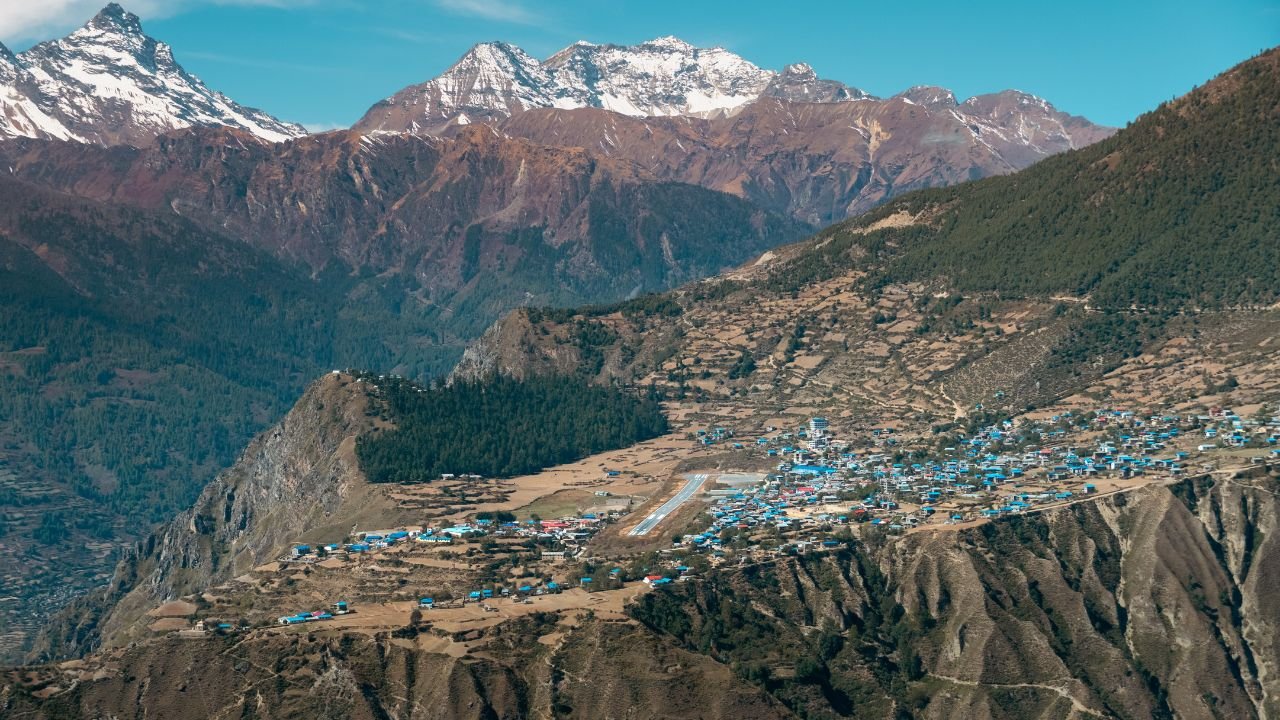
Humla Changla Valley Trek: Photo by Nishant Rana
What Is the Humla Changla Valley Trek
The Humla Changla Valley Trek is a relatively new, off-the-beaten-path route through Nepal’s Humla district, one of the most remote and unspoiled corners of the country, bordering Tibet in the far northwest. The trek starts in Simikot, the district headquarters, and heads east through the villages of Thehe and Dozam before following the Chang River through valleys rich in medicinal forest plants and wildlife.
The trek’s namesake highlight is the view of Changla, a peak standing at roughly 6,900 meters, along with the pristine lakes and surrounding peaks near it. Depending on the itinerary, some routes continue on to touch the Limi Valley before looping back to Simikot via Kermi village while other operators run it as an out-and-back journey, or combine it with a route toward Mount Kailash and Lake Manasarovar via Lapcha La for those wanting a spiritual pilgrimage dimension to the trip.
Because this is a historic trade route rather than a built-for-tourism trail, you’ll be walking paths still used by local herders moving yaks along the same seasonal routes their families have used for generations not a manufactured trekking experience.
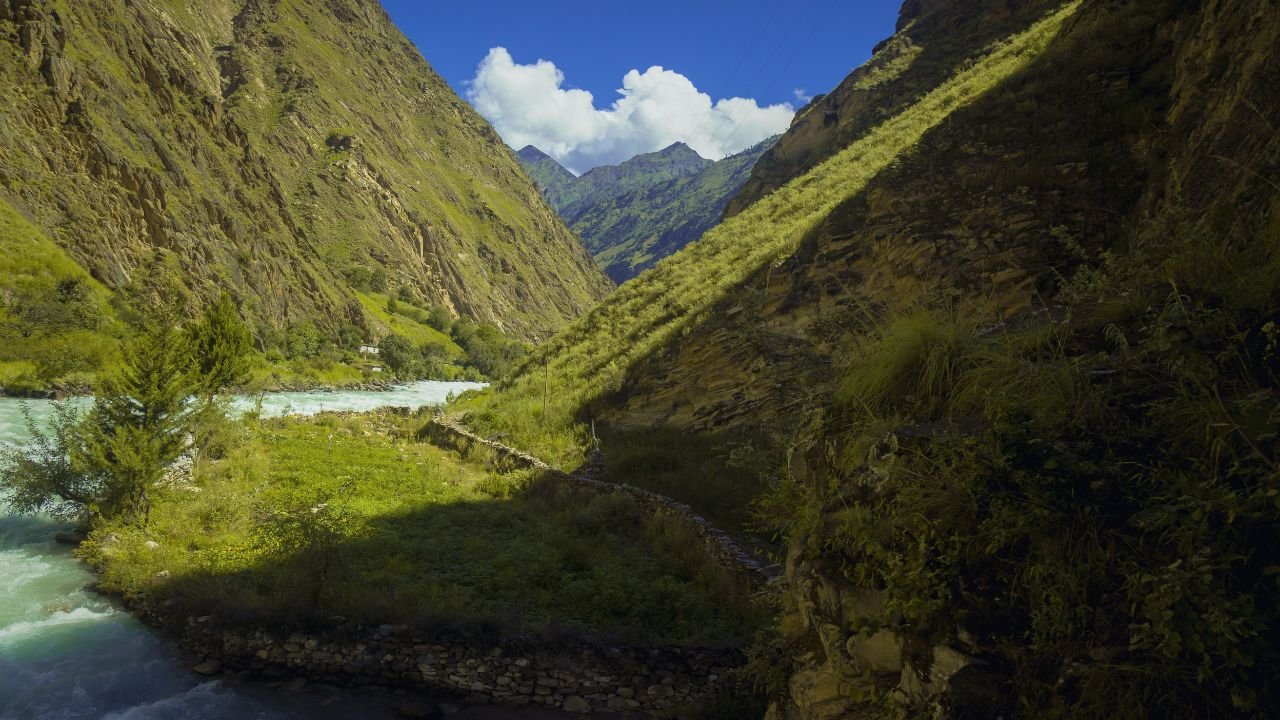
Humla Changla Valley: Photo by Ashok J Kshetri
How to Get There
Access starts with a flight to Nepalgunj, followed by a short connecting flight (around 45 minutes) to Simikot at 2,910 meters. Flights into Simikot are frequently affected by weather, so it’s worth building buffer days into your schedule on both ends of the trip. Once in Simikot, the trek begins on foot there’s no road access into the Changla Valley itself.
Because Humla is a restricted border area, trekkers need a special restricted-area permit, arranged in advance through a licensed trekking operator, and typically must trek as part of an organized group rather than independently.
What to Expect on the Trail
This is a fully supported camping trek, not a teahouse trek. Once you’re past the early villages near Simikot, there are no lodges trekking companies bring tents, a cooking crew, and often porters or mules to handle gear. Expect:
- Simikot (2,910m): The trek’s starting point and Humla’s main administrative hub, where flights are often delayed by weather and daily life still moves largely on foot and by yak.
- Villages like Bargaun, Thehe, and Dojam: Culturally diverse settlements where Buddhist and Hindu traditions both have a presence, offering a rare look at everyday life in one of Nepal’s most isolated regions.
- Camping-only sections: Past Dojam, the trail moves into long stretches with no villages or lodges pure wilderness camping through open valleys and rocky high pastures.
- Wildlife spotting: The stretch around Takchi to Chhorten Chhobu is noted as a good area for spotting Himalayan wildlife.
- Phyajang La Pass (5,496m): The trek’s high point, a long, gradual climb where thin air above 5,000 meters makes the going tough, even though the trail itself isn’t technically difficult.
Trip lengths vary significantly by operator and route some itineraries run around 20–24 days depending on whether the Limi Valley loop or the Kailash extension is included.
Difficulty and Who This Trek Is For
This is a strenuous trek best suited to experienced high-altitude trekkers. The combination of long camping days, thin air above 5,000m at Phyajang La, and the logistical demands of a full expedition-style trip (no teahouses, no easy exit points) means it’s not a good first Himalayan trek. It suits travelers who:
- Have prior high-altitude trekking experience
- Are comfortable with multi-day camping and basic facilities
- Want genuine solitude very few trekkers visit this region each year
- Are looking for an alternative to crowded routes like Everest Base Camp or the Annapurna Circuit
Why Trek Humla Changla Valley Instead of a Classic Route
The appeal here isn’t comfort it’s authenticity. You get close, unfiltered contact with a caravan culture that has barely changed in centuries, landscapes that haven’t been shaped for tourism, and a level of solitude that’s almost impossible to find on Nepal’s more established trails. If the crowds of Everest Base Camp or the manufactured feel of some Annapurna teahouses have put you off, this is close to the opposite experience.
Practical Tips
- Book through a licensed operator experienced with Humla’s restricted-area permits this isn’t a trek you can arrange independently.
- Build in extra days around your Nepalgunj–Simikot flights, since weather delays are common.
- Pack for full expedition camping: sleeping bag, warm layers for nights well below freezing at altitude, and gear appropriate for both river valleys and high passes.
- Prioritize acclimatization, especially before Phyajang La Simikot itself sits at nearly 3,000 meters, so altitude is a factor from day one.
- Given the remoteness, confirm what’s included in your package (permits, camping equipment, staff, meals) clearly with your operator before booking.
The Humla Changla Valley Trek isn’t for everyone but for trekkers chasing Nepal’s genuinely untouched corners, it’s one of the last places in the country where you can walk for days without seeing another tourist.