Yarsagumba is one of the rarest and most valuable natural products found in the high-altitude regions of the Himalayas. Often called the “Himalayan gold,” it is highly prized in Nepal, Tibet, Bhutan, and parts of India. What makes it so unique is not just its rarity, but its unusual biological origin and its powerful reputation in traditional medicine systems.
Scientifically, Yarsagumba is a natural combination of a fungus and an insect larva. It is known globally as a type of Cordyceps, specifically Ophiocordyceps sinensis, a parasitic fungus that grows on ghost moth caterpillars. This extraordinary life cycle occurs only in very specific environmental conditions, usually between 3,000 and 5,000 meters above sea level in alpine meadows.
In Nepal, this herbs is mostly found in remote Himalayan districts such as Dolpa, Jumla, Humla, and Mugu. These areas are difficult to access, and for centuries, local communities have collected it during a short harvesting season in late spring and early summer.
What makes this globally famous is its long-standing use in traditional Tibetan and Chinese medicine, where it is believed to enhance stamina, improve energy levels, and support overall vitality. Because of this reputation, demand has grown rapidly, especially in East Asian markets.
The economic importance of this herbs in Nepal is also significant. For many rural Himalayan families, it is one of the most important seasonal income sources. During harvest season, entire villages migrate to high-altitude pastures to collect it, sometimes staying for weeks under harsh weather conditions.
Today, Yarsagumba is one of the most expensive natural substances in the world, often compared to gold in terms of value per gram. Its combination of rarity, difficult harvesting conditions, and high demand has made it a powerful economic and cultural resource in the Himalayas.
What Exactly is Yarsagumba?
Yarsagumba is a fascinating natural organism that is neither fully a plant nor an animal. It is a combination of a fungus and an insect larva, creating one of the most unusual life forms found in nature.
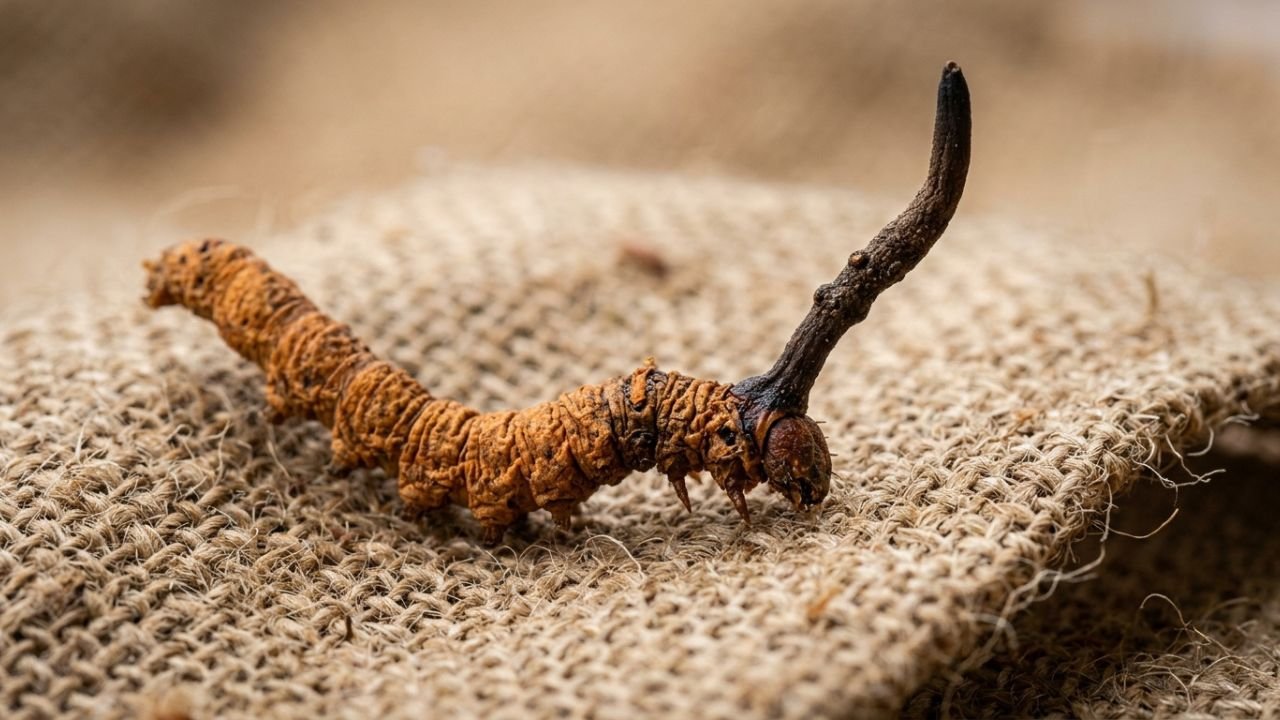
Yarsagumba
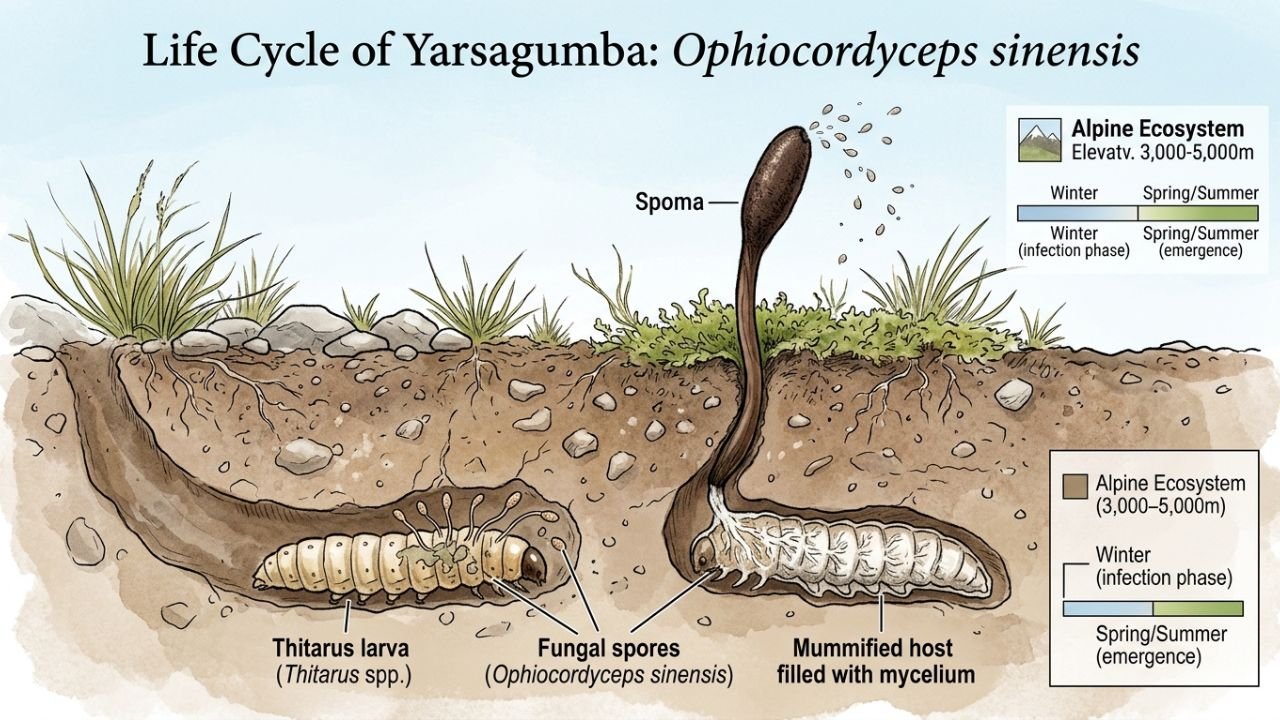
Scientifically, it is known as Ophiocordyceps sinensis, part of a group of fungi called Cordyceps. The life cycle begins when fungal spores infect the larvae of a ghost moth, which live underground in alpine grasslands. Once infected, the fungus slowly consumes the host from inside, eventually replacing the larval tissue while keeping its external shape intact.
After the host dies, a dark brown or black stalk-like structure grows from the insect’s head and emerges above the soil. This is the part that is collected and used as this herbs. This process only occurs in very specific environmental conditions:
- High altitude (3,000–5,000 meters)
- Cold alpine climate
- Clean, undisturbed grasslands
- Seasonal snowmelt moisture conditions
Because of these strict requirements, Yarsagumba is found only in limited Himalayan regions, especially in Nepal, Tibet, Bhutan, and parts of India’s Himalayan belt. In Nepal, some of the most well-known harvesting areas include:
- Dolpa (Shey Phoksundo region)
- Humla
- Jumla
- Mugu
- Darchula highlands
The formation process takes almost a full year, and even then, only a small number of infected larvae successfully develop into mature Yarsagumba. This extremely low natural yield is one of the main reasons it is considered so rare.
Traditional communities have known about Yarsagumba for centuries and have observed its appearance during specific seasonal cycles. It is usually collected in late spring when snow begins to melt and the ground becomes accessible. Because of its strange nature half insect, half fungus Yarsagumba is often described as one of the most unique biological phenomena in the natural world.
History and Cultural Importance of Yarsagumba in Nepal
The history of Yarsagumba is deeply connected with the cultural, spiritual, and medicinal traditions of the Himalayan region. For centuries, it has been known and used by communities in Nepal, Tibet, Bhutan, and surrounding Himalayan areas as a valuable natural remedy and seasonal economic resource.
Traditional Tibetan medicine, often referred to as Sowa Rigpa, has recorded the use of Yarsagumba for hundreds of years. It was historically considered a powerful natural tonic believed to improve energy, vitality, and stamina. In ancient texts, it was often reserved for the wealthy and elite due to its rarity and difficulty of collection.
In Nepal, Himalayan communities gradually became aware of Yarsagumba’s value through cross-border trade and cultural exchange with Tibetan traders. Over time, it became an essential part of rural livelihoods, especially in high-altitude districts where agriculture is limited due to harsh climate conditions.
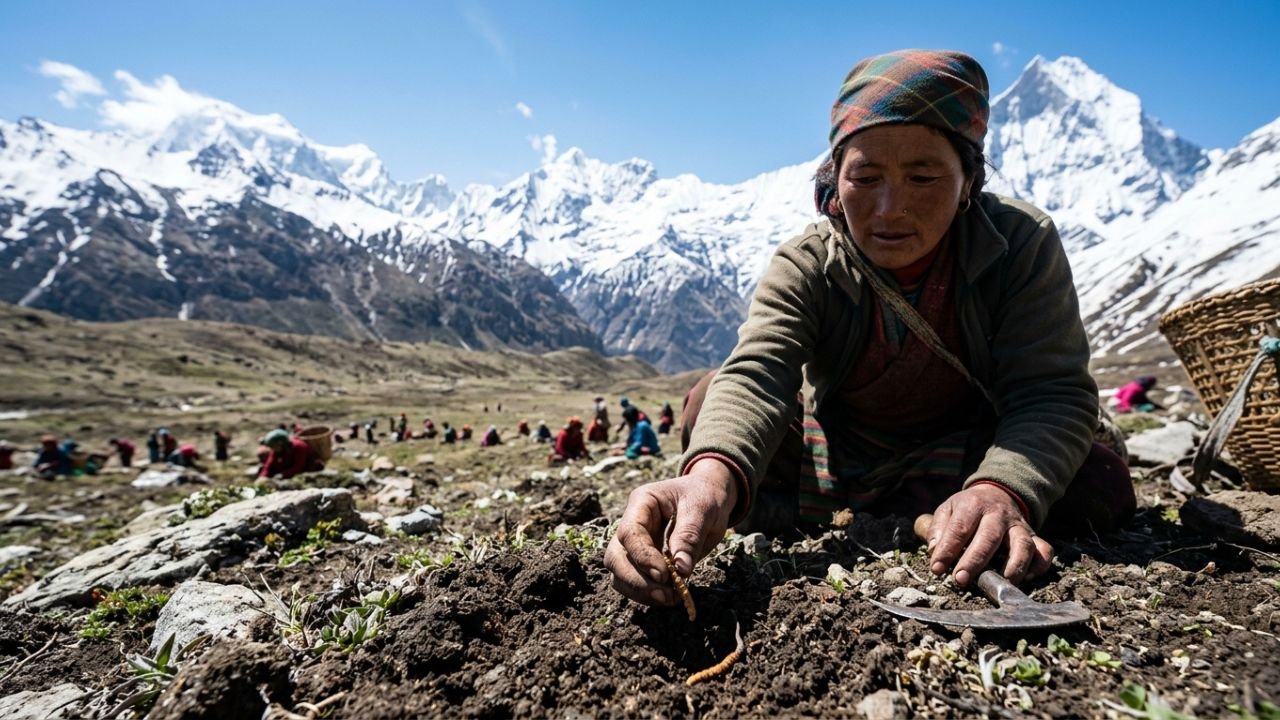
Locally, Yarsagumba is often called a “seasonal gold rush.” Every year, during the harvesting season (usually May to June), entire villages in districts like Dolpa, Humla, Jumla, and Mugu migrate to high alpine pastures. Families set up temporary camps in remote areas and spend weeks collecting the fungus during its short growth period.
This seasonal migration is not just economic it is also cultural. It has created traditions around community cooperation, territorial boundaries, and shared survival in extreme environments. In many villages, the income from Yarsagumba collection determines the financial stability of households for the entire year.
Culturally, Yarsagumba has also gained symbolic importance. It represents resilience, survival, and opportunity in some of Nepal’s most remote and underdeveloped regions. In recent decades, it has played a major role in reducing poverty in Himalayan communities by providing a high-value cash crop alternative.
As global demand increased, especially from China and Southeast Asia, Yarsagumba transitioned from a local medicinal resource to an international commodity. This shift significantly changed rural economies in Nepal, turning remote mountain villages into important contributors to a global herbal trade network. Today, Yarsagumba is not only a traditional medicine ingredient but also a key cultural and economic identity of Nepal’s high Himalayan communities.
Why is Yarsagumba So Expensive?
The extremely high price of Yarsagumba is the result of a combination of biological rarity, difficult harvesting conditions, and strong international demand. It is often considered one of the most expensive natural substances in the world by weight, sometimes even more valuable than gold.
One of the main reasons for its high price is its extreme rarity. Yarsagumba only grows in very specific ecological conditions found in high-altitude Himalayan meadows between 3,000 and 5,000 meters. Even in these regions, its occurrence is unpredictable. Only a small number of infected caterpillars successfully produce mature Yarsagumba each year.

Why is Yarsagumba So Expensive
Another major factor is the difficulty of harvesting. Collectors must travel to remote, high-altitude locations where oxygen levels are low and weather conditions are harsh. The harvesting season is extremely short, usually lasting only a few weeks in late spring and early summer. During this time, entire communities compete to collect as much as possible.
The global demand for Yarsagumba is another major driver of price. It is highly valued in traditional Chinese medicine, where it is believed to support energy, immunity, and overall vitality. Demand from China, Hong Kong, and Southeast Asia has significantly increased market pressure, pushing prices higher each year.
Middlemen and trade networks also contribute to price inflation. Yarsagumba often passes through multiple layers of traders before reaching international markets, with each stage adding a markup. This creates a complex supply chain that increases its final retail price significantly.
In Nepal, prices can vary widely depending on quality, size, and altitude of collection. High-quality specimens from remote regions often command much higher prices than lower-grade samples. Seasonal fluctuations also affect pricing, with peak-season Yarsagumba typically being more expensive.
Additionally, Yarsagumba’s reputation as a “natural aphrodisiac” and health booster has further increased global demand, even though scientific validation remains limited. All these factors combined rarity, labor intensity, demand, and supply chain complexity make Yarsagumba one of the most expensive and sought-after natural products in the world.
How Yarsagumba is Collected in Nepal
The collection of Yarsagumba in Nepal is one of the most physically demanding seasonal activities in the Himalayan region. It is not a simple harvesting process but a high-altitude survival journey that involves entire communities migrating to remote alpine pastures every year.
The harvesting season usually begins in May and lasts until June, depending on snow conditions. During this short window, villagers from districts such as Dolpa, Humla, Jumla, Mugu, and Darchula travel to high mountain meadows above 3,000–5,000 meters where Yarsagumba naturally grows.
Families often set up temporary camps made of tents, stones, or makeshift shelters. These camps are located far from villages, often requiring several days of walking through steep and rugged terrain before reaching collection areas.
The actual collection process is extremely slow and requires patience and sharp eyesight. Yarsagumba is very small and blends into the grass and soil. Collectors carefully scan the ground inch by inch to locate the tiny fungus protruding from the soil surface.
Because of its high value, competition among collectors is intense. In many areas, specific zones are assigned to families or communities to avoid disputes. Despite this, conflicts sometimes occur due to overlapping claims or scarcity of productive areas. The conditions in these high-altitude regions are harsh. Collectors face:
- Thin air and oxygen shortage
- Freezing night temperatures
- Sudden snowfall or rain
- Lack of medical facilities
- Risk of altitude sickness
Despite these challenges, thousands of people participate every year because Yarsagumba provides one of the highest seasonal incomes available in rural Nepal. Government authorities regulate the collection process through permits and seasonal rules. Local community forest user groups also play a role in managing access and maintaining order during harvesting periods.
Once collected, Yarsagumba is dried and stored carefully before being sold to local traders. From there, it enters a long supply chain that eventually leads to national and international markets. For many families in the Himalayas, this seasonal activity is not just work it is a critical source of yearly income that supports education, healthcare, and household expenses.
Economic Importance of Yarsagumba in Nepal
The economic importance of Yarsagumba in Nepal cannot be overstated. It is one of the most valuable natural resources for rural Himalayan communities and plays a major role in reducing poverty in some of the country’s most remote regions.
For households in high-altitude districts such as Dolpa, Humla, Jumla, and Mugu, Yarsagumba is often the primary source of cash income. Since agriculture is extremely limited due to harsh climate conditions and short growing seasons, many families rely heavily on seasonal collection of this fungus.
During the harvesting season, entire communities migrate to alpine pastures, and the income generated from Yarsagumba is used to cover essential needs for the entire year. This includes:
- Food supplies
- Education fees
- Healthcare expenses
- Household construction
- Debt repayment
At the local level, Yarsagumba creates a temporary but powerful economic boom. Traders, transporters, and local markets become highly active during the collection season. Major trading centers such as Nepalgunj and Kathmandu serve as hubs where Yarsagumba is aggregated before export.
International demand especially from China and Southeast Asia—drives most of the market value. As a result, Nepal has become an important supplier in the global Cordyceps trade network. This has significantly increased rural incomes compared to traditional subsistence farming.
However, the income distribution is not always equal. Middlemen often play a major role in pricing, which can reduce the share received by local collectors. Despite this, Yarsagumba still remains one of the most profitable seasonal activities available to Himalayan communities.
The Nepal government also benefits through permits, taxes, and regulated trade policies. These regulatory mechanisms help control harvesting while generating revenue for conservation and administrative purposes. Overall, Yarsagumba is not just a natural product it is a critical economic lifeline for thousands of families living in Nepal’s most remote mountain regions.
Health Benefits of Yarsagumba
Yarsagumba has long been valued in traditional Himalayan and Tibetan medicine systems for its perceived health-enhancing properties. It is often classified as a natural tonic rather than a conventional medicine, and its popularity has spread across Asia, especially in China, Nepal, and parts of Southeast Asia.
In traditional Tibetan medicine (Sowa Rigpa) and Chinese herbal practices, Yarsagumba is believed to support energy, stamina, and vitality. It has historically been used by monks, athletes, and wealthy individuals as a premium natural supplement.
Benefits of Yarsagumba
One of the most commonly cited benefits is its potential to reduce fatigue and improve physical endurance. This belief has made it especially popular among people living in high-altitude environments, where oxygen levels are low and physical strain is higher.
Yarsagumba is also traditionally associated with supporting:
- Immune system strength
- Respiratory health
- Recovery after illness
- Overall vitality and longevity
Another widely known traditional belief is its role as a natural aphrodisiac, which has significantly increased its demand in global markets. This reputation, although culturally strong, is not fully supported by modern scientific consensus.
Modern research into Yarsagumba and its active compounds (such as cordycepin) has shown potential biological activity in laboratory settings. Some studies suggest possible anti-inflammatory, antioxidant, and energy-supporting effects. However, most researchers agree that more clinical trials on humans are needed before confirming medical benefits.
It is important to note that Yarsagumba is not a certified pharmaceutical drug. Its effects are largely based on traditional usage and early-stage scientific studies rather than fully established medical evidence.
Despite this, its reputation continues to grow globally, particularly in wellness and herbal supplement industries. Many products today use cultured Cordyceps extracts instead of wild Yarsagumba due to cost and sustainability concerns. In Nepal, it is still commonly consumed in small quantities mixed with milk, tea, or alcohol-based tonics in rural Himalayan communities.
Yarsagumba Market Price in Nepal
The market price of Yarsagumba in Nepal is one of the most dynamic and high-value aspects of its trade. Its price fluctuates significantly depending on quality, size, altitude of collection, and global demand conditions.
In general, Yarsagumba is sold by weight, and even small quantities can have extremely high value. High-quality specimens collected from remote high-altitude regions often command much higher prices compared to lower-grade ones. One of the key reasons for price variation is grading and quality classification. Larger, well-preserved Yarsagumba with intact fungal and insect parts are considered premium quality. Smaller or broken pieces are priced lower in local markets.
Seasonal timing also plays a major role. During peak harvesting season, supply increases temporarily, which can slightly reduce prices in local markets. However, in international markets, demand especially from China and Hong Kong—keeps prices consistently high. The supply chain also significantly affects pricing. After collection, Yarsagumba passes through multiple layers:
- Local collectors
- Village-level traders
- District wholesalers
- National exporters
- International buyers
Each layer adds additional cost, which increases the final market price significantly. In Nepal, trading hubs such as Nepalgunj and Kathmandu act as major aggregation points where large quantities are collected before export. From there, it enters international herbal medicine markets.
Historically, Yarsagumba has been compared to gold due to its high value per gram. In some cases, top-quality Yarsagumba has been reported to reach prices that exceed gold on a per-weight basis, making it one of the most expensive natural biological products in the world. However, prices are not stable. They depend heavily on:
- Global demand trends
- Regulatory changes in importing countries
- Harvest volume each season
- Environmental conditions affecting growth
Because of this volatility, Yarsagumba trade is considered both highly profitable and highly uncertain.
Environmental Concerns and Overharvesting
While Yarsagumba has created significant economic opportunities for Himalayan communities, it has also raised serious environmental concerns in recent years. The increasing global demand has led to pressure on fragile alpine ecosystems where it naturally grows.
One of the biggest concerns is overharvesting. Since Yarsagumba is extremely valuable, collectors often harvest every available specimen during the short season. This intense collection pressure may reduce natural regeneration over time.
Scientific studies and local observations suggest that Yarsagumba populations are becoming more difficult to find in some traditional harvesting areas. While natural cycles and climate variations also play a role, human activity is believed to be a contributing factor.
Another major issue is climate change. Rising temperatures in the Himalayas are affecting snow patterns, soil moisture, and vegetation cycles. Since Yarsagumba depends on very specific ecological conditions, even small environmental changes can impact its growth cycle.
The collection process itself can also disturb fragile alpine ecosystems. Large groups of collectors camping in high-altitude meadows may affect vegetation, soil structure, and local biodiversity. To address these challenges, the Government of Nepal and local community forest groups have introduced several management measures:
- Seasonal harvesting restrictions
- Permit systems for collectors
- Community-based monitoring
- Controlled access to harvesting zones
These measures aim to balance economic benefits with long-term sustainability. However, enforcement remains challenging due to the remote nature of collection areas and the high economic incentive involved.
Sustainable harvesting practices are increasingly being discussed among conservation groups, researchers, and policymakers. The goal is to ensure that Yarsagumba continues to support rural livelihoods without damaging the delicate Himalayan ecosystem.
Legal Status of Yarsagumba in Nepal
The collection and trade of Yarsagumba in Nepal is legally regulated due to its high economic value and ecological sensitivity. Over the past two decades, the Government of Nepal has introduced several policies to manage harvesting, prevent illegal trade, and ensure that local communities benefit from this natural resource.
Yarsagumba is classified as a non-timber forest product (NTFP), which means it is collected from natural forest and alpine environments rather than cultivated farms. Because of this classification, its harvesting is allowed but strictly controlled.
The Nepal government requires collectors to obtain seasonal permits before entering designated high-altitude harvesting zones. These permits are usually issued through local government offices or community forest user groups. Fees collected from permits contribute to local revenue and conservation efforts.
Trade regulation is also an important part of the legal framework. After collection, Yarsagumba must pass through authorized checkpoints before it can be transported to major trading centers like Nepalgunj and Kathmandu. This system is designed to reduce illegal smuggling and ensure proper taxation.
Export regulations are particularly strict because most Yarsagumba is sold to international markets, especially China and Hong Kong. Exporters must comply with customs laws, documentation requirements, and quality verification procedures.
Despite these regulations, illegal trade remains a challenge. Due to its high market value, some collectors and traders attempt to bypass official systems. This has led to increased monitoring in recent years.
Local communities also play a major role in governance. In many Himalayan regions, community forest user groups (CFUGs) manage harvesting zones, set collection rules, and distribute access rights among villagers. These systems help maintain order during the busy harvesting season.
Overall, Nepal’s legal framework aims to balance three key goals:
- Protecting fragile Himalayan ecosystems
- Supporting rural livelihoods
- Regulating high-value trade flows
This makes Yarsagumba one of the most closely monitored natural resources in Nepal.
Future of Yarsagumba in Nepal
The future of Yarsagumba in Nepal is shaped by a combination of environmental, economic, and scientific factors. While it continues to be one of the most valuable natural resources in the Himalayan region, its long-term sustainability is increasingly being questioned.
One of the most important developments is the rise of artificial Cordyceps cultivation. In recent years, scientific laboratories in China and other countries have succeeded in producing cultured Cordyceps species under controlled conditions. While these are not identical to wild Yarsagumba, they offer a more sustainable and affordable alternative for global markets.
This development could potentially reduce pressure on wild Himalayan populations. However, wild Yarsagumba is still considered superior in quality and cultural value, especially in traditional medicine systems.
In Nepal, researchers and conservation groups are also studying ways to improve sustainable harvesting practices. These include:
- Controlled harvesting quotas
- Habitat protection programs
- Community-based monitoring systems
- Awareness programs for collectors
Climate change is another major factor affecting the future of Yarsagumba. Rising temperatures, changing snowfall patterns, and shifting alpine ecosystems may reduce suitable habitats in the coming decades. This could significantly impact both availability and income for rural communities.
Economically, Yarsagumba is expected to remain a high-value commodity due to strong demand in Asia. However, market volatility and increasing regulation may change how it is traded in the future.
There is also growing interest in integrating Yarsagumba into Nepal’s eco-tourism and herbal product branding industry. If managed properly, it could become part of a sustainable natural product economy rather than a purely extractive resource.
The future of Yarsagumba in Nepal will depend on how well the country balances:
- Conservation of fragile ecosystems
- Economic dependence of Himalayan communities
- Global market demand
- Scientific innovation in cultivation
Frequently Asked Questions
What is Yarsagumba?
Yarsagumba is a rare natural organism formed from a combination of a fungus and a caterpillar larva. It is scientifically known as Ophiocordyceps sinensis and is found in high-altitude Himalayan regions.
Why is Yarsagumba so expensive?
It is expensive because it is extremely rare, difficult to collect, grows only in specific high-altitude conditions, and is in high demand in traditional medicine markets, especially in Asia.
Where is Yarsagumba found in Nepal?
It is mainly found in remote Himalayan districts such as Dolpa, Humla, Jumla, Mugu, and surrounding high-altitude alpine meadows.
How much does Yarsagumba cost?
Prices vary widely depending on quality and season. High-quality Yarsagumba can be extremely expensive, sometimes reaching thousands of dollars per kilogram in international markets.
Is Yarsagumba legal in Nepal?
Yes, it is legal to collect and trade Yarsagumba in Nepal, but it is regulated through permits, taxation, and export controls.
Does Yarsagumba really have health benefits?
Traditional medicine systems claim it boosts energy, stamina, and vitality. Some early scientific studies suggest biological activity, but full medical confirmation is still limited.
Yarsagumba is one of the most extraordinary natural products found in the Himalayas, combining biological uniqueness, cultural heritage, and global economic value. Its rare formation process, limited geographic distribution, and high demand have made it one of the most expensive natural substances in the world.
In Nepal, it plays a critical role in supporting the livelihoods of thousands of families living in remote Himalayan districts. For many communities, it is not just a product but a seasonal economic lifeline that funds education, healthcare, and daily survival.
At the same time, Yarsagumba represents a deep cultural connection between Himalayan people and their environment. Its collection season is a time of migration, cooperation, and survival in some of the harshest landscapes on Earth.
However, its growing global demand has also created challenges. Overharvesting, climate change, and market pressures are increasingly affecting its long-term sustainability. This makes responsible management and conservation efforts extremely important for the future.
From a global perspective, Yarsagumba remains a fascinating example of how nature can produce rare and valuable biological resources. It continues to attract interest from researchers, traders, and traditional medicine practitioners worldwide.
Ultimately, the story of Yarsagumba is not just about price or rarity—it is about the intersection of nature, economy, culture, and survival in the high Himalayas of Nepal.