Nepal is one of the few countries in the world where helicopter aviation is not just a luxury service but a lifeline for survival, tourism, and transportation. Due to its extreme geography dominated by the Himalayas, deep valleys, and remote mountain settlements, helicopters play a crucial role in connecting inaccessible regions.
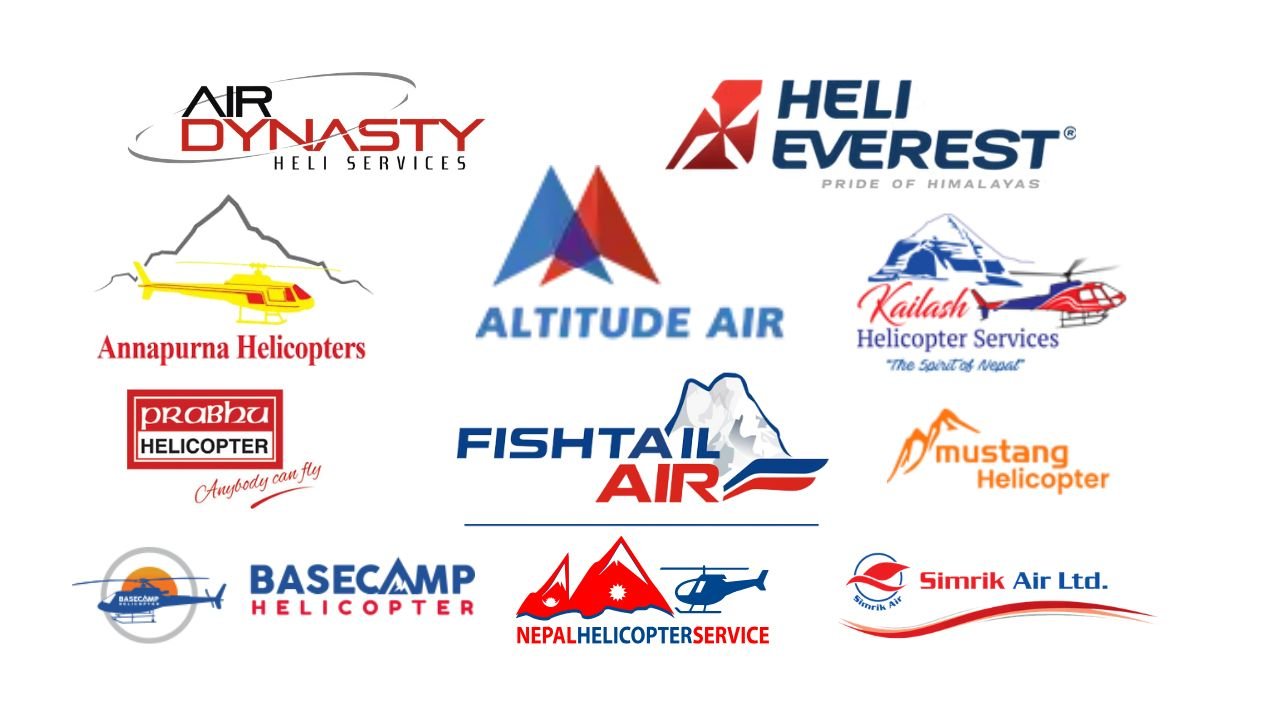
The helicopter companies in Nepal operate under the regulation of the Civil Aviation Authority of Nepal (CAAN), ensuring safety compliance, pilot training standards, and operational approvals. As of 2026, Nepal has around 11 active helicopter operators, serving tourism, emergency rescue, cargo transport, and government missions.
Unlike fixed-wing domestic airlines, helicopter operators can land in extremely remote areas, including glaciers, high-altitude villages, and trekking routes. This makes them essential for:
- Everest Base Camp rescues
- Annapurna trekking emergencies
- Medical evacuations (MEDEVAC)
- VIP transport and private charters
- Cargo delivery to remote Himalayan regions
- Luxury tourism experiences
Nepal is globally recognized for its helicopter tourism industry, especially scenic flights over the Everest and Annapurna ranges. Many travelers who cannot complete long treks rely on helicopter tours to experience the Himalayas in a short time.
The demand for helicopter services has increased significantly due to:
- Growth in high-end tourism
- Expansion of adventure travel
- Increased awareness of emergency rescue services
- Rising number of trekking incidents requiring evacuation
- Infrastructure limitations in mountain regions
Helicopter companies in Nepal operate in highly challenging conditions. Weather changes rapidly, wind conditions are unpredictable, and landing zones are often unstable or high-altitude terrains above 4,000–6,000 meters. Despite these challenges, Nepal has developed one of the most experienced helicopter aviation industries in South Asia.
This guide covers all major helicopter companies in Nepal, including their services, operational strengths, safety contributions, and roles in tourism and rescue missions.
Air Dynasty Heli Services – Nepal’s Largest Helicopter Operator
Among all helicopter companies in Nepal, Air Dynasty Heli Services is widely recognized as one of the largest and most established operators in the country. It has built a strong reputation for both commercial charter services and emergency rescue operations across the Himalayas.
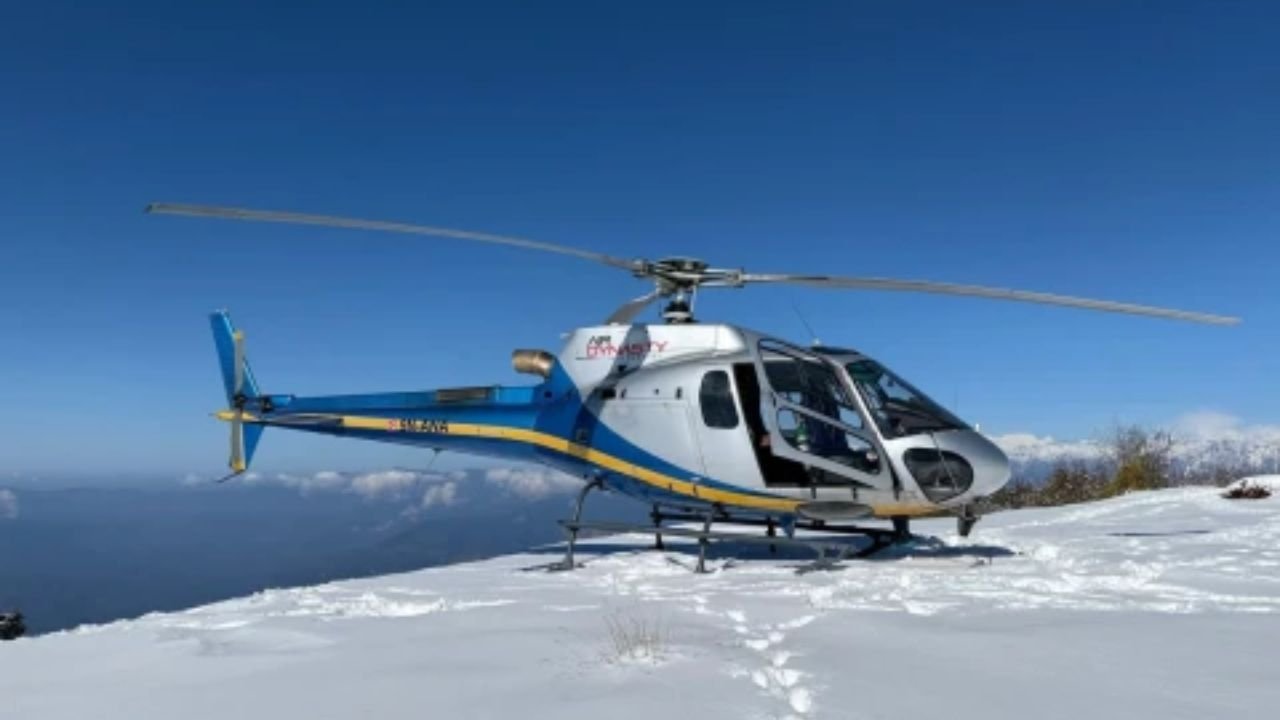
Air Dynasty Heli Services
Air Dynasty operates a modern fleet of Airbus helicopters designed for high-altitude performance, making it suitable for Nepal’s extreme geography. The company is frequently involved in operations across the Everest and Annapurna regions, where weather conditions and altitude challenges require highly skilled pilots.
One of the most important roles of Air Dynasty is its medical evacuation (MEDEVAC) service. In Nepal’s trekking regions, altitude sickness, injuries, and sudden weather changes often require immediate evacuation. Air Dynasty helicopters are frequently deployed for emergency rescues from locations such as Everest Base Camp and surrounding trails.
The company also plays a major role in Nepal’s tourism sector. Its helicopter charter services are widely used for:
- Everest Base Camp helicopter tours
- Luxury sightseeing flights
- Private mountain landings
- VIP transport within Nepal
Tourists often choose Air Dynasty due to its reliability, operational experience, and ability to fly in difficult weather conditions when possible. The company has earned trust among trekking agencies and international insurance providers for rescue coordination.
Air Dynasty also contributes to government and corporate aviation needs, including transporting officials, conducting aerial surveys, and supporting infrastructure projects in remote regions.
Safety is a key focus for the airline. Operating in Nepal requires strict compliance with CAAN regulations, frequent maintenance checks, and highly experienced pilots trained for mountain flying.
Because of its size, experience, and wide operational network, Air Dynasty is often considered a benchmark among helicopter companies in Nepal.
Altitude Air – High-Altitude Rescue Specialist
Among the most important helicopter companies in Nepal, Altitude Air is widely known for its specialization in high-altitude rescue operations and Everest-region support flights. The company plays a critical role in Nepal’s mountain aviation ecosystem, especially in emergency evacuations and trekking-related rescue missions.
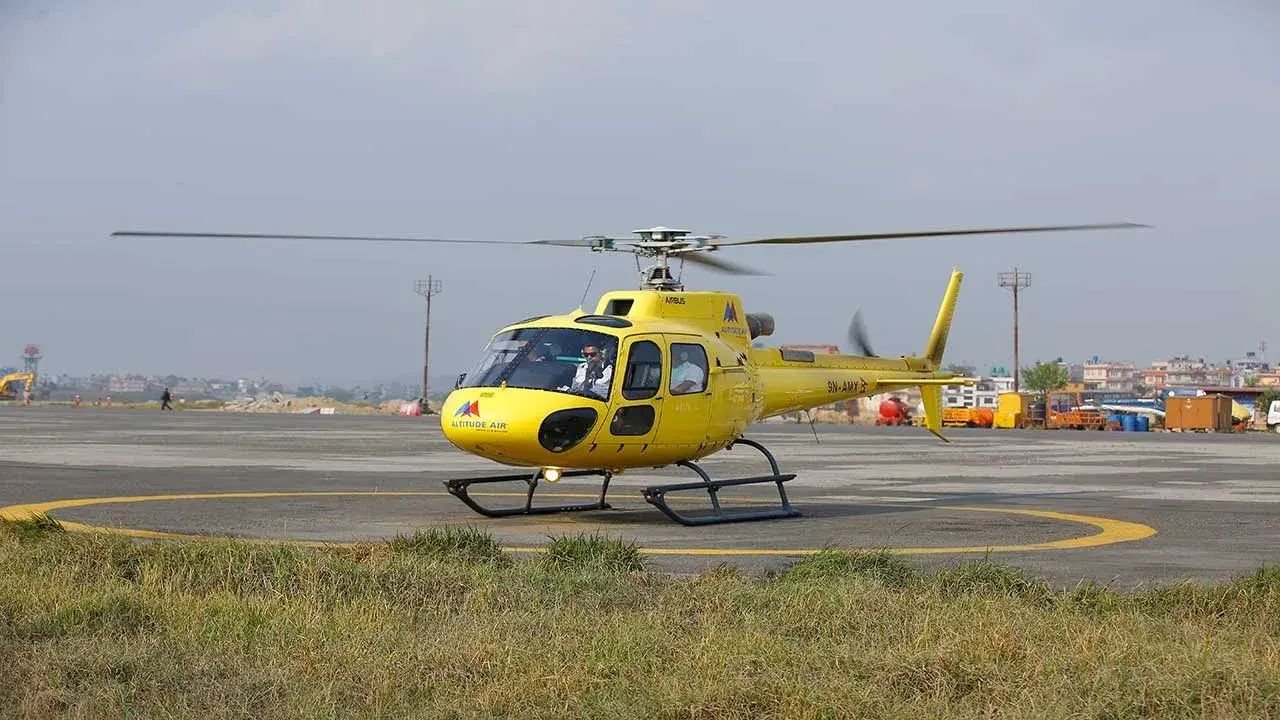
Helicopter Companies in Nepal: Altitude Air
Altitude Air primarily operates in the Everest and eastern Himalayan regions, where conditions are extremely challenging. Its helicopters are frequently deployed for missions above 4,000–6,000 meters, including areas such as Everest Base Camp, Gokyo Valley, and surrounding trekking routes. These regions often experience sudden weather changes, making helicopter rescue operations both essential and highly complex.
One of the key strengths of Altitude Air is its focus on medical evacuation (MEDEVAC). In Nepal, altitude sickness, injuries, and exhaustion are common among trekkers. Altitude Air is often contacted by trekking agencies, insurance companies, and rescue coordinators to conduct emergency evacuations.
The airline also plays an important role in supporting high-end tourism flights, including:
- Everest Base Camp helicopter tours
- Scenic mountain sightseeing flights
- Private charter services for trekkers
- Emergency standby operations during peak trekking seasons
Because of its operational focus, Altitude Air is considered one of the most reliable names for Everest-region helicopter services. Its pilots are trained specifically for mountain flying conditions, including thin air density, unpredictable wind patterns, and landing on uneven terrain.
Safety remains a central focus of operations. Like all helicopter companies in Nepal, Altitude Air operates under strict guidelines from the Civil Aviation Authority of Nepal (CAAN). Regular maintenance, weather assessments, and flight planning are critical before every mission.
Altitude Air is also frequently involved in coordination with trekking agencies and international travel insurance providers, making it a key part of Nepal’s rescue infrastructure.
Overall, Altitude Air stands out as one of the most trusted helicopter companies in Nepal for high-altitude operations and emergency response services.
Annapurna Helicopter – Gateway to the Annapurna Region
Annapurna Helicopter is another important player among helicopter companies in Nepal, with a strong focus on tourism and rescue operations in the Annapurna region.
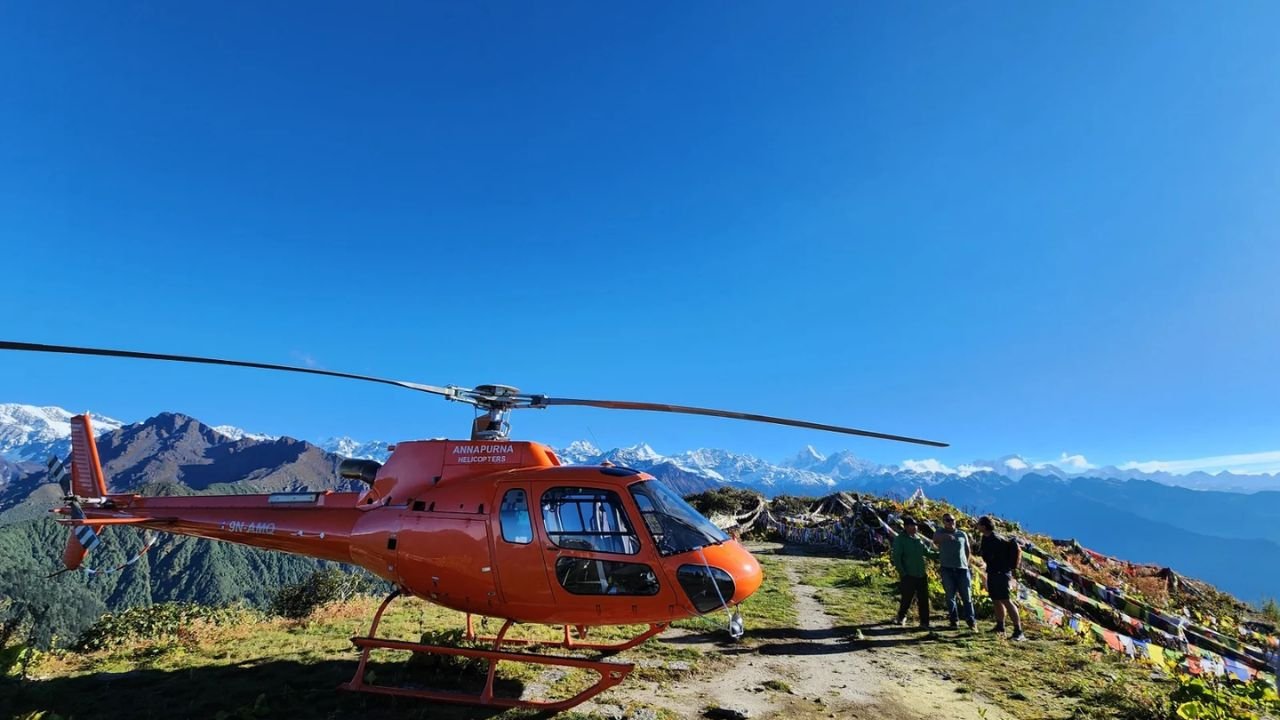
Annapurna Helicopter
The company is named after the iconic Annapurna mountain range, one of the most visited trekking destinations in Nepal. It operates primarily in western Nepal, including routes connected to Pokhara and surrounding Himalayan valleys.
One of the major roles of Annapurna Helicopter is supporting tourism flights to Annapurna Base Camp (ABC). These helicopter tours are extremely popular among international visitors who want to experience the Himalayas without completing a multi-day trek. The company offers scenic flights that provide aerial views of:
- Annapurna I (8,091m)
- Machhapuchhre (Fishtail Mountain)
- Dhaulagiri range
- Pokhara Valley
In addition to tourism, Annapurna Helicopter also participates in rescue and evacuation operations. The Annapurna trekking circuit is one of the busiest trekking routes in Nepal, and incidents such as altitude sickness, injuries, and weather-related emergencies require immediate helicopter support.
The company works closely with trekking agencies and insurance providers to ensure fast response times during emergencies. Its helicopters are capable of landing in remote alpine zones where ground rescue is not possible.
Annapurna Helicopter also contributes to regional connectivity by offering charter flights for:
- VIP transport
- Film and media projects
- Remote area access
- Corporate travel
Because of its strong presence in western Nepal, the airline is especially important during peak trekking seasons when demand for helicopter services increases significantly.
Safety and operational efficiency remain key priorities. Flying in the Annapurna region requires careful planning due to unpredictable weather patterns and mountainous terrain. Pilots undergo specialized training for high-altitude operations and short landing zones.
Annapurna Helicopter is widely regarded as one of the most important operators supporting tourism and emergency services in western Nepal.
Fishtail Air – Pioneer of Nepal’s Helicopter Aviation
Among the most established names in Nepal’s aviation history is Fishtail Air, one of the pioneer helicopter operators in the country. Fishtail Air has played a significant role in shaping Nepal’s helicopter aviation industry. Over the years, it has become well known for its involvement in rescue operations, tourism flights, and high-altitude missions across the Himalayas.
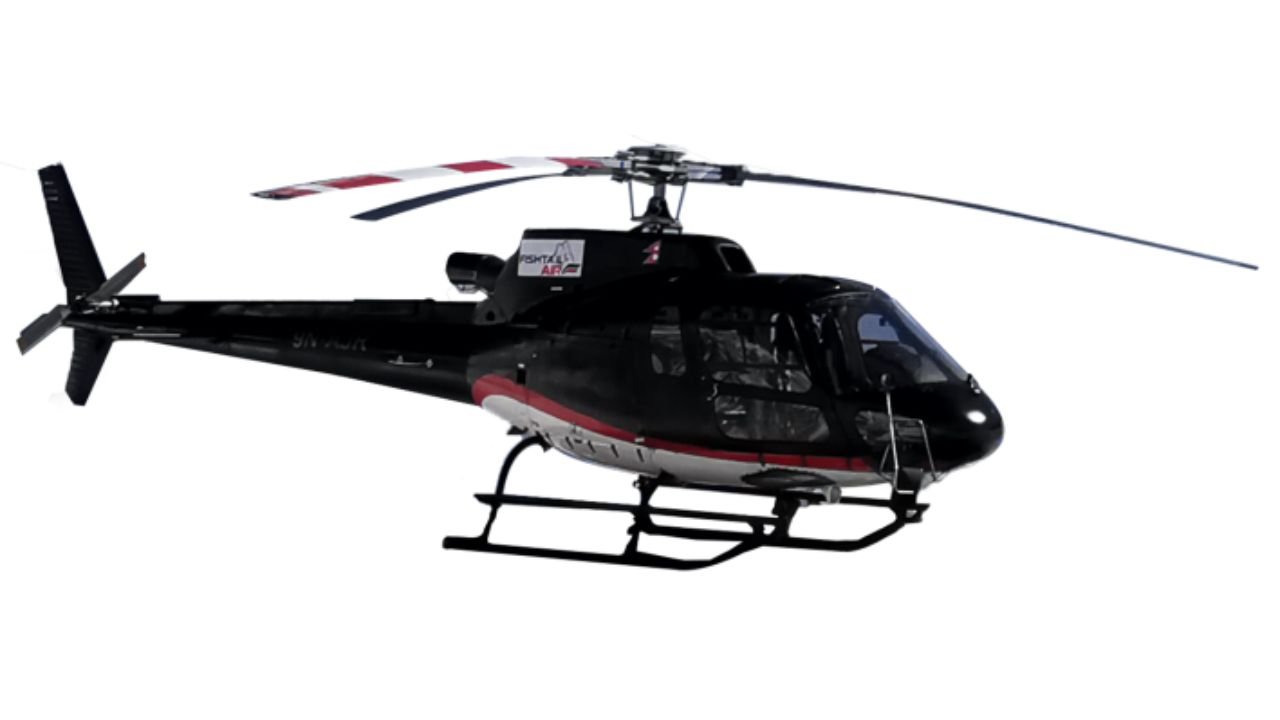
Fishtail Air
The company operates extensively in both the Everest and Annapurna regions, making it a key contributor to Nepal’s mountain tourism economy. One of its most important functions is providing emergency rescue services, especially for trekkers facing altitude sickness, injuries, or sudden weather changes.
Fishtail Air helicopters are frequently deployed in:
- Everest Base Camp rescues
- Annapurna trekking evacuations
- Remote Himalayan village transport
- Emergency medical evacuations
In addition to rescue operations, Fishtail Air is also involved in tourism-based helicopter flights. These include scenic flights that allow passengers to view the Himalayas from above, including close-up views of Everest and surrounding peaks.
The company is often used by international trekking agencies due to its long-standing reputation and operational experience in challenging environments. Its pilots are trained for extreme altitude flying conditions, where oxygen levels are low and landing zones are unpredictable.
Fishtail Air also plays a role in supporting government and humanitarian missions, especially during natural disasters such as earthquakes, floods, and landslides. Helicopters are often the only way to reach affected regions quickly.
Safety is a major priority. Like other helicopter operators in Nepal, Fishtail Air follows CAAN regulations and maintains strict operational standards for maintenance, flight planning, and weather assessment.
Because of its history and wide operational experience, Fishtail Air is often considered one of the foundational companies in Nepal’s helicopter aviation sector.
Heli Everest – Focused on Everest Region Operations
Among specialized helicopter companies in Nepal, Heli Everest has built a strong reputation for its focused operations in the Everest region. As the name suggests, the company is closely associated with flights and services around the world’s highest mountain, Mount Everest, and surrounding trekking routes.
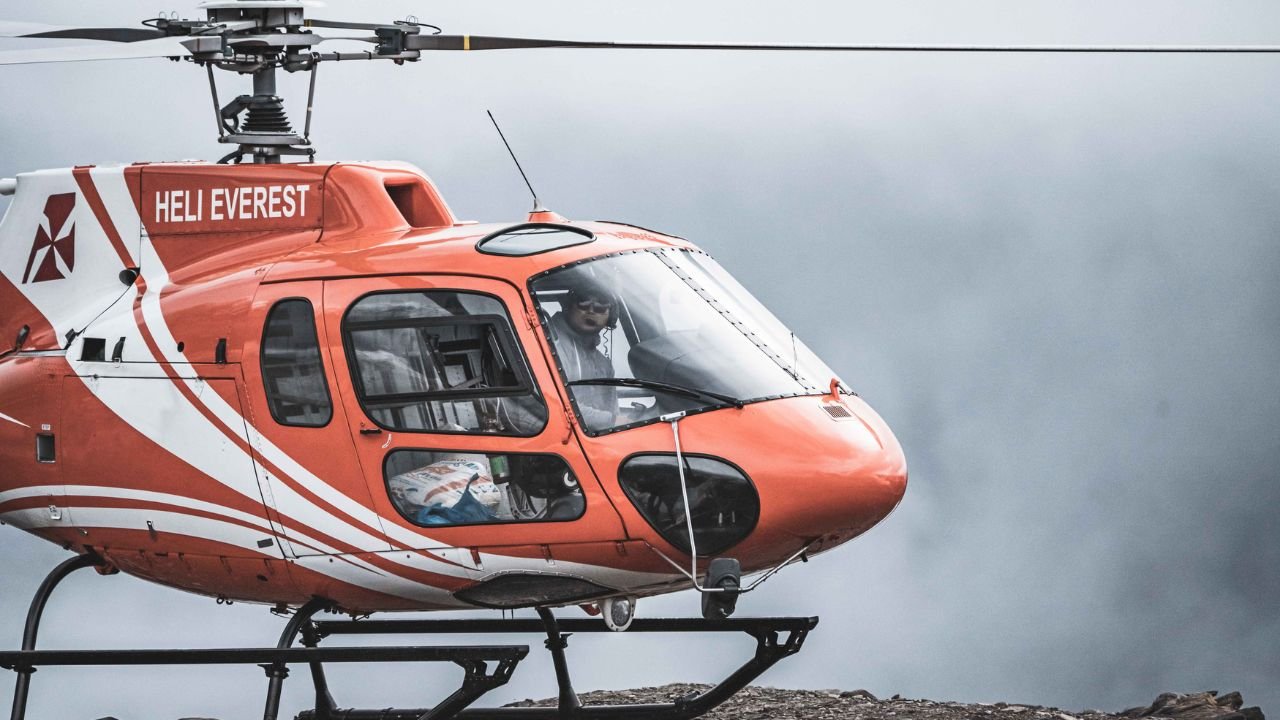
Heli Everest
Heli Everest primarily operates in eastern Nepal, where it supports both tourism and emergency rescue missions. The Everest region is one of the most demanding aviation environments in the world due to its extreme altitude, unpredictable weather, and limited landing zones.
One of the main services offered by Heli Everest is the Everest Base Camp helicopter tour, which has become one of Nepal’s most popular luxury tourism experiences. These flights allow travelers to witness:
- Mount Everest (8,848m)
- Lhotse
- Nuptse
- Khumbu Glacier
- Kala Patthar region
This makes it especially attractive for tourists who are unable to complete long trekking routes but still want to experience the Himalayas up close.
Heli Everest is also actively involved in medical evacuation and rescue operations. In the Everest trekking region, altitude sickness, frostbite, and accidents are common challenges. Helicopters from Heli Everest are often used to evacuate trekkers from high camps and remote trail sections.
Another important role of the company is supporting trekking agencies and expedition teams. During peak climbing seasons, coordination between guides, insurance companies, and helicopter operators becomes essential for safety management.
Heli Everest pilots are trained specifically for high-altitude flying, where oxygen levels are low and weather conditions can change rapidly within minutes. These operational challenges make experience and precision critical for safe flights. Because of its strong presence in Everest-region aviation, Heli Everest is considered one of the key contributors to Nepal’s mountain tourism economy.
Kailash Helicopter Services – Remote Access & Charter Operations
Kailash Helicopter Services is another important operator among helicopter companies in Nepal, known for its flexible charter services and remote-area accessibility.
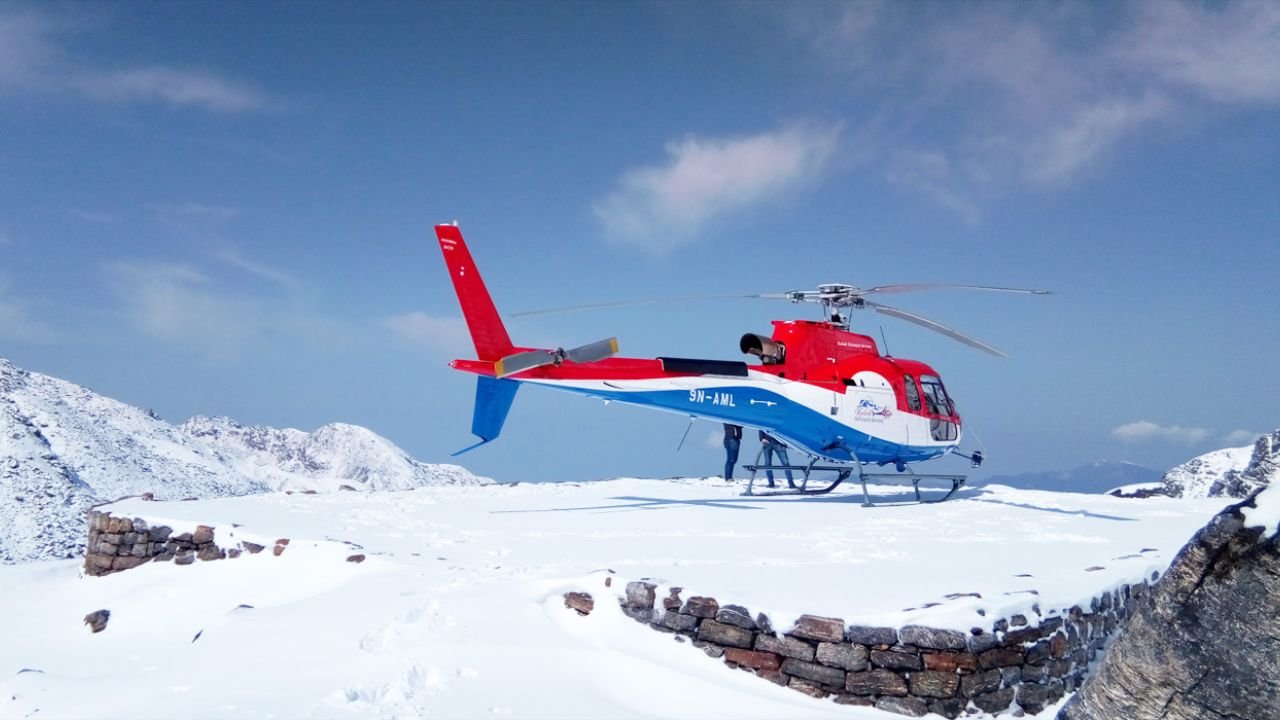
kailash helicopter services
The company primarily provides helicopter charter flights across Nepal, including tourism, rescue, and logistics operations. Unlike companies focused exclusively on a single region, Kailash Helicopter Services operates across multiple Himalayan zones.
One of its key contributions is supporting travel to remote pilgrimage and trekking destinations such as:
- Muktinath region
- Upper Mustang
- Remote western Nepal districts
- High-altitude mountain villages
These areas are often difficult to access by road, making helicopter transportation a vital option for both locals and tourists.
Kailash Helicopter Services is also actively involved in emergency evacuation missions, especially in areas where medical facilities are not available. In Nepal’s rugged terrain, helicopters are often the fastest way to transport injured trekkers or sick patients to hospitals in Kathmandu or Pokhara.
The company also supports private charter services, including:
- VIP transport
- Tourism flights
- Aerial photography and filming
- Corporate travel requirements
Because of Nepal’s growing tourism industry, demand for helicopter charter services has increased significantly, especially in peak trekking seasons.
Safety and operational readiness are critical for Kailash Helicopter Services, as flights often operate in unpredictable weather conditions and high-altitude terrain. The company follows regulations set by the Civil Aviation Authority of Nepal (CAAN) and maintains strict maintenance and operational standards.
Kailash Helicopter Services plays a valuable role in expanding helicopter accessibility across Nepal, particularly in regions where fixed-wing aircraft cannot operate.
Base Camp Helicopters – Specialist in Everest Base Camp Flights
Among niche helicopter operators in Nepal, Base Camp Helicopters is best known for its strong focus on Everest Base Camp (EBC) helicopter services.
The company specializes in tourism flights to one of the world’s most iconic destinations—Everest Base Camp. These helicopter tours have become increasingly popular among international travelers who want a quick and comfortable way to experience the Himalayas.
Base Camp Helicopters operates primarily in the Everest region and offers scenic flights that include views of:
- Mount Everest
- Khumbu Icefall
- Everest Base Camp
- Surrounding Himalayan peaks
One of the key advantages of helicopter tours in this region is time efficiency. A trek to Everest Base Camp typically takes 10–14 days, while a helicopter tour can complete the experience in just a few hours. This makes it ideal for luxury travelers, elderly visitors, or those with limited time in Nepal.
In addition to tourism, Base Camp Helicopters is also involved in emergency rescue operations. The Everest region is known for sudden weather changes and altitude-related illnesses, which often require immediate evacuation. Helicopter services are essential in saving lives in these situations.
The company also supports trekking agencies by providing flexible charter solutions during peak seasons when demand for rescue and transport services is high.
Pilots operating in this region require specialized training due to the extreme altitude and unpredictable wind conditions near Everest. Safety protocols, weather analysis, and landing precision are critical components of every mission.
Base Camp Helicopters has become a well-recognized name in Nepal’s luxury tourism and rescue aviation sector, especially for Everest-focused operations.
Mountain Helicopters – Remote Logistics & Tourism Support
Mountain Helicopters is one of the important contributors to Nepal’s helicopter aviation sector, primarily focusing on remote logistics, tourism support, and emergency operations across the Himalayan region.
Unlike operators that concentrate only on Everest or Annapurna routes, Mountain Helicopters has a broader operational footprint across multiple regions of Nepal. This includes remote western districts, high-altitude villages, and trekking corridors where ground transportation is limited or unavailable.
One of the key roles of Mountain Helicopters is supporting remote accessibility. Many Himalayan communities are located in areas where roads are either seasonal or extremely difficult to maintain. Helicopters become the only reliable transportation method for:
- Medical emergencies
- Food and supply transport
- Government missions
- Infrastructure support
In addition to logistics, Mountain Helicopters also contributes to Nepal’s rapidly growing tourism sector. The company provides charter services for scenic flights and adventure tourism, allowing travelers to explore the Himalayas from the air.
Popular services include:
- Scenic mountain flights
- Private helicopter charters
- Trekking support logistics
- High-altitude transport missions
Mountain Helicopters also plays a role in emergency rescue operations, especially during trekking seasons when altitude sickness and accidents are more common. In Nepal’s rugged terrain, helicopters are often the fastest and safest way to evacuate patients to medical facilities in Kathmandu or Pokhara.
Operating in Nepal requires strict adherence to safety regulations set by the Civil Aviation Authority of Nepal (CAAN). Mountain Helicopters follows these standards closely, ensuring proper aircraft maintenance, pilot training, and weather-based operational decisions.
Because of its flexible operational model and multi-region presence, Mountain Helicopters is considered a valuable player among helicopter companies in Nepal.
Mustang Helicopter – Gateway to Upper Mustang
Mustang Helicopter is a specialized operator focusing heavily on tourism and access to the remote Mustang region of Nepal.
Upper Mustang is one of the most unique and restricted trekking regions in Nepal, often referred to as the “Last Forbidden Kingdom.” Due to its remote location and limited road access, helicopter services play an important role in tourism and emergency support. Mustang Helicopter is widely known for operating flights to:
- Jomsom
- Upper Mustang
- Muktinath region
- Surrounding Trans-Himalayan landscapes
These flights offer tourists a rare opportunity to witness the dramatic landscapes of Mustang, including desert-like terrain, deep valleys, and ancient Tibetan-influenced settlements.
One of the most popular services offered is the Muktinath helicopter tour, which is highly significant for both Hindu and Buddhist pilgrims. The temple of Muktinath is one of the most visited spiritual sites in Nepal, and helicopter access has made it easier for elderly pilgrims and time-limited visitors.
Mustang Helicopter also supports tourism-focused charter operations, including:
- Private scenic tours
- Photography and filming flights
- VIP travel arrangements
- Seasonal trekking support
Due to the high-altitude terrain of Mustang, flight operations require careful planning. Weather conditions can change rapidly, and wind patterns in the Kali Gandaki Valley are known to be challenging for aviation.
The company also contributes to emergency evacuation services when needed, especially for trekkers and pilgrims facing altitude-related issues.
Mustang Helicopter plays a key role in connecting one of Nepal’s most remote and culturally rich regions to the rest of the country, making it an essential part of Nepal’s helicopter tourism industry.
Prabhu Helicopters – Corporate & Tourism Aviation Services
Prabhu Helicopters is part of the broader Prabhu Group and has established itself as a growing helicopter operator in Nepal’s aviation sector.
The company provides a mix of tourism, charter, and emergency helicopter services, supporting both domestic and international clients. Its operations are centered around Kathmandu, with flights extending across Nepal’s major trekking and tourism regions.
One of Prabhu Helicopters’ key strengths is its focus on corporate and VIP charter services. These include transportation for business executives, government officials, and international visitors requiring flexible and private travel solutions.
In the tourism sector, Prabhu Helicopters offers scenic flights to major destinations such as:
- Everest region
- Annapurna Base Camp
- Langtang Valley
- Mustang region
These helicopter tours are especially popular among tourists who want to experience Nepal’s Himalayan landscapes without undertaking long trekking routes.
Prabhu Helicopters also plays an important role in medical evacuation and emergency response services. In Nepal’s mountainous regions, rapid evacuation is often essential for survival in cases of altitude sickness or injury. Helicopters provide the fastest access to medical care in Kathmandu or Pokhara.
The company operates under strict regulations from CAAN, ensuring that all safety standards, maintenance protocols, and operational procedures are followed.
Prabhu Helicopters continues to expand its presence in Nepal’s aviation industry, supported by growing demand for tourism flights and emergency aviation services.
Simrik Air – One of Nepal’s Most Experienced Helicopter Operators
Among the most established helicopter companies in Nepal is Simrik Air, known for its long-standing presence in the aviation sector and extensive experience in both rescue and tourism operations.
Simrik Air has been operating in Nepal for many years and is widely recognized for its contributions to medical evacuation, rescue missions, and cargo transport across the Himalayas.
One of its most important roles is high-altitude rescue operations, particularly in the Everest and Annapurna regions. Simrik Air helicopters are frequently used for evacuating trekkers suffering from altitude sickness or injuries in remote locations.
The company also supports:
- Emergency medical evacuation (MEDEVAC)
- Disaster response operations
- Government and humanitarian missions
- Remote cargo transport
In addition to rescue services, Simrik Air is involved in helicopter tourism. Scenic flights over Everest, Annapurna, and Langtang regions are among its most popular services. These flights are especially attractive to international tourists who want to experience Nepal’s mountains without trekking.
Simrik Air has built a strong reputation for reliability in challenging conditions. Operating in Nepal requires navigating unpredictable weather, high-altitude terrain, and limited landing zones. The company’s long operational experience makes it one of the most trusted names in helicopter aviation.
Safety remains a top priority, with strict adherence to CAAN regulations and continuous focus on pilot training and aircraft maintenance. Simrik Air continues to play a major role in both Nepal’s tourism and emergency aviation ecosystem, making it one of the most important helicopter operators in the country.
Helicopter Tours in Nepal (Everest, Annapurna & Mustang Pricing)
Helicopter tourism is one of the fastest-growing segments of Nepal’s travel industry, and it is a major reason why helicopter companies in Nepal attract global attention. These flights offer travelers a unique opportunity to witness the Himalayas up close without spending days trekking through remote trails.
The most popular helicopter experiences are centered around Everest, Annapurna, and Mustang regions. Each destination offers a different landscape, experience level, and pricing structure.
Everest Helicopter Tours
The Everest helicopter tour is the most famous in Nepal. Flights typically depart from Kathmandu and fly toward:
Mount Everest
Key highlights include:
- Everest Base Camp flyover or landing
- Kala Patthar viewpoint (depending on conditions)
- Himalayan glacier views
Pricing typically ranges from USD 900 to USD 1,200 per person (shared flight), while private charter flights can cost significantly more depending on group size and landing permissions.
Annapurna Helicopter Tours
Annapurna flights operate mainly from:
Pokhara
Popular destinations include:
- Annapurna Base Camp (ABC)
- Mardi Himal region
- Machhapuchhre (Fishtail) views
These tours are generally more affordable than Everest flights, usually ranging from USD 300 to USD 700 per person depending on group sharing and season.
Mustang & Muktinath Helicopter Tours
Flights to:
Jomsom
and Upper Mustang are highly popular for both tourism and pilgrimage.
Key attractions:
- Muktinath Temple
- Kali Gandaki Valley
- Tibetan-style landscapes
Prices typically range from USD 400 to USD 900 per person, depending on routing and landing permissions.
Key Factors Affecting Price
- Season (peak trekking season = higher cost)
- Group size (shared vs private charter)
- Weather conditions
- Landing permits (especially Everest region)
- Aircraft availability
Helicopter tours are one of Nepal’s most premium travel experiences, making them an important revenue segment for helicopter companies in Nepal.
Helicopter Rescue Services in Nepal
Helicopter rescue operations are one of the most critical functions of aviation in Nepal. Due to the country’s mountainous terrain and high number of trekking routes, emergency helicopter evacuations save hundreds of lives every year.
Rescue operations are commonly conducted in regions such as:
- Everest Base Camp trail
- Annapurna Circuit
- Langtang Valley
- Manaslu region
- Upper Mustang
In most cases, helicopter rescues are triggered by:
- Acute mountain sickness (AMS)
- Injuries from trekking accidents
- Severe weather exposure
- Exhaustion or altitude-related complications
Helicopter companies in Nepal work closely with trekking agencies, guides, and insurance providers to coordinate emergency evacuations. In many cases, trekkers are required to have travel insurance that covers high-altitude helicopter rescue.
Rescue operations are typically handled by experienced operators such as:
- Air Dynasty Heli Services
- Fishtail Air
- Simrik Air
- Altitude Air
These companies maintain standby readiness during peak trekking seasons.
Rescue Process
- Emergency call from guide or agency
- Location verification
- Weather assessment
- CAAN clearance if required
- Helicopter dispatch
- Patient evacuation to Kathmandu or Pokhara hospital
Challenges in Rescue Operations
- Thin air at high altitude reduces helicopter lift capacity
- Weather can change within minutes
- Limited landing zones
- Communication gaps in remote regions
- High operational risk for pilots
Despite these challenges, Nepal has one of the most active helicopter rescue ecosystems in the world, making helicopter companies in Nepal essential for tourism safety.
Safety Standards for Helicopter Companies in Nepal
Safety is the most important factor in the operation of helicopter companies in Nepal, especially because flights often take place in extreme mountain environments.
All helicopter operators are regulated by the Civil Aviation Authority of Nepal (CAAN), which sets strict rules regarding:
- Aircraft maintenance schedules
- Pilot training and licensing
- Flight operation approvals
- Weather minimum requirements
- Safety audits and inspections
Nepal’s helicopter industry is considered one of the most experienced in high-altitude aviation due to constant exposure to challenging conditions.
Key Safety Practices
- Pre-flight weather analysis
- Weight and balance checks
- High-altitude performance calculations
- Oxygen system readiness
- Emergency landing planning
- Continuous pilot training
High-Risk Operating Areas
Some of the most challenging helicopter zones include:
- Everest region
- Annapurna glacier zones
- Upper Mustang wind corridors
- Remote western Himalayan valleys
Operators must make real-time decisions based on weather and visibility conditions. Flights are often delayed or canceled for safety reasons.
Why Nepal’s Helicopter Industry Is Unique
Unlike many countries, helicopter companies in Nepal routinely perform:
- Flights above 4,000–6,000 meters
- Glacier landings
- Emergency mountain rescues
- Rapid weather-dependent missions
This has created a highly skilled aviation workforce with specialized mountain flying expertise.
Safety remains a shared responsibility between:
- Operators
- Pilots
- CAAN regulators
- Trekking agencies
- Insurance providers
Which Is the Best Helicopter Company in Nepal?
There is no single “best” helicopter company in Nepal because each operator specializes in different services. Instead, the best choice depends on the traveler’s purpose.
Best for Everest Rescue & High-Altitude Operations
- Altitude Air
- Fishtail Air
These companies are widely used for emergency evacuations in Everest and surrounding regions.
Best for Tourism Flights
- Air Dynasty Heli Services
- Simrik Air
These operators are popular for Everest Base Camp and scenic mountain tours.
Best for Annapurna Region
- Annapurna-focused operators serving Pokhara-based flights are commonly preferred for ABC tours.
Best for Remote Logistics
- Mountain Helicopters
- Kailash Helicopter Services
These companies support cargo and remote transport missions.
Overall Industry Insight
Nepal’s helicopter industry is highly specialized rather than competitive in a traditional sense. Each company plays a specific role:
- Tourism experience providers
- Emergency rescue specialists
- Cargo and logistics operators
- Government support aviation
For travelers, the “best” helicopter company depends on:
- Destination
- Budget
- Safety preference
- Flight type (tour vs rescue vs charter)
FAQs
How many helicopter companies are there in Nepal?
As of 2026, Nepal has around 11 active helicopter operators, all certified by CAAN.
Are helicopter flights safe in Nepal?
Yes, helicopter flights are generally safe when operated under CAAN regulations. However, Nepal’s mountainous terrain and weather conditions make operations challenging, so flights may be delayed or canceled for safety.
How much does an Everest helicopter tour cost?
Everest helicopter tours typically cost between USD 900–1,200 per person for shared flights, while private charters cost significantly more.
Which is the most used helicopter company in Nepal?
Companies like Air Dynasty, Simrik Air, and Fishtail Air are among the most frequently used for both tourism and rescue operations.
Do helicopters land at Everest Base Camp?
Yes, helicopters sometimes land at or near Everest Base Camp or Kala Patthar depending on weather and permission conditions.
Are helicopter rescues covered by insurance?
Most trekking insurance policies cover helicopter evacuation, but travelers must confirm high-altitude coverage before trekking.
What is the highest helicopter landing in Nepal?
Helicopters in Nepal can land at extreme altitudes above 5,000 meters depending on weather, weight, and aircraft capability.