
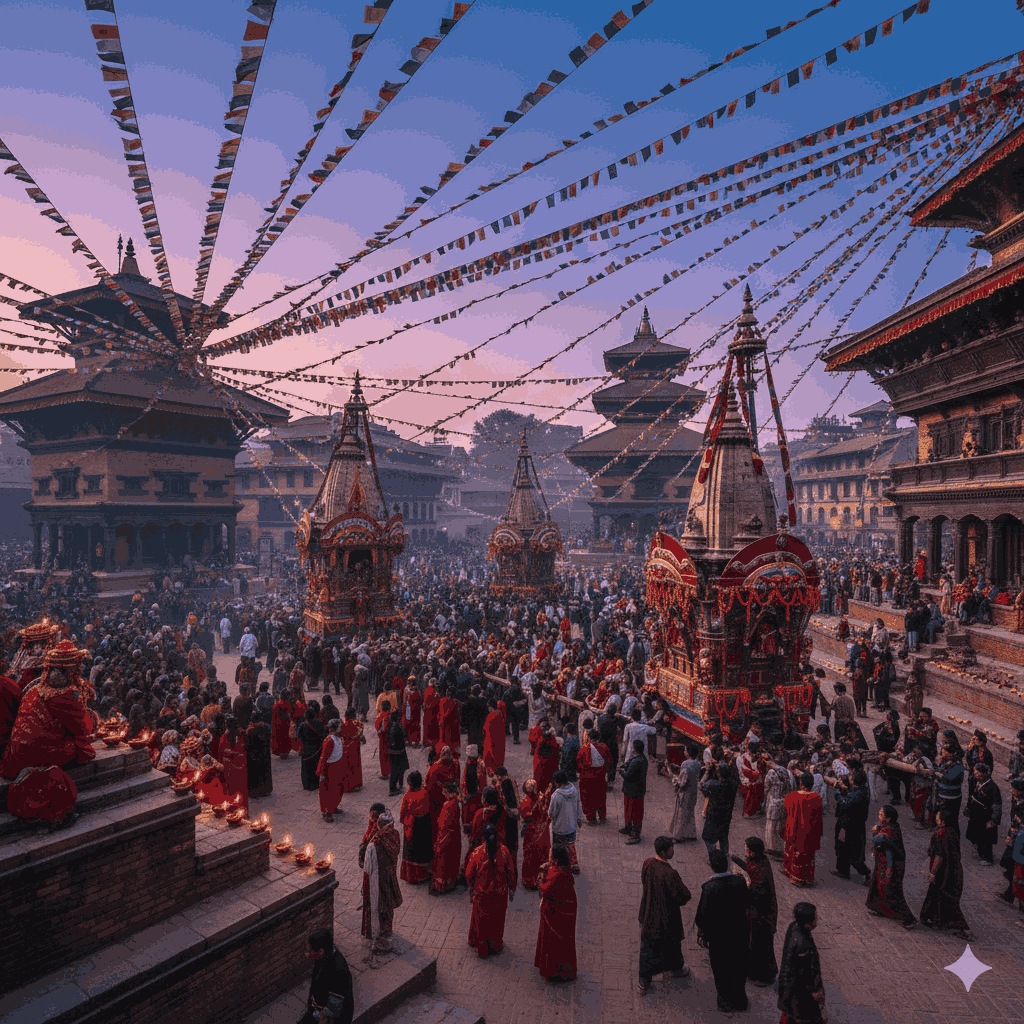
Kathmandu cultural event calendar 2026 showcasing major festivals in Kathmandu Durbar Square
The Tsum Valley Pilgrimage is more than just a walk through the mountains; it is a profound journey into one of the most spiritually significant and geographically isolated corners of the Himalayas. Located in the northern Gorkha district of Nepal, this sacred valley was hidden from the eyes of the western world until as recently as 2008. Today, the Tsum Valley Pilgrimage offers a rare window into a culture that remains purely Tibetan in its roots, guided by the ancient principles of nonviolence and deep Buddhist devotion. For travelers in 2026, the Tsum Valley Pilgrimage stands as a breathtaking testament to how tradition can survive even in a rapidly changing world.
Whether you are drawn by the promise of pristine alpine scenery or the deep spiritual resonance of ancient monasteries, the Tsum Valley Pilgrimage provides a sanctuary for the soul. Many travelers choose to start their journey by immersing themselves in the vibrant energy of the capital, exploring the legendary jazz festivals and live music in Kathmandu before heading into the silence of the high peaks. This contrast between the rhythmic pulse of the city and the meditative stillness of the Tsum Valley Pilgrimage makes for an unforgettable Himalayan adventure.
The Spiritual Heart of the Tsum Valley
The history of the Tsum Valley is deeply intertwined with the legacy of Guru Rinpoche, the 8th century master who brought Buddhism to the Himalayas. He is said to have designated this area as one of the 108 Beyuls, or hidden valleys, intended to serve as a refuge for the faithful during times of darkness. Later, in the 11th century, the great yogi Milarepa spent years meditating in the caves scattered across the cliffs, further sanctifying the path of the Tsum Valley Pilgrimage.
Piren Phu Cave: Also known as the Pigeon Cave, this is one of the most sacred sites on the Tsum Valley Pilgrimage. It is believed that Milarepa’s footprints are still visible in the stone here.
Mu Gompa: Established in 1936, this is the highest and oldest monastery in the valley. Reaching its gate is often considered the spiritual peak of the Tsum Valley.
Rachen Gompa: A significant nunnery that houses an extraordinary collection of handcrafted murals and statues, offering a glimpse into the daily lives of the nuns.
Gumba Lungdang: Often an optional side trip on the Tsum Valley, this monastery offers a direct view of the majestic Ganesh Himal range.
The Tsum Valley is unique because of the Shyagya tradition, a formal pact of nonviolence established by the local Tsumba people over a century ago. This means that within the boundaries of the Tsum Valley, no animals are killed, no hunting is allowed, and a deep respect for all living beings is maintained. This ethical foundation makes the Tsum Valley a particularly soulful experience for those who value conscious travel.
Navigating the Tsum Valley in 2026
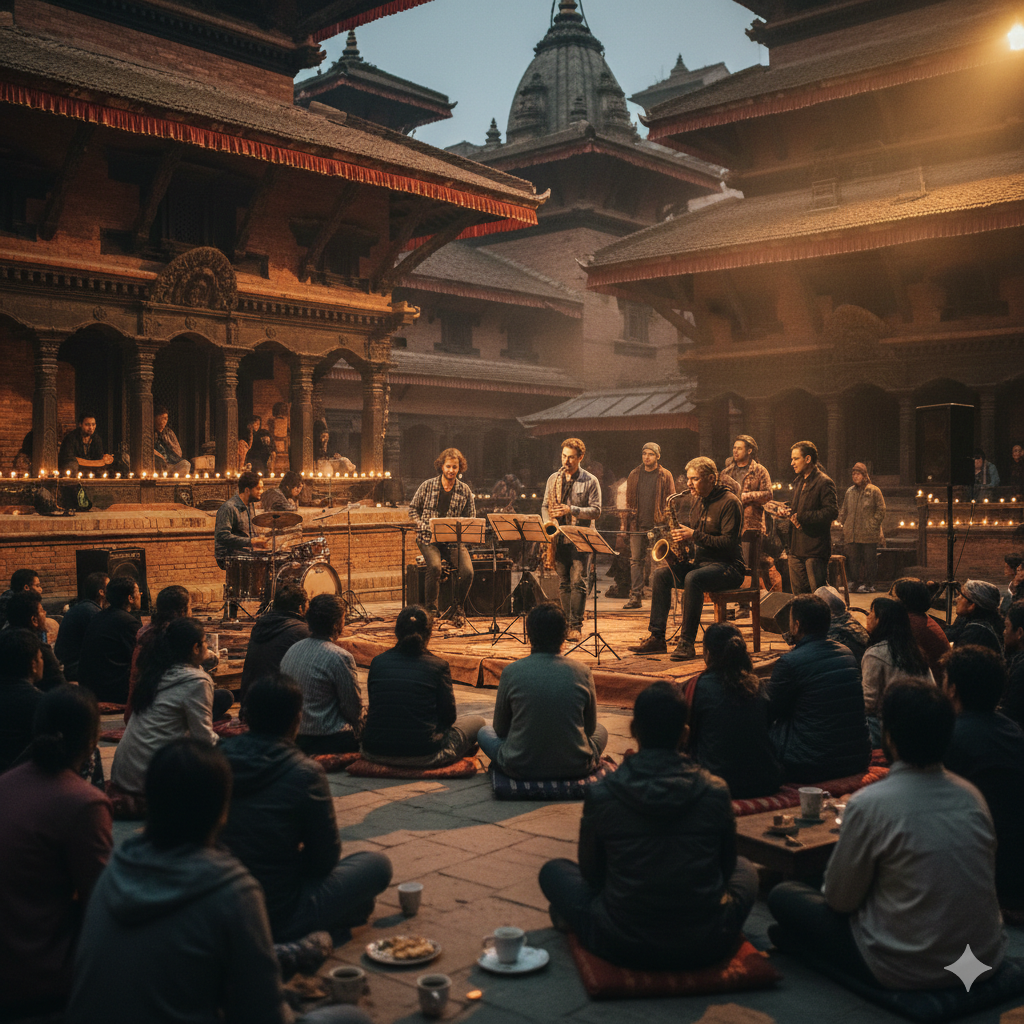
Jazz festivals featured in the Kathmandu cultural event calendar 2026 with live music in historic venues
Preparing for a Tsum Valley requires careful planning, especially given the remote nature of the terrain. The trails on the Tsum Valley are rugged and often involve thousands of stone steps, known affectionately by locals as “Nepali Flats.” In 2026, new regulations like the Mandatory Guide Policy 2026 mean that you must be accompanied by a licensed professional to ensure safety and cultural respect.
Permit Requirements: The Tsum Valley is a restricted area. You will need a special Tsum Valley Permit, a Manaslu Conservation Area Permit (MCAP), and an Annapurna Conservation Area Permit (ACAP).
The Best Time to Visit: For the most breathtaking views on your Tsum Valley Pilgrimage, aim for the autumn months of October and November or the spring window of April and May.
Accommodation: You will stay in simple, community based homestays or teahouses. These provide an authentic opportunity to experience the warmth and hospitality of the Tsumba people.
Gear Check: Before you leave the city, ensure your equipment is in top shape. If you are combining your trek with cycling, look into mountain bike servicing Kathmandu to prepare for the rough roads leading to the trailhead.
A Typical 14 Day Tsum Valley Itinerary
A well paced Tsum Valley Pilgrimage allows for proper acclimatization and deep cultural immersion. Most itineraries begin with a long drive from Kathmandu to the banks of the Budhi Gandaki river.
Drive from Kathmandu to Machha Khola
Trek to Jagat and enter the Manaslu Conservation Area
Cross into the restricted zone at Lokpa, the gateway to the Tsum Valley Pilgrimage
Climb toward Chumling, where the valley begins to open up
Reach Chhokangparo, the first major settlement of the upper Tsum Valley Pilgrimage
Visit the Milarepa Cave on the way to Nile
Make the final ascent to Mu Gompa at 3,700 meters
Explore the high pastures and ancient chortens of the upper Tsum Valley Pilgrimage
Descend to Rachen Gompa to learn about monastic life
Begin the return journey toward Chumling
Trek back to the village of Philim
Descend further to Khorlabesi
Final trekking day back to Machha Khola
Drive back to the city for a well deserved celebration
This itinerary ensures that you don’t just “see” the Tsum Valley Pilgrimage, but that you truly experience its rhythm. Many trekkers find that the silence of the mountains stays with them long after they return, often spending their final nights in Nepal enjoying the jazz festivals and live music in Kathmandu to process their spiritual journey through song and community.
Ethical and Sustainable Travel on the Tsum Valley Pilgrimage
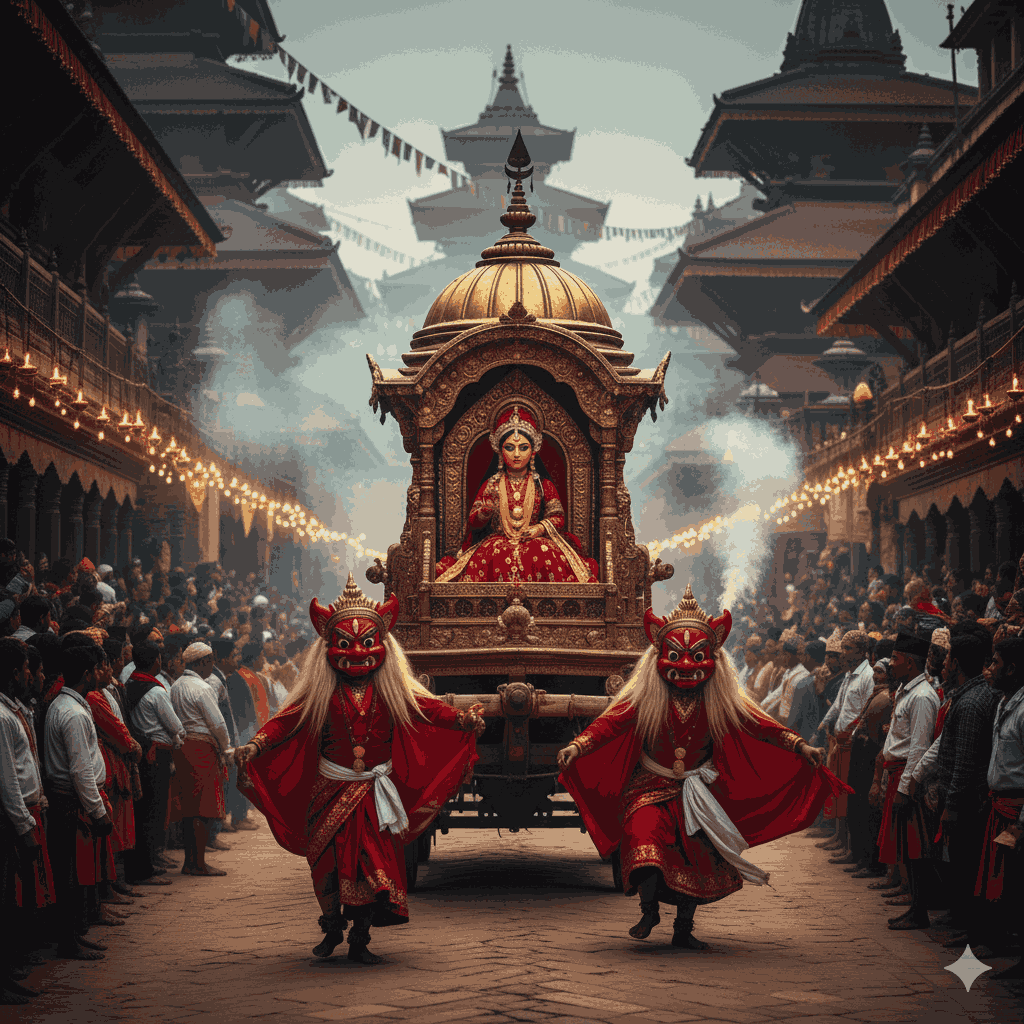
Indra Jatra and religious celebrations in the Kathmandu cultural event calendar 2026
One of the greatest joys of the Tsum Valley is the opportunity to practice responsible tourism. Because the valley is a “no killing zone,” the Tsum Valley is an ideal destination for those interested in vegetarian trekking packages in Nepal. Eating locally grown buckwheat, potatoes, and barley not only supports the farmers but also keeps your carbon footprint low during the Tsum Valley.
Waste Management: Plastic bottles are heavily discouraged on the Tsum Valley Pilgrimage. Always carry a reusable bottle and use water purification tablets.
Support Local Artisans: Look for handcrafted woolens and carvings. These ancestral skills are passed down through generations and buying directly from the makers helps preserve the culture of the Tsum Valley Pilgrimage.
Respect Sacred Spaces: Always walk clockwise around mani walls and chortens. This is a fundamental rule of etiquette on the Tsum Valley Pilgrimage.
Dress Modestly: When visiting the monasteries of the Tsum Valley Pilgrimage, ensure your shoulders and knees are covered as a sign of respect for the monks and nuns.
Frequently Asked Questions about the Tsum Valley Pilgrimage
What is the significance of the Tsum Valley ?
The Tsum Valley is a journey to a sacred “Beyul” blessed by Guru Rinpoche and Milarepa. It is a place of deep spiritual refuge and ancestral Tibetan culture.
How much does a Tsum Valley cost in 2026?
Expect to budget between 800 USD and 1500 USD for a 14 day Tsum Valley, depending on your group size and level of service. This typically includes permits, guides, and teahouse stays.
Is the Tsum Valley difficult?
The Tsum Valley Pilgrimage is considered a moderate trek. While you don’t cross high passes like the Larkya La, the terrain is steep, and the altitude can reach up to 4,000 meters.
What should I eat on the Tsum Valley?
The Tsum Valley Pilgrimage is a strictly vegetarian zone. You will enjoy hearty meals of Dal Bhat, Tibetan bread, Tsampa, and salted butter tea.
Can I do the Tsum Valley without a guide?
No, the Tsum Valley Pilgrimage is a restricted area and government regulations in 2026 require all foreigners to be accompanied by a licensed guide.
How do I get to the start of the Tsum Valley Pilgrimage?
Most travelers take a local bus or hire a private jeep from Kathmandu to Machha Khola, which takes about 8 to 10 hours.
What is the best month for the Tsum Valley Pilgrimage?
October is widely considered the best month due to the clear views and the vibrant autumn festivals that take place throughout the Tsum Valley.
Is there internet or cell service on the Tsum Valley Pilgrimage? Service is extremely limited and unreliable. Most people treat the Tsum Valley as a digital detox experience.
What kind of fitness is required for the Tsum Valley?
You should be able to walk for 5 to 7 hours a day over uneven terrain. Regular cardio exercise before your Tsum Valley is highly recommended.
Are there many festivals on the Tsum Valley?
Yes, festivals like Lhosar and Saka Dawa are celebrated with great fervor, featuring traditional mask dances and ancestral rituals.
Is it safe for solo female travelers to do the Tsum Valley?
Yes, especially since a guide is mandatory. The Tsumba people are incredibly hospitable and the Tsum Valley Pilgrimage is known for its safety and peace.
What should I do after my Tsum Valley?
Many travelers head back to the capital to experience the jazz festivals and live music in Kathmandu or visit the hot springs in Tatopani to relax their muscles.
How do I book a Tsum Valley pilgrimage?
You must book through a registered trekking agency in Nepal. They will handle your permits and provide a licensed guide for the Tsum Valley Pilgrimage.
The Tsum Valley is a rare gift in the modern world. It is a place where time seems to have slowed down, allowing for a deeper connection with the self and the environment. By embarking on a Tsum Valley, you are not just a tourist; you are a witness to a living, breathing history that continues to shine brightly in the heart of the Himalayas.
