
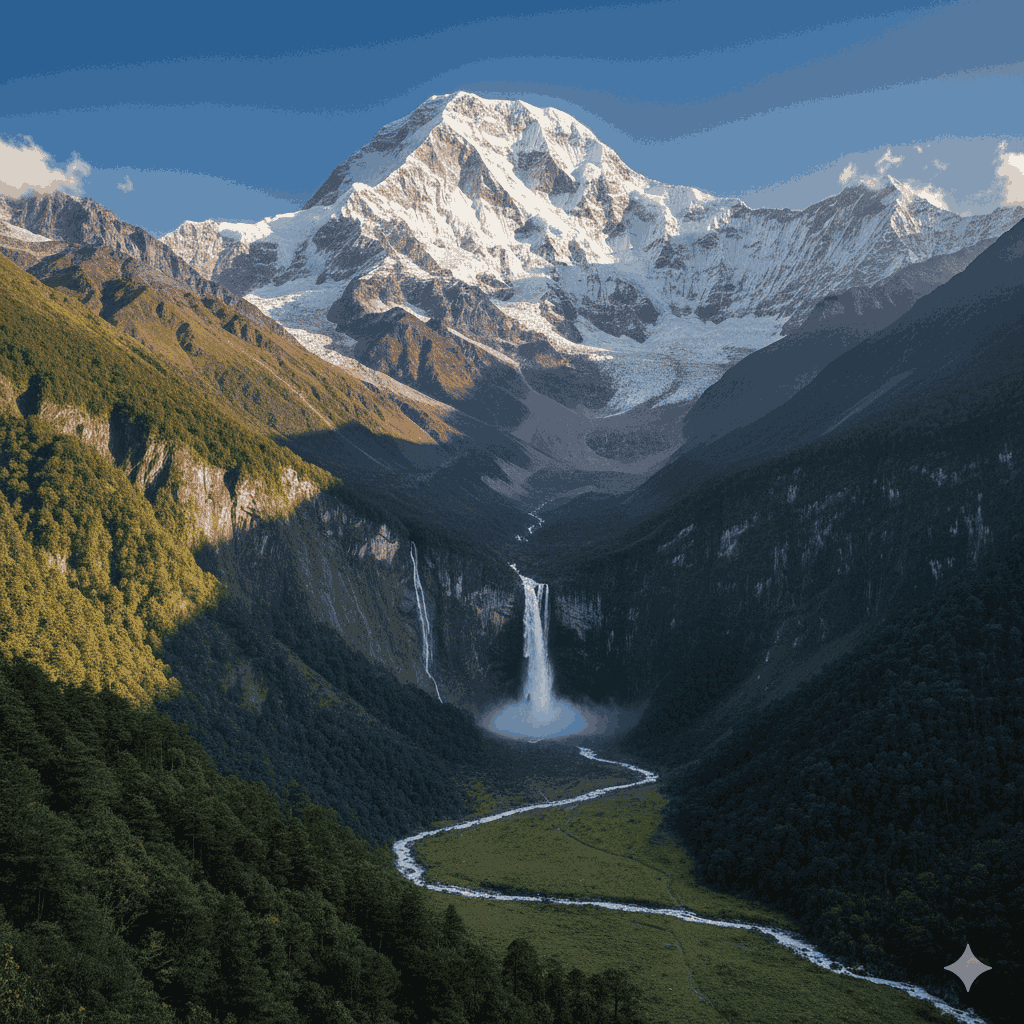
Makalu Barun Hike 2026: A breathtaking panoramic view of Mount Makalu and the pristine Barun Valley, showcasing the rugged wilderness of Nepal’s last untouched region.
In the expansive landscape of 2026 Himalayan trekking, where the trails of central Nepal have become bustling highways of tourism, the Makalu Barun Hike 2026 stands as a beacon for the true mountain purist. This is not just a hike; it is a deep-immersion expedition into the Makalu Barun National Park, a region that protects some of the most diverse and pristine ecosystems on Earth. Home to Mount Makalu (8,485m), the fifth-highest peak in the world, this trek offers a level of raw beauty and solitude that is increasingly hard to find.
What sets the Makalu Barun Hike 2026 apart is its dramatic elevation profile. In a single journey, you travel from the tropical heat of the Arun Valley at just 400 meters to the frozen heights of Makalu Base Camp at 4,870 meters. For the 2026 traveler, this trek represents the pinnacle of “off-the-beaten-path” adventure. It is a land of hanging glaciers, vertical granite cliffs, and the legendary Barun Valley—a place so remote that it feels like a sanctuary hidden from the passage of time itself.
Chapter 1: Geography and the Barun Valley Biosphere
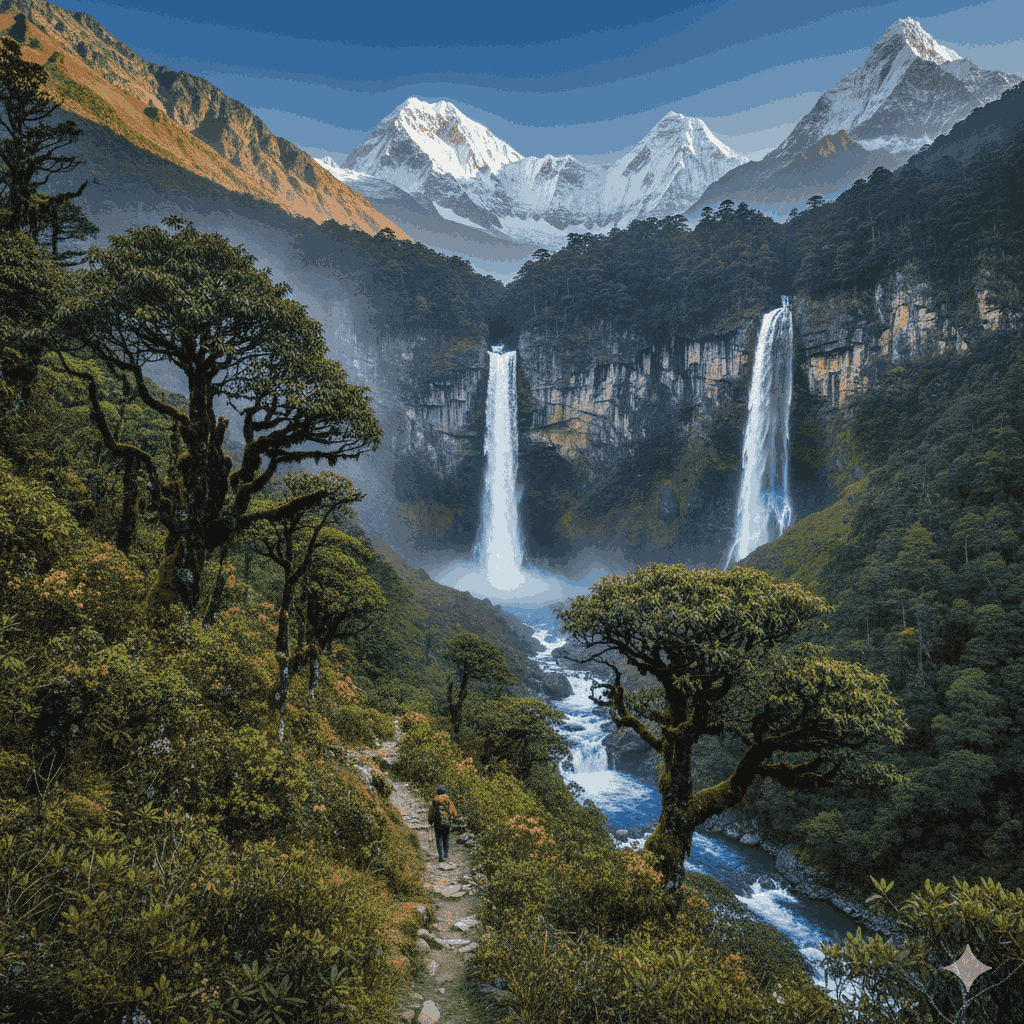
Makalu Barun Hike 2026: A trail in the Barun Valley surrounded by lush forests and waterfalls, highlighting the remarkable ecological diversity of Nepal’s last wilderness
The geography encountered during the Makalu Barun Hike 2026 is perhaps the most varied of any trek in Nepal. The Makalu Barun National Park is the only protected area in the world with an elevation gain of more than 8,000 meters within a relatively small geographical footprint. This creates a vertical zonation of life, ranging from lush tropical forests and temperate oak groves to alpine meadows and finally the high-altitude Arctic desert of the base camp.
As you navigate the Makalu Barun Hike 2026, you will enter the Barun Valley, a deep glacial trough that remains one of the last remaining “pristine” wilderness areas in the Himalayas. The valley is famous for its towering waterfalls that cascade down thousands of feet of sheer rock, often disappearing into the mist before they hit the valley floor. This unique biosphere is home to over 3,000 species of flowering plants, including 25 species of rhododendrons, making the Makalu Barun Hike 2026 a paradise for botanists and nature lovers alike.
Chapter 2: Essential 2026 Logistics: Permits and Remote Access
Planning a Makalu Barun Hike 2026 requires a higher degree of logistical coordination than more commercial routes. Because of its remote location and restricted border zones, specific permits and travel arrangements are mandatory.
The Permit Framework for 2026
To undertake the Makalu Barun Hike 2026, you will need two primary documents: the Makalu Barun National Park Entry Permit and the Trekkers’ Information Management System (TIMS) card. For 2026, the national park permit is priced at approximately 3,000 NPR for foreigners. If your itinerary includes the Kimathangka border region, a Restricted Area Permit (RAP) costing $20 USD per week is also required. These permits ensure that the delicate balance of the park is maintained and that trekkers are accounted for in this remote terrain.
Transport: The Flight to Tumlingtar
The journey typically begins with a 35-minute flight from Kathmandu to Tumlingtar. This flight is a highlight of the Makalu Barun Hike 2026, offering sweeping views of the Ganesh, Langtang, and Everest massifs. From Tumlingtar, a rugged jeep drive of 4-5 hours takes you to the village of Num, the official trailhead. Because flights to Tumlingtar are sensitive to mountain weather, we recommend building at least one buffer day into your 2026 schedule to avoid missing your international connections.
Chapter 3: The 2026 Financial Blueprint: Costs and Budgeting
Budgeting for the Makalu Barun Hike 2026 is unique because it combines elements of both tea-house and camping trekking. While lodges have become more common in the lower sections, the higher reaches still require a high degree of self-sufficiency.
| Category | Estimated 2026 Cost (USD) | Notes |
| National Park & TIMS Permits | $45 – $60 | Payable in Kathmandu or Num. |
| Domestic Flights (Round Trip) | $300 – $400 | Kathmandu to Tumlingtar. |
| Full Guided Package (20 Days) | $1,800 – $2,500 | Includes guide, porter, food, and lodging. |
| Personal Daily Expenses | $25 – $35 | For charging, hot showers (where available), and snacks. |
While you can use your credit card in Nepal for initial bookings in Kathmandu, the Makalu region is strictly cash-based. There are zero ATMs once you leave the Tumlingtar/Khandbari area. Be sure to read our guide on Are there ATMs in the mountains of Nepal? before heading out, as you will need to carry enough local currency for your entire Makalu Barun Hike 2026.
Chapter 4: Detailed 20-Day Makalu Barun Hike 2026 Itinerary
This itinerary is designed for 2026 standards, prioritizing safe acclimatization and maximum immersion in the Barun Valley.
Day 1-2: Arrival and Preparation: Meet your team in Kathmandu and finalize your Makalu Barun Hike 2026 permits.
Day 3: Fly to Tumlingtar & Drive to Num: Begin the transition from the city to the humid hills of the Arun Valley.
Day 4: Num to Seduwa: A steep descent to the Arun River followed by a grueling climb into the national park gates.
Day 5: Seduwa to Tashigaon: A gentle walk through terraced fields and the last permanent Sherpa settlement on the route.
Day 6-7: Tashigaon to Khongma Danda: The “Stairway to Heaven.” A massive ascent through rhododendron forests. Day 7 is reserved for essential acclimatization.
Day 8: The High Passes (Shipton La): Cross the Shipton La (4,216m) and Keke La (4,170m). This is the most scenic day of the Makalu Barun Hike 2026, with views of Kanchenjunga and Makalu.
Day 9-10: Entering the Barun Valley: Descend to Dobate and follow the river to Yangle Kharka, a stunning alpine meadow.
Day 11-13: The Push to Base Camp: Trek to Langmale Kharka and finally to Makalu Base Camp (4,870m). Spend Day 13 exploring the Barun Glacier and views of Everest’s Kangshung Face.
Day 14-20: The Return Descent: Retrace your steps through the valley and over the passes, returning to Tumlingtar for your flight back to Kathmandu.
Chapter 5: Culture: The Sherpas of the East
The Makalu Barun Hike 2026 offers a different cultural perspective than the Khumbu (Everest) region. The Sherpas and Rais of the Makalu region have lived in relative isolation for centuries, maintaining a lifestyle that is deeply tied to the land and the seasons. In villages like Tashigaon, you will see traditional stone houses and monasteries that have stood for generations.
A unique aspect of the Makalu Barun Hike 2026 is the “Shiva Dhara,” a sacred high-altitude waterfall and cave that is a site of pilgrimage for both Hindus and Buddhists. The spiritual energy of the Barun Valley is palpable, often described by locals as a “Beyul”—a hidden valley of refuge. If you enjoy the vibrant energy of jazz festivals and live music in Kathmandu, you will find the deep, resonant echoes of monastery horns in the Makalu region to be a hauntingly beautiful contrast.
Chapter 6: Wildlife: The Red Panda and the Snow Leopard
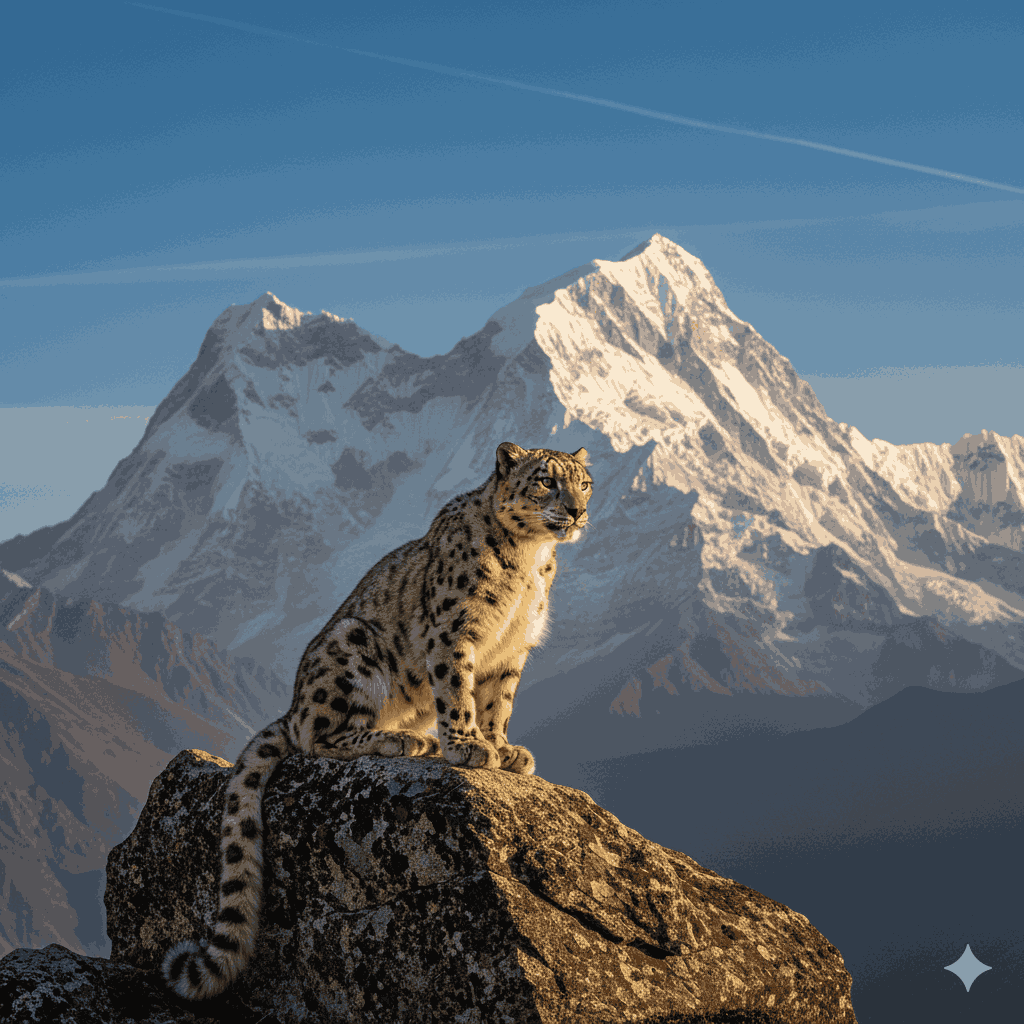
Makalu Barun Hike 2026: A snow leopard in its natural habitat amid the remote peaks of Makalu and Saipal, showcasing the area’s rich biodiversity
For wildlife enthusiasts, the Makalu Barun Hike 2026 is a dream come true. Because the national park is so sparsely populated and difficult to access, it remains a stronghold for endangered species.
The Red Panda: Often spotted in the bamboo and fir forests between Tashigaon and Khongma.
The Snow Leopard: The high, rocky terrain above Langmale Kharka is prime hunting ground for these majestic cats.
- Avian Diversity: Over 400 species of birds, including the rare Wren-babbler, inhabit the park.
Keep your binoculars ready during your Makalu Barun Hike 2026, as the lack of crowds means wildlife is much more likely to venture near the trails.
Chapter 7: Training and Preparation for 2026
The Makalu Barun Hike 2026 is graded as “Strenuous.” It involves thousands of stone steps and multiple days above 4,000 meters.
Physical Conditioning: Focus on hill climbing and cardiovascular endurance. Your legs must be prepared for the 1,500-meter ascent to Khongma.
Support: We highly recommend that you hire a porter in Nepal for this specific trek. The terrain is notoriously “up and down,” and carrying a full 15kg pack can significantly increase the risk of exhaustion and altitude sickness.
Gear: In 2026, ensure you have a reliable satellite communication device (like a Garmin InReach) as mobile signals are non-existent in the Barun Valley.
Frequently Asked Questions (FAQs)
Q1: How difficult is the Shipton La Pass on the Makalu Barun Hike 2026?
It is physically demanding but non-technical. In 2026, the trail is well-marked, but it can be buried in snow after a storm, requiring a guide’s expertise.
Q2: Is there any internet in the Barun Valley?
No. You will be entirely offline from Tashigaon until you return. This is one of the last true “digital detox” treks in Nepal.
Q3: Can I do a shorter version of the Makalu Barun Hike 2026?
While 20 days is standard, a 16-day “Rapid” itinerary is possible for extremely fit trekkers, though it increases the risk of altitude-related issues.
The Makalu Barun Hike 2026 is a journey for those who crave the silence of the high mountains and the thrill of the unknown. It is a trek that demands respect, preparation, and a deep love for the wilderness. In a world that is moving faster every day, the Barun Valley offers a place to slow down and reconnect with the raw power of nature.
As you stand at Makalu Base Camp, surrounded by the towering granite faces of the world’s highest mountains, the effort of the Makalu Barun Hike 2026 will feel like a small price to pay for such a profound experience. Whether you are a seasoned trekker or a first-time adventurer seeking something different, the Makalu region will challenge you, change you, and leave you with memories that will last a lifetime.
