
Traveling to Nepal is an exciting experience filled with Himalayan adventures, cultural heritage, and unforgettable landscapes. However, understanding money matters is just as important as planning destinations. This Currency Exchange Guide in Nepal helps international travelers manage money safely, avoid unnecessary fees, and understand how financial transactions work across the country.
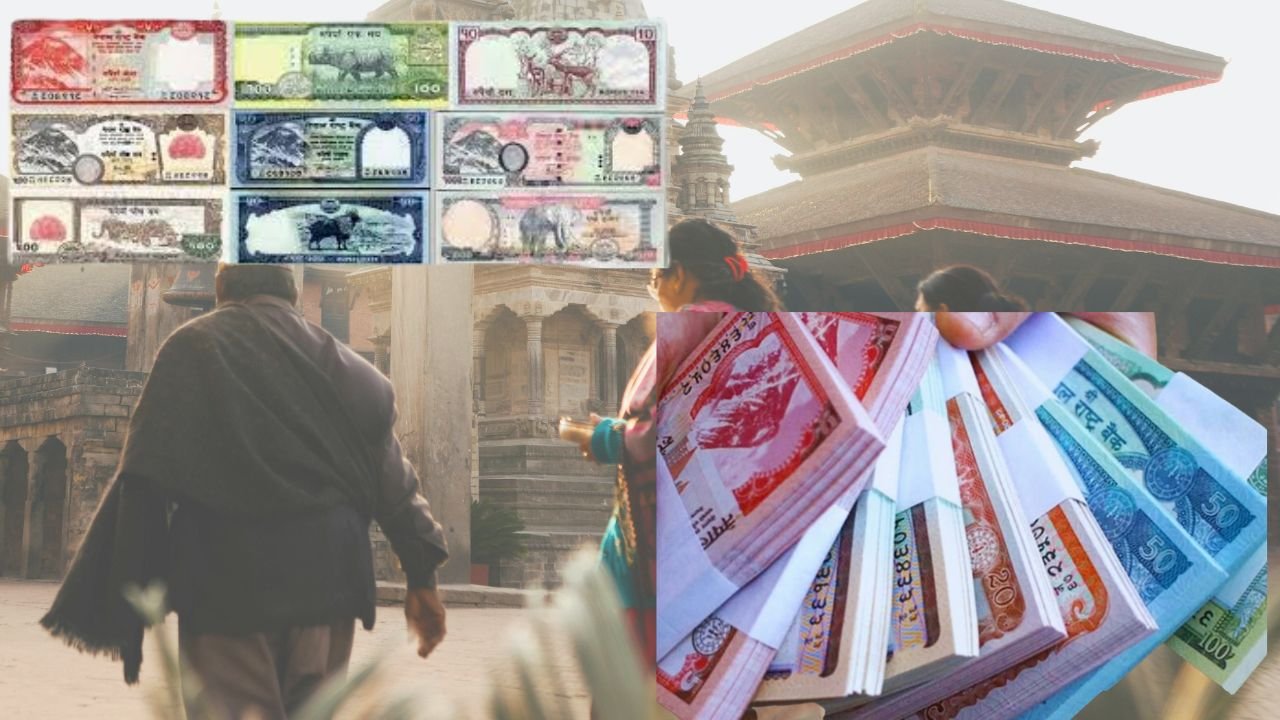
Currency Exchange Guide in Nepal
Whether you are arriving from the USA, UK, India, Australia, or Europe, knowing where and how to exchange currency ensures a smooth travel experience. Nepal primarily operates on cash transactions, especially outside major cities, making currency exchange knowledge essential for tourists.
This detailed Currency Exchange Guide in Nepal covers exchange locations, ATM usage, payment options, safety tips, regulations, and smart money-saving strategies for visitors.
Understanding Nepalese Currency and Exchange Basics
Nepal’s official currency is the Nepalese Rupee (NPR), which is used nationwide for all transactions including accommodation, transportation, food, trekking permits, and shopping. The Nepal Rastra Bank regulates currency circulation and exchange operations throughout the country.
For travelers reading this Currency Exchange Guide in Nepal, it is important to know that foreign currencies such as US Dollars, British Pounds, Euros, and Australian Dollars are widely accepted for exchange in cities like Kathmandu and Pokhara. However, daily payments must usually be made in local currency rather than foreign cash.
Banknotes commonly used include NPR 5, 10, 20, 50, 100, 500, and 1000 denominations. Smaller notes are extremely useful for taxis, street markets, and rural purchases where change may not always be available.
Exchange rates fluctuate daily depending on international markets. Tourists should always check updated rates before exchanging money. Licensed exchange counters display official rates publicly, ensuring transparency.
Understanding local currency early helps travelers budget accurately and prevents confusion during purchases. This Currency Exchange Guide in Nepal recommends exchanging small amounts initially and adjusting based on travel needs.
Best Places for Currency Exchange in Nepal
One of the most common questions travelers ask in any Currency Exchange Guide in Nepal is where to exchange money safely. Nepal offers several reliable options depending on convenience and exchange rates.
Licensed money exchange counters are the most popular choice among tourists. Areas such as Thamel in Kathmandu and Lakeside in Pokhara have numerous authorized exchange centers offering competitive rates. These counters operate long hours and provide quick service without complicated paperwork.
Banks are another secure option. Commercial banks offer official exchange services with guaranteed authenticity. However, banking hours are limited compared to private exchange counters, making them slightly less convenient for travelers arriving late.
Hotels and airports also provide exchange services, though rates are usually lower. Airport exchange counters are helpful immediately after arrival but should only be used for small amounts needed for transportation or initial expenses.
According to this Currency Exchange Guide in Nepal, travelers should always request receipts after transactions. Exchange receipts may be required if converting Nepalese currency back into foreign currency before departure.
Choosing authorized exchange services ensures safety and protects visitors from counterfeit notes or unfair rates.
Using ATMs and International Cards in Nepal
Modern banking facilities have improved significantly, and ATMs are widely available in major tourist hubs. This Currency Exchange Guide in Nepal strongly recommends ATMs as one of the easiest ways to access local currency.
International debit and credit cards such as Visa and Mastercard are accepted at most ATMs across Kathmandu, Pokhara, Chitwan, and major towns. Machines typically dispense Nepalese Rupees directly, eliminating the need for physical currency exchange beforehand.
However, ATM withdrawal limits usually range between NPR 20,000 to NPR 35,000 per transaction depending on the bank. Foreign transaction fees may apply from both Nepali banks and home-country banks.
Travelers trekking to remote regions should withdraw sufficient cash beforehand because ATMs become rare or unavailable in mountain areas. Internet connectivity issues can occasionally affect ATM operations as well.
This Currency Exchange Guide in Nepal advises notifying your bank before travel to avoid card blocking due to international usage alerts. Carrying at least two payment cards provides additional security during emergencies.
ATMs remain one of the most practical financial solutions for tourists traveling throughout Nepal.
Credit Cards, Digital Payments, and Cash Usage
Although Nepal is gradually adopting digital payment systems, cash remains the dominant payment method nationwide. Understanding payment habits is essential when following a reliable Currency Exchange Guide in Nepal.
Credit cards are accepted in upscale hotels, travel agencies, restaurants, and shopping centers in urban areas. However, smaller businesses, local eateries, taxis, and trekking lodges often operate on a cash-only basis.
Digital wallets and QR payments are growing in popularity among locals, but international travelers may find limited compatibility unless using regional payment apps.
Many businesses charge an additional service fee ranging from 3% to 4% for card payments. Because of this, tourists often prefer cash transactions for better pricing.
During trekking adventures, electricity and internet access may be limited, making electronic payments unreliable. Carrying adequate Nepalese Rupees becomes essential in such situations.
This Currency Exchange Guide in Nepal emphasizes balancing payment methods—using cards in cities while keeping sufficient cash for rural travel experiences.
Currency Exchange Rules and Regulations for Tourists
Foreign visitors must follow certain financial regulations while exchanging money in Nepal. This Currency Exchange Guide in Nepal highlights important rules travelers should understand before arrival.
Indian Rupees are accepted under specific conditions, but high-denomination Indian notes may face restrictions. Travelers should verify updated regulations before carrying Indian currency.
Foreign currency exchange should always be conducted through authorized dealers approved by Nepal Rastra Bank. Street exchanges or unofficial money changers should be avoided entirely.
Tourists leaving Nepal may convert unused Nepalese Rupees back into foreign currency only by presenting official exchange receipts. Without receipts, reconversion may not be permitted.
There are also limits on exporting Nepalese currency outside the country. Visitors should exchange remaining funds before departure rather than carrying local cash abroad.
Following official regulations ensures legal compliance and prevents financial inconvenience during international travel.
Money Safety Tips for Travelers in Nepal
Financial safety is an important part of every Currency Exchange Guide in Nepal, especially for first-time visitors. Nepal is generally safe, but smart precautions help prevent loss or theft.
Avoid carrying large amounts of cash in one place. Divide money between wallets, hotel safes, and secure travel pouches. Using anti-theft bags provides extra protection in crowded areas.
Always count exchanged money carefully before leaving exchange counters. Verify banknotes to ensure authenticity and correct denominations.
When withdrawing cash from ATMs, choose machines located inside banks or well-lit commercial areas. Avoid assistance from strangers offering help during transactions.
Keeping emergency backup funds in a separate location can be extremely helpful during unexpected travel disruptions.
By following these simple practices, tourists can confidently manage finances throughout their Nepal journey.
Budgeting and Daily Spending in Nepal
Understanding travel costs helps visitors exchange money efficiently. According to this Currency Exchange Guide in Nepal, Nepal remains one of the most affordable adventure destinations globally.
Budget travelers may spend approximately USD 25–40 per day covering accommodation, meals, and local transportation. Mid-range travelers typically spend USD 50–100 daily, while luxury travelers may exceed USD 150 depending on comfort preferences.
Major expenses include trekking permits, domestic flights, guides, and adventure activities. Rural regions often operate exclusively on cash payments, reinforcing the importance of proper currency planning.
Exchanging money gradually rather than all at once helps travelers respond to changing needs and exchange rate fluctuations.
Careful budgeting ensures smoother travel and avoids unnecessary financial stress during exploration.
Managing Money Smartly in Nepal
Understanding financial systems before arrival significantly improves travel experiences. This comprehensive Currency Exchange Guide in Nepal shows that managing money in Nepal is straightforward when travelers prepare properly.
Nepal combines traditional cash-based markets with growing digital infrastructure, meaning visitors benefit from carrying both local currency and international payment cards. Authorized exchange centers, reliable ATMs, and transparent banking systems make financial transactions accessible across major tourist destinations.
Travelers should prioritize exchanging money through licensed services, keeping exchange receipts, and withdrawing adequate cash before heading into trekking regions. Small denominations simplify everyday purchases while budgeting helps control overall expenses.
Ultimately, smart currency management allows tourists to focus on Nepal’s true highlights—mountains, culture, adventure, and hospitality without financial worries. By following this Currency Exchange Guide in Nepal, visitors can enjoy a safe, convenient, and stress-free journey while exploring one of the world’s most remarkable travel destinations.
FAQs About Currency Exchange Guide in Nepal
What currency is used in Nepal?
Nepal uses the Nepalese Rupee (NPR) for all transactions across the country.
Can tourists use US Dollars in Nepal?
US Dollars can be exchanged easily but are rarely accepted directly for everyday payments.
Are ATMs available in Nepal?
Yes, ATMs are widely available in Kathmandu, Pokhara, and major tourist cities.
Is it better to exchange money or withdraw from ATMs?
ATMs are convenient, but exchange counters sometimes offer better rates depending on fees.
Can I use credit cards in Nepal?
Credit cards work in major cities but cash is required in rural and trekking areas.
How much cash should tourists carry in Nepal?
It depends on travel style, but carrying daily expenses plus emergency backup cash is recommended.
