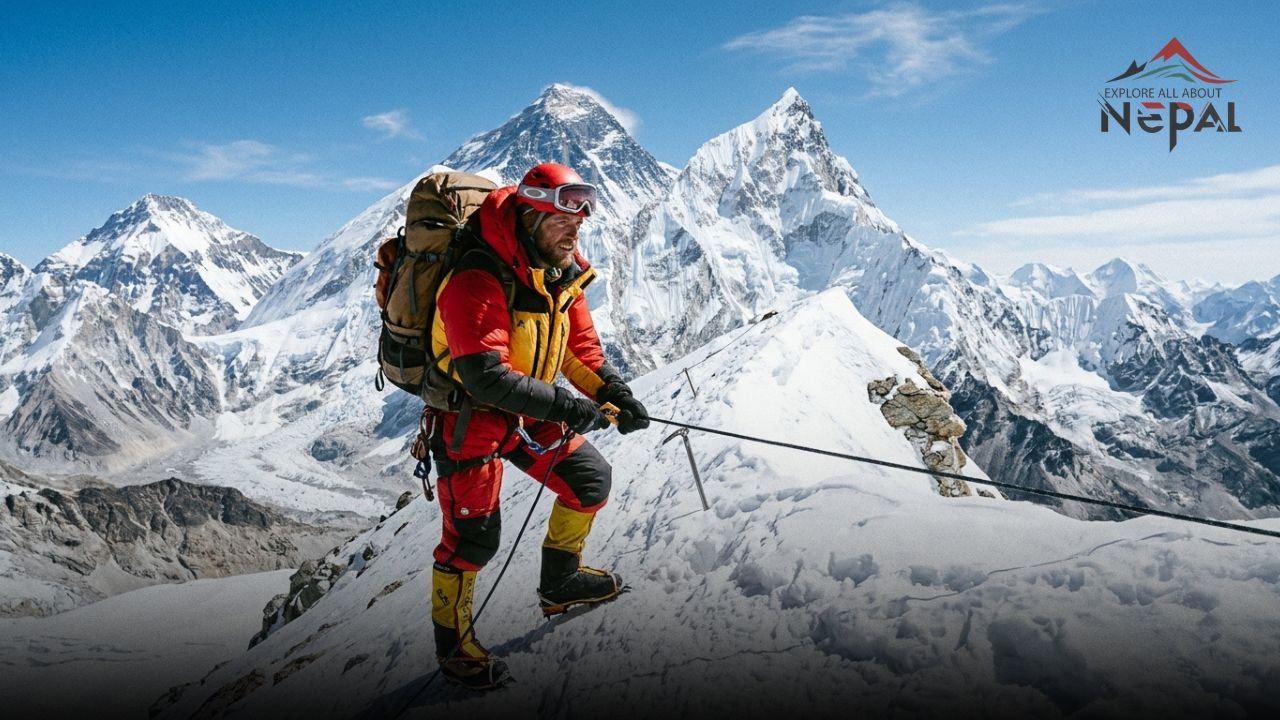
Nepal offers something genuinely rare in mountaineering: real glacier travel, fixed-rope climbing, and 6,000m summits that don’t require years of technical experience to attempt. These are officially classified as “trekking peaks” a designation by the Nepal Mountaineering Association (NMA) for a specific tier of peaks that sit between high-altitude trekking and full expedition mountaineering.
If you’ve done a tea-house trek like Everest Base Camp or Annapurna Base Camp and want the next step without committing to years of technical training this guide covers the four best beginner climbing peaks in Nepal, what each climb actually involves, and how to prepare.
Quick Reference: Best Beginner Climbing Peaks in Nepal
| Peak | Elevation | Technical Difficulty | Region | Flight Required? |
|---|---|---|---|---|
| Yala Peak | 5,732m | Easiest non-technical, non-exposed | Langtang | No |
| Island Peak (Imja Tse) | 6,189m | Moderate fixed ropes, ladder crossings | Everest (Khumbu) | Yes (Lukla) |
| Lobuche East | 6,119m | Moderate–Harder glacier + rock scrambling | Everest (Khumbu) | Yes (Lukla) |
| Mera Peak | 6,476m | Moderate mostly non-technical glacier walk | Everest (Hinku Valley) | Yes (Lukla) |
What Makes a Peak “Beginner-Friendly” in Nepal?
The Nepal Mountaineering Association classifies a specific group of peaks as “trekking peaks” generally meaning they don’t require advanced technical mountaineering skills like multi-pitch rock or ice climbing, even though they reach genuine high-altitude, glaciated terrain. They’re climbed with fixed ropes, basic crampon and ice axe technique, and a guide-led ascending system rather than self-led technical climbing.
This doesn’t mean “easy.” It means accessible to a fit, determined trekker without prior climbing experience, provided they complete basic on-mountain training with their guide and are properly acclimatized. All four peaks below still demand serious cardiovascular fitness, mental resilience at altitude, and a guide-supported expedition structure this is a genuine step up from base camp trekking, not a stretch goal for casual hikers.
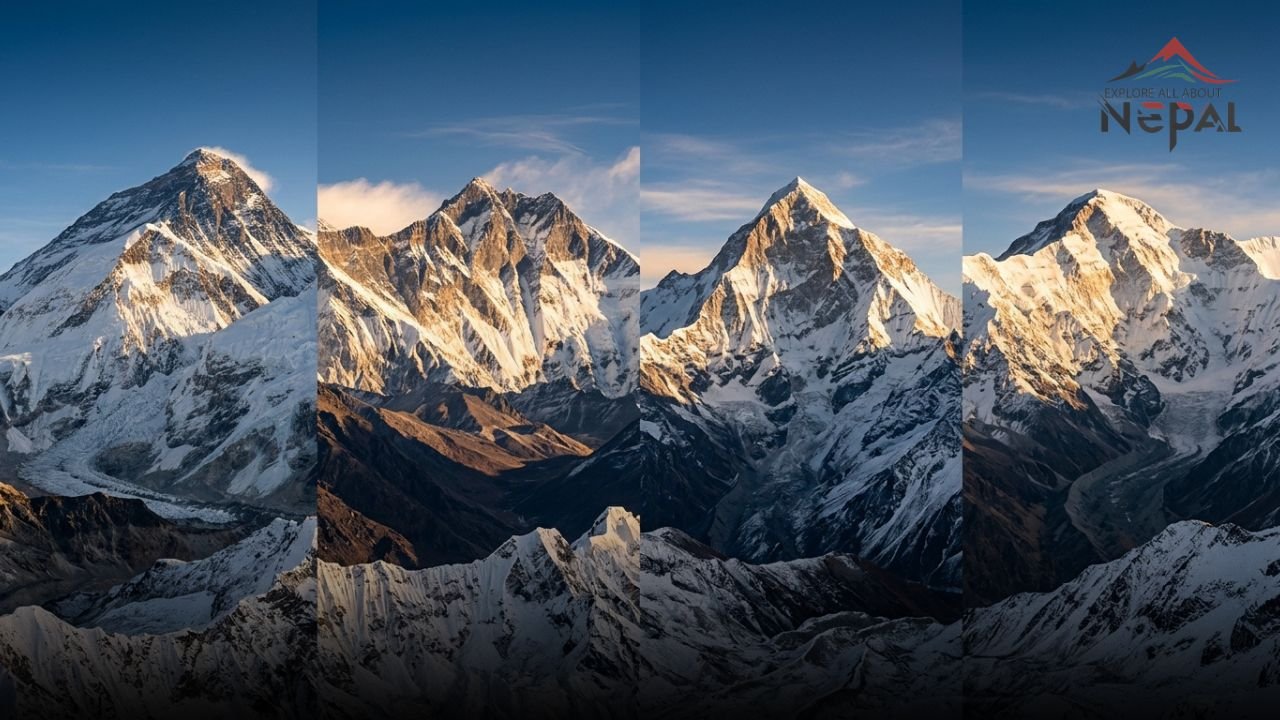
Beginner Climbing Peaks in Nepal
1. Yala Peak (5,732m) — The Easiest Entry Point
Located in the Langtang region, just north of Kathmandu, Yala Peak is the most logistically simple and affordable of the four. Critically, it requires no domestic flight you reach the region by road from Kathmandu, which removes one of the biggest cost and scheduling risks associated with Nepal mountaineering (Lukla flight cancellations are notorious).
Why it’s the easiest: Non-technical and non-exposed terrain. The final summit push involves a straightforward glacier walk rather than steep technical sections, fixed-rope climbing, or ladder crossings.
Who it suits: First-time climbers wanting the lowest-risk introduction to 5,000m+ mountaineering, climbers on a tighter budget or timeline, and anyone who wants to avoid Lukla flight uncertainty entirely.
Typical duration: 12–15 days round trip from Kathmandu, including acclimatization.
2. Island Peak / Imja Tse (6,189m) — The Classic First Climb
The single most popular “first climb” for mountaineers in the Everest region, and for good reason it delivers genuine mountaineering skills (fixed-line ascending, crevasse crossings on aluminum ladders, a steep summit headwall) within a manageable, well-supported expedition structure.
What makes it a good teaching mountain: The route includes most of the core technical skills you’d need on a larger expedition jumar/ascender use on fixed ropes, ladder crossings over crevasses, and a final headwall that typically requires front-pointing with crampons. It’s demanding without requiring prior technical climbing background, because guides teach these skills directly on the mountain.
Logistics advantage: Climbing Island Peak is commonly combined with the Everest Base Camp trek itself, since the approach overlaps significantly with the standard EBC route via Lukla and Namche Bazaar. Many climbers treat it as “EBC plus a summit.”
Who it suits: Climbers who’ve already done EBC or a similar high-altitude trek and want a genuine technical step up, and anyone specifically wanting Everest-region scenery as part of the experience.
Typical duration: 18–21 days round trip from Kathmandu, often combined with EBC trekking days.
3. Lobuche East (6,119m) — The Technical Step Up
Often climbed by those who’ve already done Island Peak and want a slightly harder objective, or by stronger beginners wanting more genuine technical engagement from their first climb. Lobuche East involves more sustained glacier travel and rock scrambling than Island Peak, with correspondingly more exposure.
Why it’s a step up: The summit ridge involves rock scrambling in addition to glacier travel, and the terrain is generally considered slightly more demanding and less straightforward than Island Peak’s more standardized fixed-line route.
The payoff: Genuinely spectacular, close-up views of Everest, Nuptse, and the surrounding Khumbu peaks from a summit that sees considerably fewer climbers than Island Peak.
Who it suits: Climbers with some prior high-altitude experience (even if non-technical) who want more engagement than Island Peak offers, or those climbing Island Peak and Lobuche East as a back-to-back pair within the same expedition.
Typical duration: 18–21 days round trip from Kathmandu, frequently combined with Island Peak in the same expedition for climbers wanting both.
4. Mera Peak (6,476m) — The Highest Trekking Peak
Nepal’s highest officially classified trekking peak, and despite the elevation, predominantly a non-technical glacier walk rather than a steep technical climb. The reward is genuinely exceptional: summit views of five 8,000m peaks, including Everest, Lhotse, Makalu, Cho Oyu, and Kangchenjunga, depending on visibility.
Why the altitude doesn’t mean extreme difficulty: Unlike Island Peak or Lobuche East, Mera’s technical demands are relatively modest it’s primarily a long, sustained glacier ascent rather than steep fixed-rope or scrambling terrain. The challenge is almost entirely about altitude and endurance rather than technical skill.
The trade-off: Because it’s the highest of the four, acclimatization matters even more here, and the approach trek through the Hinku Valley is longer and more remote than the Khumbu approach to Island Peak or Lobuche East.
Who it suits: Climbers prioritizing altitude and the five-8000m-peak summit view over technical climbing engagement, and those comfortable with a longer, more remote approach trek.
Typical duration: 16–20 days round trip from Kathmandu.
What to Expect on a Beginner Peak Climbing Expedition
The Structure of the Climb
Most expeditions run 14–20 days depending on the peak chosen. The structure is broadly similar across all four:
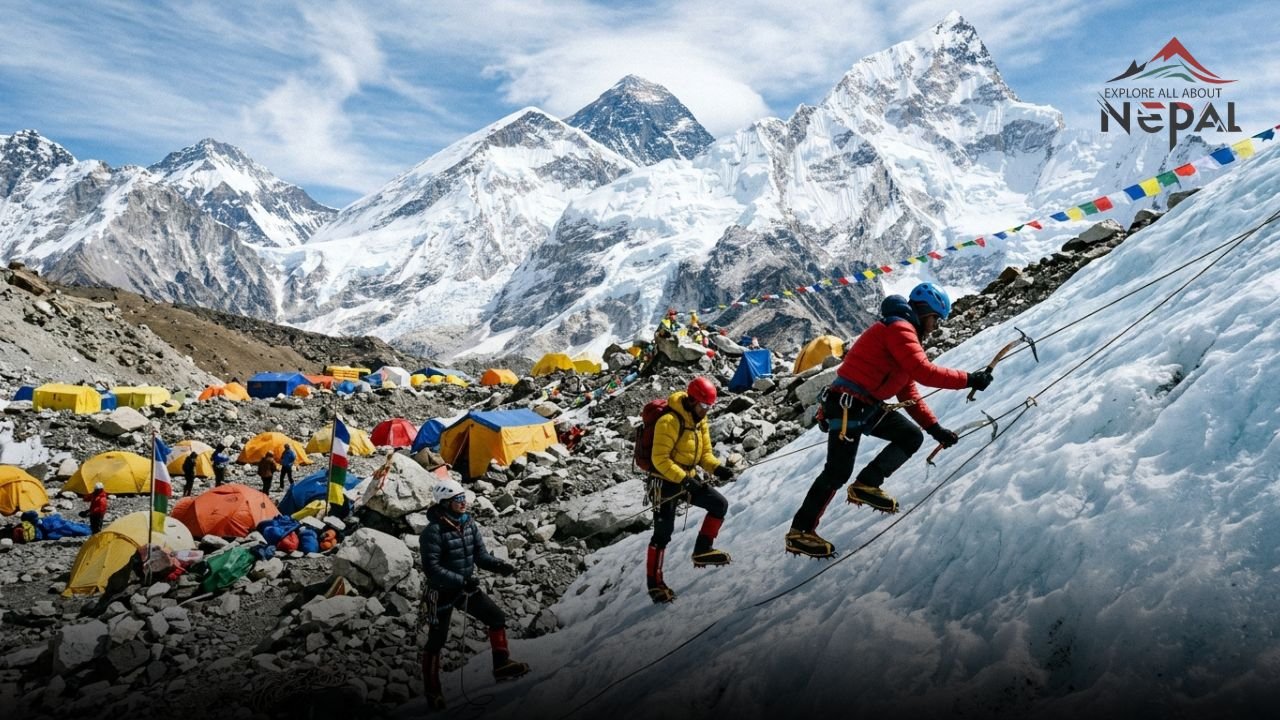
Beginner Peak Climbing Expedition
- Trek through local villages, gradually gaining altitude for acclimatization
- Reach a high base camp (typically 5,000–5,800m depending on the peak)
- A single summit push, usually starting in the early hours of the morning (often midnight to 2am departure) to reach the summit and descend before afternoon weather and softening snow conditions set in
Training Required
Prior climbing experience is not necessary, but don’t underestimate the fitness demands. Excellent cardiovascular endurance and stamina are the real prerequisite far more important than any prior technical skill.
Your guide will provide basic on-mountain training before the summit push, covering:
- Crampon technique on snow and ice
- Ice axe use for balance and self-arrest
- Ascending device (jumar) use on fixed ropes
- Basic rope and harness safety
This training typically happens at or near base camp in the days before the summit attempt, giving you hands-on practice on representative terrain before it matters on summit day.
Best Seasons
Spring (March–May) and Autumn (September–November) offer the most stable weather and clearest visibility for all four peaks the same seasonal logic that governs Nepal’s main trekking routes. Avoid monsoon season (June–August) and be prepared for serious cold if attempting winter ascents (December–February), which are possible but considerably harder and less commonly offered by agencies.
Permits and Logistics
All four peaks require:
- NMA Peak Climbing Permit issued by the Nepal Mountaineering Association, cost varies by peak and season (generally higher in spring than autumn, and lowest in winter/monsoon)
- National Park entry fees Sagarmatha National Park for Island Peak, Lobuche East, and Mera Peak; Langtang National Park for Yala Peak
- TIMS card standard trekking documentation
- A certified climbing guide and registered agency mandatory; independent or unguided ascents are not permitted on NMA-classified trekking peaks
Your agency handles all permit arrangements as part of a standard expedition package this isn’t something climbers arrange independently the way some trekking permits can be.
Gear and Preparation
What Your Agency Typically Provides or Rents
Most technical climbing gear can be rented in Kathmandu or at the mountain base camp itself, which significantly reduces what you need to pack or own:
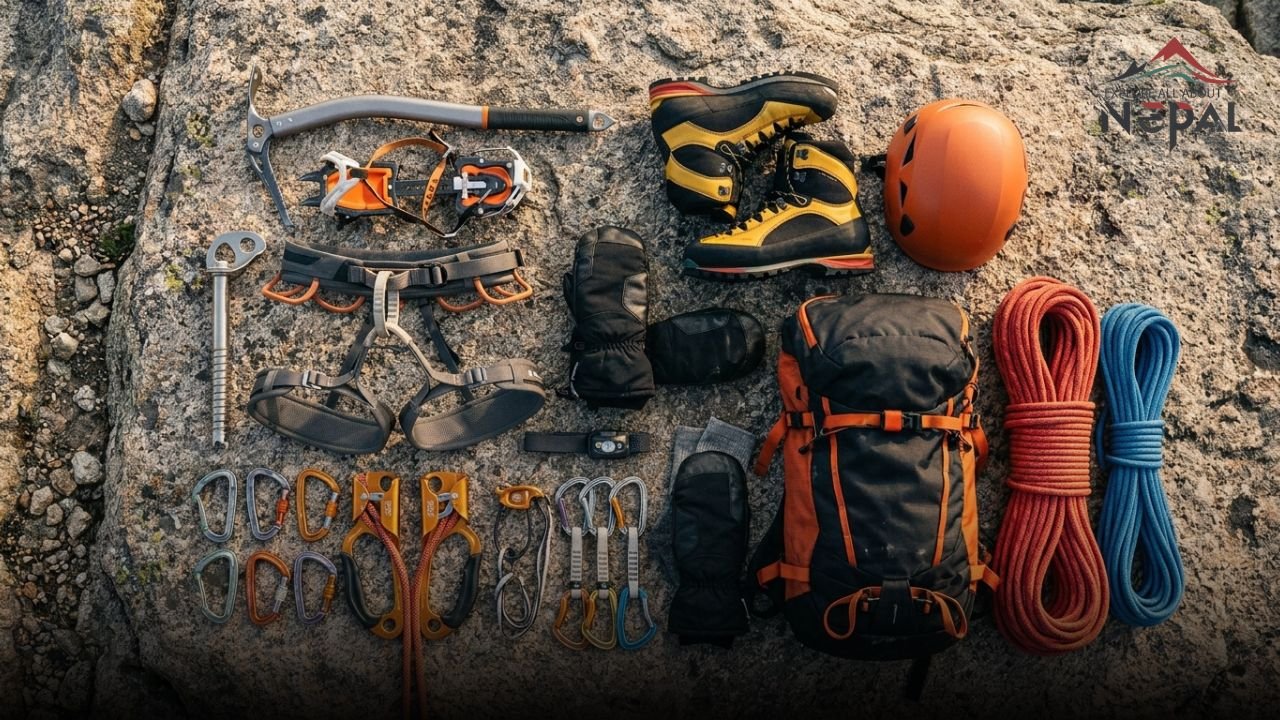
Gear and Preparation
- Climbing harness
- Helmet
- Crampons
- Ice axe
- Ascending device (jumar)
What You Need to Bring Yourself
- Climbing boots sturdy, properly broken in well before departure (this is non-negotiable; broken-in boots are the single biggest preventable cause of a ruined summit attempt)
- Layered clothing system base layers, insulating mid-layers, waterproof shell
- Four-season sleeping bag rated for the cold temperatures at high base camps
- Thermal wear for the early-morning summit push, when temperatures are at their coldest
Altitude Sickness Preparation
All four peaks involve ascending well above 5,000m, where altitude sickness becomes a genuine and serious risk. Slow, proper acclimatization not technical skill is the real determinant of summit success on these climbs.
Many climbers consult their doctor about altitude medication such as Diamox before departure. Recognize the warning signs of AMS, HACE, and HAPE, and trust your guide’s judgment if they recommend turning back summit success rates on these peaks correlate far more strongly with patient acclimatization than with fitness level alone.
[See our complete guide to altitude sickness prevention for Nepal trekking and climbing.]
How to Choose Your First Peak
| If you want… | Choose |
|---|---|
| The simplest, lowest-risk introduction | Yala Peak |
| The classic Everest-region technical experience | Island Peak |
| A genuine technical step up from Island Peak | Lobuche East |
| The highest summit and best 8,000m views | Mera Peak |
| No domestic flight risk | Yala Peak |
| To combine with an EBC trek | Island Peak or Lobuche East |
Frequently Asked Questions
What is the easiest climbing peak in Nepal for beginners?
Yala Peak (5,732m) in the Langtang region is generally considered the easiest it’s non-technical, non-exposed, and doesn’t require a domestic flight, making it the most logistically simple option for a first climb.
Do I need climbing experience to attempt a trekking peak in Nepal?
No. Trekking peaks like Island Peak, Mera Peak, Lobuche East, and Yala Peak are designed to be accessible to fit beginners. Guides provide basic training in crampon use, ice axe technique, and fixed-rope ascending before the summit push. Cardiovascular fitness matters more than prior technical experience.
Which is harder, Island Peak or Mera Peak?
Island Peak is generally considered more technically demanding due to its fixed-rope sections, ladder crossings, and steep summit headwall. Mera Peak is higher in elevation but mostly a non-technical glacier walk, making it less technically challenging despite the greater altitude.
Do I need a guide to climb a trekking peak in Nepal?
Yes. A certified climbing guide and registered agency are mandatory for all NMA-classified trekking peaks. Independent or unguided ascents are not permitted.
What permits do I need to climb a beginner peak in Nepal?
An NMA Peak Climbing Permit, the relevant National Park entry fee (Sagarmatha National Park or Langtang National Park depending on the peak), and a TIMS card. Your agency arranges all of these as part of a standard expedition package.
How long does it take to climb a beginner peak in Nepal?
Most expeditions run 14–20 days round trip from Kathmandu, depending on the peak and whether it’s combined with a base camp trek like EBC.
What is the best season to climb Island Peak or Mera Peak?
Spring (March–May) and autumn (September–November) offer the most stable weather and best visibility for all four beginner peaks, matching the optimal seasons for Nepal’s main trekking routes.
Can I climb Island Peak as part of the Everest Base Camp trek?
Yes this is one of the most common ways Island Peak is climbed. The approach trail overlaps significantly with the standard EBC route, so many climbers combine both into a single, longer expedition.
Is altitude sickness a risk on these beginner peaks?
Yes, significantly all four peaks involve ascending well above 5,000m. Proper acclimatization is the most important factor in a successful, safe summit, more so than technical climbing ability. Consult your doctor about altitude medication before departure.
