
Nepal is globally recognized as one of the finest trekking destinations in the world, offering an extraordinary blend of towering Himalayan peaks, dramatic landscapes, ancient trails, and deeply rooted cultural traditions. Home to eight of the world’s fourteen highest mountains, including Mount Everest, Nepal attracts trekkers from every corner of the globe. From classic routes such as Everest Base Camp and the Annapurna Circuit to remote and less-explored regions like Upper Dolpo, Kanchenjunga, and Manaslu, trekking in Nepal delivers experiences that are both physically rewarding and spiritually enriching. However, to truly enjoy these journeys, choosing the best time for trek in Nepal is absolutely essential.
The success of any trekking adventure in Nepal is closely tied to weather conditions, trail safety, visibility, and overall comfort. Nepal’s diverse geography creates dramatic climate variations depending on the season, altitude, and region. While certain months offer clear skies, mild temperatures, and breathtaking panoramic mountain views, other periods can bring heavy monsoon rains, snowfall, strong winds, or freezing temperatures at higher elevations. Understanding these seasonal patterns allows trekkers to identify the best time for trek in Nepal based on their experience level, physical fitness, trekking route, and personal expectations.
Selecting the best time for trek not only enhances scenic beauty but also minimizes potential risks such as landslides, avalanches, flight delays, and altitude-related challenges. It also influences the availability of teahouses, guides, and transportation, especially in remote trekking regions. Whether you are a first-time trekker seeking comfortable conditions, an experienced hiker aiming for high-altitude passes, or a nature enthusiast looking for solitude and unique landscapes, timing plays a decisive role in shaping your overall trekking experience.
This in-depth guide provides a complete breakdown of the best time for trek, explained season by season and month by month. It covers the advantages and disadvantages of trekking during different times of the year, highlights ideal periods for popular trekking routes, and offers expert tips to help you plan wisely. By understanding when to trek and what to expect, you can confidently choose the best time for trek and embark on an unforgettable Himalayan adventure filled with stunning views, cultural encounters, and lifelong memories.
Why Choosing the Best Time for Trek in Nepal Matters
Choosing the best time for trek in Nepal is one of the most important decisions when planning a trekking adventure in the Himalayas. The season you select directly affects not only the scenery but also your safety, comfort, and overall trekking experience. Nepal’s diverse terrain and rapidly changing mountain weather make timing a critical factor for a successful journey.
Clear Views of Himalayan Peaks
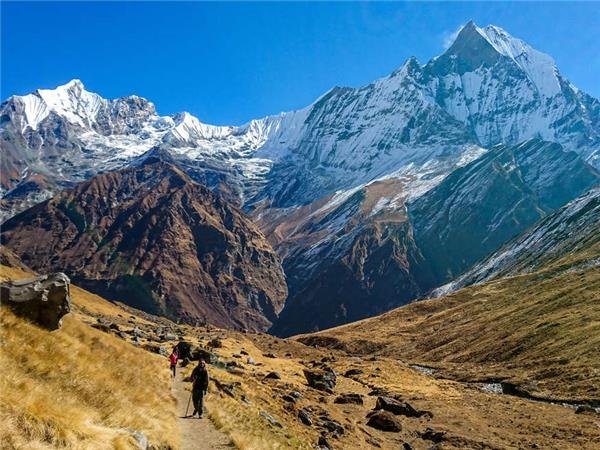
One of the main reasons trekkers travel to Nepal is to witness the awe-inspiring Himalayan mountains. During the best time for trek in Nepal, the skies are generally clear, offering unobstructed views of iconic peaks such as Everest, Annapurna, Machhapuchhre, and Dhaulagiri. In contrast, trekking during unsuitable seasons often results in cloudy conditions, fog, or heavy rainfall, which can completely block mountain views and diminish the trekking experience.
Safe and Stable Trail Conditions
Trail safety is another key reason for choosing the best time for trek in Nepal. In peak trekking seasons, trails are dry, stable, and well-maintained, reducing the risk of slips, landslides, and trail damage. During monsoon or extreme winter months, trails can become muddy, icy, or snow-covered, increasing the likelihood of accidents and making certain routes inaccessible or dangerous.
Comfortable Temperatures for Trekking
Trekking involves long hours of walking, often at high altitudes. Selecting the best time for trek in Nepal ensures comfortable daytime temperatures and manageable nighttime conditions. Spring and autumn offer a balanced climate—neither too hot nor too cold—allowing trekkers to walk longer distances without exhaustion or exposure to extreme weather.
Availability of Teahouses, Guides, and Services
During the best time for trek in Nepal, teahouses, lodges, guides, and transportation services operate at full capacity. This guarantees better accommodation options, regular food supplies, and easier access to experienced guides and porters. In off-seasons, many teahouses close, flights to remote areas are frequently canceled, and finding reliable support becomes more challenging.
Reduced Risk of Natural Hazards
Choosing the best time for trek in Nepal significantly reduces exposure to natural hazards such as landslides, avalanches, heavy snowfall, and extreme weather events. Trekking in the wrong season can increase the risk of altitude sickness, hypothermia, or getting stranded due to sudden weather changes. Proper timing helps ensure a safer and more predictable trekking environment.
Overall Trekking Experience and Enjoyment
Trekking during the best time for trek in Nepal enhances every aspect of the journey—from enjoying breathtaking landscapes and cultural encounters to maintaining physical well-being throughout the trek. Poor weather, unsafe conditions, or logistical challenges can quickly turn an exciting adventure into a stressful experience.
For these reasons, experienced trekkers and trekking professionals always emphasize the importance of selecting the best time for trek in Nepal before finalizing routes, permits, and itineraries. Proper planning and timing ensure a memorable, safe, and truly rewarding Himalayan trekking experience.
Overview of Trekking Seasons in Nepal
Nepal has four main seasons:
- Spring (March – May)
- Summer / Monsoon (June – August)
- Autumn (September – November)
- Winter (December – February)
Among these, spring and autumn are considered the best time for trek in Nepal, while winter and monsoon offer specific opportunities for experienced or adventure-focused trekkers.
Spring Season (March to May): One of the Best Time for Trek in Nepal
Spring is widely regarded as one of the best time for trek in Nepal due to stable weather and blooming landscapes.
Weather in Spring
- Temperature: Moderate and pleasant
- Days: Warm with clear skies
- Nights: Cool at higher altitudes
Why Spring is the Best Time for Trek in Nepal
- Rhododendron forests in full bloom
- Clear mountain views
- Ideal temperatures for long trekking days
- Excellent visibility for photography
Popular treks like Everest Base Camp, Annapurna Base Camp, Langtang Valley, and Manaslu Circuit are extremely popular during this season, proving why spring is the best time for trek in Nepal.
Things to Consider
- Trails can be crowded
- Teahouses fill quickly
- Advance bookings recommended
Despite the crowds, spring remains the best time for trek in Nepal for first-time trekkers.
Autumn Season (September to November): The Ultimate Best Time for Trek in Nepal
Autumn is often considered the absolute best time for trek in Nepal.
Weather in Autumn
- Clear blue skies
- Stable weather
- Mild temperatures
- Excellent mountain visibility
After the monsoon rain clears the dust and pollution, the mountains appear sharp and dramatic. This makes autumn the best time for trek in Nepal for panoramic Himalayan views.
Why Autumn is the Best Time for Trek in Nepal
- Perfect trekking conditions
- Major Nepali festivals like Dashain and Tihar
- Dry and safe trails
- Best season for high-altitude passes
Treks such as Annapurna Circuit, Everest Three Passes, Upper Mustang, and Kanchenjunga are ideal during autumn, reinforcing its reputation as the best time for trek in Nepal.
Challenges
- Peak season crowds
- Higher accommodation costs
Still, for most travelers, autumn remains the best time for trek in Nepal without question.
Monsoon Season (June to August): Is It the Best Time for Trek in Nepal?
Monsoon is generally not considered the best time for trek in Nepal, but it has its own advantages.
Weather During Monsoon
- Heavy rainfall
- Humid conditions
- Cloudy skies
Pros of Trekking in Monsoon
- Lush green landscapes
- Fewer tourists
- Lower trekking costs
Cons
- Slippery trails
- Landslides in hilly regions
- Limited mountain views
However, rain-shadow areas like Upper Mustang and Dolpo experience minimal rainfall, making them suitable even during monsoon. For these regions, monsoon can still be the best time for trek in Nepal for adventurous trekkers.
Winter Season (December to February): A Quiet Time to Trek
Winter is not typically considered the best time for trek in Nepal, but it can be rewarding for specific routes.
Winter Weather
- Cold temperatures
- Snow at higher altitudes
- Clear skies in lower regions
Advantages
- Fewer trekkers
- Peaceful trails
- Stunning snow-covered landscapes
Disadvantages
- Extreme cold
- High passes may be closed
- Limited accommodation in remote areas
Lower-altitude treks like Ghorepani Poon Hill, Mardi Himal (lower sections), and Langtang Valley can still be enjoyable. For solitude seekers, winter can feel like the best time for trek in Nepal.
Month-by-Month Breakdown: Best Time for Trek in Nepal
January – February
- Cold but clear
- Best for short and low-altitude treks
- Not ideal for high passes
March – April
- One of the best time for trek in Nepal
- Blooming flowers and great views
May
- Warmer but still excellent
- Considered the best time for trek in Nepal before monsoon
June – August
- Monsoon season
- Best for Upper Mustang and Dolpo
September – October
- Peak trekking season
- Widely known as the best time for trek in Nepal
November
- Cool, dry, and clear
- Last chance for high-altitude treks
December
- Cold but peaceful
- Good for cultural and short treks
Best Time for Trek in Nepal Based on Popular Routes
Everest Region
- Best time: March–May, September–November
- These months define the best time for trek in Nepal for Everest lovers
Annapurna Region
- Best time: Spring and Autumn
- Ideal weather and scenery
Langtang Region
- Best time: Spring and Autumn
- Accessible and scenic
Upper Mustang
- Best time: May–October
- Perfect during monsoon
Best Time for Trek in Nepal for Beginners
For beginners, the best time for trek in Nepal is:
- March to April
- October to November
These months offer stable weather, comfortable temperatures, and well-maintained trails, making them the best time for trek in Nepal for first-time trekkers.
Best Time for Trek in Nepal for Photography
For photographers, choosing the best time for trek in Nepal is crucial to capturing the true beauty of the Himalayas, landscapes, and cultural life along the trekking trails. Light quality, weather stability, visibility, and seasonal colors all play a major role in creating stunning photographs. Nepal offers incredible photographic opportunities year-round, but certain seasons stand out as the best time for trek in Nepal for photography.
Autumn: Crystal-Clear Mountain Photography
Autumn is widely regarded as the best time for trek in Nepal for mountain and landscape photography. After the monsoon rains wash away dust and pollution, the skies become exceptionally clear, offering razor-sharp views of snow-capped Himalayan peaks. Mountains such as Everest, Annapurna, Dhaulagiri, and Manaslu appear crisp and well-defined, making autumn ideal for wide-angle mountain shots and panoramic photography.
The dry weather and stable atmospheric conditions during autumn also allow photographers to capture long-distance mountain ranges, dramatic cloud formations, and vibrant blue skies. This clarity makes autumn the best time for trek in Nepal for photographers focused on high-altitude landscapes and iconic Himalayan imagery.
Spring: Colorful Landscapes and Cultural Photography
Spring is another best time for trek in Nepal, especially for photographers who love color and life in their images. During this season, hillsides and forests burst into bloom with rhododendrons, magnolias, and wildflowers, creating vivid foregrounds against snowy peaks. The contrast between colorful flora and towering mountains makes spring one of the best time for trek in Nepal for nature and macro photography.
Spring is also an excellent time to photograph local villages, wildlife, and cultural scenes along trekking routes. Warmer temperatures encourage outdoor activity, allowing photographers to capture authentic moments of daily life, festivals, and traditional architecture.
Golden Hours and Dramatic Light
Regardless of the season, early mornings and late afternoons offer the best light for photography. During the best time for trek in Nepal, sunrise and sunset provide soft golden hues that illuminate mountain faces, glaciers, and prayer flags. Morning light is especially prized, as it often comes with calm winds and clearer skies before clouds develop later in the day.
High-altitude locations such as viewpoints, passes, and ridgelines offer dramatic lighting conditions, including alpenglow, shadows, and layered mountain silhouettes. Trekking during the best time for trek in Nepal increases the chances of capturing these magical moments consistently.
Why Timing Matters for Photography
Poor timing can result in cloudy skies, low visibility, harsh lighting, or weather-related delays that limit photographic opportunities. Choosing the best time for trek in Nepal allows photographers to plan shots more effectively, reach viewpoints safely, and spend adequate time waiting for the perfect light.
In summary, autumn remains the best time for trek in Nepal for sharp mountain views and long-range clarity, while spring is the best time for trek in Nepal for colorful landscapes and vibrant cultural scenes. By trekking during these seasons and making the most of early morning light, photographers can capture Nepal at its most breathtaking and visually inspiring.
Festival Season and Trekking
Trekking in Nepal during major festival seasons offers a unique opportunity to combine natural beauty with deep cultural immersion. Choosing the best time for trek in Nepal not only ensures favorable weather and trail conditions but also allows trekkers to experience the country’s vibrant traditions, rituals, and celebrations firsthand. Festivals bring villages to life, transforming trekking routes into colorful cultural journeys.
Dashain and Tihar: Autumn’s Cultural Highlights
Dashain and Tihar, Nepal’s most important Hindu festivals, are celebrated during the autumn season, which is widely considered the best time for trek in Nepal. During Dashain, families gather, temples become active with rituals, and rural communities along trekking routes reflect a strong sense of tradition and togetherness. Trekkers may witness blessings from elders, temple ceremonies, and cultural practices that are rarely seen outside festival periods.
Tihar, also known as the Festival of Lights, fills villages and towns with oil lamps, candles, and colorful decorations. Homes, monasteries, and trekking lodges glow warmly at night, creating beautiful scenes for both travelers and photographers. Experiencing these festivals while trekking further reinforces why autumn is the best time for trek in Nepal, offering a perfect blend of culture and scenery.
Mani Rimdu: A Unique Himalayan Experience
Mani Rimdu is a significant Buddhist festival celebrated in the Everest region, particularly at Tengboche Monastery. This sacred festival features masked dances, prayers, and rituals performed by monks, symbolizing the victory of Buddhism over evil. Trekkers visiting the Everest region during Mani Rimdu gain a rare opportunity to witness authentic Himalayan Buddhist culture, making this period an exceptional best time for trek in Nepal for cultural travelers.
Buddha Jayanti: Spiritual Serenity on the Trails
Buddha Jayanti, marking the birth of Lord Buddha, is celebrated across Nepal, especially in Buddhist regions such as Lumbini, Kathmandu, and mountain monasteries. Trekking during this festival adds a spiritual dimension to the journey, with prayer flags, chanting, and peaceful ceremonies enhancing the trekking atmosphere. For those seeking mindfulness and spiritual connection, this period can feel like the best time for trek in Nepal.
Why Festival Season Enhances Trekking
Trekking during festival seasons provides more than just scenic beauty. It allows trekkers to engage with local communities, understand traditions, and experience genuine Nepali hospitality. Combined with stable weather, clear skies, and comfortable temperatures, autumn festivals strongly reinforce why this season is considered the best time for trek in Nepal.
By planning your trek around major festivals, you not only enjoy ideal trekking conditions but also create meaningful cultural memories that make your Himalayan journey truly unforgettable.
Packing Tips Based on the Best Time for Trek in Nepal
- Spring/Autumn: Layered clothing, light jackets
- Winter: Down jackets, thermal wear
- Monsoon: Waterproof gear, trekking poles
The best time for trek ultimately depends on your goals, experience, and preferred trekking region. However:
- Spring (March–May) and
- Autumn (September–November)
are universally recognized as the best time for trek due to favorable weather, stunning views, and safe conditions.
Whether you are a beginner, an experienced trekker, a photographer, or an adventure seeker, planning your journey during the best time for trek in Nepal will ensure a memorable and rewarding Himalayan experience.
For more travel destinations, cultural guides, and detailed trekking information, visit 👉 Explore All About Nepal.
If you need assistance with planning your trip, including guides and hotel bookings, our team can help you arrange everything. You can contact us directly on WhatsApp for personalized support and bookings.
