
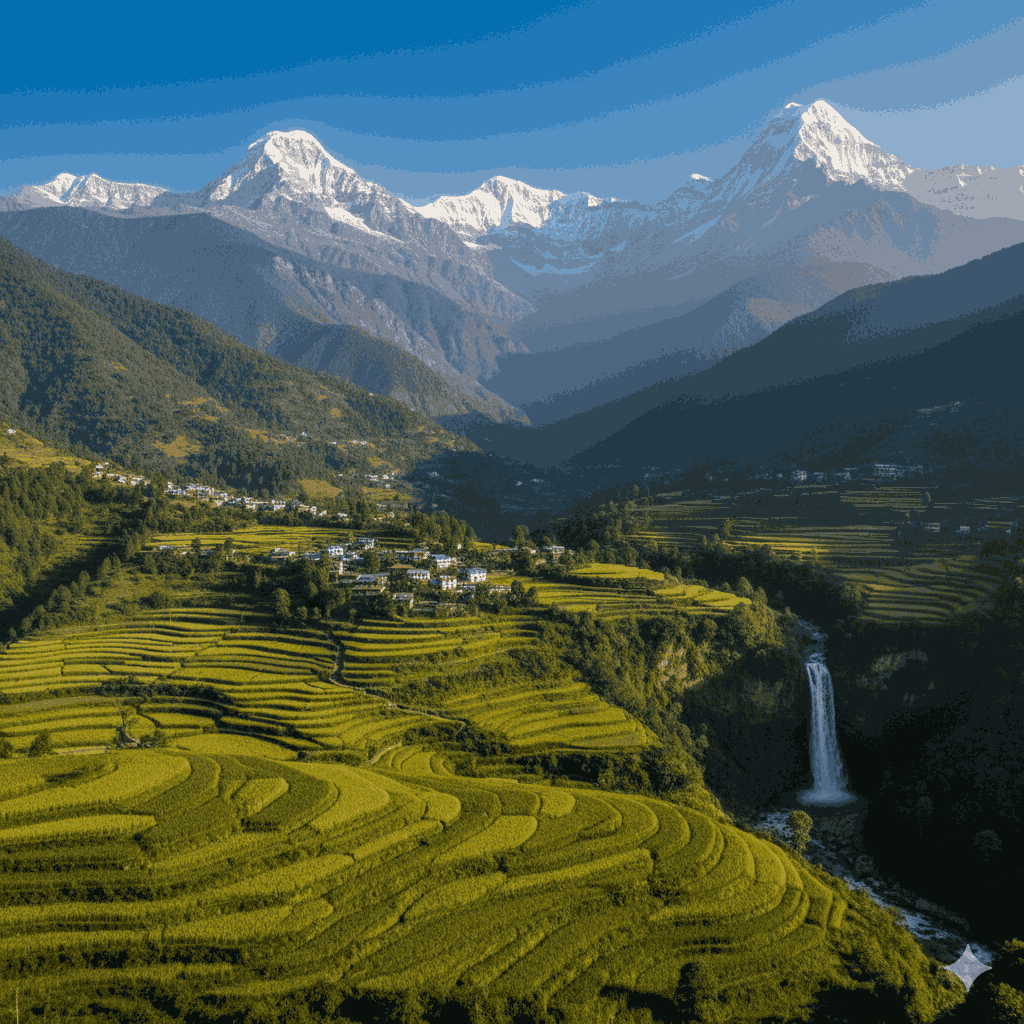
Ruby Valley Hike 2026: A stunning panoramic view of the rugged peaks and lush terraced fields of Nepal’s Ruby Valley
In the trekking world of 2026, where digital maps and high-speed trails have transformed much of the Himalayas, the Ruby Valley Hike 2026 remains one of the few places where time feels intentionally slow. Tucked between the giants of the Langtang National Park and the Manaslu Conservation Area, the Ruby Valley is a literal and figurative treasure. Named for the precious rubies and crystals found within its jagged peaks, this valley is a sanctuary for those who seek the “Real Nepal”—a place where the roar of the city is replaced by the chime of monastery bells and the rush of the Ankhu Khola.
The Ruby Valley Hike 2026 is not just a high-altitude challenge; it is a cultural pilgrimage. For 2026 adventurers, it represents the gold standard of sustainable community-based tourism. Because the region is relatively untouched by mass commercialization, travelers stay in authentic homestays, sharing meals with Tamang and Gurung families. This trek offers a rare opportunity to witness shamanistic rituals, explore ancient zinc mines, and cross the legendary Pangsang La, all while standing in the shadow of the magnificent Ganesh Himal massif.
Chapter 1: Geography: From Tropical Rivers to Alpine Passes
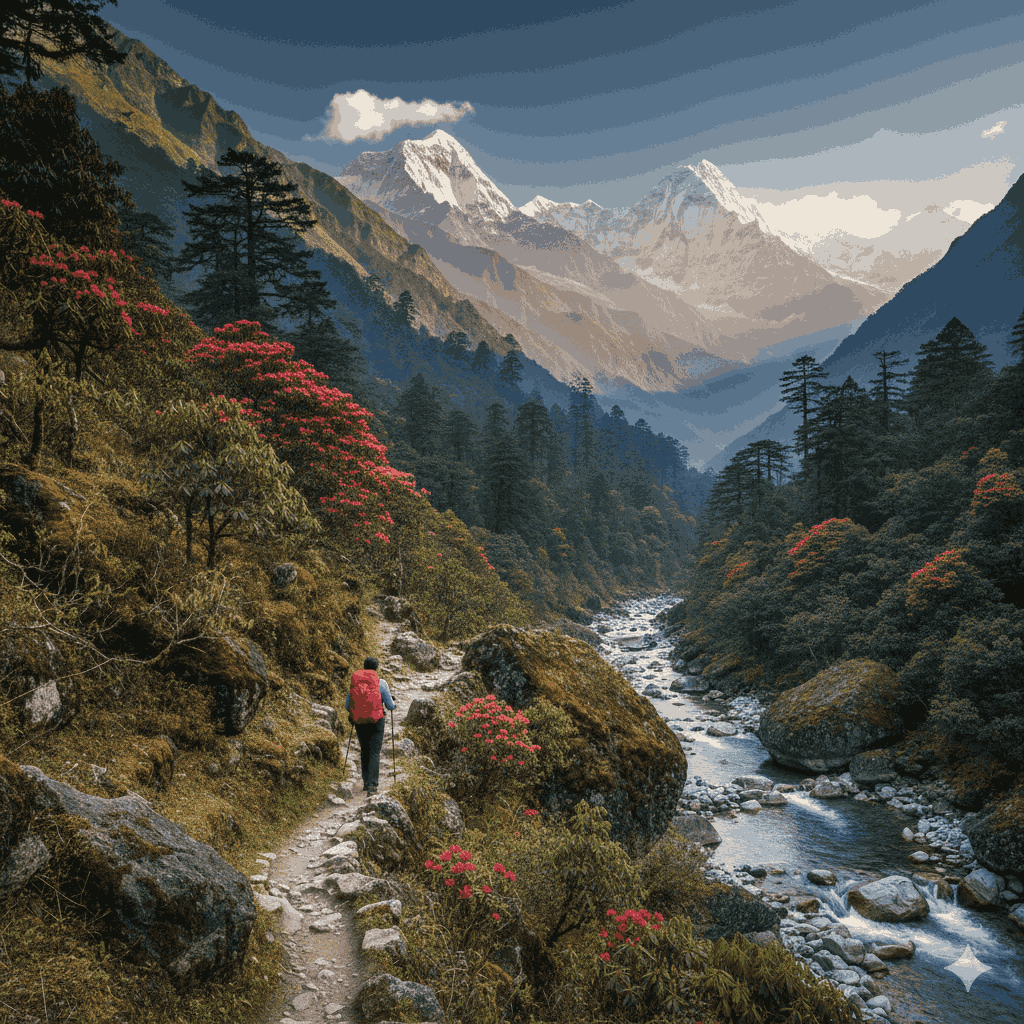
Ruby Valley Hike 2026: A trail through lush forests with views of Ganesh Himal and Langtang peaks in Nepal
The geography of the Ruby Valley Hike 2026 is a masterclass in Himalayan diversity. The region spans the Dhading and Rasuwa districts, acting as a natural bridge between two of Nepal’s most famous trekking zones. Your journey begins in the humid, terraced lowlands where corn and millet fields stretch as far as the eye can see. As you ascend, the tropical greenery gives way to dense forests of oak, pine, and vibrant rhododendrons that explode in shades of crimson and pink during the spring.
The defining geographic feature of the Ruby Valley Hike 2026 is the Pangsang La Pass (3,842m). This ridge serves as a spectacular viewing platform, offering a 360-degree panorama that includes Ganesh Himal, Langtang Lirung, and even the distant Annapurna range. Below the pass, the valley floor is dotted with waterfalls—most notably the Ganga Jamuna twin falls,and natural hot springs that provide a soothing respite from the verticality of the trail. This is a landscape where every turn reveals a new ecological zone, from glacial lakes like Kalo Kunda to the fertile valleys that sustain the region’s resilient mountain communities.
Chapter 2: Essential 2026 Logistics: Permits and New Regulations
The logistical landscape for the Ruby Valley Hike 2026 has seen significant updates as of 2026. Understanding these changes is critical for a smooth and legal journey.
The 2026 Permit Framework
Crucially, as of early 2026, the TIMS (Trekkers’ Information Management System) card is no longer required for trekking in Nepal. However, it has been replaced by a mandatory requirement to trek with a licensed government guide. For the Ruby Valley Hike 2026, you will need:
Langtang National Park Entry Permit: Since the route often begins or clips the edges of the park near Syabrubesi (approx. 3,000 NPR).
Rural Municipality Entry Fees: Local entry taxes for the Dhading and Rasuwa districts (approx. 2,000 NPR).
Special Area Permission: While not a “Restricted Area” in the same sense as Upper Mustang, certain sections near the Tibetan border may require local registration with your guide’s credentials.
Remote Access: The Drive to the Edge
In 2026, the most popular way to begin the Ruby Valley Hike 2026 is a 7-8 hour scenic drive from Kathmandu to Syabrubesi. The road winds through the hills of Nuwakot and Rasuwa, offering glimpses of the Trishuli River. Alternatively, some trekkers choose the southern approach via Dhading Besi, taking a local jeep to Borang or Dundure Khola. This southern route is often preferred by those looking to experience the full ascent from the lowlands.
Chapter 3: The 2026 Financial Blueprint: Costs and Budgeting
The Ruby Valley Hike 2026 is one of the most cost-effective treks in Nepal because of its focus on homestays rather than high-end lodges.
| Category | Estimated 2026 Cost (USD) | Notes |
| Permits & Local Taxes | $40 – $60 | Payable in Kathmandu or at trail entry. |
| Guide & Porter Fees | $25 – $40 /day | Mandatory for 2026 safety regulations. |
| Homestay Accommodation | $20 – $30 /day | Includes basic room and three local meals. |
| Transport (Private Jeep) | $150 – $250 | Total cost for 4-5 people from KTM. |
While you can use your credit card in Nepal for your hotel and gear in Kathmandu, the Ruby Valley is entirely a cash economy. There are absolutely no ATMs on the trail. Please refer to our detailed guide on Are there ATMs in the mountains of Nepal? to ensure you carry enough NPR (Nepali Rupees) to cover your meals, local tips, and small village purchases.
Chapter 4: The 9-Day Ruby Valley Hike 2026 Itinerary
This itinerary represents the “Golden Route” for 2026, maximizing cultural exposure and scenic beauty.
Day 1: Kathmandu to Syabrubesi: A full day of driving through the rugged hills of central Nepal.
Day 2: Syabrubesi to Gatlang: Enter the Tamang Heritage Trail. Gatlang is a beautiful village known for its traditional stone houses and the sacred Parvati Kunda lake.
Day 3: Gatlang to Somdang: Ascend through pine forests to Somdang, a village with a history of mineral mining and incredible views of Ganesh Himal.
Day 4: Crossing the Pangsang La Pass (3,842m): The highlight of the Ruby Valley Hike 2026. Cross the pass for panoramic views before descending to the large village of Tipling.
Day 5: Tipling to Shertung and Chalish Gaon: These sister villages are the heart of the valley. Enjoy the Ghatu and Maruni cultural dances performed by the locals.
Day 6: Recovery at the Tatopani Hot Springs: A short trek to the natural hot springs to soothe your muscles.
Day 7: Chalish Gaon to Borang: A gentle walk through terraced fields and small settlements.
Day 8: Borang to Dundure Khola and Dhading Besi: Descend to the river valley and take a local jeep to the town of Dhading Besi.
Day 9: Return to Kathmandu: A 3-4 hour drive back to the capital for a farewell dinner.
Chapter 5: Culture: Shamans, Minerals, and the Shertung Gold
The cultural fabric of the Ruby Valley Hike 2026 is woven from the traditions of the Tamang, Gurung, and Ghale people. The name “Shertung” literally translates to “Place of Gold,” and local legends tell of brothers who were led to the valley by dreams of wealth. This spiritual connection to the earth is evident in the presence of Jhankris (Shamans), who still perform healing rituals and nature worship.
During your Ruby Valley Hike 2026, you will see the fusion of Buddhist and Hindu practices. Villages like Tipling house both ancient Gompas and Hindu shrines. If you have experienced the jazz festivals in Kathmandu, you will find the primal, rhythmic beats of the shaman’s drum and the melodic Ghatu songs to be a profound cultural contrast that defines the soul of the Ruby Valley.
Chapter 6: Wildlife: The Red Panda and the Himalayan Monal
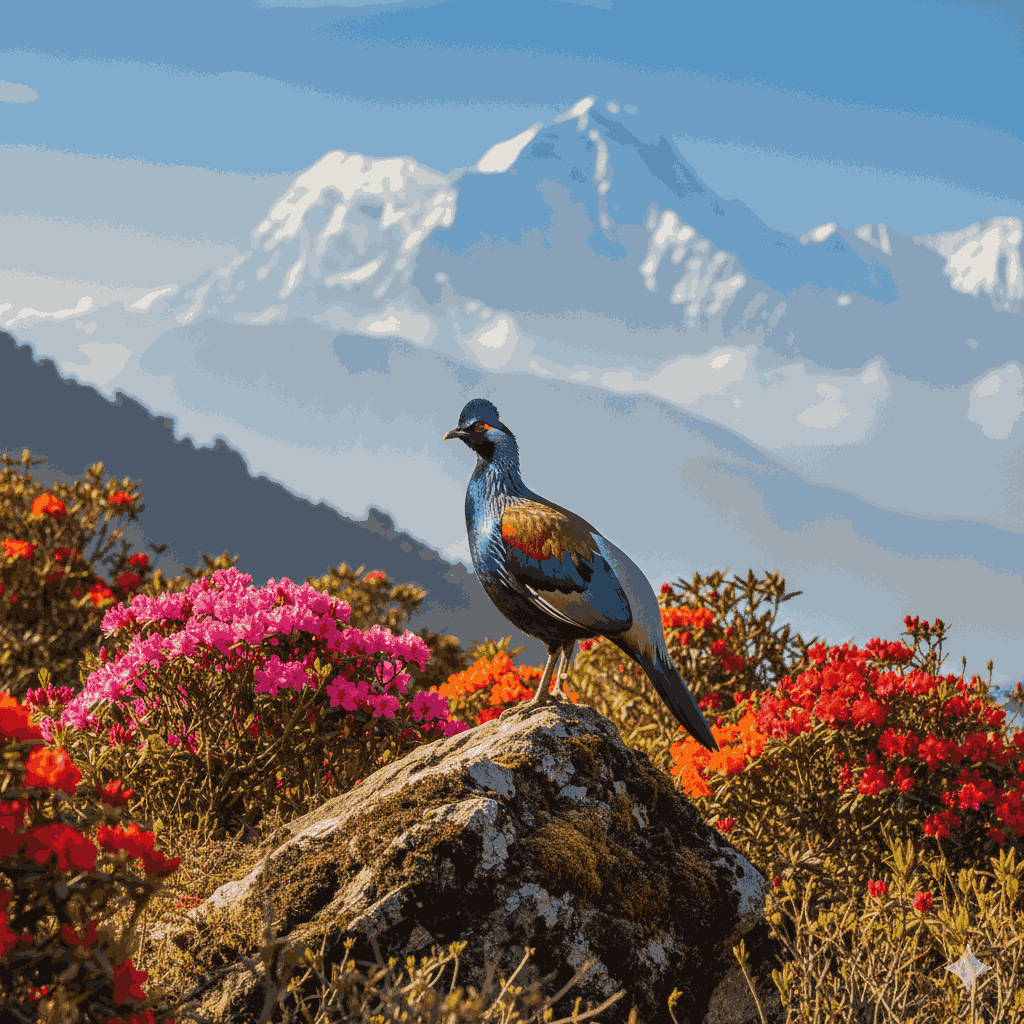
Ruby Valley Hike 2026: A Himalayan Monal with the peaks of Nepal’s Ruby Valley in the background, illustrating the region’s rich biodiversity
Because the Ruby Valley Hike 2026 sits between two major conservation areas, it acts as a vital wildlife corridor. In 2026, the region remains an excellent spot for birdwatchers and nature enthusiasts to see:
The Himalayan Monal (Danphe): Nepal’s national bird, often seen in the high alpine meadows near Pangsang La.
The Red Panda: Elusive but present in the bamboo and fir forests above Gatlang.
Himalayan Tahr and Barking Deer: Frequently spotted on the rocky slopes during early morning treks.
Yarsagumba: The valuable medicinal fungus is harvested in the surrounding highlands, supporting the local economy.
Chapter 7: Preparation and Safety for the 2026 Trek
The Ruby Valley Hike 2026 is a moderate trek, but the lack of commercial infrastructure means you must be self-reliant.
Mandatory Guide: Per 2026 laws, do not attempt this hike solo. A guide is essential for navigating the often-confusing network of local trails and for facilitating homestay arrangements.
Physical Fitness: You should be comfortable walking 6-7 hours a day on stone steps and uneven terrain.
Hire a Porter: To enjoy the cultural experience fully, you should hire a porter in Nepal through a reputable agency. This ensures you can focus on the scenery while providing a vital income to a local family.
Frequently Asked Questions (FAQs)
Q1: Can I charge my phone on the Ruby Valley Hike 2026?
Most homestays now have basic solar power or local hydroelectricity. However, it is highly recommended to bring a high-capacity power bank as a backup.
Q2: What is the food like in the homestays?
You will mostly eat Dal Bhat (lentils, rice, and vegetable curry). It is organic, fresh, and high in energy. You may also try Dhindo (a traditional flour-based mash) and local herbal teas.
Q3: Is there mobile reception in the Ruby Valley?
Yes, NTC and Ncell have 4G coverage in many villages like Gatlang and Tipling, though signals can be weak or non-existent in the high passes.
The Ruby Valley Hike 2026 is the antidote to the modern, crowded trek. It is a journey that values the smile of a local host over the luxury of a heated lodge, and the silence of a high pass over the noise of the digital world. For those seeking the spirit of the Ganesh Himal, this crystal-laden valley offers a glimpse of a Nepal that remains wild, welcoming, and wonderfully authentic.
As you finish your descent and look back at the jagged peaks of the Ruby Valley, you’ll realize that the true treasures found here aren’t the crystals in the ground, but the memories of a mountain culture that still beats with a pure, ancient heart.
