
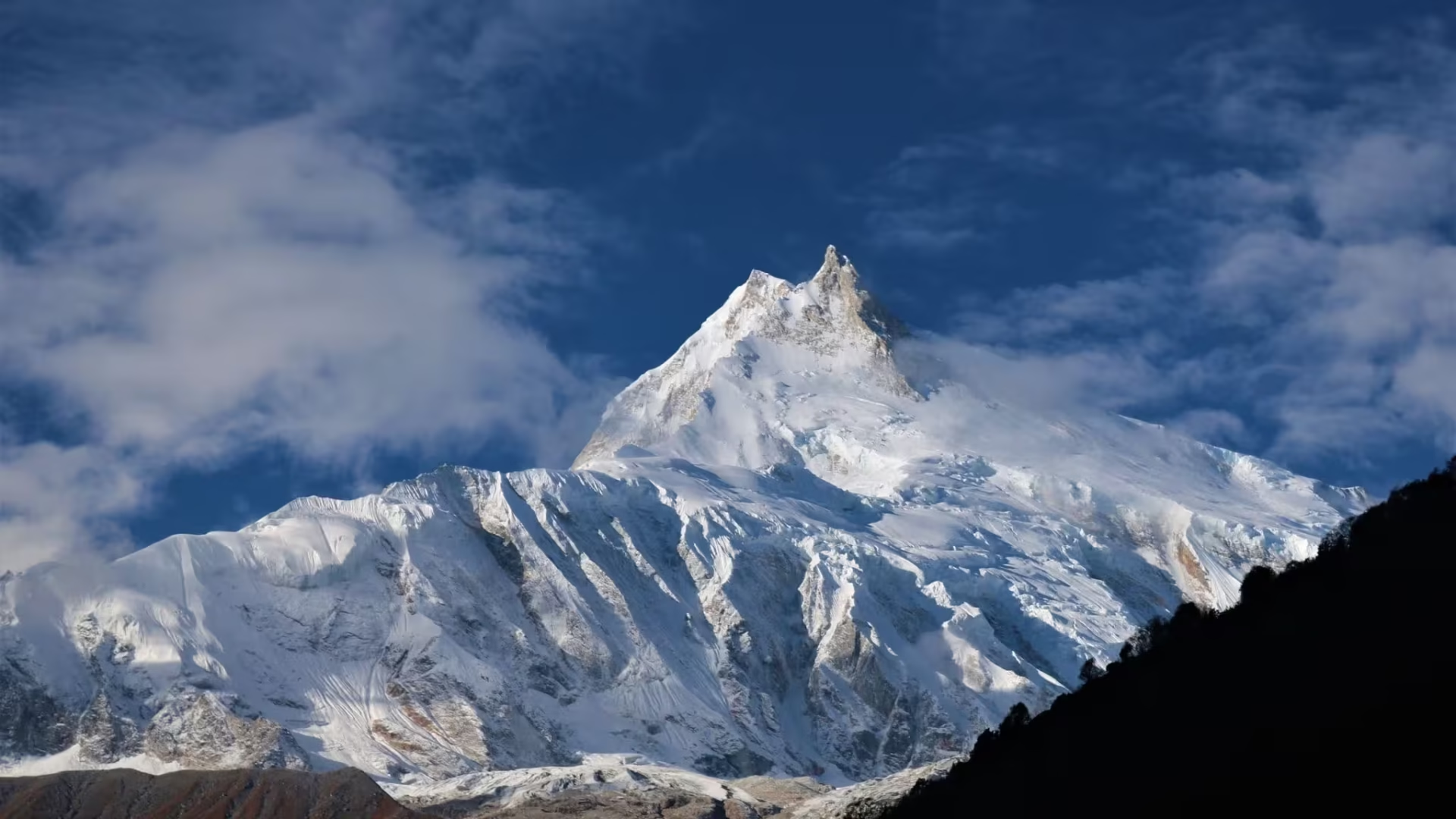
Nepal’s Himalayan peaks are attracting climbers from around the world this autumn, with 1,410 mountaineers receiving permits to attempt 44 mountains and generating Rs 318 million in government royalty revenue.
According to figures reported by the Department of Tourism on 28 October 2026, the autumn mountaineering season has attracted climbers from 76 countries across 161 expedition teams. Mount Manaslu has received the highest number of permits, followed by Ama Dablam, one of the most recognisable peaks in the Khumbu region.
The latest figures highlight Nepal’s continued importance as an international mountaineering destination and the economic opportunities created by Himalayan expeditions.
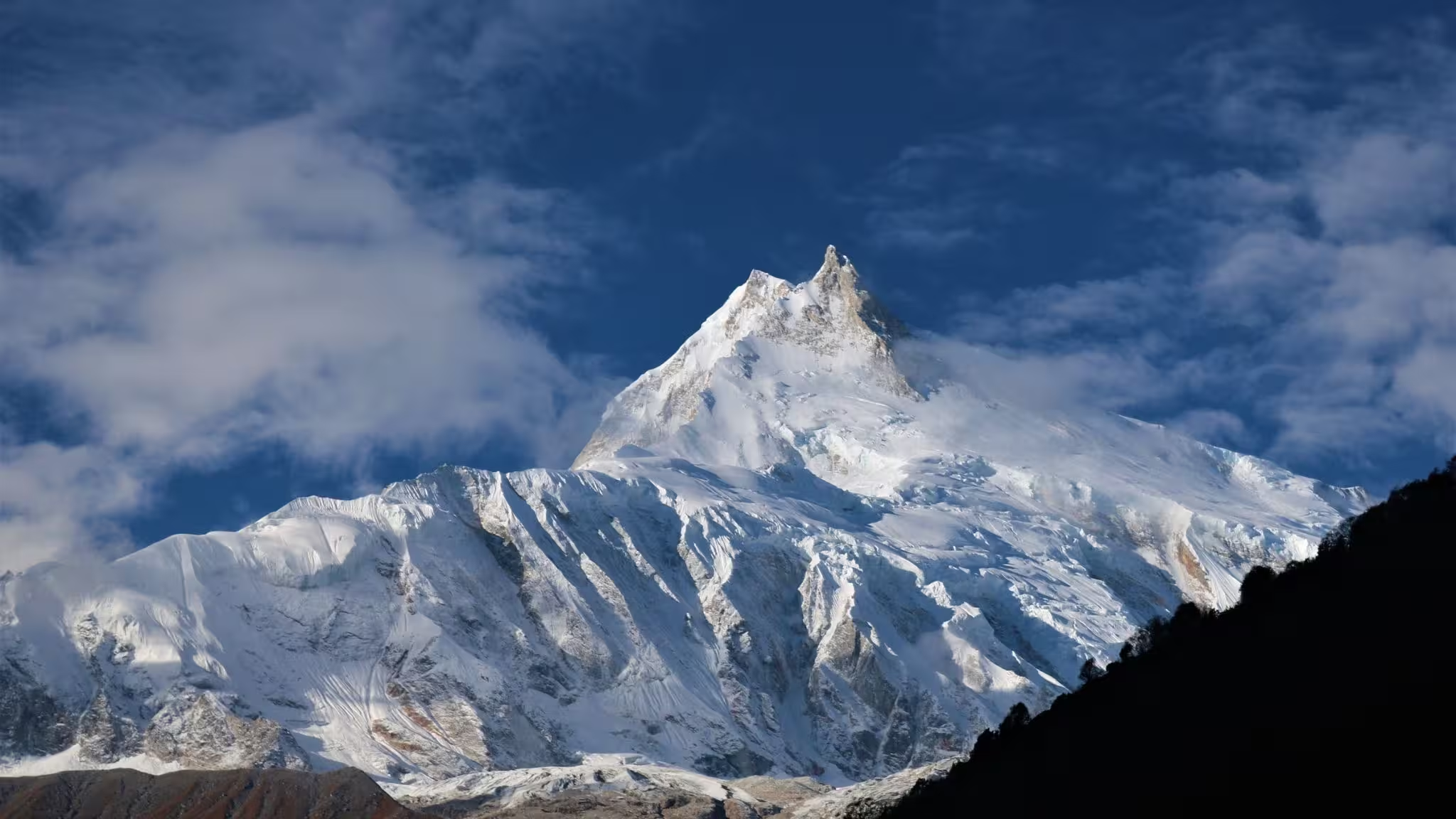
Mount Manaslu in Nepal during the autumn mountaineering season: Photo by Vertex Holiday
Manaslu Leads Nepal’s Autumn Mountaineering Season
At 8,163 metres, Mount Manaslu has emerged as the most popular mountain among climbers this autumn. A total of 500 climbers from 43 expedition teams have received permits to attempt the world’s eighth-highest mountain.
The group includes 127 women and 373 men. Manaslu climbing permits have generated Rs 222.08 million in royalty revenue, according to the reported figures.
Located in the Mansiri Himal range of western Nepal, Manaslu attracts experienced mountaineers seeking an expedition to an 8,000-metre peak. Its glaciers, high-altitude terrain and unpredictable weather require careful preparation, acclimatisation and experienced expedition support.
Climbing activity also creates demand for accommodation, transport, guides, porters and logistical services in the wider region. Local businesses can benefit from this activity, although the distribution of economic gains depends on how expedition operators organise their services.
Ama Dablam Attracts 386 Climbers
Ama Dablam is another major attraction during Nepal’s autumn climbing season, with 386 climbers from 32 expedition teams receiving permits.
The Department of Tourism has reported Rs 57.70 million in royalty revenue from Ama Dablam permits.
Located in the Khumbu region, Ama Dablam is known for its dramatic ridgelines and distinctive pyramid-shaped summit. Its striking appearance has made it a familiar feature of the Himalayan landscape, particularly for visitors travelling through the Everest region.
However, climbing Ama Dablam is considerably more demanding than trekking in the surrounding region. Its exposed ridges and technical terrain require appropriate mountaineering experience, suitable equipment and careful planning.
Which Other Mountains Are Attracting Climbers?
Although Manaslu and Ama Dablam dominate the latest permit figures, expedition teams are also heading to other mountains across Nepal.
| Mountain | Climbers with permits | Reported royalty revenue |
|---|---|---|
| Manaslu | 500 | Rs 222.08 million |
| Ama Dablam | 386 | Rs 57.70 million |
| Himlung Himal | 121 | Rs 7.43 million |
| Dhaulagiri I | 37 | Rs 8.47 million |
| Makalu | 3 | Rs 688,050 |
The figures show that Nepal’s autumn mountaineering season includes a diverse range of expedition objectives, from established commercial climbing routes to more demanding high-altitude peaks.
Himlung Himal has attracted 121 climbers, while 37 climbers have received permits for Dhaulagiri I. Makalu, which rises to 8,485 metres, has attracted a smaller group of three climbers in the reported figures.
These numbers reflect permit holders rather than confirmed summit successes. Weather, route conditions and individual expedition decisions can significantly affect climbing outcomes.
Climbers From 76 Countries Are Heading to Nepal
Nepal’s autumn climbing season continues to attract an international mix of mountaineers.
China has the largest reported group, with 141 climbers receiving permits. France follows with 130, while the United States accounts for 119 and Russia for 108.
Other countries represented include the United Kingdom, Switzerland, Italy, Poland, India and Japan. The reported figures also include 33 Nepali climbers.
This international participation highlights Nepal’s position in global mountaineering. Expeditions require a network of services, including specialist guides, high-altitude workers, transport providers, accommodation businesses and equipment suppliers.
The economic contribution extends beyond permit fees, as expedition teams also spend money on supplies, logistics and services before and during their time in the mountains.
Nepal Earns Rs 318 Million From Autumn Climbing Permits
The Department of Tourism has reported Rs 318 million in royalty revenue from permits issued for the autumn 2026 mountaineering season.
Manaslu accounts for the largest reported share, generating Rs 222.08 million. Ama Dablam follows with Rs 57.70 million, while Dhaulagiri I and Himlung Himal have generated Rs 8.47 million and Rs 7.43 million, respectively.
Mountaineering royalties provide an important source of government revenue. However, they represent only part of the wider economic value of Himalayan expeditions.
Climbing teams also spend money on accommodation, food, transport, guides, porters and other services. The benefits for mountain communities depend on responsible tourism practices, fair working conditions and the extent to which local businesses participate in expedition operations.
Why Autumn Is an Important Climbing Season in Nepal
Nepal’s autumn mountaineering season generally runs from September through November. Following the summer monsoon, this period can provide suitable climbing opportunities on many Himalayan peaks, although conditions vary by location and year.
Mount Manaslu and Ama Dablam are among the prominent objectives for autumn expeditions. Their popularity brings logistical demands, including route preparation, acclimatisation planning, weather monitoring and coordination between expedition teams.
Climbing at high altitude remains hazardous even during established climbing seasons. Snowfall, strong winds, avalanches, extreme cold and altitude-related illness can affect an expedition at any stage.
A climbing permit does not guarantee a summit attempt or successful ascent. Climbers and expedition operators must make decisions based on actual conditions and prioritise safety over reaching the summit.
What the Latest Climbing Figures Mean for Nepal Tourism
The latest permit figures demonstrate the continued international interest in Nepal’s mountains. With 1,410 climbers from 76 countries and permits covering 44 peaks, the autumn season supports a broad network of tourism-related businesses and mountain professionals.
Manaslu’s position as the leading destination highlights the demand for expeditions to Nepal’s highest mountains. Ama Dablam’s popularity also reflects the appeal of technically challenging peaks in the Khumbu region.
For Nepal, the opportunity goes beyond climbing royalties. Responsible mountaineering can support seasonal employment, generate business for local suppliers and encourage international visitors to explore mountain regions.
Sustaining these benefits requires attention to environmental protection, waste management, worker safety and the economic participation of local communities. Permit numbers alone cannot measure the overall success of a climbing season; safety outcomes, summit results and local economic benefits also matter.
Frequently Asked Questions About Nepal’s Autumn Climbing Season
How many climbers have received permits in Nepal for autumn 2026?
According to figures reported on 28 October 2026, 1,410 climbers from 76 countries had received permits to attempt 44 mountains in Nepal.
Which mountain has attracted the most climbers this autumn?
Mount Manaslu leads the reported figures, with 500 climbers from 43 expedition teams receiving permits.
How much revenue has Nepal earned from autumn climbing permits?
The Department of Tourism reported Rs 318 million in royalty revenue from the permits issued for the autumn 2026 season.
How many women are climbing in Nepal this autumn?
The reported figures include 341 women and 1,069 men among the 1,410 permitted climbers.
When is Nepal’s autumn mountaineering season?
Nepal’s autumn mountaineering season generally runs from September to November. Actual climbing conditions depend on the mountain, weather and route conditions.
Where can climbers find official permit information?
Climbers should consult the Department of Tourism for official mountaineering information, permit requirements and government notices.
Nepal’s Mountains Continue to Attract the World
Nepal’s autumn mountaineering season is bringing climbers from across the globe to the Himalayas, with Manaslu leading the latest permit figures and Ama Dablam attracting another substantial group of expedition teams.
The reported total of 1,410 climbers and Rs 318 million in royalty revenue underlines the importance of mountaineering to Nepal’s tourism economy. As the season progresses, responsible expedition planning, mountain safety and meaningful benefits for local communities will remain essential to the long-term sustainability of Himalayan tourism.
Source: Department of Tourism figures reported by Onlinekhabar. Figures reflect the reported position as of 28 October 2026 and may change as the season progresses.
