
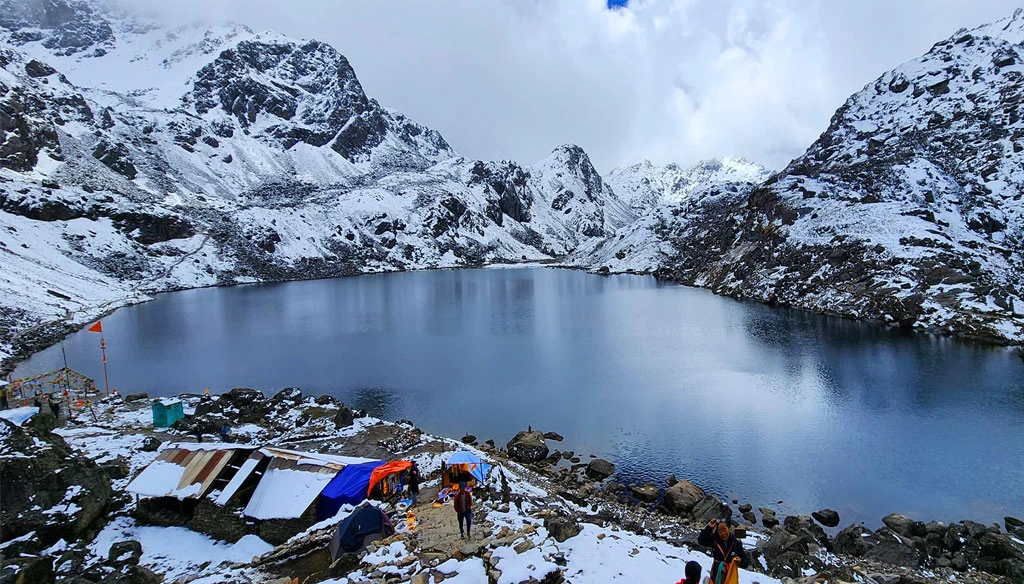
Nepal is home to countless sacred and scenic destinations, but very few places blend spiritual power, raw Himalayan beauty, and high-altitude trekking adventure as seamlessly as Gosaikunda Trek Nepal. Situated in the breathtaking Langtang region, Gosaikunda Lake Nepal stands as one of the most sacred alpine lakes in the country. Each year, it draws pilgrims seeking spiritual cleansing, trekkers craving mountain adventure, photographers capturing dramatic landscapes, and nature lovers looking for peace away from crowded trails.
The Gosaikunda Trek Nepal is far more than a physical journey—it is a deeply spiritual pilgrimage through the Himalayas. As trekkers ascend through dense forests, alpine meadows, and rugged mountain paths, they are surrounded by snow-covered peaks, glacial streams, and a profound sense of tranquility. Ancient Hindu legends connected to Lord Shiva, combined with Buddhist prayer flags, monasteries, and sacred stones along the trail, create a unique atmosphere where spirituality and nature exist in perfect harmony.
What truly sets the Gosaikunda Trek Nepal apart is its ability to connect travelers with both inner peace and outer beauty. The thin mountain air, the silence of high altitudes, and the reflective waters of Gosaikunda Lake invite visitors to slow down, meditate, and reconnect with themselves. Whether you come seeking divine blessings, Himalayan adventure, or a meaningful escape into nature, Gosaikunda offers an unforgettable experience that touches both the body and the soul.
Here is a clear, slightly expanded explanation that adds depth without becoming too long and keeps it SEO-friendly:
Where Is Gosaikunda Lake Nepal Located?
Gosaikunda Lake Nepal is located inside Langtang National Park, approximately 140 kilometers north of Kathmandu, near the Nepal–Tibet border. Resting at a high altitude of about 4,380 meters (14,370 feet) above sea level, the lake is surrounded by dramatic Himalayan landscapes, including rugged peaks, glacial moraines, alpine meadows, and rocky ridgelines. The area around the lake is home to more than 100 smaller alpine lakes, many of which are considered sacred and add to the spiritual atmosphere of the region.
Despite its remote and high-altitude setting, the Gosaikunda Trek Nepal is considered one of the most accessible alpine treks in Nepal. Most trekkers begin the journey from Dhunche, the district headquarters of Rasuwa, or from Sundarijal for a longer and more scenic route through Shivapuri National Park. From these trailheads, the path gradually ascends through forests, villages, and high mountain terrain, making the trek achievable within 5 to 7 days.
This combination of easy access, manageable duration, and immense spiritual importance makes Gosaikunda Trek Nepal especially popular among Hindu pilgrims, Nepali travelers, and international trekkers. Whether visiting for religious purposes during festival seasons or for trekking and photography, Gosaikunda Lake Nepal remains a rewarding destination that balances adventure with cultural and spiritual depth.
Spiritual and Religious Importance of Gosaikunda Trek Nepal
The Gosaikunda Trek Nepal carries profound spiritual and religious significance, deeply rooted in Hindu mythology and Himalayan spiritual traditions. According to ancient Hindu legends, during the great cosmic event known as Samudra Manthan (the churning of the ocean), a lethal poison called Halahala emerged, threatening to destroy the universe. To protect all living beings, Lord Shiva consumed the poison, which caused intense heat and pain in his throat.
To relieve this burning effect, Lord Shiva struck the Himalayan mountains with his trident (Trishul), creating the sacred Gosaikunda Lake Nepal. The cold, glacial water of the lake helped cool the poison, earning Gosaikunda its status as one of the most sacred sites dedicated to Lord Shiva. Because of this divine origin, many believe that the lake possesses powerful spiritual energy capable of cleansing negative karma and granting inner peace.
Every year, thousands of pilgrims undertake the Gosaikunda Trek Nepal, particularly during Janai Purnima, a major Hindu festival celebrated in August. Devotees walk for days through rugged mountain trails to reach the holy lake, where they perform rituals, offer prayers, and bathe in the icy waters despite the extreme cold. It is widely believed that bathing in Gosaikunda Lake Nepal washes away sins, purifies the soul, and brings blessings for health, prosperity, and spiritual growth.
Beyond Hinduism, the Gosaikunda Trek Nepal also holds deep significance for Buddhists, who view the region as a powerful place for meditation, balance, and enlightenment. Along the trekking route, visitors encounter prayer flags fluttering in the mountain wind, chortens (stupas), mani stones engraved with sacred mantras, and peaceful meditation spots. These elements reflect the strong Buddhist presence in the region and contribute to the serene spiritual atmosphere.
The coexistence of Hindu and Buddhist traditions makes the Gosaikunda Trek Nepal a rare and meaningful pilgrimage route where different faiths harmoniously share sacred space. This blend of mythology, devotion, natural beauty, and living spiritual practices transforms the trek into a deeply soul-enriching journey, appealing not only to pilgrims but also to seekers of peace, reflection, and higher understanding.
Cultural Experience Along the Gosaikunda Trek Nepal
One of the most rewarding aspects of the Gosaikunda Trek Nepal is the cultural experience. The trail passes through villages inhabited mainly by Tamang and Sherpa communities, who have lived in harmony with the mountains for generations.
Staying in local tea houses allows trekkers to experience authentic Himalayan hospitality. Simple meals like dal bhat, soup, noodles, and Tibetan bread are served, often around a warm fireplace. Conversations with locals provide insight into their daily lives, traditions, and spiritual beliefs.
Festivals such as Janai Purnima and Buddha Jayanti bring color and vibrancy to the trek. During these times, the Gosaikunda Trek Nepal becomes not only a trekking route but also a living cultural celebration.
Natural Beauty and Landscapes of Gosaikunda Trek Nepal
The natural beauty along the Gosaikunda Trek Nepal is extraordinary. The lower trails pass through dense forests of oak, pine, and rhododendron. In spring, these forests bloom with vibrant colors, creating one of the most beautiful trekking experiences in Nepal.
As trekkers gain altitude, the scenery changes dramatically. Forests gradually give way to alpine meadows, rocky slopes, and glacial terrain. Snow-covered peaks dominate the skyline, and the air becomes crisp and pure.
Reaching Gosaikunda Lake Nepal feels almost surreal. The deep blue water reflects the surrounding mountains and sky, creating a mirror-like effect. Early mornings and sunsets are especially breathtaking, with golden light illuminating the frozen landscapes.
Trekking Routes for Gosaikunda Trek Nepal
The Gosaikunda Trek Nepal offers multiple trekking routes, each with its own unique blend of natural beauty, cultural experiences, and spiritual significance. Whether you are a beginner looking for a short pilgrimage trek or an experienced adventurer seeking high-altitude challenges, these routes provide unforgettable Himalayan experiences.
Route 1: Dhunche to Gosaikunda Trek Nepal
- Duration: 4–5 days
- Difficulty: Moderate
- Highlights: This route begins in Dhunche, the administrative center of Rasuwa district, and gradually ascends through dense forests, terraced villages, and cascading waterfalls. Trekkers pass through alpine meadows dotted with wildflowers and yak pastures, creating a serene and spiritual environment. Local teahouses offer rest stops and an authentic taste of Nepali hospitality. The final approach to Gosaikunda Lake Nepal involves walking along glacial moraines and rocky trails, culminating in a breathtaking view of the sacred lake.
Route 2: Sundarijal – Helambu – Gosaikunda Trek Nepal
- Duration: 6–8 days
- Difficulty: Moderate to challenging
- Highlights: Starting from Sundarijal, this route immerses trekkers in the cultural and spiritual richness of the Helambu region before reaching the high-altitude landscapes of Gosaikunda Trek Nepal. Along the way, trekkers encounter traditional Sherpa and Tamang villages, Buddhist monasteries, mani walls, and prayer flags fluttering in the Himalayan wind. The trail provides opportunities for cultural immersion while also offering panoramic views of Langtang and Ganesh Himal ranges. Seasonal wildflowers, rhododendron forests, and pristine streams enhance the visual and spiritual experience of the trek.
Route 3: Langtang Valley + Gosaikunda Trek Nepal
- Duration: 10–14 days
- Difficulty: Challenging
- Highlights: This extended trek combines the iconic Langtang Valley trek with the sacred Gosaikunda trail, offering trekkers a comprehensive Himalayan adventure. Starting from Syabrubesi or Dhunche, trekkers traverse lush valleys, alpine meadows, and rugged mountain terrain before reaching Gosaikunda Lake Nepal. This route is ideal for trekkers seeking both spiritual fulfillment and physical challenge. Along the way, one can witness stunning glaciers, high mountain passes, and the serene environment of Langtang National Park. Local communities along the trail provide a glimpse into traditional Himalayan culture, including festivals, rituals, and unique culinary experiences.
No matter which route you choose, the journey to Gosaikunda Trek Nepal is as transformative as reaching the lake itself. Trekkers not only experience spectacular Himalayan vistas but also gain insight into Nepalese spirituality, culture, and the harmony between humans and nature.
Difficulty Level of Gosaikunda Trek Nepal
The Gosaikunda Trek Nepal is classified as a moderate trek, suitable for beginners with basic fitness. However, altitude is the main challenge. Trekkers should ascend slowly, stay hydrated, and listen to their bodies.
No technical climbing skills are required, but good preparation and proper gear are essential. Hiring a local guide is recommended for safety, cultural insight, and navigation.
Here’s a more detailed explanation for Best Time to Visit Gosaikunda Trek Nepal, with context, practical tips, and SEO-friendly phrasing:
Best Time to Visit Gosaikunda Trek Nepal
The timing of your Gosaikunda Trek Nepal is crucial for both safety and enjoyment. Each season offers unique experiences, and understanding the weather, cultural events, and trail conditions can help you plan the perfect trek.
Spring (March–May):
Spring is one of the most popular times for Gosaikunda Trek Nepal. During these months, the trails come alive with blooming rhododendrons, vibrant wildflowers, and lush green forests. Clear skies and mild temperatures make trekking comfortable, while the snow-capped Himalayan peaks glisten in the distance. This season is ideal for photographers, nature lovers, and cultural enthusiasts. Wildlife such as Himalayan birds, langurs, and musk deer are more visible along the trail, enhancing the trekking experience.
Summer (June–August):
Summer coincides with the monsoon season in Nepal. The Gosaikunda Trek Nepal trails can be wet, slippery, and prone to landslides, making trekking more challenging. However, this season is significant for religious pilgrims because of the Janai Purnima festival, when thousands of devotees visit Gosaikunda Lake Nepal to perform holy rituals. If you’re planning to experience the spiritual side of the trek, summer offers a unique cultural opportunity, but trekkers should be prepared for rain and occasional muddy trails.
Autumn (September–November):
Autumn is considered the best overall season for Gosaikunda Trek Nepal. Clear skies, stable weather, and moderate temperatures provide perfect trekking conditions. Mountain views are at their sharpest, making this an excellent season for photography and sightseeing. Cultural festivities in local villages also add vibrancy to the trek. Because of these favorable conditions, autumn attracts both international trekkers and domestic pilgrims, offering a balanced combination of adventure, nature, and culture.
Winter (December–February):
Winter offers solitude and the thrill of snow trekking at Gosaikunda Trek Nepal. The trails are covered in snow, creating a magical alpine landscape. However, extreme cold, icy paths, and shorter daylight hours make winter trekking more challenging. This season is ideal for experienced trekkers seeking peace, isolation, and stunning snow-covered Himalayan vistas. Pilgrims still visit during winter for spiritual reasons, but the number of travelers is lower compared to autumn or spring.
Pro Tips for Planning Your Visit:
- Always check the weather forecast before starting your Gosaikunda Trek Nepal.
- Carry layered clothing to adapt to changing temperatures, especially at higher altitudes.
- For a combination of spiritual, cultural, and natural experiences, autumn is the most recommended season.
- Spring is ideal if you want to witness blooming flora and vibrant wildlife along the trail.
In summary, choosing the right season ensures that your Gosaikunda Trek Nepal is safe, visually spectacular, and spiritually enriching. Whether you are visiting for pilgrimage, adventure, or nature exploration, timing your trek can significantly enhance your Himalayan experience.
Wildlife and Nature in Langtang National Park
While trekking to Gosaikunda, visitors may encounter:
- Red pandas
- Himalayan deer
- Langurs and musk deer
- Diverse bird species
Langtang National Park protects this fragile ecosystem, making the Gosaikunda Trek Nepal an environmentally significant journey.
Accommodation and Food on Gosaikunda Trek Nepal
When planning your Gosaikunda Trek Nepal, knowing about lodging and food is essential for a comfortable and safe journey. The trek offers a range of tea houses, lodges, and small guesthouses along the route, catering to trekkers and pilgrims alike.
Accommodation:
Tea houses are the primary lodging option throughout the Gosaikunda Trek Nepal. These traditional Himalayan guesthouses are simple but cozy, providing basic amenities such as a bed, blankets, and shared bathrooms. Most tea houses are family-run, offering a warm, hospitable environment. Staying in tea houses allows trekkers to experience local hospitality, interact with other travelers, and rest in the heart of the mountains. Popular stops, like Chandan Bari, Lauribina, and near Gosaikunda Lake, have larger tea houses with slightly more comfortable rooms, making them ideal for overnight stays.
Food:
Meals along the Gosaikunda Trek Nepal are hearty and designed to sustain trekkers through long days of walking and high altitudes. Staples include Dal Bhat (rice and lentils), noodles, pasta, omelets, and local vegetable curries. Tea, coffee, and hot soups are readily available to keep you warm in the chilly Himalayan air. Local specialties like Gundruk soup and buckwheat pancakes provide a taste of authentic Nepali cuisine. Since the trail is remote, food prices can be higher than in Kathmandu, but the meals are nourishing and filling, helping you maintain energy for trekking.
Tips for Accommodation and Food:
- Book tea houses in advance during peak trekking seasons (autumn and spring) to secure rooms.
- Carry basic snacks, energy bars, or dry fruits in case of limited options on the trail.
- Bring water purification tablets or a filter; while most tea houses provide boiled water, it’s better to stay safe.
- Be mindful of electricity limitations; most tea houses rely on solar or generators, so phone charging may be limited.
Staying and eating along the Gosaikunda Trek Nepal is not just about sustenance—it is part of the cultural and social experience. Trekkers get to meet locals, share stories with fellow adventurers, and immerse themselves in the serene Himalayan lifestyle while preparing for the next day’s journey toward the sacred Gosaikunda Lake.
Packing Tips for Gosaikunda Trek Nepal
- Warm layered clothing
- Down jacket and gloves
- Trekking boots
- Water purification tablets
- Cash (no ATMs in the mountains)
Why Gosaikunda Trek Nepal Is Worth It
The Gosaikunda Trek Nepal is a journey of transformation. It challenges the body, calms the mind, and nourishes the spirit. The combination of sacred mythology, dramatic landscapes, cultural richness, and peaceful trekking makes it one of Nepal’s most meaningful adventures.
Whether you seek spiritual awakening, natural beauty, or a Himalayan challenge, the Gosaikunda Trek Nepal delivers an experience that stays with you forever.
FAQs – Gosaikunda Trek Nepal
Is Gosaikunda Trek Nepal suitable for beginners?
Yes, with preparation and acclimatization.
Do I need permits?
Yes, Langtang National Park permit is required.
Is Gosaikunda Lake frozen in winter?
Often partially or fully frozen.
Himalayan trekking guide (e.g., Lonely Planet)
For more travel destinations, cultural guides, and detailed trekking information, visit 👉 Explore All About Nepal
.
If you need assistance with planning your trip, including guides and hotel bookings, our team can help you arrange everything. You can contact us directly on WhatsApp for personalized support and bookings.
