
Trekking in Nepal is a dream adventure for many travelers around the world. From the majestic peaks of Mount Everest to the breathtaking landscapes of the Annapurna Circuit, Nepal offers an unmatched Himalayan experience. However, along with its beauty comes one of the most important challenges every trekker must understand altitude sickness.
Altitude sickness, commonly referred to as Acute Mountain Sickness (AMS), occurs when your body struggles to adjust to the reduced oxygen levels found at higher elevations. This condition is very common in Nepal because many trekking routes go above 2,500 meters, where oxygen levels begin to drop significantly. Even experienced trekkers can be affected if proper precautions are not taken.
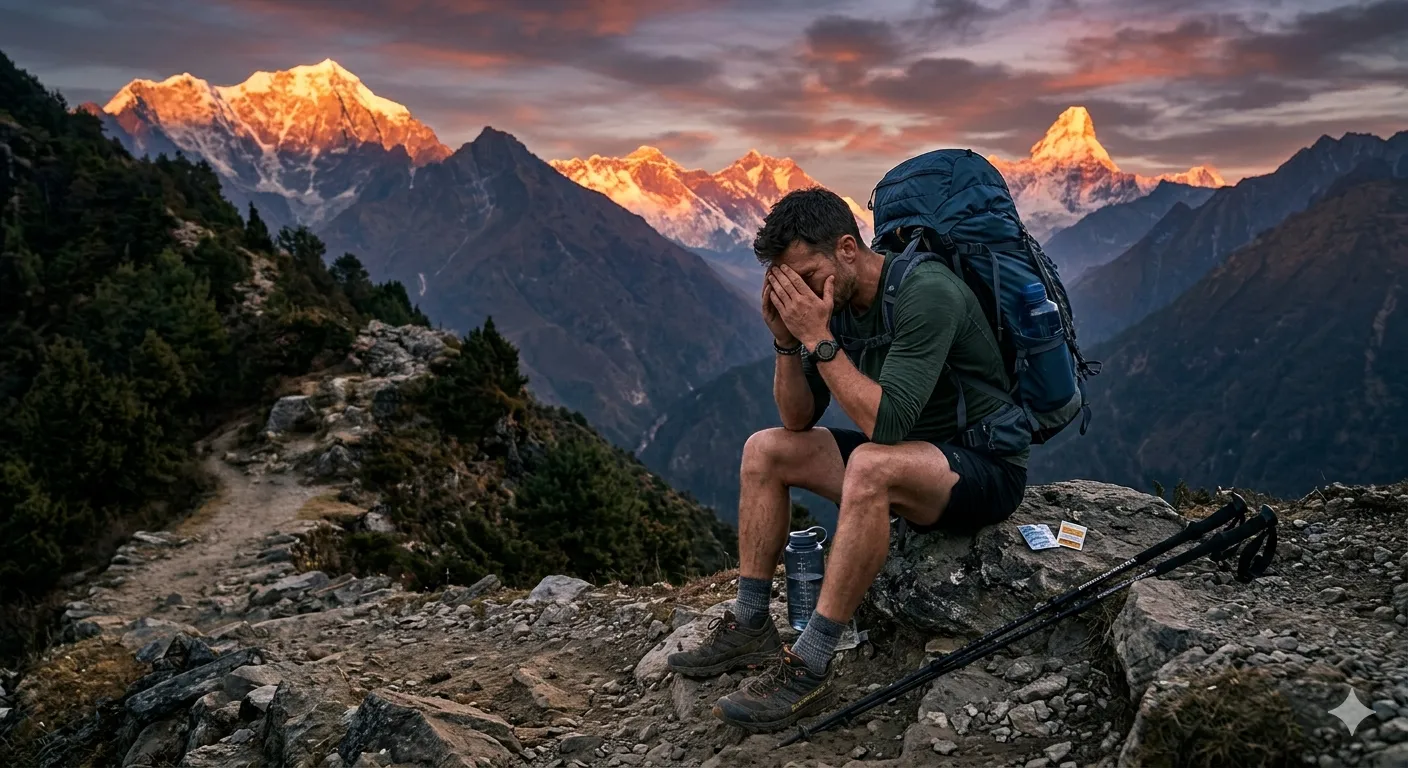
Altitude Sickness in Nepal
The symptoms of altitude sickness can range from mild headaches and fatigue to more severe conditions that require immediate medical attention. Without proper knowledge and preparation, altitude sickness can turn a dream trek into a dangerous situation.
Fortunately, altitude sickness is both preventable and manageable. Nepal has developed a strong trekking culture, and both modern medical practices and traditional knowledge play an important role in keeping trekkers safe. Local communities in the Himalayas have long used natural remedies and techniques to cope with high-altitude living.
In this guide, you will learn everything about altitude sickness in Nepal, including its causes, symptoms, prevention methods, and traditional Nepali remedies. With the right preparation and awareness, you can safely enjoy the incredible beauty of the Himalayas.
1. What is Altitude Sickness?
Altitude sickness is a condition that occurs when your body is unable to adapt quickly to the lower oxygen levels found at high elevations. In Nepal, this is a common concern for trekkers who venture into mountainous regions above 2,500 meters.
At sea level, the air contains a higher concentration of oxygen, making it easier for your body to function normally. However, as you climb higher into the mountains, air pressure decreases, and oxygen levels drop. This means your body receives less oxygen, which can lead to various physical symptoms.
There are three main types of altitude sickness. The first is Acute Mountain Sickness (AMS), which is the most common and mild form. Symptoms include headache, nausea, dizziness, and fatigue. The second type is High Altitude Pulmonary Edema (HAPE), a more serious condition where fluid builds up in the lungs, making breathing difficult. The third is High Altitude Cerebral Edema (HACE), which involves swelling of the brain and can be life-threatening if not treated immediately.
Trekkers visiting high-altitude destinations such as Everest Base Camp must be especially cautious. Even healthy and physically fit individuals can experience altitude sickness, as it is not solely dependent on fitness level.
Understanding what altitude sickness is and how it affects the body is the first step in preventing it. With proper awareness and preparation, trekkers can reduce risks and enjoy a safe and memorable trekking experience in Nepal.
2. Common Symptoms of Altitude Sickness
Recognizing the symptoms of altitude sickness early is essential for staying safe while trekking in Nepal. Symptoms can vary from mild discomfort to serious health conditions, and early detection can prevent complications.
The most common symptoms of Acute Mountain Sickness (AMS) include headaches, dizziness, nausea, loss of appetite, and fatigue. Many trekkers also experience difficulty sleeping, especially during the first few days at higher altitudes. These symptoms usually appear within 6 to 24 hours after reaching a higher elevation.
In some cases, symptoms can worsen if ignored. Severe altitude sickness may include confusion, difficulty walking, shortness of breath even while resting, and a persistent cough. These are warning signs of more serious conditions like HAPE or HACE, which require immediate medical attention.
Trekkers heading toward high-altitude destinations such as Everest Base Camp should monitor their health closely. Keeping track of symptoms daily and communicating with guides or fellow trekkers can help identify problems early.
One important thing to remember is that symptoms can affect anyone, regardless of age or fitness level. Even experienced trekkers are not immune to altitude sickness.
By understanding and recognizing these symptoms, trekkers can take quick action, such as resting, hydrating, or descending to a lower altitude. Early response is the key to preventing serious complications and ensuring a safe trekking experience.
3. Causes and Risk Factors
Altitude sickness is primarily caused by ascending to high elevations too quickly without allowing the body enough time to adjust. In Nepal, this is a common issue among trekkers who are eager to reach their destination quickly.
The main cause is the reduced level of oxygen at higher altitudes. As you climb, your body struggles to get enough oxygen, which leads to the symptoms associated with altitude sickness. Rapid ascent is the biggest risk factor, as it does not give your body enough time to acclimatize.
Other risk factors include dehydration, lack of proper rest, and overexertion. Trekkers who push themselves too hard without taking breaks are more likely to experience symptoms. Additionally, a previous history of altitude sickness increases the chances of experiencing it again.
It is important to understand that physical fitness does not guarantee protection. Even well-trained athletes can suffer from altitude sickness if they ascend too quickly.
By being aware of these causes and risk factors, trekkers can take preventive measures and reduce the likelihood of altitude sickness.
4. How to Prevent Altitude Sickness
Preventing altitude sickness is much easier than treating it, and following proper guidelines can significantly reduce your risk while trekking in Nepal.
The most important rule is to ascend slowly. Experts recommend not increasing your sleeping altitude by more than 300–500 meters per day once you are above 2,500 meters. This allows your body enough time to adapt to the changing oxygen levels.
Taking regular rest days is also essential. Acclimatization days help your body adjust and reduce the risk of developing symptoms. Many trekking itineraries in Nepal are designed with built-in rest days for this reason.
Staying hydrated is another key factor. Drinking plenty of water helps your body function properly and improves oxygen circulation. Avoid alcohol and smoking, as they can worsen the effects of altitude.
Eating a balanced diet rich in carbohydrates provides the energy needed for trekking and helps your body cope with altitude stress.
By following these simple yet effective strategies, trekkers can greatly reduce their chances of experiencing altitude sickness and enjoy a safer journey.
5. What to Do if You Get Altitude Sickness
If you begin to experience symptoms of altitude sickness while trekking in Nepal, it is important to take immediate action. Ignoring symptoms can lead to serious complications.
The first step is to stop ascending. Continuing to climb higher will worsen your condition. Rest at the same altitude and allow your body time to recover. In many cases, mild symptoms improve with rest and hydration.
If symptoms persist or worsen, descending to a lower altitude is the most effective solution. Even a drop of 500 to 1,000 meters can make a significant difference in how you feel.
It is also important to inform your guide or trekking companions about your condition. They can assist you and ensure you receive proper care.
In severe cases, medical attention may be required. Facilities in trekking regions are limited, so early action is crucial.
6. Traditional Nepali Remedies
In the Himalayan regions of Nepal, local communities have developed traditional ways to cope with altitude challenges. These remedies are widely used and can provide natural support for trekkers.
One of the most popular remedies is garlic soup (lasun ko jhol). Locals believe it helps improve blood circulation and oxygen flow in the body. Another common remedy is ginger tea, which helps reduce nausea and aids digestion.
Hot soups and fluids are also widely consumed. They keep the body warm and hydrated, which is essential at high altitudes. Herbal teas made from local plants are believed to support overall health and boost energy levels.
While these remedies are beneficial, they should not replace medical treatment. Instead, they can be used alongside modern methods to enhance your overall well-being.
7. Modern Medicine vs Traditional Remedies
When it comes to managing altitude sickness in Nepal, both modern medicine and traditional remedies play important roles. Understanding how they complement each other is essential for trekkers who want to stay safe while also respecting local practices.
Modern medicine offers scientifically proven solutions for preventing and treating altitude sickness. One of the most commonly used medications is Acetazolamide, which helps the body adapt to lower oxygen levels more quickly. It is often recommended for trekkers heading to high-altitude destinations such as Everest Base Camp. In more severe cases, oxygen support or emergency descent is required, making medical intervention critical.
On the other hand, traditional Nepali remedies are deeply rooted in local culture and experience. Remedies such as garlic soup, ginger tea, and herbal infusions are widely used in mountain regions. These natural methods are believed to improve blood circulation, reduce nausea, and keep the body warm. While they may not cure altitude sickness, they can help relieve mild symptoms and improve overall comfort during trekking.
The best approach is to combine both methods wisely. Trekkers should always prioritize medical advice and use medications when necessary, especially in higher-risk situations. At the same time, incorporating traditional remedies can enhance the trekking experience and provide additional support.
Ultimately, a balanced approach that combines modern science with traditional knowledge offers the safest and most effective way to manage altitude sickness while trekking in Nepal.
8. Best Trekking Practices for Safety
Staying safe while trekking in Nepal requires more than just physical fitness it involves following best practices that reduce risks and improve your overall experience. These practices are especially important when dealing with altitude sickness.
One of the most important safety tips is to follow a proper acclimatization schedule. Gradual ascent allows your body to adjust to lower oxygen levels, significantly reducing the risk of altitude sickness. Trekkers should avoid rushing and instead focus on maintaining a steady and comfortable pace.
Hiring an experienced guide is another key factor. Local guides are familiar with the terrain, weather conditions, and altitude challenges. They can monitor your health, provide advice, and take quick action if symptoms appear. This is particularly useful on popular routes like Everest Base Camp.
Hydration and nutrition also play a crucial role in trekking safety. Drinking enough water and eating balanced meals helps maintain energy levels and supports your body’s ability to adapt to altitude. Avoiding alcohol and smoking is equally important, as these can worsen altitude-related symptoms.
Trekkers should also carry essential gear, including warm clothing, proper footwear, and basic medical supplies. Monitoring your body daily and communicating any discomfort with your group ensures early detection of problems.
By following these best practices, you can minimize risks and enjoy a safe, comfortable, and memorable trekking experience in Nepal’s Himalayan regions.
Altitude sickness is one of the most important challenges to understand when trekking in Nepal. While the Himalayas offer some of the most breathtaking landscapes in the world, they also demand respect, awareness, and proper preparation from every traveler. Knowing how altitude affects your body is essential for ensuring a safe and successful trekking experience.
The key to preventing altitude sickness lies in preparation and patience. By ascending gradually, staying hydrated, and allowing your body enough time to acclimatize, you can significantly reduce the risks. Recognizing early symptoms such as headaches, fatigue, or dizziness enables you to take immediate action and avoid serious complications.
Traditional Nepali remedies, such as garlic soup and herbal teas, highlight the deep knowledge and experience of local communities who have lived in high-altitude environments for generations. These remedies can provide comfort and support, especially when combined with modern medical practices. However, it is important to remember that they are not substitutes for proper medical treatment in serious situations.
Whether you are trekking to Everest Base Camp, exploring the Annapurna Circuit, or visiting other high-altitude regions, your safety should always be your top priority. Taking the time to prepare, following expert guidelines, and listening to your body will allow you to fully enjoy the journey.
With the right approach, altitude sickness can be managed effectively, allowing you to experience the beauty, culture, and adventure of Nepal’s mountains safely and confidently.
Q1: At what altitude does altitude sickness usually start in Nepal?
Altitude sickness typically begins at elevations above 2,500 meters (8,200 feet). In Nepal, many popular trekking routes such as Everest Base Camp and the Annapurna Circuit cross this threshold, making awareness essential.
However, the exact altitude at which symptoms appear can vary from person to person. Some trekkers may feel mild symptoms at lower elevations, while others may not experience any issues until reaching higher altitudes. This is why gradual ascent and proper acclimatization are crucial.
Q2: Can anyone get altitude sickness, or only beginners?
Altitude sickness can affect anyone, regardless of age, fitness level, or trekking experience. Even seasoned trekkers and athletes can develop symptoms if they ascend too quickly or do not acclimatize properly.
In Nepal, many first-time trekkers assume that being physically fit will protect them, but altitude sickness is not directly related to fitness. It is primarily caused by how quickly your body adapts to reduced oxygen levels.
Q3: What are the early warning signs of altitude sickness?
Early symptoms of altitude sickness include headache, dizziness, nausea, fatigue, loss of appetite, and difficulty sleeping. These symptoms usually appear within 6 to 24 hours after gaining altitude.
Trekkers heading to high-altitude areas like Everest Base Camp should monitor these signs carefully. Ignoring early symptoms can lead to more serious conditions, so it is important to respond quickly by resting or descending if needed.
Q4: How can I prevent altitude sickness while trekking in Nepal?
Preventing altitude sickness involves several key steps:
- Ascend gradually (300–500 meters per day above 2,500m)
- Take acclimatization rest days
- Stay well hydrated
- Eat a balanced diet
- Avoid alcohol and smoking
Following these practices while trekking in Nepal significantly reduces the risk of developing altitude sickness.
Q5: What should I do if I start feeling symptoms during a trek?
If you experience symptoms of altitude sickness, the most important step is to stop ascending immediately. Rest at the same altitude and monitor your condition.
If symptoms do not improve or worsen, you should descend to a lower altitude as soon as possible. Inform your guide or trekking group so they can assist you. Early action is the best way to prevent serious complications.
Q6: Are traditional Nepali remedies effective for altitude sickness?
Traditional remedies in Nepal, such as garlic soup (lasun ko jhol), ginger tea, and herbal drinks, are commonly used by locals to manage mild symptoms. These remedies may help improve circulation, reduce nausea, and keep the body warm.
However, they should not replace medical treatment. They are best used as supportive measures alongside proper acclimatization and, if necessary, modern medication.
Q7: Is medication necessary for altitude sickness prevention?
Medication is not always necessary, but it can be helpful in certain situations. Drugs like Acetazolamide are commonly used to prevent and treat altitude sickness, especially on high-altitude treks.
It is important to consult a doctor before taking any medication, as individual health conditions and trek difficulty should be considered.
Q8: How long does it take to acclimatize to high altitude?
Acclimatization usually takes 1–3 days at each new altitude level. During this time, your body adjusts to lower oxygen levels by increasing breathing rate and producing more red blood cells.
Most trekking itineraries in Nepal include rest days to support this process, especially on routes like Everest Base Camp.
Q9: Can altitude sickness be life-threatening?
Yes, in severe cases, altitude sickness can become life-threatening. Conditions such as High Altitude Pulmonary Edema (HAPE) and High Altitude Cerebral Edema (HACE) require immediate medical attention.
These conditions are rare but serious, and they highlight the importance of early detection and proper response.
Q10: Is it safe to trek alone in high-altitude areas of Nepal?
While solo trekking is possible in Nepal, it is not recommended for high-altitude routes. Trekking with a guide or group is safer, as they can help monitor your condition and provide assistance in case of altitude sickness.
For popular routes like Everest Base Camp, having support significantly increases safety and overall experience.
