The word “Sherpa” is one of the most recognised and most misunderstood names to come out of the Himalayas. Most people know it only as a word for the guides who carry loads up Everest. But the Sherpa are a distinct ethnic group with their own language, religion, and a history in the mountains that stretches back roughly 500 years before tourism ever existed.
This guide explains who the Sherpa people really are, where they came from, and what their culture is built on and it clears up a confusion almost every article gets wrong: the word “Sherpa” actually means three different things.
Cultural and historical facts verified July 2026.
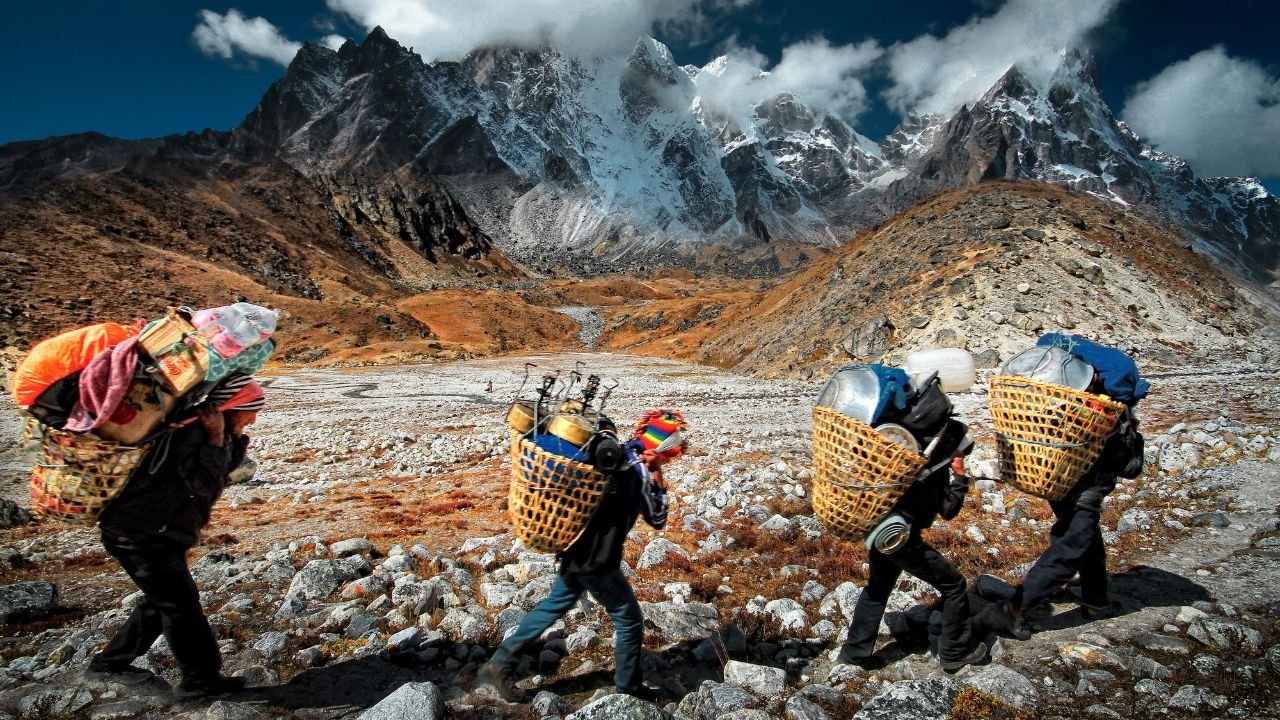
Who Are the Sherpa People: Photo by Muhammad Hary
The Most Important Thing to Understand: “Sherpa” Means Three Things
Before anything else, this distinction clears up most of the confusion:
- An ethnic group — the Sherpa are a Tibetan-descended people native to the Solukhumbu region of eastern Nepal. This is the true, original meaning.
- A surname — most ethnic Sherpas carry “Sherpa” as their family name (which is why you see it after so many climbers’ first names).
- A job — over time, “sherpa” (lowercase) became a general word for any high-altitude porter or climbing guide on Everest, regardless of ethnicity.
So when a news story says “a sherpa fixed the ropes,” that person may or may not be an ethnic Sherpa they might be from another Himalayan group doing the same work. The people, the surname, and the profession share a name, but they aren’t the same thing. Keeping them separate is the key to understanding everything else.
Quick Facts
| Who | A Tibetan-descended ethnic group of the Himalayas |
| Homeland | Solukhumbu (Everest region), eastern Nepal |
| Origin | Migrated from Kham, eastern Tibet, ~500 years ago |
| Name meaning | “People of the East” (shar = east, pa = people) |
| Religion | Nyingma school of Tibetan Buddhism |
| Language | Sherpa (a Tibetic language); most also speak Nepali |
| Population (Nepal) | ~290,000 (2021 census); also in India, Bhutan, USA |
Where Do the Sherpa People Come From?
The Sherpa are not originally from Nepal. Their ancestors were Tibetans from Kham, a region of eastern Tibet which is exactly what their name records. “Sherpa” comes from the Tibetan words shar (“east”) and pa (“people”): “people of the east.” In their own language, they call themselves Sherwa.
Beginning around the 13th to 15th centuries, groups of these eastern Tibetans crossed the Himalayas and settled in the high valleys of the Solukhumbu region, below Everest. Historians believe the migration was driven by a search for grazing land and, likely, religious tension with the dominant Buddhist schools in Tibet at the time. According to Sherpa oral tradition, the settlers formed the community’s original clans a clan system (ru) that still underpins Sherpa families today.
For most of the centuries that followed, the Sherpa lived far from the world’s attention: farming potatoes and barley, herding yaks, and trading salt and goods across high passes with Tibet.
Sherpa Religion and Beliefs
Faith is at the centre of Sherpa life. The Sherpa follow the Nyingma school the oldest school of Tibetan Buddhism and are often called Nyingmapa. Their practice blends formal Buddhism with older animist and shamanist beliefs, including reverence for local mountain deities.
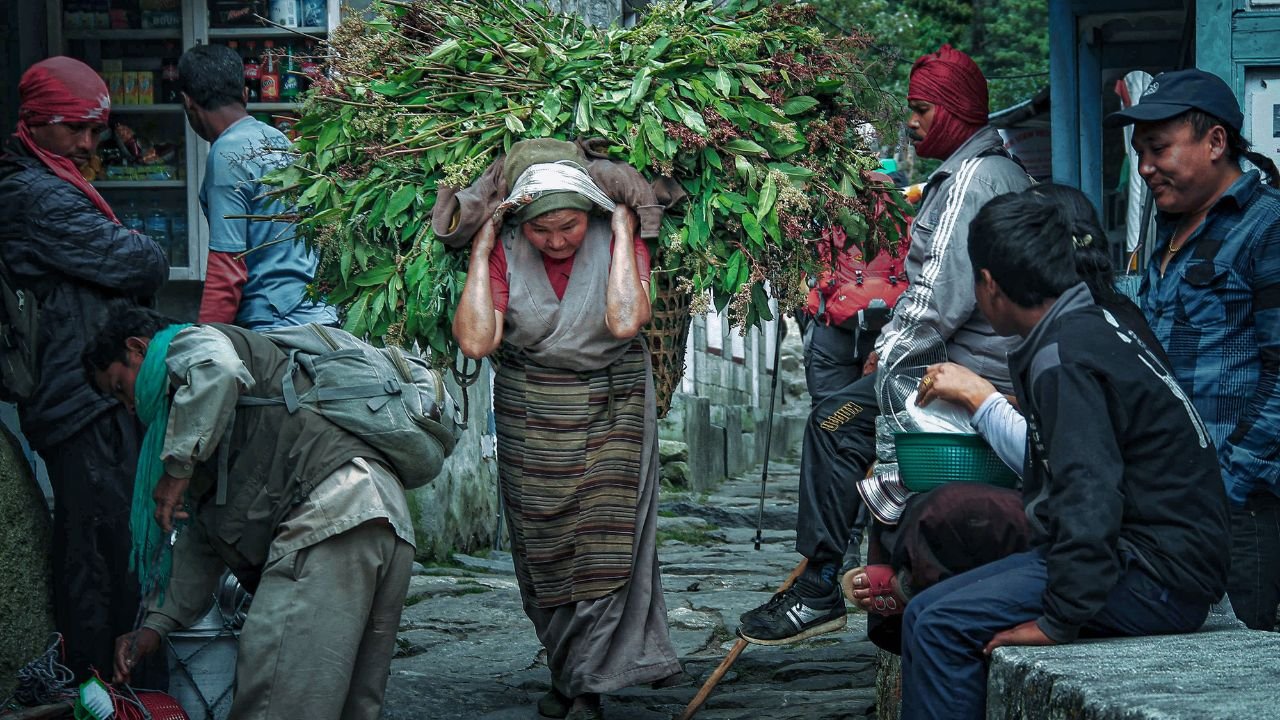
Sherpa: Photo by Muhammad Hary
This is why the mountains matter to Sherpas in a way that goes beyond scenery or income. Traditionally, they regarded the high peaks as sacred the homes of gods and for a long time did not climb them. Everest itself is Chomolungma, often translated as “Mother Goddess of the World.” The decision to climb, when it came, was a practical one driven by opportunity and pay, not a loss of that reverence.
Monasteries anchor community life. Tengboche Monastery, on the trail to Everest Base Camp, is the most important in the region, and festivals like Mani Rimdu, Dumji, and Losar (the Tibetan new year) mark the Sherpa calendar with masked dances, prayer, and gathering.
Everyday Sherpa Culture
Beyond religion, a few threads define daily Sherpa life:
- Clan and family: society is organised around clans, with deep respect for elders and strong community bonds.
- Hospitality: guests are treated with genuine warmth anyone who has been handed endless tea in a Khumbu lodge has felt it.
- Food built for altitude: hearty, warming dishes like thukpa (noodle soup), thenduk (a meat-and-dough stew), shyakpa, and butter tea suit the cold, thin-aired environment.
- Two lives in one day: in most villages now, a family might tend potato fields and yaks in the morning, then run a trekking lodge or guide clients by afternoon.
Why Are Sherpas So Strong at High Altitude?
This comes up constantly, and the honest answer has two parts.
Genetics: generations of living above 3,000 metres have given Sherpas real physiological adaptations more efficient use of oxygen and better circulation in thin air that help them acclimatise faster and work harder at altitude than lowland visitors. This is well documented.
But it’s not magic, and it’s not the whole story. The other reason Sherpas dominate Himalayan climbing is economic: for a long time, guiding was one of the few well-paid jobs available in the region, so the most capable people did it repeatedly, building experience no occasional climber could match. Skill and repetition matter as much as biology. Treating Sherpa strength as purely genetic flattens a profession built on hard-earned expertise.
How Everest Changed Everything
The turning point was 1953, when Tenzing Norgay stood on the summit of Everest with Edmund Hillary. Within a generation, mountaineering shifted from something Sherpas avoided on religious grounds to the economic engine of the entire region.
Today, Sherpas are the backbone of the Everest industry guiding, carrying, cooking, and fixing the routes that make commercial climbing possible. It has brought income, schools, and global recognition. It has also brought real cost: Sherpas take on far more risk than the clients they guide, and for years were paid a fraction of what expeditions charged. That tension — pride and opportunity on one side, danger and inequality on the other is an honest part of the modern Sherpa story, not a footnote to it.
Learn More
The Sherpa story is best understood through its people and their work:
- The famous Sherpas who broke Everest’s records from Tenzing Norgay to Kami Rita
- The Icefall Doctors, who fix Everest’s most dangerous stretch every season
- The Everest Base Camp trek, which passes through the heart of Sherpa country
FAQs
Who are the Sherpa people?
The Sherpa are a Tibetan-descended ethnic group native to the Solukhumbu region of eastern Nepal, known for their Buddhist culture and high-altitude skill. They migrated from eastern Tibet about 500 years ago.
Does “Sherpa” mean a mountain guide?
Not originally. “Sherpa” is first an ethnic group and a common surname. Over time, lowercase “sherpa” also became a general word for a high-altitude porter or guide who may not be ethnically Sherpa.
What does the word “Sherpa” mean?
It means “people of the east” (shar = east, pa = people), referring to their origins in Kham, eastern Tibet. In their own language they call themselves Sherwa.
What religion do Sherpas follow?
Tibetan Buddhism, specifically the Nyingma school (the oldest), blended with older animist beliefs. Tengboche Monastery is their most important religious site.
Where do the Sherpa people live?
Mainly in the Solukhumbu (Everest) region of eastern Nepal, with communities also in India (Darjeeling, Sikkim), Bhutan, Tibet, and the United States.
Why are Sherpas so good at climbing?
Partly genetic adaptations to high altitude that improve oxygen efficiency, and partly because guiding has been a key regional profession, giving them unmatched experience. Both matter.
How many Sherpa people are there?
Nepal’s 2021 census recorded roughly 290,000 Sherpas, with more in India, Bhutan, and abroad. Some sources cite lower figures around 150,000.
Did Sherpas always climb mountains?
No. They traditionally viewed the peaks as sacred homes of gods and avoided climbing them. That changed after Everest opened to expeditions in the 1950s and guiding became a livelihood.
