
Nepal has 10 UNESCO World Heritage Sites a remarkable number for a country its size, reflecting both its dense concentration of historic monuments in the Kathmandu Valley and the global significance of two sites beyond it: Lumbini, the birthplace of Buddha, and Sagarmatha National Park, home to Mount Everest. Seven of the ten sites sit within the Kathmandu Valley alone, making it one of the most UNESCO-dense urban areas anywhere in the world.
This guide covers all 10 sites, what makes each significant, and how to plan visits efficiently.
Quick Reference: Nepal’s 10 UNESCO World Heritage Sites
| Site | Type | Location | Year Inscribed |
|---|---|---|---|
| Kathmandu Durbar Square | Monument zone | Kathmandu | 1979 |
| Patan Durbar Square | Monument zone | Lalitpur | 1979 |
| Bhaktapur Durbar Square | Monument zone | Bhaktapur | 1979 |
| Pashupatinath Temple | Monument zone | Kathmandu | 1979 |
| Boudhanath Stupa | Monument zone | Kathmandu | 1979 |
| Swayambhunath | Monument zone | Kathmandu | 1979 |
| Changu Narayan Temple | Monument zone | Bhaktapur district | 1979 |
| Lumbini | Cultural site | Rupandehi district | 1997 |
| Sagarmatha National Park | Natural site | Solukhumbu district | 1979 |
| Chitwan National Park | Natural site | Chitwan district | 1984 |
Note: The seven Kathmandu Valley sites are inscribed collectively as a single UNESCO listing “Kathmandu Valley” though each is independently significant and visitable separately.
The Kathmandu Valley: Seven Monument Zones, One UNESCO Listing
Nepal’s seven Kathmandu Valley monument zones are inscribed under a single UNESCO designation, recognizing the valley as a continuous living center of Newari art, architecture, and religious practice spanning over a thousand years. Visiting all seven in a single trip is genuinely achievable within 3–4 days.
1. Kathmandu Durbar Square
The former royal palace complex of the Malla kings, at the historic heart of Kathmandu city. Intricately carved wooden temples, courtyards, and the Kumari Ghar home to Nepal’s living goddess are packed into a single walkable square. Significant earthquake damage from 2015 has been progressively restored, though some structures remain under reconstruction.
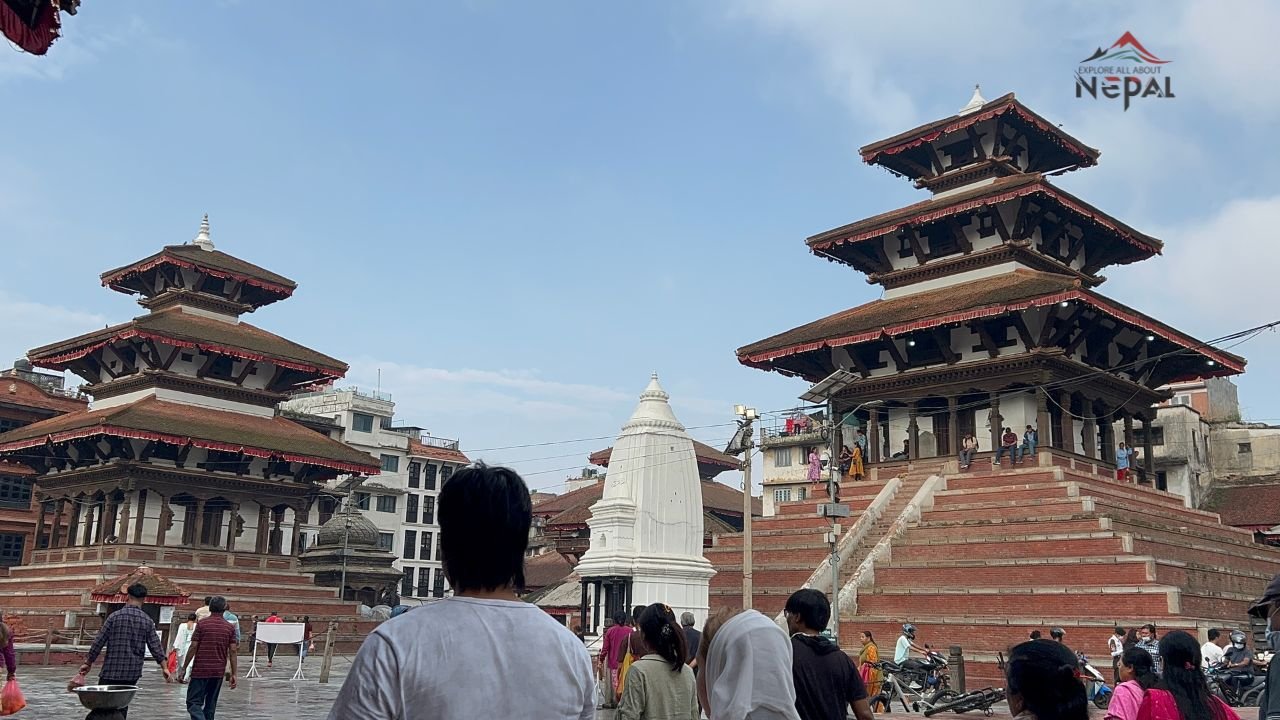
Kathmandu Durbar Square
See our complete Kathmandu sightseeing guide for visiting hours and entry fees.
2. Patan Durbar Square
Located in Lalitpur, just across the Bagmati River from central Kathmandu, Patan is widely regarded as having the finest concentration of Newari metalwork and wood carving in the valley. The Patan Museum within the complex is one of Nepal’s best-curated cultural museums.
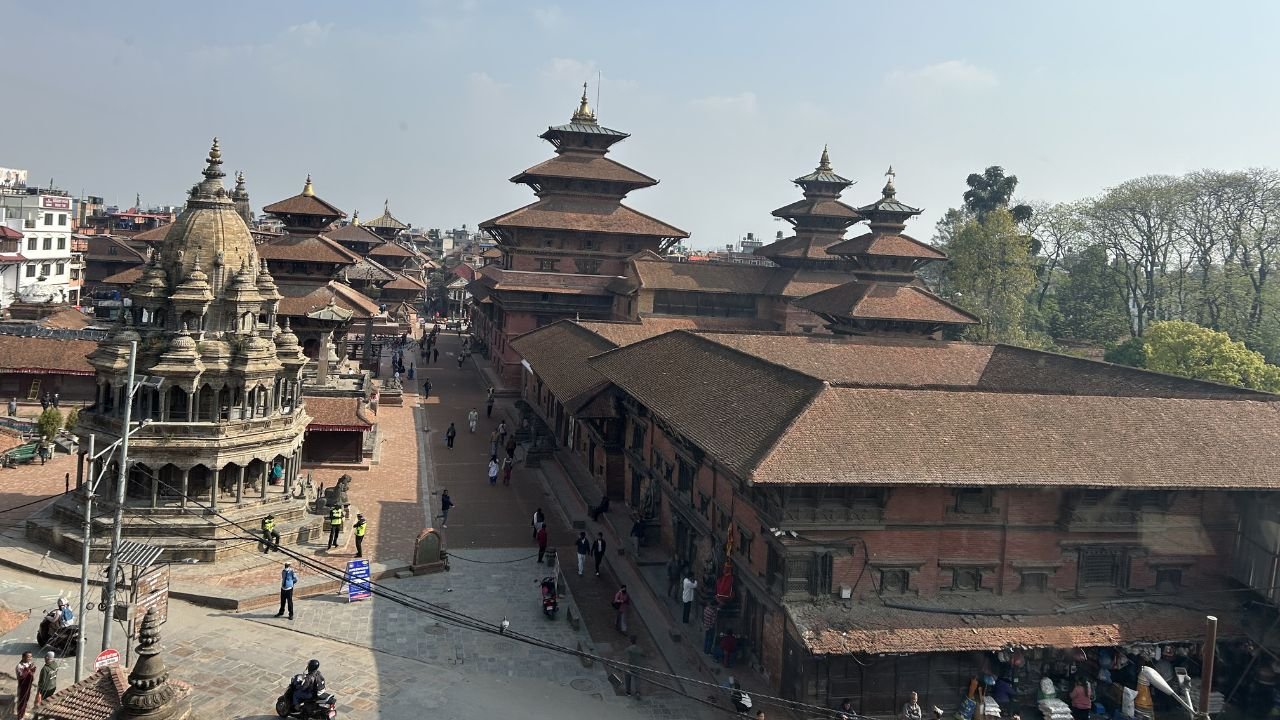
Patan Durbar Square
3. Bhaktapur Durbar Square
Often described as a living museum, Bhaktapur’s medieval squares and red-brick Newari architecture survived largely intact through the 2015 earthquake. Less crowded than Kathmandu’s Durbar Square and widely considered the most atmospheric of the three.
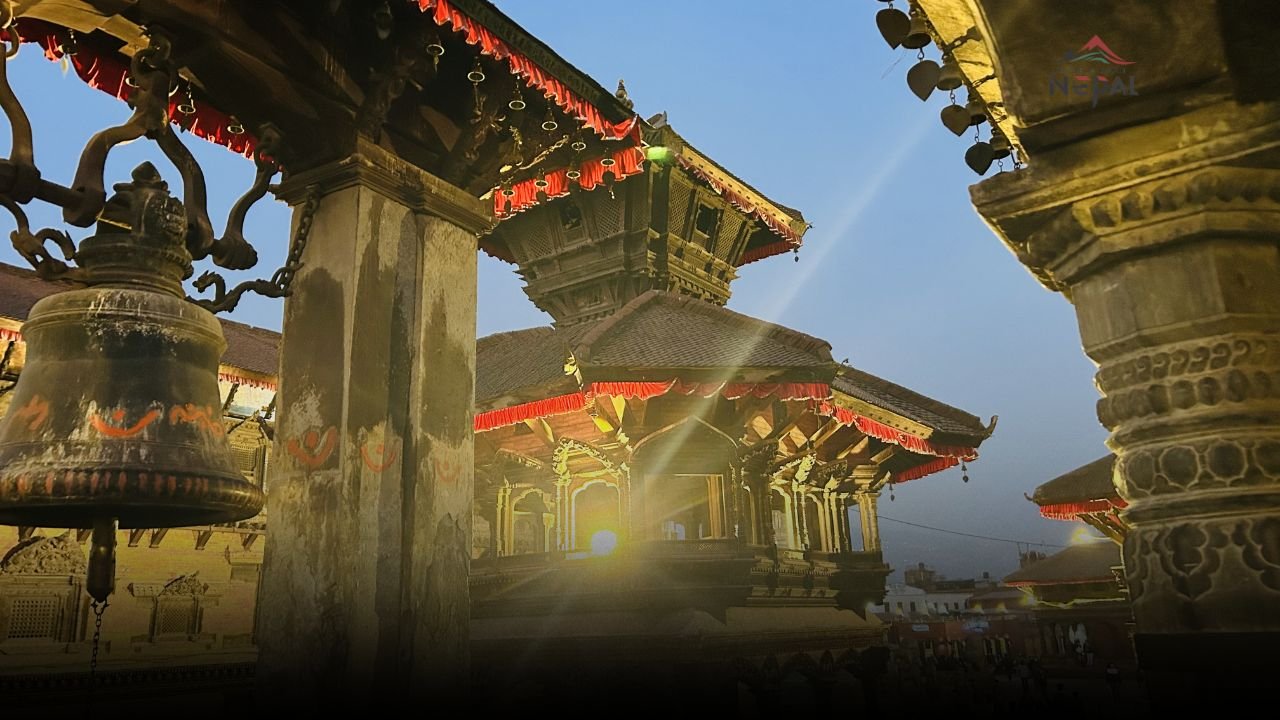
Bhaktapur
4. Pashupatinath Temple
One of the most significant Hindu temple complexes in the world, on the banks of the sacred Bagmati River. An active cremation and pilgrimage site, not simply a historic monument witnessing the daily rituals here is one of Nepal’s most profound cultural experiences.
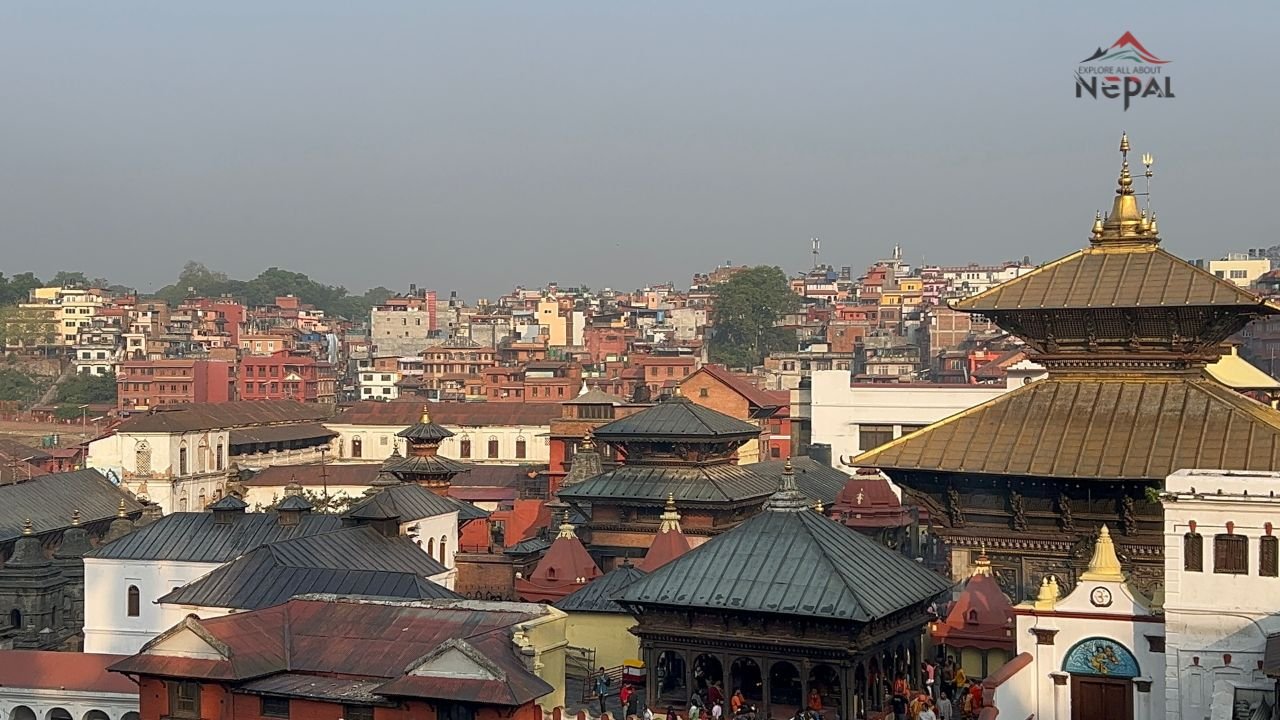
Pashupatinath Temple
5. Boudhanath Stupa
One of the largest stupas in the world and the spiritual center of Nepal’s Tibetan Buddhist community. The painted all-seeing Buddha eyes look out over the surrounding plaza, ringed with monasteries and prayer wheel walls.
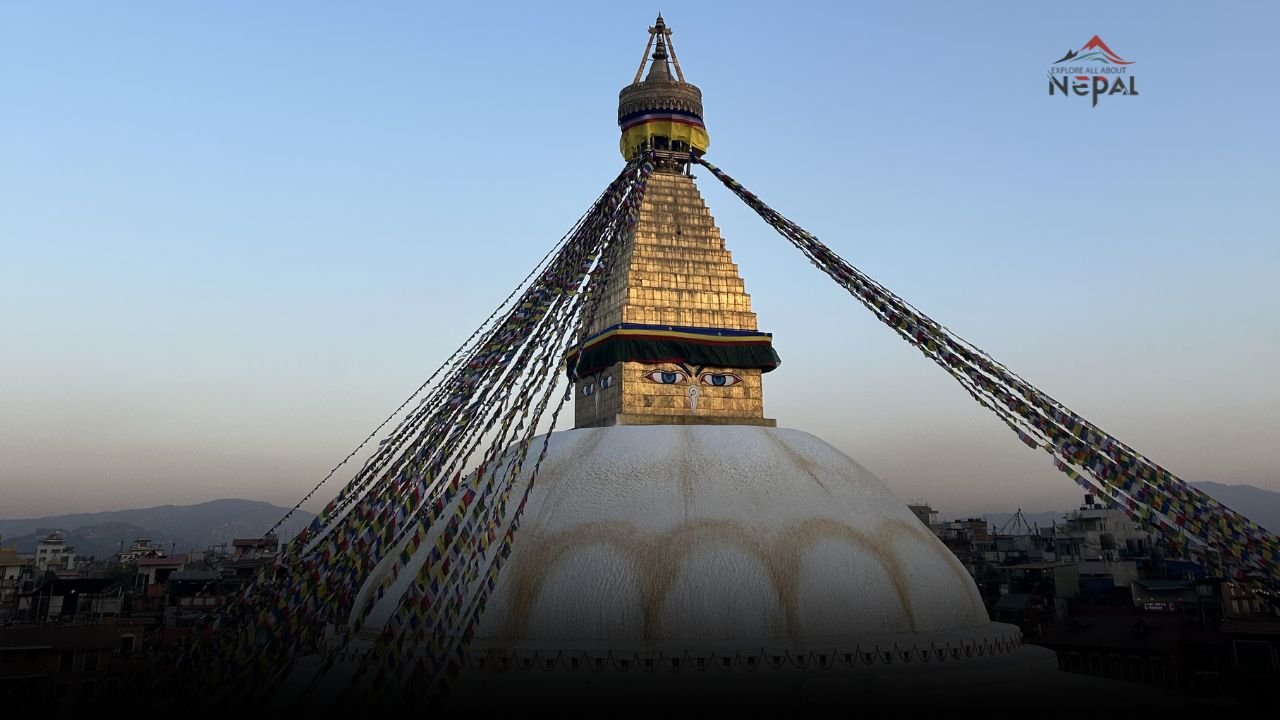
Boudhanath
6. Swayambhunath (The Monkey Temple)
Perched on a hilltop on the valley’s western edge, one of the oldest religious sites in Nepal, combining an ancient Buddhist stupa with sweeping views across the entire Kathmandu Valley.
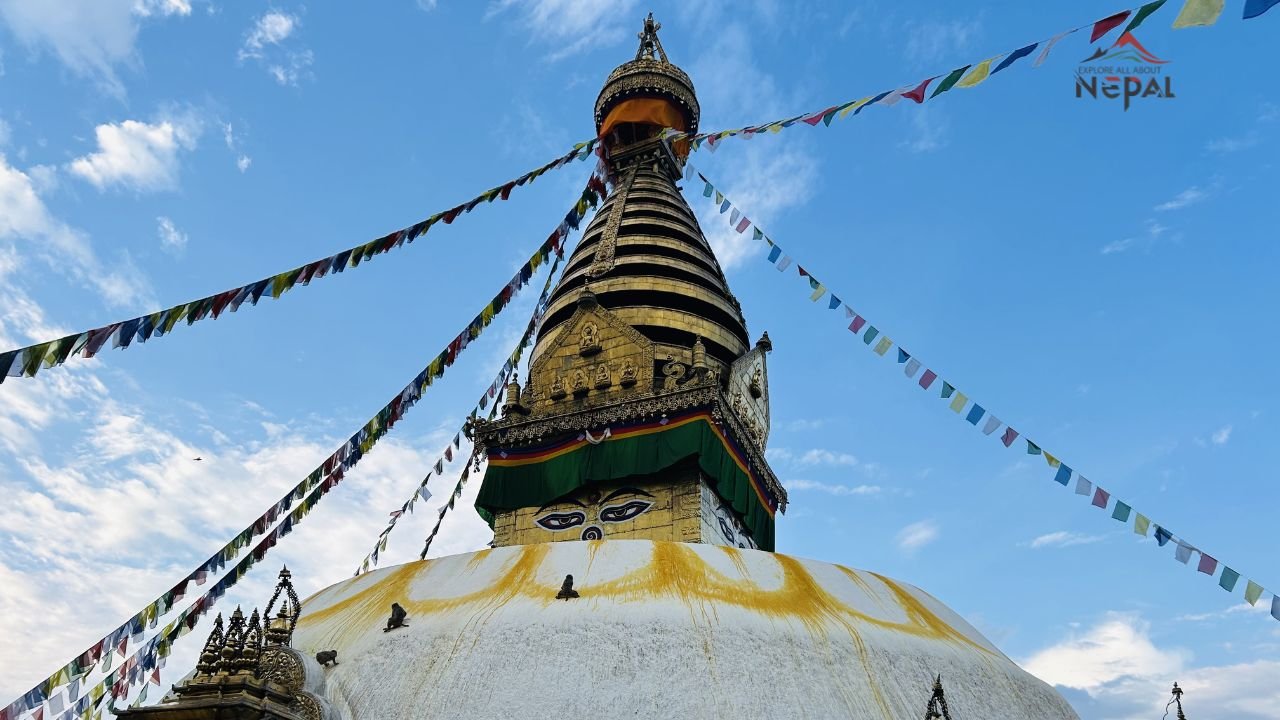
Swayambhunath
7. Changu Narayan Temple
The least visited of the seven, and arguably the most historically significant widely considered the oldest Hindu temple still in active use in the Kathmandu Valley, with inscriptions dating to the 5th century. Located on a hilltop in Bhaktapur district, a short trip from Bhaktapur’s main Durbar Square, and notably free of the crowds that visit the other six sites.
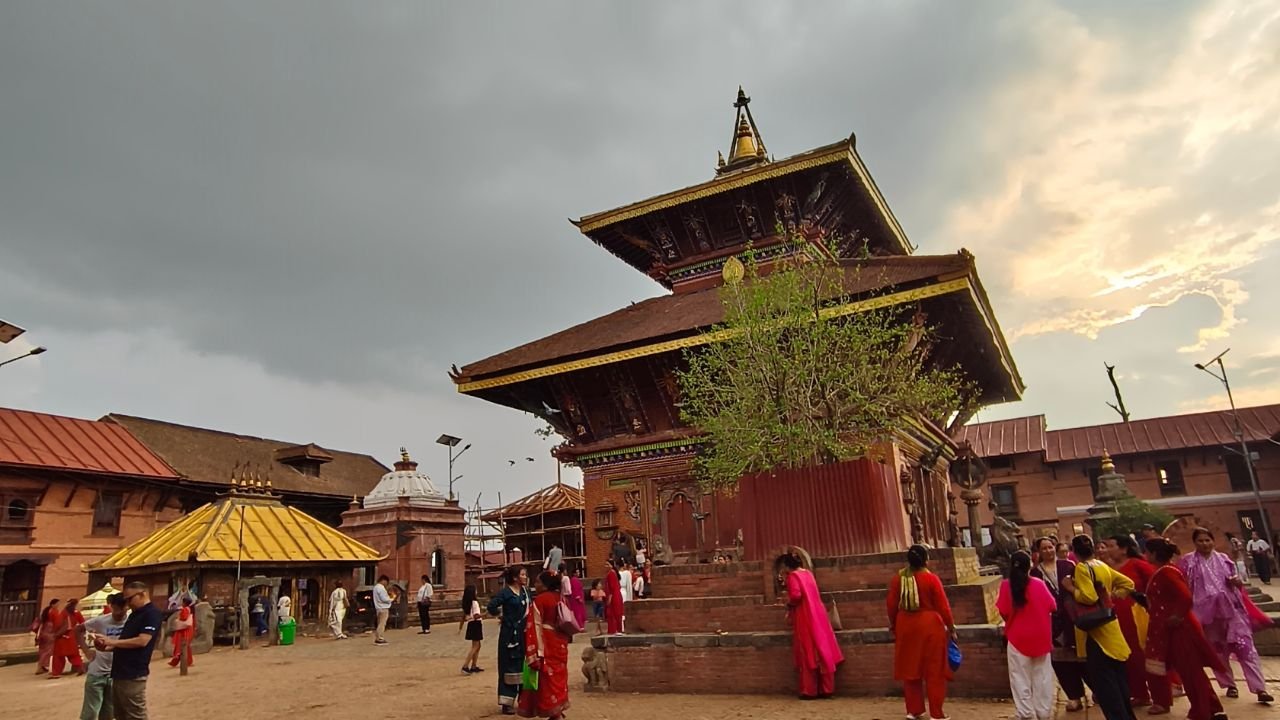
UNESCO World Heritage Sites in Nepal
8. Lumbini — Birthplace of Buddha
Located in Nepal’s southern Terai plains near the Indian border, Lumbini is one of Buddhism’s four most important pilgrimage sites, marking the exact birthplace of Siddhartha Gautama in the 6th century BCE. The Maya Devi Temple stands at the site’s center, surrounded by the Sacred Garden and a marker stone believed to indicate the precise birth spot.
Beyond the historic core, the surrounding Lumbini Development Zone hosts monasteries built by Buddhist communities from over a dozen countries Thailand, Myanmar, China, Japan, Germany, and more each constructed in distinct national architectural styles, making Lumbini as much a living international Buddhist community as a historical monument.
Practical note: Lumbini requires a separate trip from the Kathmandu Valley typically a domestic flight to Bhairahawa followed by a short drive, or a longer overland journey. Most visitors combine it with a Chitwan National Park visit given their relative proximity in the Terai region.
9. Sagarmatha National Park
Home to Mount Everest and the Khumbu region, Sagarmatha National Park was inscribed for its exceptional natural beauty and unique high-altitude ecosystem, including endangered species like the snow leopard and red panda. This is the park you pass through on the Everest Base Camp trek and most Khumbu region trekking routes.
Unlike the monument-zone sites, visiting Sagarmatha National Park genuinely requires trekking there’s no road access to the park’s interior, and entry typically begins at Lukla after the standard mountain flight from Kathmandu.
See our Everest Base Camp trek guide for the full route through Sagarmatha National Park.
10. Chitwan National Park
Nepal’s premier wildlife destination, in the lowland Terai region, recognized for its exceptional biodiversity including the greater one-horned rhinoceros, Bengal tiger, and gharial crocodile, alongside over 500 recorded bird species. Unlike Sagarmatha, Chitwan is accessible by road (roughly 5–6 hours from Kathmandu) or a short domestic flight, and is typically visited via jeep safari, canoe trips on the Rapti River, and guided jungle walks.
See our things to do in Nepal guide for more on Chitwan’s safari experience.
How to Plan a UNESCO Sites Trip in Nepal
If you have 3-4 days (Kathmandu Valley only)
Visit all seven monument zones across Kathmandu, Patan, and Bhaktapur genuinely achievable as a focused city-based trip without any trekking or long-distance travel.
If you have 7-10 days
Add Chitwan National Park (2-3 days) to the Kathmandu Valley sites a natural pairing given Chitwan’s accessibility and the contrast between cultural and wildlife experiences.
If you have 10-14 days
Add Lumbini, typically combined with Chitwan given their proximity in the Terai region, alongside the full Kathmandu Valley circuit.
If you have 14+ days or are already trekking
Sagarmatha National Park is realistically only visited as part of a genuine trek most commonly the Everest Base Camp trek itself, which passes directly through the park’s core territory.
Entry Fees and Practical Information
| Site | Entry Fee (Foreigners, Approx.) |
|---|---|
| Kathmandu Durbar Square | NPR 1,000 (~$7.50) |
| Patan Durbar Square | NPR 1,000 (~$7.50) |
| Bhaktapur Durbar Square | NPR 1,800 (~$13.50) |
| Pashupatinath Temple | NPR 1,000 (~$7.50) |
| Boudhanath Stupa | NPR 600 (~$4.50) |
| Swayambhunath | NPR 200 (~$1.50) |
| Changu Narayan Temple | NPR 300 (~$2.25) |
| Lumbini (Sacred Garden) | NPR 200 (~$1.50) |
| Sagarmatha National Park | NPR 3,390 (~$25) |
| Chitwan National Park | NPR 2,000 (~$15) |
Entry fees are estimates for 2026 and subject to change verify current rates before visiting.
Why Nepal Has So Many UNESCO Sites for Its Size
Nepal’s UNESCO density reflects a genuinely unusual historical concentration: the Kathmandu Valley functioned as a continuous center of Newari civilization and craftsmanship for over a thousand years, with three competing royal cities (Kathmandu, Patan, Bhaktapur) each investing heavily in religious and civic architecture during the Malla period. Add to that Nepal’s role as the literal birthplace of Buddhism and its position containing the world’s highest peak, and the country accumulates UNESCO recognition across cultural, religious, and natural categories simultaneously a combination few countries of comparable size can match.
Frequently Asked Questions
How many UNESCO World Heritage Sites are there in Nepal?
Ten. Seven are monument zones within the Kathmandu Valley (inscribed as a single collective listing), plus Lumbini, Sagarmatha National Park, and Chitwan National Park as separate individual sites.
Can I visit all of Nepal’s UNESCO sites in one trip?
The seven Kathmandu Valley sites are easily visited together in 3-4 days. Lumbini and Chitwan can be added with 7-10 additional days. Sagarmatha National Park realistically requires a dedicated trek, such as Everest Base Camp, making a true “all 10” trip a substantial undertaking of several weeks.
What is the most important UNESCO site in Nepal?
This depends on the lens Lumbini holds singular global religious significance as Buddha’s birthplace, Pashupatinath is among the most important living Hindu pilgrimage sites in the world, and Sagarmatha National Park contains Earth’s highest peak. Nepal’s UNESCO sites span cultural, religious, and natural categories without a single “most important” site.
Is Mount Everest a UNESCO World Heritage Site?
Mount Everest itself sits within Sagarmatha National Park, which is the UNESCO-inscribed site recognized for the park’s exceptional natural beauty and ecosystem rather than the mountain in isolation.
How much does it cost to visit Nepal’s UNESCO sites?
Individual entry fees range from roughly $1.50 (Swayambhunath, Lumbini) to $25 (Sagarmatha National Park). Visiting all seven Kathmandu Valley sites costs approximately $45-50 total in combined entry fees.
Which UNESCO sites in Nepal are least crowded?
Changu Narayan Temple is consistently the quietest of the seven Kathmandu Valley sites, despite being among the most historically significant. Patan Durbar Square is also noticeably less crowded than Kathmandu’s main Durbar Square.
Do I need a guide to visit Nepal’s UNESCO sites?
Not required for the Kathmandu Valley monument zones, Lumbini, or Chitwan, though a guide adds valuable historical context, particularly at the Durbar Squares. Sagarmatha National Park, as part of a trek, requires a licensed guide under current trekking regulations.
