
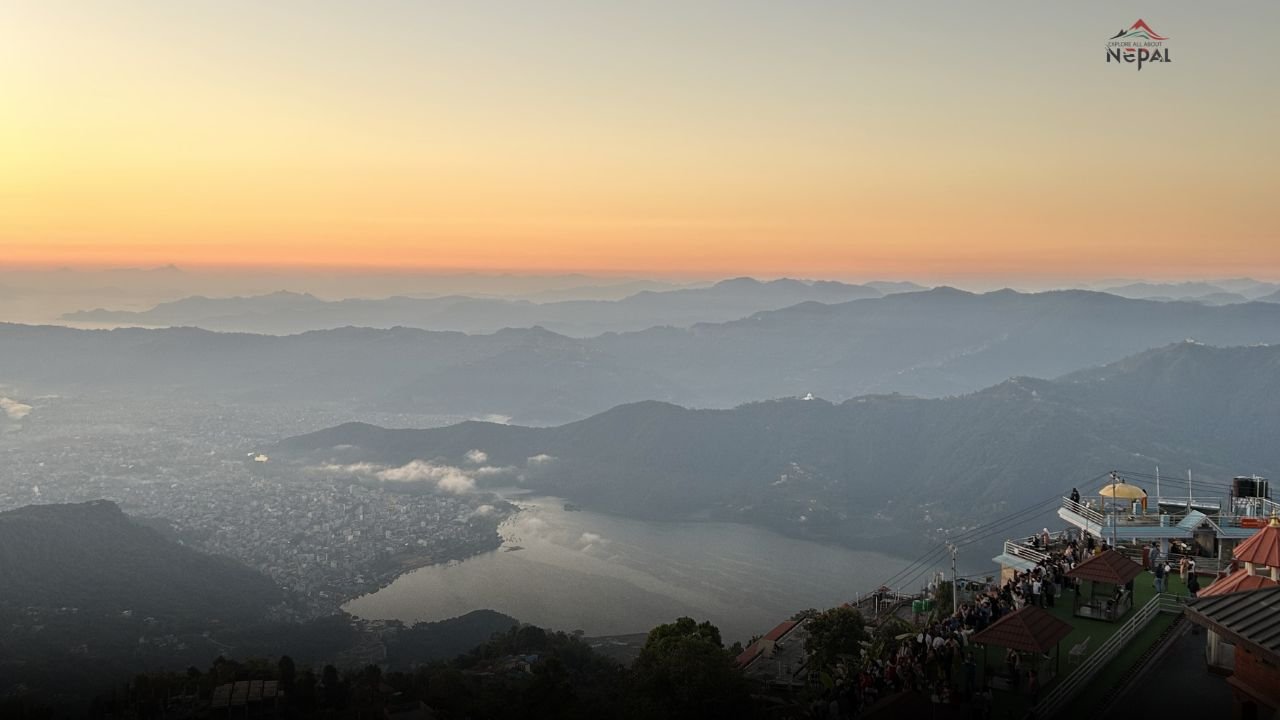
Pokhara is where most Nepal trips slow down. After the intensity of Kathmandu’s traffic and temple-hopping, Pokhara’s lakeside setting, mountain backdrop, and genuinely laid-back pace make it the natural place to rest before or after a trek and it has more than enough sightseeing in its own right to justify two or three full days.
This guide covers the best Pokhara sightseeing spots, from the iconic Phewa Lake to viewpoints, caves, and the adventure activities the city is increasingly known for.
Quick Reference: Pokhara’s Top Sightseeing Spots
| Place | Type | Entry Fee | Time Needed |
|---|---|---|---|
| Phewa Lake | Lake, boating | NPR 600–1,000 boat rental | 1–2 hours |
| Sarangkot | Sunrise viewpoint | Free (transport extra) | 2–3 hours (incl. travel) |
| World Peace Pagoda | Stupa, viewpoint | Free | 1.5–2 hours |
| Davis Falls | Waterfall | NPR 100 (~$0.75) | 30–45 minutes |
| Gupteshwor Mahadev Cave | Cave temple | NPR 100 (~$0.75) | 30–45 minutes |
| International Mountain Museum | Museum | NPR 400 (~$3) | 1.5–2 hours |
| Bindhyabasini Temple | Hindu temple | Free | 30–45 minutes |
| Begnas Lake | Lake | Free (boat rental extra) | 2–3 hours |
| Pokhara Lakeside | District | Free | Half day+ |
Entry fees are estimates for 2026 and may vary verify current rates before visiting.
1. Phewa Lake
Pokhara’s defining feature and the natural starting point for any visit. The second-largest lake in Nepal, with the Annapurna range reflected on clear mornings and Tal Barahi Temple sitting on a small island near the eastern shore. Rent a paddleboat or rowboat from the lakeside ghats most visitors spend at least an hour simply out on the water, with Machhapuchhre’s fishtail peak visible in the distance.
Tip: Early morning (before 8am) offers the calmest water and clearest mountain reflections, before wind picks up later in the day.
2. Sarangkot Sunrise Viewpoint
The single most popular activity in Pokhara for a reason. Sarangkot’s hilltop position, roughly 30 minutes from Lakeside, delivers a sweeping sunrise panorama across the Annapurna range, including Annapurna I, Annapurna South, Machhapuchhre, and Dhaulagiri on clear mornings. Most visitors arrange a taxi for a pre-dawn departure (around 5am depending on season) to catch the full sunrise.
Tip: Sarangkot is also Pokhara’s main paragliding launch site if you’re planning to paraglide, you’ll likely visit this same viewpoint for that, separately from a dedicated sunrise trip.
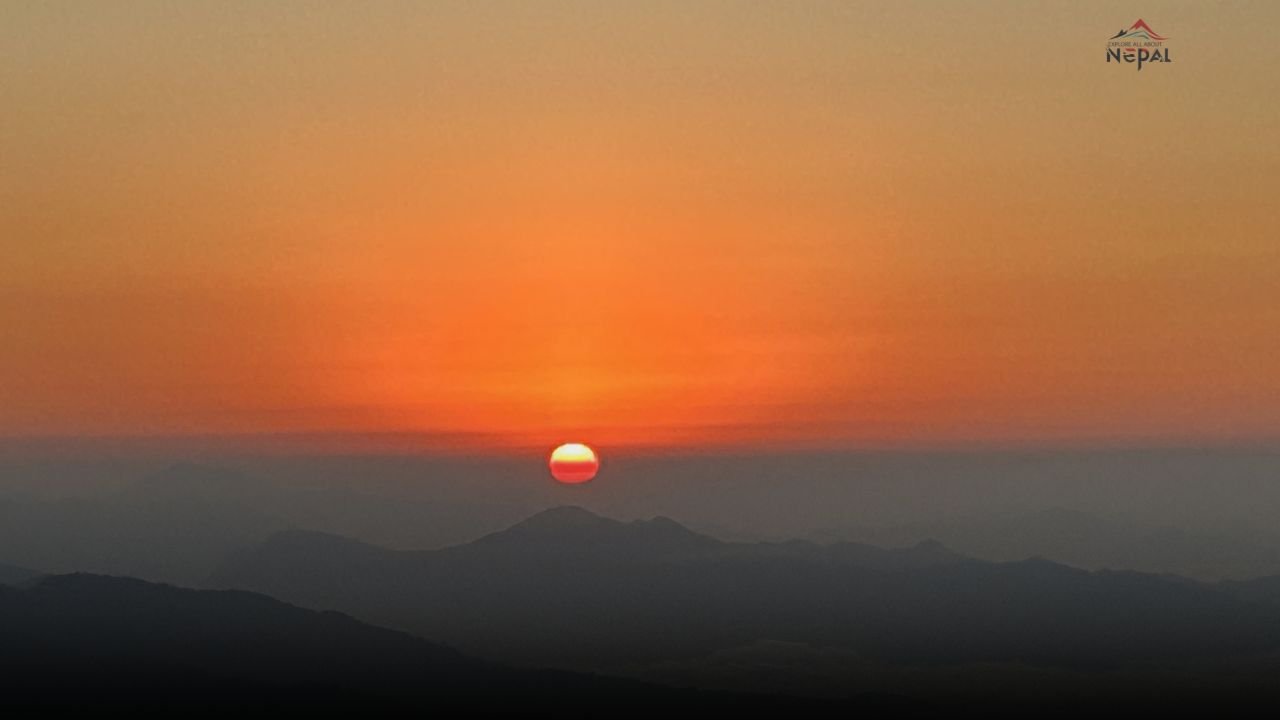
Pokhara Sightseeing
3. World Peace Pagoda (Shanti Stupa)
A pristine white Buddhist stupa perched on a ridge above Phewa Lake, built as part of a global network of peace pagodas. Reachable either by a scenic boat ride across Phewa Lake followed by a 45-minute uphill walk, or by road. The payoff is one of the best combined views in Pokhara the lake below, the city beyond it, and the Annapurna range on the horizon, all from one spot.
Tip: The boat-plus-hike approach is more memorable and avoids the dustier road route, though it takes longer budget half a day if combining both directions.
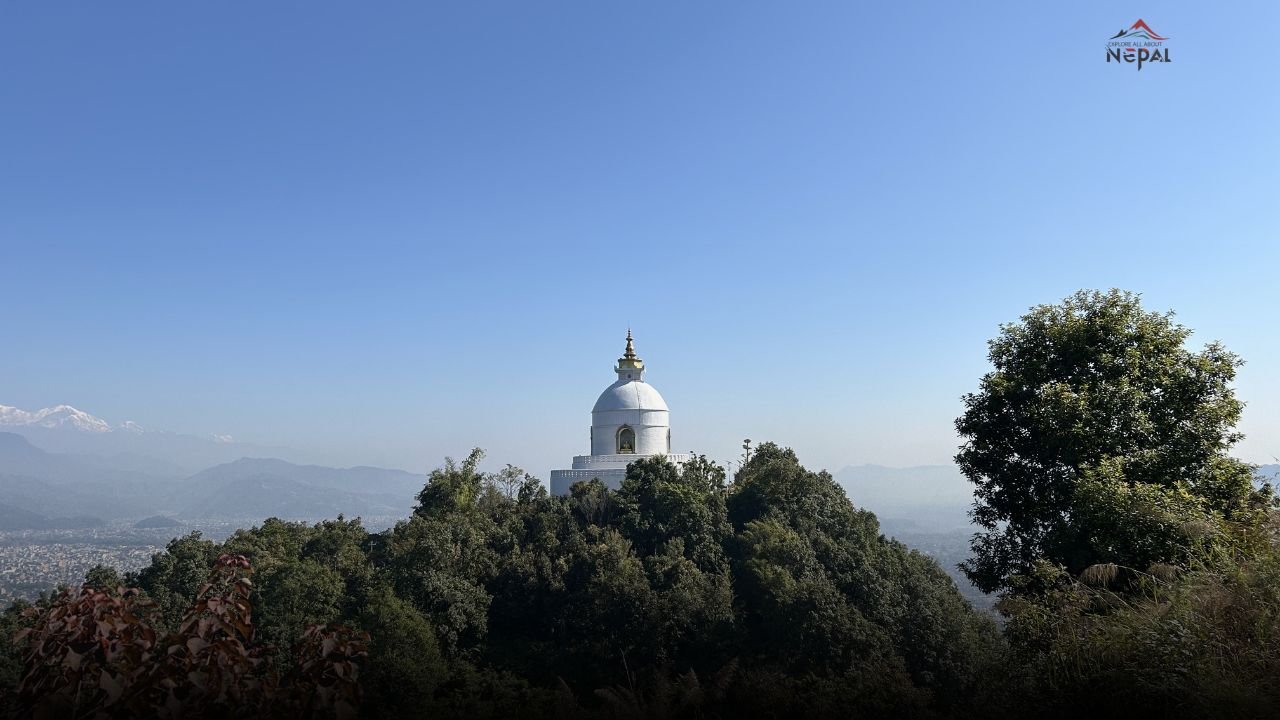
World Peace Pagoda
4. Davis Falls (Patale Chhango)
A dramatic waterfall that disappears underground into a narrow gorge the name comes from a Swiss visitor who reportedly drowned here in the 1960s after being swept into the channel. Conveniently located near Gupteshwor Cave, making the two an easy combined stop. Most impressive during and just after monsoon season (June–September) when water volume is highest.
5. Gupteshwor Mahadev Cave
A significant Hindu cave temple located directly across from Davis Falls, where the same waterfall’s underground channel can be viewed from within the cave system. The cave extends roughly 3 kilometers, though the publicly accessible section is considerably shorter. A small Shiva shrine sits at the cave entrance.
Tip: The cave floor can be slippery and dimly lit sturdy footwear is worth it here more than almost anywhere else on this list
6. International Mountain Museum
Nepal’s primary museum dedicated to mountaineering history, Himalayan geology, and the culture of mountain communities. Genuinely worthwhile if you’re about to trek or have just finished one exhibits cover everything from the history of Everest expeditions to traditional Sherpa and Gurung life. A good rainy-day or rest-day activity.
7. Bindhyabasini Temple
A historic Hindu temple dedicated to the goddess Durga, set on a hilltop in Pokhara’s old bazaar area. Less visited by tourists than the lakeside attractions, which makes it a good stop for those wanting a quieter, more local glimpse of Pokhara’s religious life, away from the main tourist circuit.
8. Begnas Lake
Pokhara’s second major lake, roughly 15 km east of the city center and considerably quieter than Phewa. Begnas sees a fraction of Phewa’s tourist traffic, making it a good choice for travelers who’ve already done the boating experience at Phewa and want a more peaceful alternative, or for a half-day escape from Lakeside’s busier atmosphere.
9. Pokhara Lakeside (Baidam)
The city’s main tourist district, running along Phewa Lake’s eastern shore. Restaurants, bars, gear shops, and the starting point for most paragliding, rafting, and trekking bookings. It’s Pokhara’s equivalent of Kathmandu’s Thamel touristy, but genuinely the most convenient base, and a pleasant place to simply walk along the lake at sunset.
10. Paragliding Over Phewa Lake
Pokhara is one of the world’s best and most accessible paragliding destinations. Tandem flights launch from Sarangkot and soar above Phewa Lake with the Annapurna range as a backdrop no experience necessary, and flights typically run 25–30 minutes. This is consistently rated among the top things to do in Pokhara by visitors. See our things to do in Nepal guide for more on Pokhara’s adventure activities.
11. Bat Cave (Chamero Gufa)
A smaller, less-visited cave near Davis Falls, named for the resident bat colony inside. Less developed than Gupteshwor Cave, with narrower, more adventurous passages a good add-on stop if you’re already in the Davis Falls area and want something slightly off the standard circuit.
12. Old Pokhara Bazaar
Pokhara’s historic town center, away from the lakeside tourist strip narrow streets, traditional Newari-influenced architecture, and a genuinely local market atmosphere. Worth an hour’s wander for travelers who want to see Pokhara beyond its lake and adventure-sports identity.
13. Tal Barahi Temple
A small but significant Hindu temple situated on an island in the middle of Phewa Lake, dedicated to the goddess Barahi. Reachable only by boat, and one of the most-photographed spots in Pokhara the white temple sitting against the lake and mountains makes for one of the city’s defining images.
14. Annapurna Cable Car
A newer way to reach the high ground above Pokhara, the cable car offers an alternative to the road or hike up to Sarangkot-adjacent viewpoints, with panoramic views over the city and lake during the ascent itself.
15. Mahendra Cave
A limestone cave system on the northern edge of Pokhara, less commercialized than Gupteshwor, with stalactite and stalagmite formations. A good option for travelers wanting a genuine, slightly more adventurous cave experience away from the busier tourist stops.
How to Plan Your Pokhara Sightseeing Days
Day 1: Lake and City
Phewa Lake boating (morning) → Tal Barahi Temple → Pokhara Lakeside wandering (afternoon/evening)
Day 2: Viewpoints and Caves
Sarangkot sunrise (early morning) → Davis Falls → Gupteshwor Cave → World Peace Pagoda (afternoon)
Day 3: Beyond the Lake
International Mountain Museum (morning) → Begnas Lake (afternoon) → paragliding if not already done
If you only have one full day, prioritize Phewa Lake, Sarangkot sunrise, and Davis Falls/Gupteshwor Cave together this combination covers Pokhara’s most iconic sights efficiently.
Getting Around Pokhara for Sightseeing
- Taxi: The most practical option for Sarangkot, Begnas Lake, and the museum agree on a price before getting in. Expect $5–$10 for most cross-city trips, more for Sarangkot given the climb.
- Walking: Lakeside, Phewa Lake, and the boat dock to World Peace Pagoda are all easily walkable from most Lakeside accommodation.
- Boat: The most memorable way to reach Tal Barahi Temple and the World Peace Pagoda trailhead.
- Rented scooter: Increasingly popular among independent travelers for reaching Sarangkot and Begnas Lake at your own pace available for rent throughout Lakeside.
Frequently Asked Questions
What are the best places to visit in Pokhara?
Phewa Lake, Sarangkot sunrise viewpoint, the World Peace Pagoda, and Davis Falls with Gupteshwor Cave are the essential sights all reachable within a day or two from central Pokhara.
How many days do you need for Pokhara sightseeing?
Two to three days covers Pokhara’s major sights comfortably, including a sunrise trip to Sarangkot and time for paragliding or boating. One full day is enough to hit the highlights if your schedule is tight.
What time should I go to Sarangkot for sunrise?
Departure time depends on the season roughly 5am in summer and slightly later in winter, to arrive before sunrise with time to find a good viewing spot. Your accommodation or a taxi driver can confirm exact timing for your visit dates.
Is Pokhara worth visiting if I’m not trekking?
Yes. Pokhara’s lake, viewpoints, caves, and adventure activities like paragliding make it a worthwhile destination on its own, independent of any trekking plans.
What is the best time of year to visit Pokhara?
October–November and March–April offer the clearest mountain views and most comfortable weather, matching Nepal’s broader trekking seasons. Davis Falls is most dramatic just after monsoon (September).
Can I see the Annapurna range from Pokhara without trekking?
Yes Sarangkot, the World Peace Pagoda, and even Phewa Lake itself on clear mornings offer genuine Annapurna range views without any trekking required.
How do I get from Phewa Lake to the World Peace Pagoda?
Either by boat across the lake followed by a 45-minute uphill walk, or by road via taxi. The boat-and-hike route is more scenic and is the more commonly recommended approach.
