
Trekking in Nepal is a dream adventure for travelers from around the world. From the legendary Everest Base Camp route to the scenic Annapurna region and remote Himalayan valleys, Nepal offers some of the most rewarding trekking experiences on Earth. However, success and comfort during your journey largely depend on proper preparation. Having the right Packing List for Trekking in Nepal (Complete Checklist) ensures safety, convenience, and an enjoyable trekking experience regardless of season or altitude.
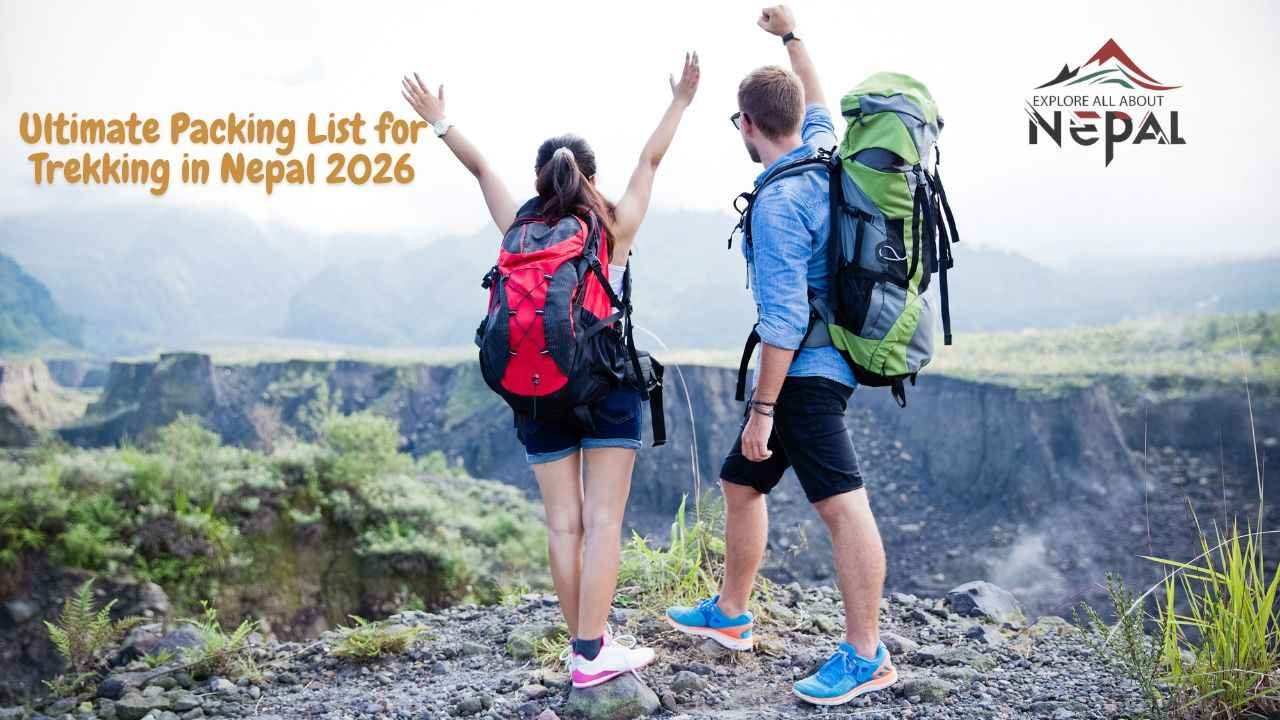
Ultimate Packing List for Trekking in Nepal 2026
Nepal’s trekking environment presents unique challenges. Weather conditions change quickly, temperatures drop dramatically at higher elevations, and facilities become limited in remote regions. Many first-time trekkers either overpack unnecessary items or forget essential gear, creating discomfort during long hiking days.
This detailed guide covers everything you need from clothing and trekking gear to health supplies, electronics, and travel documents helping you prepare confidently for your Himalayan adventure.
1. Essential Clothing for Nepal Trekking
Choosing appropriate clothing is one of the most important parts of any Packing List for Trekking in Nepal (Complete Checklist). Nepal’s climate varies significantly depending on altitude, season, and trekking region. Trekkers often experience warm daytime temperatures followed by freezing nights at higher elevations.
Layering is the golden rule when trekking in Nepal. Instead of heavy clothing, travelers should pack multiple lightweight layers that can be added or removed easily. Base layers help regulate body temperature and wick moisture away during long hikes. Mid-layers such as fleece jackets provide insulation, while outer layers protect against wind and rain.
Key clothing essentials include thermal shirts, trekking pants, quick-dry t-shirts, insulated jackets, waterproof shells, gloves, warm hats, and moisture-wicking socks. Cotton clothing should generally be avoided because it retains moisture and increases discomfort in cold conditions.
Weather in the Himalayas can change rapidly, making adaptable clothing essential. Proper layering ensures trekkers remain comfortable throughout varying temperatures encountered during ascent and descent.
2. Trekking Footwear and Accessories
Footwear plays a critical role in completing any Himalayan trek successfully. A well-prepared Packing List for Trekking in Nepal (Complete Checklist) always prioritizes comfortable and durable trekking boots.
Trekkers should choose waterproof hiking boots with strong ankle support to prevent injuries on uneven mountain terrain. Boots must be properly broken in before arrival to avoid painful blisters during multi-day treks.
In addition to boots, trekking socks made from wool or synthetic materials help regulate temperature and prevent friction. Gaiters may also be useful during snowy or muddy conditions.
Accessories such as trekking poles significantly reduce pressure on knees during steep climbs and descents. Sunglasses with UV protection are equally important due to strong sunlight reflection at high altitude.
Comfortable camp shoes or lightweight sandals provide relief after long trekking days inside lodges or teahouses.
Reliable footwear improves endurance and minimizes injury risks, making it one of the most crucial trekking preparations.
3. Backpacks and Storage Essentials
Selecting the right backpack is another essential component of a smart Packing List for Trekking in Nepal (Complete Checklist). Trekkers typically carry a daypack while porters transport larger duffel bags when hired.
A 30–40 liter daypack works well for carrying daily essentials such as water, snacks, extra clothing layers, documents, and electronics. Proper weight distribution and padded shoulder straps help prevent fatigue during long walking hours.
Waterproof backpack covers are highly recommended since mountain weather changes unexpectedly. Packing cubes or dry bags help organize belongings while protecting equipment from moisture.
Many trekkers underestimate the importance of weight management. Carrying excessive items reduces stamina and increases exhaustion. A lightweight and organized backpack enhances trekking efficiency.
Compression bags are also useful for reducing clothing volume and maximizing space inside luggage.
4. Sleeping Gear and Personal Comfort Items
Although teahouses provide basic bedding, including sleeping gear remains an important part of the Packing List for Trekking in Nepal (Complete Checklist).
A high-quality sleeping bag rated for cold temperatures ensures warmth during freezing nights at higher elevations. Even during peak trekking seasons, nighttime temperatures can drop below zero.
Sleeping bag liners improve hygiene and add insulation. Travel pillows or inflatable neck cushions also enhance comfort after physically demanding days.
Earplugs and eye masks are helpful in busy teahouses where multiple trekkers share rooms.
Personal comfort items such as quick-dry towels, toiletries, biodegradable soap, and wet wipes become extremely valuable in remote areas with limited shower facilities.
Comfort contributes greatly to recovery and energy levels during multi-day trekking adventures.
5. Health, Safety, and First Aid Supplies
Health preparation is essential for trekking success, making medical supplies a vital section of any Packing List for Trekking in Nepal (Complete Checklist).
Trekkers should carry a personal first aid kit containing bandages, antiseptic cream, blister treatment, pain relievers, and altitude sickness medication recommended by healthcare professionals.
Hand sanitizer, water purification tablets, sunscreen, and lip balm protect against environmental exposure.
Hydration systems such as reusable bottles or hydration bladders help maintain proper fluid intake critical for altitude acclimatization.
Preventive care reduces the likelihood of minor health issues becoming serious problems during remote trekking journeys.
6. Electronics and Photography Equipment
Modern trekkers often bring technology for navigation, communication, and photography. Electronics remain an important category within the Packing List for Trekking in Nepal (Complete Checklist).
Essential devices include smartphones, cameras, power banks, charging cables, and universal travel adapters. Solar chargers or high-capacity battery packs are useful since electricity access becomes limited at higher altitudes.
Headlamps or LED torches are necessary for early morning hikes or nighttime lodge use.
Trekkers should conserve battery power by switching devices to airplane mode when not in use.
Capturing Himalayan landscapes requires preparation, but electronics should remain lightweight and weather-protected.
7. Travel Documents and Permits
Documentation is often overlooked but remains critical in the Packing List for Trekking in Nepal (Complete Checklist).
Required documents include:
Passport copies
Travel insurance documents
Trekking permits
TIMS card
Emergency contact details
Keeping digital and physical copies ensures accessibility during checkpoints.
Waterproof folders protect important paperwork from damage.
Proper documentation guarantees smooth travel throughout protected trekking regions.
8. Food, Snacks, and Hydration Essentials
Energy management is essential during long trekking days. A balanced Packing List for Trekking in Nepal (Complete Checklist) includes lightweight snacks providing quick nutrition.
Popular trekking snacks include energy bars, nuts, chocolate, electrolyte powders, and dried fruits. These items help maintain stamina between meals served at teahouses.
Reusable bottles reduce plastic waste while ensuring hydration throughout the journey.
Adequate nutrition supports endurance and recovery during physically demanding treks.
9. Seasonal Packing Considerations
Nepal’s trekking seasons greatly influence packing requirements. A flexible Packing List for Trekking in Nepal (Complete Checklist) adjusts based on travel timing.
Spring and autumn require layered clothing and sun protection, while winter trekking demands heavier insulation and thermal gear. Monsoon trekking requires waterproof equipment and quick-drying clothing.
Understanding seasonal variations prevents unnecessary discomfort.
10. Smart Packing Tips for First-Time Trekkers
Many beginners make mistakes by overpacking. A practical Packing List for Trekking in Nepal (Complete Checklist) focuses on essentials rather than luxury items.
Choose multipurpose gear, minimize weight, and test equipment before travel.
Experienced trekkers recommend packing only what you truly need for safety and comfort.
Efficient packing improves mobility and enjoyment throughout the Himalayan journey.
Preparing properly with a well-organized Packing List for Trekking in Nepal (Complete Checklist) can transform your trekking adventure from challenging to truly unforgettable. Nepal’s mountains reward preparation, patience, and smart decision-making. The right gear ensures comfort during long hiking days, warmth during cold nights, and safety across changing terrain.
Many trekking difficulties arise not from the trail itself but from poor packing choices. Carrying unnecessary weight reduces energy, while forgetting essential items may create avoidable risks. Thoughtful preparation allows trekkers to focus on breathtaking landscapes, cultural encounters, and personal achievement rather than logistical problems.
Whether trekking to Everest Base Camp, Annapurna Circuit, or lesser-known Himalayan routes, packing wisely enhances both safety and enjoyment. Travelers who plan ahead often experience smoother acclimatization, better rest, and greater confidence throughout their journey.
Ultimately, trekking in Nepal is not only a physical adventure but also a deeply rewarding life experience. With the correct preparation and packing strategy, visitors can fully embrace the beauty, serenity, and challenge of the Himalayas while creating memories that last a lifetime.
