


Introduction: Discovering Tripura Sundari Temple Nepal
Nepal is a land steeped in spirituality, ancient temples, and sacred pilgrimage sites, and among its most revered destinations is the Tripura Sundari Temple Nepal located in the Dolakha District. Often simply referred to as Tripura Sundari Temple Dolakha, this ancient shrine draws devotees, history lovers, and travelers from across Nepal and beyond. It is a symbol of devotion, architectural heritage, and cultural continuity.
Situated amidst serene hills and surrounded by lush natural beauty, Tripura Sundari Temple Nepal stands out as a shrine of divine feminine worship and promises a spiritually uplifting experience. Whether you are planning a pilgrimage, a cultural tour, or a heritage expedition, this guide will take you through everything you need to know about this sacred site.
In this complete guide, we will explore the history, significance, architecture, festivals, travel logistics, cultural experiences, local food, and practical travel advice for visitors to Tripura Sundari Temple Nepal and the surrounding Dolakha region.
History of Tripura Sundari Temple Nepal
The Tripura Sundari Temple Nepal has ancient origins, deeply rooted in Hindu mythology and local traditions. The temple is dedicated to Goddess Tripura Sundari, an incarnation of Goddess Parvati and a manifestation of the divine feminine power known as Shakti. She is worshipped as the goddess of beauty, prosperity, and spiritual enlightenment.
According to legend, the temple was established centuries ago by local devotees who experienced divine visions of the goddess in the region. Early inhabitants believed the deity of Tripura Sundari Temple Nepal protected the hills and valleys, safeguarding the community and bringing blessings to all who worshipped her.
Over the years, the temple has undergone restorations and renovations, particularly after natural events like earthquakes that have impacted the region. Yet, the core sanctity and spiritual essence of Tripura Sundari Temple Nepal remain untouched, preserving its ancient charm and devotional importance.
Significance and Spiritual Beliefs
The Tripura Sundari Temple Nepal is revered not only for its religious significance but also for its spiritual symbolism. The goddess Tripura Sundari is associated with supreme beauty and cosmic harmony, often depicted as a youthful and radiant deity whose blessings are sought for:
- Spiritual clarity and wisdom
- Protection from negative influences
- Personal and family prosperity
- Healing and emotional peace
Devotees believe that visiting Tripura Sundari Temple Nepal with a pure heart and devotional intent can bring profound spiritual benefits, strengthen one’s faith, and deepen one’s connection to the divine.
Local traditions suggest that the temple radiates a serene energy that comforts the heart and uplifts the soul — a feature that attracts both worshippers and spiritual seekers.
Architecture and Sacred Features
The design of Tripura Sundari Temple Nepal blends traditional Nepali temple architecture with local artistic motifs. As you approach the temple, you’ll notice:
Carved Wooden Pillars and Beams
These are intricately decorated with floral patterns, mythical creatures, and sacred symbols representing divine attributes.
Pagoda‑Style Roof
The temple’s multi‑tiered roof is typical of traditional Nepali shrines, symbolizing a connection between heaven and earth.
Sanctum Sanctorum (Garbhagriha)
Inside the inner chamber resides the idol or symbolic representation of the goddess, adorned with flowers, garlands, and sacred offerings.
Prayer Flags and Bells
Colorful prayer flags flutter in the mountain breeze, carrying blessings and messages of peace. Bells at the entrance are rung by devotees as a sign of respect and invocation.
The architectural elements of Tripura Sundari Temple Nepal not only reflect cultural artistry but also illustrate deep spiritual symbolism rooted in Hindu cosmology.
Festivals and Rituals at Tripura Sundari Temple Nepal
One of the greatest ways to experience the authentic culture of Tripura Sundari Temple Nepal is during festival celebrations. The temple draws large crowds during auspicious occasions when devotees gather for prayer, community feasts, and ritual observances.
Major Festivals:
1. Dashain
This is Nepal’s most significant festival, attended by thousands of worshippers at Tripura Sundari Temple Nepal. Devotees seek the goddess’s blessings for prosperity and protection.
2. Tihar (Deepawali)
The festival of lights is celebrated with lamps, offerings, and cultural performances around the temple grounds.
3. Teej
Primarily observed by women, this festival includes fasting, singing, and dancing to honor divine femininity and marital bliss.
4. Maha Shivaratri
While mainly a Shiva festival, devotees also visit Tripura Sundari Temple Nepal to pay homage due to the goddess’s connection with Lord Shiva.
During these festivals, the temple complex becomes a hub of colorful decorations, traditional music, and devotional energy that connects the community and visitors in shared celebration.
Where Tripura Sundari Temple Nepal Is Located
Tripura Sundari Temple Nepal is located in the Dolakha District, which lies in the hilly eastern part of Bagmati Province. Dolakha is well known for its blend of natural beauty, historical sites, and rich religious heritage — making it an excellent destination for pilgrims and culture lovers alike.
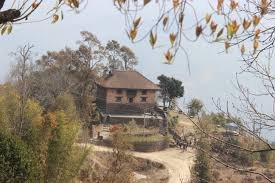
The site is nestled among rolling hills, green terraced fields, and panoramic views of Himalayan ridges in the distance. The quiet surroundings enhance the spiritual ambiance of Tripura Sundari Temple Nepal, offering a peaceful environment for prayer, reflection, and sightseeing.
Despite its serene and somewhat remote setting, the temple is accessible from major travel hubs in Nepal, making it a convenient destination for domestic and international visitors.
How to Reach Tripura Sundari Temple Nepal
Visiting Tripura Sundari Temple Nepal in Dolakha District is an enriching journey, combining culture, scenic beauty, and spiritual exploration. Here’s a complete guide to reach the temple step by step:
By Road from Kathmandu
The most convenient way to reach Tripura Sundari Temple Nepal is by road from Kathmandu, the capital city of Nepal.
- Distance & Duration: The temple is approximately 130–140 kilometers east of Kathmandu. By private car, taxi, or tourist jeep, the journey typically takes 5–7 hours, depending on road conditions.
- Route: The most common route is via Kodari Highway or Araniko Highway, passing through picturesque hills, terraced farmlands, and rivers.
- Experience: The drive itself is scenic, offering glimpses of rural Nepalese life, local markets, and small villages. Travelers can enjoy stops along the way for photography, tea, or snacks.
Tip: Hiring a local driver familiar with Dolakha roads can make your journey safer and more comfortable.
Public Transport
For budget travelers or those seeking a local experience, public transport is a good option.
- From Kathmandu: Buses and microvans leave regularly from Koteswor, Gongabu, and Ratna Park bus stations. These vehicles head toward Dolakha Bazaar or Charikot, the nearest towns to the temple.
- From Charikot: After reaching Charikot, local taxis, shared jeeps, or minibuses can take you directly to Tripura Sundari Temple Nepal.
- Duration: Public transport may take 6–8 hours, depending on traffic, stops, and road conditions.
Tip: Travel early in the morning to avoid crowded buses and enjoy the scenic views along the way.
On Foot – Trekking Routes
For adventure enthusiasts, trekking to Tripura Sundari Temple Nepal is an excellent option, allowing you to experience Dolakha’s natural beauty and local culture up close.
- Starting Points: Some trails start from Charikot, Dolakha Bazaar, or nearby villages, connecting you through hillside paths, forests, and small hamlets.
- Distance & Duration: Light trekking routes can take 2–5 hours depending on the starting point and pace. Longer trekking options can be combined with visits to Bigu Gompa Dolakha trekking route or Kalinchowk Bhagwati Temple, creating a full-day or multi-day adventure.
- Experience: On foot, travelers pass through terraced fields, rhododendron forests, and traditional Nepali villages, interacting with locals and observing cultural practices.
Tip: Wear comfortable trekking shoes, carry water, and dress in layers, as the weather can change quickly in the hills.
Step-by-Step Travel Summary
- Plan Your Route: Decide whether you want a road trip, public transport, or trekking adventure.
- Reach Dolakha or Charikot: By private car, bus, or jeep.
- Local Transport or Trekking: From Charikot or Dolakha Bazaar, take a taxi/jeep or start trekking along marked trails.
- Arrival: Reach Tripura Sundari Temple Nepal, explore the temple, and enjoy the surrounding scenic views.
- Optional Nearby Visits: Combine your visit with Bigu Gompa Dolakha trekking, Dolakha Bhimsen Mandir, or Kalinchowk Bhagwati Temple.
Best Time to Visit Tripura Sundari Temple Nepal
The best seasons to visit Tripura Sundari Temple Nepal are spring (March to May) and autumn (September to November). During these periods:
✔ Weather is pleasant and clear
✔ Mountain views are crisp and bright
✔ Festivals and cultural events are frequently held
✔ Roads and trails are easy to navigate
Winters can be cold and the monsoon season can make some roads slippery, so travelers may find spring and autumn more comfortable for their visit to Tripura Sundari Temple Nepal.
Visiting Etiquette and Tips
When visiting Tripura Sundari Temple Nepal, it’s important to be respectful of local customs and temple etiquette:
Dress Modestly
Wear modest clothing that covers shoulders and knees, especially when entering the temple complex.
Remove Footwear
As with many temples in Nepal, it’s customary to remove shoes before entering sacred areas.
Photography Conduct
Be mindful if photography is restricted in certain areas, especially inside inner sanctums or during rituals.
Respect Ritual Practices
Observe and participate only where appropriate; many rituals have deep cultural significance.
These simple practices ensure a respectful and enriching experience at Tripura Sundari Temple Nepal.
Local Food and Culture Around Tripura Sundari Temple Nepal
Visiting Tripura Sundari Temple Nepal also provides an opportunity to explore the local culture and cuisine of the Dolakha region.
🍛 Local Dishes to Try
- Dal Bhat – Nepal’s staple meal of rice, lentils, and vegetables.
- Dhido – Traditional highland food made from local grains.
- Sel Roti – Sweet rice bread often enjoyed during festivals.
- Momo – Himalayan dumplings popular throughout Nepal.
🏘 Cultural Experiences
The Dolakha region is rich in local traditions. Villagers often welcome visitors with warmth and hospitality. You may encounter traditional singing, dancing, and handicrafts unique to the area near Tripura Sundari Temple Nepal.
These cultural elements add depth and richness to your visit, making it more than just a sightseeing trip.
Other Places to Go Trekking Near Tripura Sundari Temple Nepal
While visiting Tripura Sundari Temple Nepal, adventure seekers can also explore several trekking routes and scenic trails in the Dolakha District. These treks offer a combination of cultural immersion, natural beauty, and Himalayan landscapes.
Bigu Gompa Trek
The trek to Bigu Gompa is ideal for those looking for a moderate, spiritual adventure. Passing through terraced fields, traditional Tamang villages, and pine forests, trekkers can enjoy serene views of the Himalayas while visiting the peaceful Buddhist monastery. This trek perfectly complements a visit to Tripura Sundari Temple Nepal.
Kalinchowk Trek
Kalinchowk Bhagwati Temple is accessible via a scenic trekking route. The Kalinchowk trek is especially popular in winter when snow blankets the trails, offering breathtaking Himalayan vistas. Trekkers also experience traditional villages, rhododendron forests, and panoramic views of peaks like Gaurishankar.
Charikot to Dolakha Trek
For those who want a slightly longer trek, the route from Charikot to Dolakha passes through rural villages, terraced farmland, and small local markets. This trek provides an authentic glimpse of daily life in Dolakha and allows visitors to witness local culture up close.
Jiri – Dolakha Trek
Connecting Dolakha with nearby Jiri, this trek is famous among those seeking off-the-beaten-path Himalayan routes. Trekkers pass through traditional villages, dense forests, and river valleys, with views of snow-capped peaks in the distance.
Other Short Hillside Trails
Several short trails around Tripura Sundari Temple Nepal allow for light hiking and scenic walks. These routes are ideal for families, casual trekkers, or pilgrims who want to explore the surrounding natural beauty without committing to longer treks.
Visiting these trekking spots along with Tripura Sundari Temple Nepal allows travelers to experience the full diversity of Dolakha — from spiritual pilgrimages to Himalayan adventure. Each trek offers unique landscapes, cultural encounters, and the chance to connect deeply with the natural and spiritual essence of this region.
Significance of Tripura Sundari Temple Nepal Today
Today, Tripura Sundari Temple Nepal continues to be one of the most important religious sites in the Dolakha District. It attracts devotees from all over Nepal and neighboring countries who come to seek blessings, fulfill vows, and participate in the temple’s rich spiritual life.
The temple’s blend of ancient traditions, cultural heritage, and serene surroundings makes it a meaningful destination for both religious pilgrims and cultural travelers.
Tripura Sundari Temple Nepal is a sacred and culturally rich destination that reflects Nepal’s deep spiritual roots, artistic heritage, and natural beauty. From its ancient origins to the vibrant festivals and scenic landscapes, this temple offers a journey that feeds both the soul and the senses. Visiting this temple in Dolakha District provides more than a ritual — it becomes an exploration of culture, faith, and Himalayan heritage.
If you are planning a trip rooted in spirituality, culture, and natural beauty, Tripura Sundari Temple Nepal should be at the top of your travel list.
For more travel experiences and destination guides, you can visit https://exploreallaboutnepal.com/. For further historical context and reference, you may also explore reliable external resources like https://en.wikipedia.org/wiki/Tripura_Sundari.
