

Pashupatinath Shiva Temple in Nepal at sunrise with devotees
Nepal is a land where spirituality and natural beauty merge seamlessly. Among its sacred treasures, the Shiva temple in Nepal holds a special place for devotees and travellers alike. From the bustling streets of Kathmandu to serene mountain villages, these temples are hubs of devotion, history, and culture. Nepal’s landscape is dotted with hundreds of temples dedicated to Lord Shiva, each reflecting centuries of devotion, artistry, and local legends. Visiting a Shiva Temple in Nepaltravellers to witness traditional rituals, hear local folklore, and experience festivals that date back hundreds of years
Whether you are a pilgrim, a culture enthusiast, or a traveller seeking mystical experiences, understanding the heritage, rituals, and spiritual significance of the Shiva temple will enrich your journey. This guide explores 10 breathtaking Shiva temple in Nepal, offering travel tips, legends, architectural insights, and pilgrimage routes. Following a spiritual trail of Shiva Temples in Nepal across Kathmandu, Gorkha, and Dhading allows travellers to experience history, legends, and devotion.
Why Visit Shiva Temple in Nepal
Nepal, as the birthplace of many Hindu traditions, is home to countless Shiva temple in Nepal, each representing a unique facet of the god Shiva. These shiva temple in Nepal are not just religious sites; they are cultural hubs where festivals, rituals, and local traditions thrive.
Visiting these temples allows travellers to:
Experience ancient rituals and festivals
Witness stunning architecture and sculptures
Understand Nepalese legends and mythology
Combine spiritual visits with trekking and cultural exploration
For planning purposes, you can also refer to Best Himalayan Photography Locations to capture scenic shots near major temples.
1. Pashupatinath Temple, a Famous Shiva Temple in Nepal, Kathmandu
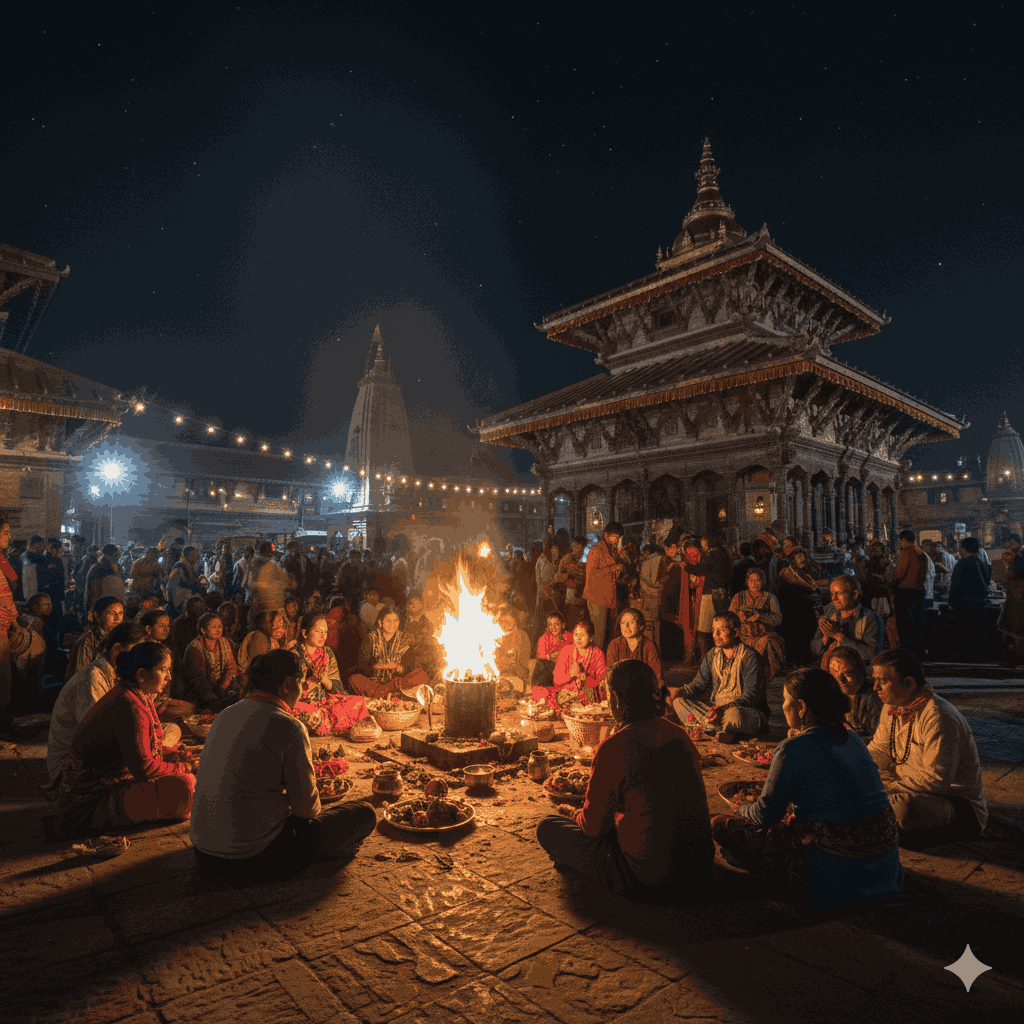
Maha Shivaratri rituals at Pashupatinath Shiva Temple in Nepal
Historical Context: Pashupatinath, a UNESCO World Heritage Site, is one of the most revered Shiva temple in Nepal globally. It is believed to have been established in the 5th century, with multiple renovations over centuries. Archaeologists have found inscriptions and ancient manuscripts mentioning the temple as far back as the 5th century CE, making it one of the oldest Shiva Temple in Nepal.
Legend: According to Hindu mythology, Lord Shiva appeared here in the form of a deer, leading to the temple’s sanctity. It is considered the abode of the god in his most powerful form.
Rituals and Festivals: Maha Shivaratri attracts thousands of devotees who perform night-long prayers, chant mantras, and offer milk, fruits, and bilva leaves. Following a spiritual trail of Shiva Temples in Nepal across Kathmandu, Gorkha, and Dhading allows travellers to experience history, legends, and devotion.
Architecture: The temple features pagoda-style roofs, intricately carved wooden pillars, and a golden spire. Its sacred courtyards and ghats along the Bagmati River add to its grandeur.
Local Experiences: Witnessing cremation rituals on the Bagmati ghats is a moving experience, showing the cycle of life and death in Hindu philosophy. Local markets around Pashupatinath offer traditional offerings and souvenirs. During local festivals, devotees gather at the Shiva Temple in Nepal in Panauti to perform fire rituals, accompanied by traditional music and folk dances that reflect centuries-old Newar traditions
Travel Tips: Visit early morning for a quieter experience. Nearby hotels in Thamel provide comfortable accommodation, and guided tours can explain the temple’s legends.
More about Kathmandu Valley Heritage Sites
2. Swayambhunath and the Hidden Shiva Temples in Nepal
While primarily known as a Buddhist stupa, Swayambhunath hosts several small Shiva shrines within its complex. These represent the syncretism of Hinduism and Buddhism in Nepal.
Legend: Locals believe Shiva meditated here, blessing the valley with spiritual energy.
Architecture: Miniature shrines with stone carvings and prayer wheels complement the stupa’s golden spire.
Travel Tips: Combine a visit with nearby Hanuman Dhoka Palace to explore both Hindu and Buddhist cultural heritage.
Explore More Cultural Sites in Kathmandu
3. Reputed Shiva Temple in Nepal, Manakamana Temple, Gorkha

Manakamana Shiva Temple in Nepal viewed from cable car
Historical Context: Dedicated to the wish-fulfilling goddess Bhagwati, Manakamana also hosts significant Shiva idols. Established centuries ago, it is a key pilgrimage destination. Visitors often pair their trekking adventure with a visit to Manakamana, a revered Shiva Temple in Nepal, in Gorkha.
Legend: Shiva is believed to have visited the site to bless devotees seeking protection and prosperity.
Architecture: Traditional pagoda structure atop a hill, accessible via cable car offering panoramic Himalayan views.
Local Experiences: Devotees perform traditional pujas and offer fruits and flowers. Local markets provide unique handicrafts.
Travel Tips: Best visited during the festival season; cable car tickets can be booked online.
4. Budhanilkantha, Historic Shiva Temple in Nepal

Budhanilkantha Shiva Shrine in Nepal
Historical Context: Known for the giant reclining Vishnu statue, Budhanilkantha includes Shiva shrines within its complex. It dates back to the Licchavi period.
Legend: Shiva is worshipped here as part of local tantric practices, harmonizing with Vishnu and other deities.
Rituals and Festivals: Shivaratri celebrations involve night-long chanting and ritual baths.
Architecture: Stone sculptures, intricately carved doors, and natural spring-fed ponds create a tranquil environment.The temple combines stone craftsmanship with symbolic Hindu iconography, making it one of the most photogenic Shiva Temple in Nepal. Tourists often marvel at the intricate carvings on the pillars depicting Shiva’s stories.
Local Experiences: Interact with priests and learn about local tantric rituals.
More on Religious Sites in Nepal
5. Koteshwor Mahadev: Ancient Shiva Temple in Nepal
Historical Context: Koteshwor Mahadev is an ancient Shiva temple with references in medieval manuscripts.
Legend: Shiva is believed to have appeared to sages meditating here, granting boons and wisdom.
Architecture: Stone construction with pagoda roofs; colorful murals depict Hindu myths.
Rituals and Festivals: Large crowds gather during Shivaratri; devotees perform ritual fasting and offerings.
Travel Tips: Easily accessible from central Kathmandu; local guides provide historical tours.Travellers often combine their visit to this Shiva Temple in Nepal with a cable car ride, which offers stunning views of the surrounding Gorkha hills, making it both a spiritual and scenic experience.”
6. Panauti Shivapuri,Lesser-Known Shiva Temple in Nepal
Historical Context: Situated near the town of Panauti, this Shiva temple is a blend of medieval and modern construction styles.
Legend: Shiva is said to have meditated here, giving spiritual energy to the surrounding settlements.
Architecture: Pagoda-style temple with stone carvings, surrounded by lush forest.
Local Experiences: Traditional rituals include fire offerings and local festivals with folk music.
Travel Tips: Best visited in the morning; trekking nearby hills offers scenic views.
7. Changu Narayan: Shiva Temples in Nepal within a Vishnu Complex
Although primarily dedicated to Vishnu, Changu Narayan has multiple Shiva shrines embedded within the complex.
Historical Context: Dating back to the 4th century, it is the oldest temple in Nepal.
Architecture: Intricate wood and stone carvings; pagoda-style multi-tiered roofs.
Rituals: Special pujas during festivals where Shiva idols are venerated alongside Vishnu.
Local Experiences: Interact with local devotees, learn about ancient Nepalese temple architecture.
More on Changu Narayan History
8. Santeshwar: Traditional Shiva Temple in Nepal, Lalitpur
Historical Context: Located in Lalitpur, this temple is centuries old and central to Newar traditions.
Legend: Shiva here is believed to protect local communities from calamities.
Architecture: Stone base with wooden roof carvings; small but culturally rich.
Local Experiences: Festivals involve traditional dances and communal feasts.
Newar Cultural Heritage in Lalitpur
9. Nilkantha Mahadev: Remote Shiva Temple in Nepal
Historical Context: Ancient Shiva temple overlooking the Trishuli River; historically a pilgrimage for local kings.
Legend: Shiva is believed to have stopped here to meditate, giving blessings to travelers and merchants.
Architecture: Elevated temple with stone stairs and a pagoda roof; panoramic views of surrounding mountains.
Travel Tips: Combine with a rafting trip on the Trishuli River.
10. Kailashnath Mahadev: Iconic Shiva Temple in Nepal

Kailashnath Mahadev Shiva Temple in Nepal with massive statue
Historical Context: One of the tallest Shiva statues in the world; it includes a temple at the base.
Legend: Symbolizes Lord Shiva’s cosmic power; pilgrims visit to pay respects and meditate.
Architecture: Massive Shiva statue with detailed carvings; surrounding gardens and meditation spots.
Local Experiences: Participate in guided meditation sessions and local cultural programs.
Pilgrimage Routes and Travel Planning
For a comprehensive spiritual journey, consider these routes:
Kathmandu Valley Route: Pashupatinath → Budhanilkantha → Koteshwor Mahadev → Swayambhunath
Central Hills Route: Manakamana → Panauti → Changu Narayan
Western/Northern Route: Nilkantha → Kailashnath Mahadev → Mountain trekking spots
Combine temple visits with guides and local homestays for enriched experiences. Check Nepal Travel Safety Tips for weather and transportation advice.
Festivals and Rituals
Maha Shivaratri: Largest festival, night-long vigils, fasting, and prayers
Teej Festival: Women fast and visit Shiva temple for marital bliss
Daily Pujas: Early morning rituals, bell ringing, and offerings of fruits and flowers
Understanding these helps travellers plan visits during peak spiritual periods.
Temple Architecture Insights
Nepalese Shiva temple follow:
Pagoda style: Multi-tiered roofs, intricately carved wood and stone
Shikhara style: Tower-like temples in some regions
Mixed designs: Modern renovations combined with medieval architecture
Architecture reflects spiritual symbolism, local craftsmanship, and historical evolution.
Practical Travel Tips
Best Season: October–December for clear skies; February–April for trekking combos
Accommodation: Kathmandu, Lalitpur, and Pokhara offer budget to luxury options
Safety: Respect local customs; check CAAN for aerial travel guidelines if combining with scenic flights (CAAN)
Local Guides: Enhance understanding of legends and rituals; hire certified guides
Frequently Asked Questions (FAQs)
Q1: Are all Shiva temple in Nepal open year-round?
A1: Most temples are accessible year-round, but mountain temples may close during monsoon.
Q2: Do I need a local guide to visit Shiva temple?
A2: Guides enrich your experience with legends, architecture insights, and navigation.
Q3: Can foreigners participate in rituals?
A3: Yes, but follow temple etiquette, dress codes, and avoid disrupting devotees.
Q4: Are there fees for entering these temples?
A4: Some heritage sites like Pashupatinath, may charge a nominal entry fee.
Q5: What is the best time to plan a pilgrimage?
A5: Autumn (October–November) for festivals and clear weather; spring (March–April) for trekking combos.
Visiting Shiva temple in Nepal offers a profound journey into history, spirituality, and culture. From ancient legends to breathtaking architecture, each temple tells a unique story. Following proper planning, respecting local customs, and choosing the right travel routes ensures an unforgettable pilgrimage experience.
By exploring these shiva temple in Nepal, participating in festivals, and connecting with local devotees, travellers gain deeper insight into Nepal’s spiritual heart while enjoying its stunning natural landscape
