
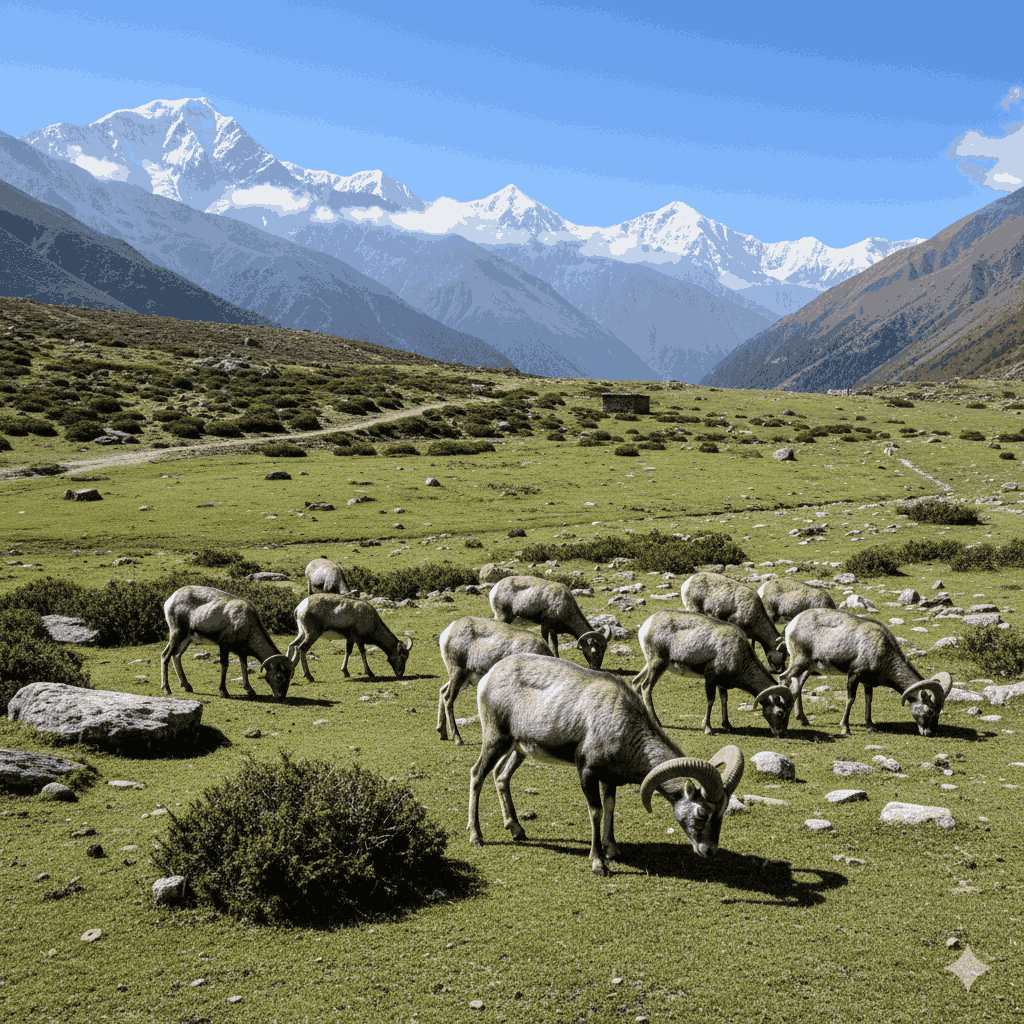
Hunting in Nepal: scenic view of Dhorpatan Hunting Reserve with Himalayan mountains
Hunting in Nepal is often misunderstood by travellers, wildlife enthusiasts, and even locals. While Nepal is globally known for national parks, rare wildlife, and strict conservation policies, many people are surprised to learn that hunting is not entirely banned but instead carefully regulated and geographically restricted.
Unlike countries where hunting is recreational, hunting exists only as a controlled conservation activity. The government allows hunting solely within one designated area under strict monitoring. This system aims to balance wildlife population management, conservation funding, and community livelihood support.
This in-depth guide explains everything about hunting, including where it is legal, which animals are allowed, how permits work, conservation impacts, ethical debates, and alternatives for travellers who prefer wildlife-friendly experiences.
Is Hunting in Nepal Legal?
Yes, hunting in Nepal is legal, but only under very strict conditions.
Hunting is illegal across the entire country except in one specific location: Dhorpatan Hunting Reserve. Any hunting activity outside this reserve is considered poaching and is punishable by severe penalties, including fines, imprisonment, and confiscation of weapons and equipment.
Nepal’s wildlife protection is governed by the National Parks and Wildlife Conservation Act, which prioritizes biodiversity preservation. Controlled hunting is permitted only when it supports conservation goals and does not threaten wildlife populations.
To understand where hunting is completely prohibited, refer to
protected areas of Nepal
Dhorpatan Hunting Reserve: The Only Place for Legal Hunting in Nepal
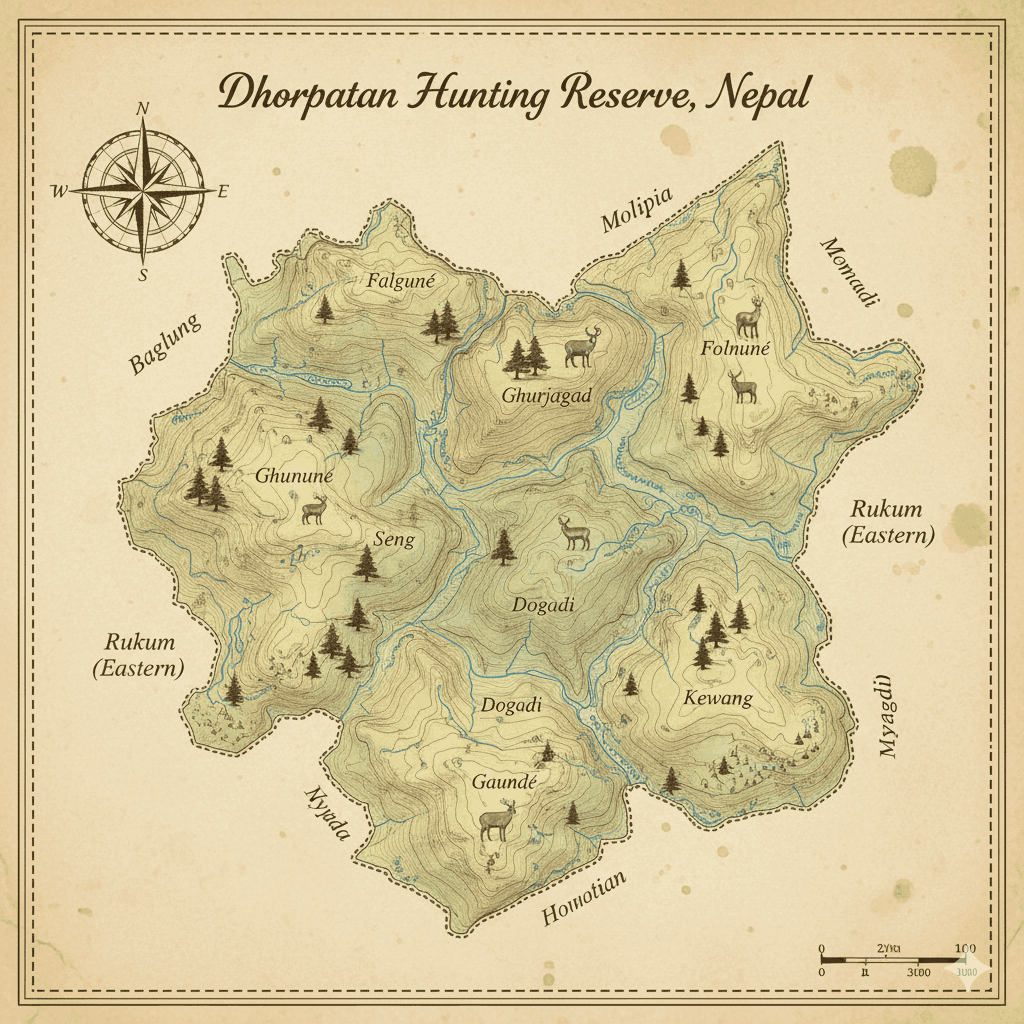
Map of Dhorpatan Hunting Reserve for Hunting in Nepal showing legal hunting areas
Dhorpatan Hunting Reserve is the only legal hunting zone in Nepal. Established in 1987, it is located in western Nepal across the Baglung, Myagdi, and Rukum districts and covers more than 1,300 square kilometers.
Unlike national parks that focus purely on preservation, Dhorpatan was designed specifically for regulated hunting in Nepal. The reserve is divided into several hunting blocks, and each block has clearly defined seasonal quotas.
Hunting activities are allowed only during approved seasons and under direct supervision. This system ensures that hunting does not disturb breeding cycles or damage ecosystems.
To understand how Dhorpatan differs from other conservation areas, explore
national parks of Nepal
Why Hunting in Nepal Is So Strictly Controlled
Nepal is home to some of the world’s most sensitive ecosystems, including Himalayan alpine zones, subtropical forests, and endangered species habitats. Because of this, hunting is treated as a last-resort wildlife management tool, not a sport.
Strict controls exist to:
Prevent species extinction
Maintain ecological balance
Stop illegal wildlife trade
Protect international conservation commitments
Nepal has gained global recognition for conservation successes such as increasing tiger and rhino populations. Any hunting policy must align with these achievements.
Species Allowed Under Hunting in Nepal
Only non-endangered species with stable populations are permitted under hunting. Species lists and quotas are reviewed annually based on wildlife surveys.
Commonly permitted species include:
Blue sheep (Bharal)
Himalayan tahr
Wild boar
Serow
Certain deer species
Endangered and protected species such as snow leopards, red pandas, musk deer, one-horned rhinos, and Bengal tigers are strictly protected, and hunting them is a serious criminal offense.
For more on protected species, read
endangered wildlife of Nepal
Permit System for Hunting in Nepal
Hunting in Nepal official permit and required documentation for legal hunting
The permit system is central to how hunting is regulated. Permits are issued by the Department of National Parks and Wildlife Conservation (DNPWC).
Official authority:
https://dnpwc.gov.np
Who Can Apply?
Foreign hunters (through licensed outfitters)
Nepali citizens (under specific quotas)
Conservation-approved hunting groups
Independent hunting is not allowed. All hunting must be organized through registered agencies and supervised by government officials.
Required Documents
Permit application form
Species and block selection
Passport or citizenship documents
Firearm clearance
Conservation fee payment
Cost of Hunting in Nepal
Hunting in Nepal is intentionally expensive to limit participation and fund conservation.
Typical costs include:
Species permit fees
Hunting block access charges
Conservation and monitoring fees
Guide, porter, and logistics costs
For international hunters, total costs can range between USD 5,000 to USD 25,000, depending on species and duration.
Revenue from hunting directly supports:
Wildlife monitoring
Anti-poaching patrols
Habitat protection
Local community development
Conservation Role of Hunting in Nepal
While controversial, hunting in Nepal contributes to conservation funding when managed responsibly.
Funds generated are used for:
Wildlife population surveys
Community conservation programs
Forest protection initiatives
Local employment
This model reduces illegal poaching by giving communities a financial stake in protecting wildlife.
Learn more about conservation-linked tourism through
sustainable tourism in Nepal
Ethical Debate Around Hunting in Nepal
Hunting in Nepal sparks strong ethical debate.
Supporters argue:
It provides conservation funding
It controls overpopulation
It benefits local communities
It reduces illegal hunting
Critics argue:
Killing wildlife is unethical
Eco-tourism offers better alternatives
Wildlife viewing generates long-term income
Nepal attempts to address these concerns through transparency, quotas, and international oversight.
International Oversight and Conservation Partnerships
Nepal aligns hunting policies with global conservation frameworks such as:
IUCN guidelines
CITES wildlife protection agreements
World Wildlife Fund Nepal
https://www.wwfnepal.org
IUCN Nepal
https://www.iucn.org/regions/asia/nepal
These partnerships ensure hunting does not violate international conservation standards.
Hunting in Nepal vs Poaching

Hunting in Nepal monitored by anti-poaching patrols in protected reserves
Understanding the difference between legal hunting and poaching is essential.
| Legal Hunting in Nepal | Poaching |
|---|---|
| Government permits | Illegal |
| Limited quotas | Unlimited killing |
| Conservation-funded | Wildlife crime |
| Monitored | Unregulated |
Nepal enforces some of South Asia’s strongest anti-poaching laws.
Community Benefits of Hunting in Nepal
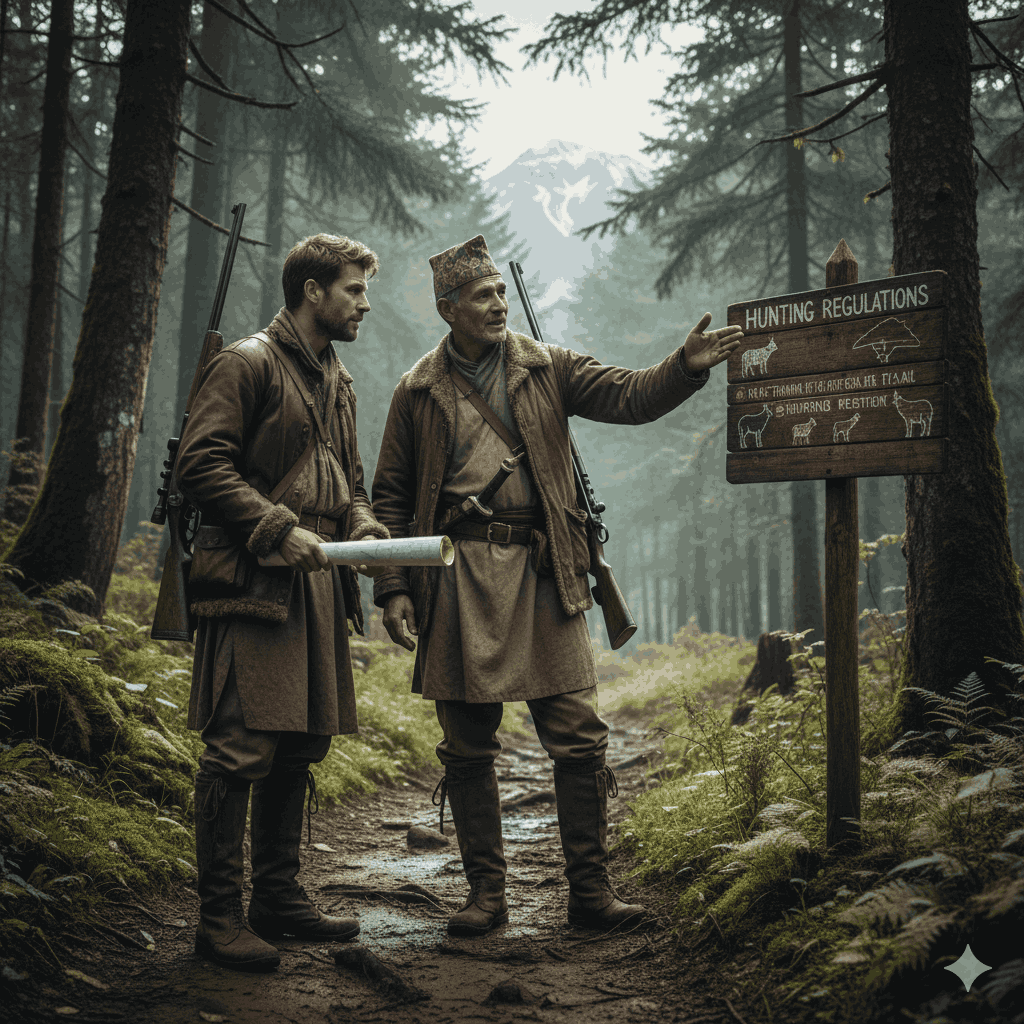
Hunting in Nepal guided by local expert in Dhorpatan Hunting Reserve
Communities around Dhorpatan benefit directly from hunting in Nepal through:
Employment as guides and trackers
Revenue-sharing programs
Infrastructure development
Reduced human-wildlife conflict
This approach encourages locals to protect wildlife rather than exploit it illegally.
Alternatives to Hunting in Nepal
For visitors who prefer non-lethal wildlife experiences, Nepal offers excellent alternatives:
Jungle safaris
Wildlife photography
Birdwatching
Conservation volunteering
Destinations like Chitwan and Bardia provide ethical wildlife encounters.
Explore
wildlife tourism in Nepal
Frequently Asked Questions (FAQs)
Is hunting in Nepal legal for foreigners?
Yes, but only in Dhorpatan Hunting Reserve with official permits.
Can locals hunt freely in Nepal?
No, locals must also follow permits and quotas.
Are endangered animals hunted in Nepal?
No, endangered species are fully protected.
Is hunting in Nepal ethical?
It depends on perspective; Nepal treats it as a conservation funding tool.
Is poaching common in Nepal?
Poaching exists but is actively controlled through strict enforcement.
Conclusion
Hunting in Nepal is not recreational, widespread, or unregulated. It is a highly controlled conservation mechanism, limited to one reserve and governed by strict laws designed to protect biodiversity while supporting local communities.
Whether one supports or opposes hunting, it is important to understand that the system prioritizes conservation, transparency, and sustainability. For most visitors, Nepal’s wildlife is best experienced through ethical tourism and conservation-based travel. However, within its tightly regulated framework, hunting remains a legally recognized activity tied directly to conservation goals.
