

How Nepal is working for conservation of Tiger, showcasing a Bengal tiger in Nepal’s protected jungle with conservationists monitoring the habitat.
In 2026, the global conservation community is looking at one nation as a beacon of hope for endangered species. The story of How Nepal is working for conservation of Tiger has become an international masterclass in biodiversity restoration. From the lush lowlands of the Terai to the high-altitude forests of the Himalayas, the tiger’s roar is louder than it has been in a century. By nearly tripling its population from 121 in 2009 to 355 in 2022, and reaching an estimated 362 in 2025, Nepal has proven that political will and community engagement are the ultimate tools for survival.
This success is not just a numerical achievement but a result of a deep, multi-layered strategy. Whether you are a wildlife enthusiast or a traveler visiting a picnic spot in Nepal for tourists, understanding the efforts behind this recovery is essential to appreciating Nepal’s natural heritage. This guide explores exactly How Nepal is working for conservation of Tiger through policy, technology, and people.
1. Political Will: The Foundation of Success
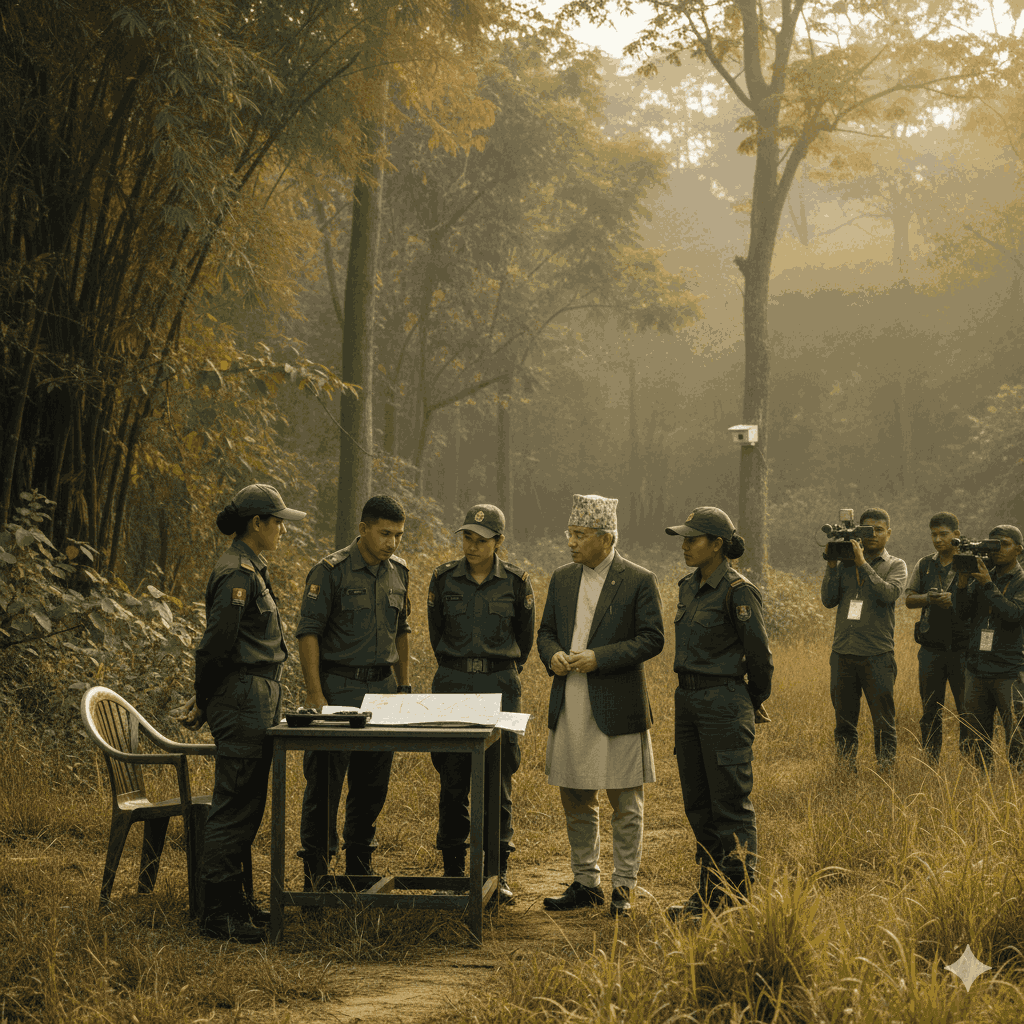
How Nepal is working for conservation of Tiger through government leadership and policy commitment
The journey of How Nepal is working for conservation of Tiger begins at the very top. Unlike many nations where wildlife is a secondary concern, Nepal has placed tiger conservation at the center of its national identity. The Prime Minister of Nepal personally chairs the National Tiger Conservation Committee (NTCC). This high-level oversight ensures that conservation policies are not stuck in bureaucracy but are implemented with urgency.
When we analyze How Nepal is working for conservation of Tiger, we see that the government’s commitment to the St. Petersburg Declaration of 2010 was the catalyst. While other tiger-range countries struggled, Nepal met and exceeded the goal of doubling its wild tiger population by 2022. This was achieved by integrating wildlife protection into national development plans and securing the geography of Nepal through a network of protected areas.
2. A Fortress of Protection: National Parks and Corridors

How Nepal is working for conservation of Tiger through protected areas and wildlife corridors in Nepal’s national parks.
Central to How Nepal is working for conservation of Tiger is the strategic management of its five major tiger-bearing protected areas: Chitwan, Bardia, Banke, Parsa, and Shuklaphanta. These parks provide the core habitat required for the Royal Bengal Tiger to hunt, breed, and thrive.
However, a park is only as good as its connectivity. How Nepal is working for conservation of Tiger involves the creation of the Terai Arc Landscape (TAL), a massive transboundary corridor that allows tigers to move safely between Nepal and India. These corridors are vital for genetic diversity, preventing the inbreeding that often plagues isolated wildlife populations. By protecting these corridors, Nepal is ensuring that the flora and fauna of Nepal remain vibrant and healthy.
3. Technology in the Jungle: The Modern Ranger
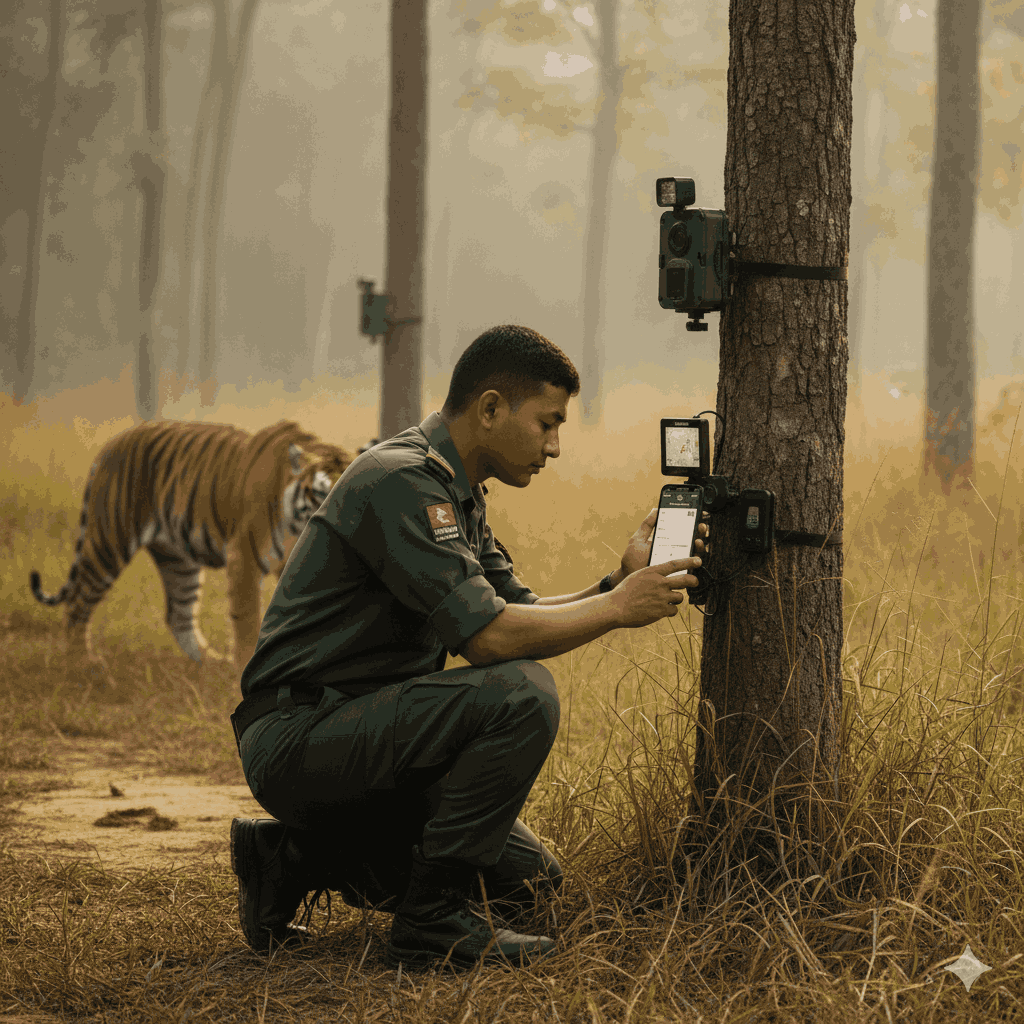
How Nepal is working for conservation of Tiger using modern technology like camera traps and GPS tracking in Nepal’s forests.
If you want to know How Nepal is working for conservation of Tiger on the ground, look at the technology being deployed. In the 2025-2026 tiger census, the Department of National Parks and Wildlife Conservation deployed over 1,100 motion-activated camera traps. These “digital eyes” allow scientists to identify individual tigers by their unique stripe patterns—similar to human fingerprints.
Furthermore, How Nepal is working for conservation of Tiger includes the use of SMART (Spatial Monitoring and Reporting Tool) patrolling. Rangers and the Nepal Army use GPS-enabled devices to track their patrol routes, log sightings, and report suspicious activity in real-time. This tech-heavy approach has made poaching nearly impossible, leading to multiple “Zero Poaching Years” for tigers and rhinos.
4. Community-Based Conservation: The Heart of the Effort
Perhaps the most inspiring part of How Nepal is working for conservation of Tiger is the involvement of local communities. The “Buffer Zone” model ensures that 30% to 50% of the revenue generated from park entry fees goes directly back to the people living on the edges of the forest.
When people benefit from the tiger’s presence, they become its fiercest protectors. How Nepal is working for conservation of Tiger relies on Community-Based Anti-Poaching Units (CBAPUs). These are groups of local youth who volunteer to patrol their own forests, dismantle snares, and educate their neighbors about the importance of the tiger. This transformation of “poachers to protectors” is a key reason for Nepal’s success.
5. Mitigating Human-Tiger Conflict
As populations rise, so does the risk of conflict. How Nepal is working for conservation of Tiger now focuses heavily on coexistence. The government has implemented a fast-track relief fund to compensate families for livestock losses or injuries caused by tigers.
Education is also a major factor in How Nepal is working for conservation of Tiger. Programs teach villagers how to behave when entering forest areas and provide alternative energy sources like biogas to reduce the need for people to enter deep jungles for firewood. If you are a traveler looking for the best camera for professional photography and videography to capture these big cats, you will see firsthand how the local guides prioritize safety and respect for the tiger’s domain.
6. Economic Benefits: Tiger Tourism
The economic aspect of How Nepal is working for conservation of Tiger cannot be overlooked. The Bengal Tiger is a major draw for high-value tourists. In places like Bardia and Chitwan, tiger-based tourism has created thousands of jobs for guides, lodge owners, and artisans.
This “green economy” proves that a living tiger is worth far more than a dead one. By promoting ethical wildlife viewing, How Nepal is working for conservation of Tiger provides a sustainable financial model that funds future conservation efforts. Even a simple trip to a picnic spot in Nepal for tourists near these zones helps contribute to the local economy that supports these magnificent predators.
7. The 2026 Vision: Tiger Diplomacy and Beyond
Looking ahead, How Nepal is working for conservation of Tiger is entering a phase of “Tiger Diplomacy.” There are discussions about gifting surplus tigers to other range countries to help restart their populations. This shows the confidence Nepal has in its management systems.
The 2026 National Tiger Census will be the ultimate report card for How Nepal is working for conservation of Tiger. With new high-altitude sightings in districts like Ilam, it appears the tiger is expanding its range into areas previously thought impossible. This range expansion is a direct result of How Nepal is working for conservation of Tiger through habitat restoration and prey-base management.
Frequently Asked Questions (FAQ)
Exactly how Nepal is working for conservation of Tiger in the high-altitude regions? Nepal has recently recorded tigers at nearly 3,000 meters. The government is now working to protect these high-altitude corridors to allow tigers to escape the heat of the plains and follow prey into cooler areas.
What role does the Nepal Army play in how Nepal is working for conservation of Tiger? The Nepal Army provides 24/7 security within the core areas of the national parks. Their presence acts as a massive deterrent to organized poaching syndicates.
Is it safe to visit areas where Nepal is working for conservation of Tiger? Yes, as long as you use licensed guides and follow park regulations. Tourism is a vital part of How Nepal is working for conservation of Tiger, and safety protocols are strictly enforced.
How Nepal is working for conservation of Tiger regarding prey species? Conservation isn’t just about the tiger; it’s about their food. Nepal manages vast grasslands and waterholes to ensure high densities of deer and wild boar, which are essential for a healthy tiger population.
Where can I see the results of how Nepal is working for conservation of Tiger? Bardia National Park and Chitwan National Park are the best places to witness the success of these programs. You can even read about the best film cameras in 2026 if you want to capture these moments on traditional film.
The global community has much to learn from How Nepal is working for conservation of Tiger. Through a combination of political bravery, cutting-edge technology, and a deep partnership with local communities, Nepal has turned the tide for the Royal Bengal Tiger.
As we move through 2026, the challenge remains to manage the success of having so many big cats in a small country. However, the history of How Nepal is working for conservation of Tiger suggests that the nation is more than capable of finding the balance between human prosperity and wildlife preservation. The tiger’s roar is a reminder that with the right approach, nature can always stage a comeback.
