
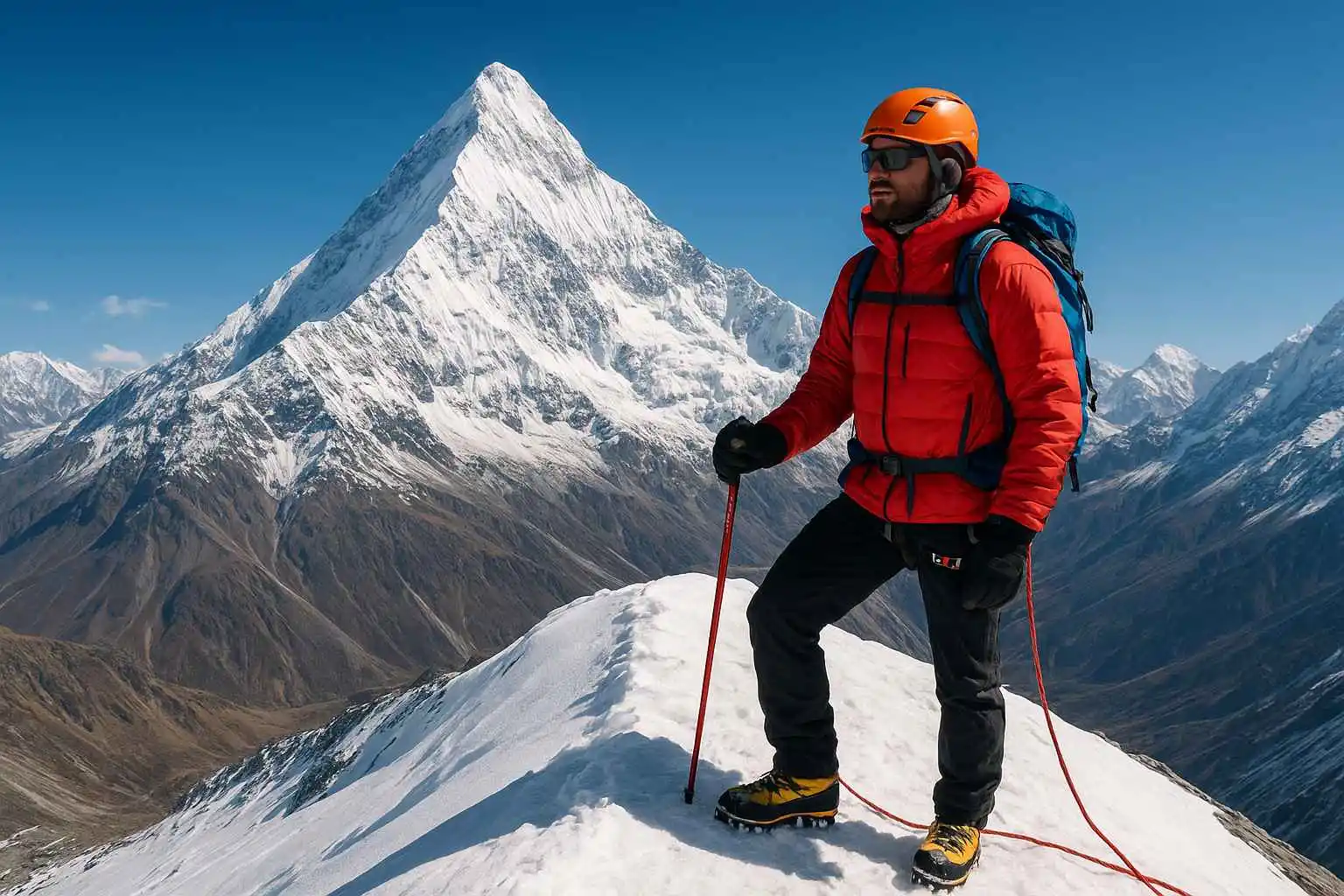
Chulu East Peak Climbing
If you’re looking for a Himalayan adventure that combines stunning landscapes, cultural immersion, and a real mountaineering challenge then Chulu East Peak climbing should be high on your list. Nestled in the remote Manang valley, Chulu East rises to 6,584 metres (21,601 ft), offering panoramic views of the mighty Annapurna, Dhaulagiri, Manaslu and other Himalayan giants.
Unlike the crowded “tourist‑peaks,” this expedition offers a perfect mix part classic trekking through the Marsyangdi valley, part technical alpine climb. Below, I’ll walk you through everything you need to know about Chulu East Peak climbing from when to go, what to expect, and how to maximize your chances of reaching the summit.
Why Chulu East Peak Climbing Is Special
Majestic Himalayan Views & Diverse Landscapes
From the summit of Chulu East, you get sweeping vistas across multiple Himalayan ranges — Annapurna II, III, IV, Gangapurna, Glacier Dome, Dhaulagiri, Tilicho Peak and Manaslu are all part of the magical panorama.
The approach trek before climbing gives you a rich variety of terrain and ecosystems: from lush subtropical valleys along the Marsyangdi River, to rhododendron and pine forests, then to high alpine zones and glacial moraines.
Along the way you’ll also encounter traditional Tibetan‑Buddhist villages, ancient monasteries, and authentic Himalayan culture giving your climb a travel‑meets‑cultural journey vibe rather than just a mountaineering expedition.
A “Trekking Peak” with Real Climb Quality
Chulu East is categorized as a permitted trekking / climbing peak in Nepal, but don’t be fooled the climb is serious and demanding.
The standard route is via the North‑East (or North‑West / Northeast‑Ridge, depending on itinerary) ridge, starting from a base camp in the Manang valley high moraine.
The climb includes glacier crossings, snow and ice slopes, mixed terrain on snow, ice, moraine and rock requiring technical gear (crampons, ice‑axe, rope, harness) and alpine skills (glacier travel, rope work, basic mountaineering).
So while it’s more accessible than some of the 7,000 m+ Himalayan expeditions, Chulu East Peak climbing still demands good physical fitness, mental resilience, and proper acclimatization.
In short: Chulu East is a “best of both worlds” peak offering a Himalayan summit experience for trekkers with ambition, but without the extreme demands of higher 7–8 k peaks.
When to Climb: Best Seasons & What to Avoid
Timing is critical for a successful and safe Chulu East Peak climbing expedition.
Best Seasons: Spring (March–May) and Autumn (September–November)
Spring: As winter fades and snow stabilizes, trails open up and the weather becomes milder. Daytime can be comfortably cool while nights remain cold good for trekking and acclimatization.
Autumn: Post‑monsoon clarity delivers arguably the most breathtaking Himalayan views. Clear skies, stable weather, and crisp visibility make autumn a favorite among climbers.
When to Avoid: Monsoon (June–August) & Deep Winter (December–February)
Monsoon brings heavy rain, slippery trails, frequent landslides making both trekking and climbing unsafe and unpleasant.
Winter introduces extreme cold, heavy snowfall, high avalanche risk, and drastically low temperatures at altitude not ideal for a safe summit push.
In short for the best experience, aim for a spring or autumn expedition.
Typical Itinerary — What to Expect on a Chulu East Expedition
Here’s a common structure of a Chulu East Peak climbing route and itinerary, including approach trek, climbing, and descent.
| Phase | What Happens |
|---|---|
| Approach Trek (Annapurna / Marsyangdi Valley) | Starting from Besisahar (or Kathmandu/Pokhara via road), trek through villages like Chamje, Dharapani, Bagarchhap, Chame, Pisang gradually gaining elevation while enjoying river valley, villages, forests. |
| Entering Manang Valley towards Base Camp | Pass through high‑altitude villages such as Ngawal or Manang. This leg acclimatizes you, helps adjust to thinner air before climbing proper. |
| Base Camp (~5,300 m) | Set on a moraine plateau north‑east ridge. Stay here a night or two to acclimatize. Final preparations, gear check. |
| High Camp (often ~5,800–5,900 m) | After glacier / moraine / snow slope high camp readies you for summit push. Sleep well, check weather, prepare early start. |
| Summit Day Chulu East Peak (6,584 m) | Very early start (often pre-dawn). Traverse ridges, snow & ice slopes, possible crevasses. Final push along the ridge to summit. Celebrate panoramic Himalayan views. |
| Descent & Return via Annapurna Circuit / Thorung La / Muktinath / Jomsom / Pokhara (or reverse trek) | Descend carefully; many expedition packages continue through the classic route — crossing passes like Thorung La (5,416 m), trekking to Muktinath, Jomsom, then exit via Pokhara. |
Depending on your schedule and pace, the full trip (approach trek + climb + descent) often spans 18–22 days.
Technical Difficulty, Gear & Fitness — What You Need to Know
Difficulty & Technical Nature
Chulu East Peak climbing is often rated “PD+” (on the French–Swiss alpine grading scale) meaning it’s more technical than a casual trekking peak but easier than a full “AD/Alpine Difficult” climb.
The climb involves glacier travel, snow and ice slopes, mixed terrain (snow, moraine, rock), ridge work, and possible crevasses all requiring proper alpine gear and knowledge.
You’ll need to be comfortable with: using crampons, ice‑axe, ropes and harnesses, snow/ice navigation, glacier awareness, and to have a good cardio & stamina especially since summit day requires sustained physical effort at high altitude.
What Gear Is Essential
Make sure you have (or rent) standard high-altitude alpine equipment:
Crampons
Ice axe
Climbing harness + ropes + carabiners
Helmet (recommended)
Four-season mountain tent / or expedition-style tents (if camping)
Warm down sleeping bag (rated for –20 °C or colder for summit night)
Layered clothing: base-layers, insulated jacket, windproof outer shell, gloves, warm hat, etc.
Glacier goggles / sunglasses, sunscreen (UV is intense at these altitudes)
Trekking boots compatible with crampons
Many climbing agencies operating Chulu East Peak climbing will provide or help rent gear for you but it helps if you’re familiar with using them.
Physical Fitness & Acclimatization
Chulu East is not a walk in the park. To maximize progress and minimize risk of altitude sickness, you should:
Have experience in trekking / high-altitude walking previous Himalayan trekkers adapt faster
Be comfortable with long walking days (6–8 hours on trail), then hours of climbing on summit day
Allow enough days for gradual acclimatization, especially after passing 4,000 m sudden ascents increase risk of altitude sickness (AMS)
Be mentally prepared snow & ice, cold weather, thin air, long hours it’s a mountaineering challenge, not a simple trek
Many expedition companies who offer Chulu East Peak climbing packages include proper acclimatization days, provide experienced Sherpa guides, and have safety protocols to reduce risks.
Permit, Logistics & How to Plan
Permits & Requirements
To climb Chulu East, you’ll need the relevant climbing permits:
A Chulu East Peak Climbing Permit (as it is a “trekking peak” recognized by Nepali authorities)
Entry permit for the region typically an Annapurna Conservation Area Permit (ACAP) + TIMS card (Trekker’s Information Management System), depending on route and rules.
If you go through a trekking / expedition agency, they normally handle permit procurement, guide/porter arrangements, food, tents, etc. But if you’re going independently, ensure these are sorted before you start.
Logistics: How to Get There & Route Overview
Most expeditions start from Besisahar (reachable from Kathmandu or Pokhara via road), then begin trekking along the Marsyangdi valley.
Trek through villages Chamje, Dharapani, Bagarchhap, Chame, Pisang gradually ascending into Manang valley and alpine zone.
Approach to Base Camp (on a moraine plateau near the North‑East ridge) provides acclimatization opportunities. Then move to High Camp, and attempt summit from there.
Many expeditions descend via the classic route cross paths through Thorung La Pass (5,416 m), then continue to Muktinath, Jomsom and finally exit via Pokhara. This gives a rewarding circular route: climb + classic trekking circuit.
Cost, Duration & Typical Itinerary Length
Typical trip length for Chulu East Peak climbing + approach trek + descent is 18–22 days (or sometimes ~20 days) depending on acclimatization schedule and pace.
Climbing difficulty is graded “Moderate to Challenging.” While the base trail is like a trek, the final ascent involves technical climbing — flexing both your trekking endurance and mountaineering skills.
If you go with a professional expedition operator, plan for costs that typically include: guide & porter support, climbing gear (or rental), permits, food and accommodation (teahouses + tents), safety support. Depending on operator and services, costs vary; make sure high-altitude insurance is included (especially for rescue / helicopter evacuation).
Risks, Challenges & What to Prepare For
Climbing Chulu East is rewarding but also comes with real risks and demands. Here are some of the main challenges:
Altitude & Acclimatization
At 6,584 m, the oxygen level is far lower than at sea level which means your body needs time to adjust. Many agencies emphasize incremental altitude gain, rest days, and gradual ascent to avoid altitude sickness (AMS). Skipping acclimatization or rushing can lead to serious health risks always plan carefully and not push too fast.
Technical Terrain — Snow, Ice, Glacier Travel
The Chulu East Peak Climbing involves glacier crossings, snow/ice slopes, crevasses, moraine and rocky terrain. One must be comfortable with technical gear: crampons, ice‑axe, ropes, anchor work, etc. Lack of experience or poor technique significantly increases risks. Also, weather at high altitude is unpredictable. Winds, snowstorms, sudden temperature drops can make conditions harsh. Proper layering, gear, weather‑monitoring and contingency plans are must.
Physical and Mental Demand
Long days of trekking and climbing (on some days 6–9 hours, on summit day perhaps 10+ hours), thin air, cold it’s a test of endurance, strength, and mental resilience. Your body and mind need to be well-prepared. Basic alpine skills, prior trekking experience (preferably in Himalaya), and good cardio conditioning will make a big difference.
Logistics & Safety — Gear, Insurance, Guides
It’s strongly recommended to go with an experienced guide / expedition group especially if it’s your first high-altitude climb. They’ll manage camps, navigate tricky sections, monitor acclimatization, and handle emergencies.
Also, ensure you have climbing/trekking insurance that covers high-altitude rescue, medical emergencies, helicopter evacuation if needed. Many standard travel insurances don’t cover above 5,000–6,000 m.
Tips for a Successful Chulu East Peak Climb
Based on what works for most climbers & guides, here are some practical tips to boost your chance of success:
Take time to acclimatize properly — don’t rush. Incremental altitude gain and rest days are key.
Train before you go — cardio, endurance hikes, leg strength, maybe some basic snow/ice training if possible.
Familiarize with alpine gear & skills — crampons, ice‑axe, rope work, glacier travel. If you’re new, take a short course or join a training climb first.
Choose the right season — spring or autumn — better weather, more stable conditions, clearer skies.
Go with experienced guides and a proper agency — logistics, safety, weather monitoring, rescue readiness all matter.
Pack smart — warm layered clothes, four‑season tents or down sleeping bags, sunglasses/goggles, gloves, extra food — weather can change quickly.
Monitor health & altitude sickness symptoms carefully — rest, hydrate, don’t push if feeling unwell.
Plan for flexibility — summit attempts often depend on weather, health, acclimatization sometimes you may need reserve days.
Be conscious of environmental impact — dispose of waste properly, follow “leave no trace”, respect local culture and nature.
Who Should Attempt Chulu East Peak Climbing?
Chulu East is ideal for:
Experienced trekkers who want to make their first step into Himalayan mountaineering.
Intermediate climbers seeking a “real Himalayan summit” that’s challenging but not extreme 7–8 k expedition.
Adventure seekers who love a mix of trekking, culture (villages, mountain communities), and technical climbing.
Anyone ready to commit ~3 weeks, with decent fitness, mental resilience, willingness to learn, and respect for mountain safety.
If you’re new to mountains and high-altitude trekking consider doing a few easier treks first (especially above 4,000–5,000 m) before attempting Chulu East Peak climbing.
Sample Itinerary (20-Day Plan) — Chulu East Peak Climbing + Annapurna Circuit Exit
Here’s a sample 20‑day plan combining approach, climb and descent via classic route. You can adjust days for acclimatization or add buffer days depending on group size, pace, and weather.
Kathmandu → drive to Besisahar → begin trek to Bulbule
Trek through villages: Jagat → Chamje → Dharapani → Bagarchhap
Bagarchhap → Chame (enter Marsyangdi valley)
Chame → Pisang → Ngawal / Manang (rest day for acclimatization)
Manang → Yak Kharka → Base Camp (~5,300 m)
Rest / acclimatization at Base Camp
Base Camp → High Camp (~5,800–5,900 m)
Acclimatization / gear prep at High Camp
Summit Day: High Camp → Summit Chulu East (6,584 m) → return to Base Camp / High Camp (depending on plan)
10–11. Begin descent: Chulu East area → rejoin Annapurna Circuit trail → toward Thorung La passCross Thorung La (5,416 m) → Muktinath → Jomsom
Jomsom → Pokhara (flight or drive + bus)
Pokhara → Kathmandu (or continue travel as per your plans)
This itinerary mixes cultural trekking, village‑stay experience, and the summit push giving a holistic Himalayan adventure.
Why Chulu East Should Be On Every Adventure‑Seeker’s List
It delivers real Himalayan mountaineering without the overwhelming demands of 7,000 m+ peaks.
Offers a blend: culture + trekking + climbing + panoramic Himalayan views + natural diversity + adventure.
Great training ground: even if you don’t summit, you’ll return with stronger experience in altitude, gear usage, and Himalayan terrain.
If successful, summiting Chulu East is a huge confidence booster—and an unforgettable memory.
For many climbers, Chulu East Peak climbing becomes the gateway into more ambitious Himalayan expeditions a first “6,500 m+ success” that shapes a lifetime of mountain journeys.
If you’re willing to commit the time, effort, and preparation Chulu East Peak climbing promises one of the most rewarding Himalayan experiences out there. It demands respect, preparation, and humility, but rewards you with breathtaking vistas, alpine challenge, cultural immersion, and a profound sense of achievement.
Whether you are a seasoned trekker or an aspiring mountaineer, Chulu East stands as a solid, exhilarating option bridging trekking and climbing in the heart of Nepal’s Himalayas. Prepare well, climb smart, and you might just stand on its summit one day, watching the sunrise over the Annapurna and Damodar Himal ranges.
