
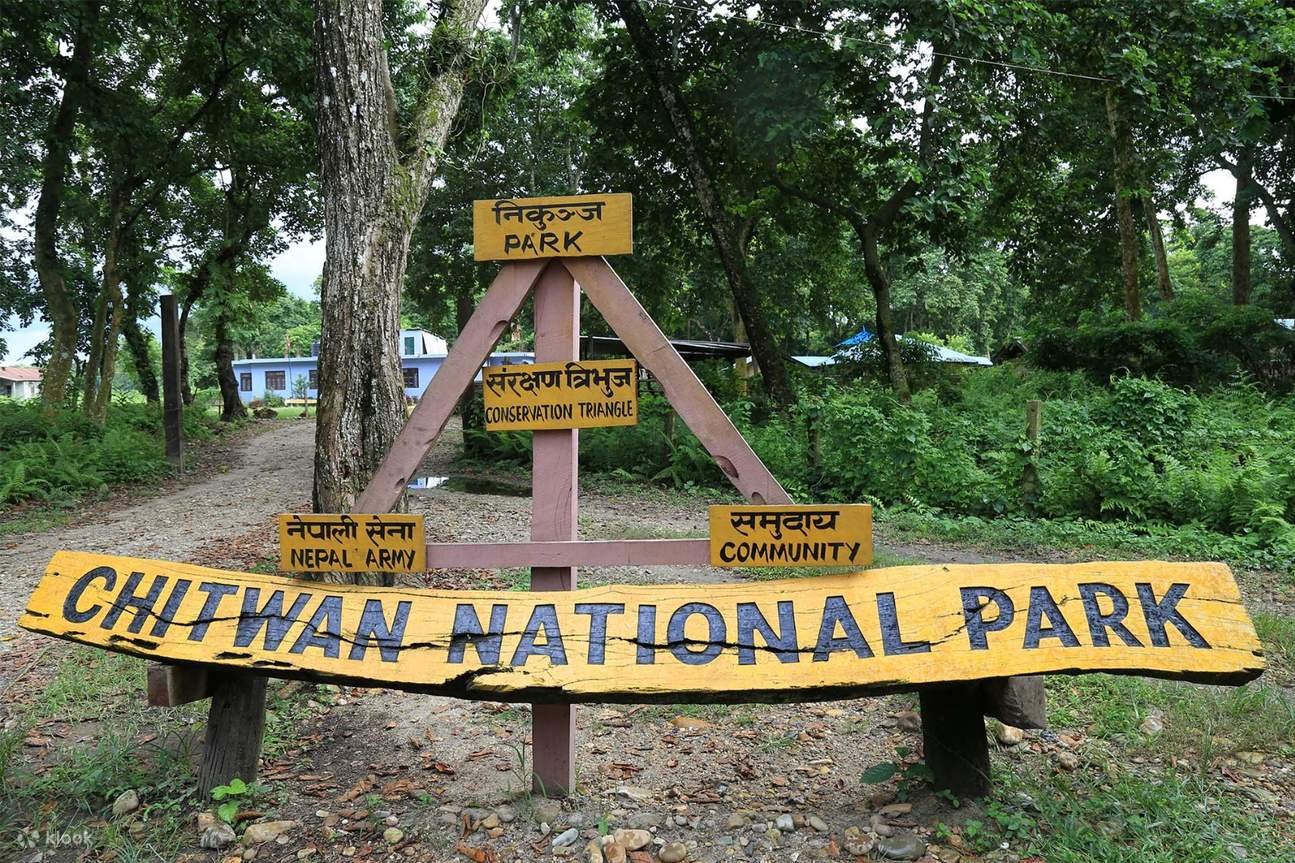
Chitwan National Park Safari Guide
Nestled in the lush Terai plains of southern Nepal, Chitwan National Park is a wildlife haven that attracts nature lovers, adventure seekers, and photographers from across the globe. As Nepal’s oldest national park and a UNESCO World Heritage Site, it offers an unforgettable safari experience amidst dense forests, grasslands, and rivers. This Chitwan National Park Safari Guide will provide you with all the essential information to plan your perfect wildlife adventure.
Whether you’re keen on spotting the elusive Bengal tiger, watching one-horned rhinoceroses roam freely, or observing rare bird species, Chitwan has something for every nature enthusiast. In this guide, we cover everything from safari types, wildlife encounters, and best visiting times to practical travel tips and accommodations.
Why Visit Chitwan National Park?
Chitwan National Park is renowned for its biodiversity and unique ecosystems. Covering over 932 square kilometers, it is home to:
Bengal Tigers: One of the park’s most iconic and elusive predators
Indian Rhinoceros: The park boasts a thriving population of one-horned rhinos
Asian Elephants: Often seen during jungle safaris and river crossings
Deer and Wild Boar: Commonly spotted during morning and evening safaris
Bird Species: Over 500 species, including kingfishers, hornbills, and migratory birds
Apart from wildlife, the park features picturesque landscapes ranging from tropical forests to riverine grasslands. Its unique location in Nepal’s Terai region ensures warm, accessible terrain suitable for safari adventures year-round. This Chitwan National Park Safari Guide will help you navigate these offerings for a truly memorable experience.
Best Time to Visit Chitwan National Park
Timing is crucial for a successful wildlife safari. The best season to visit Chitwan National Park is October to March, when the weather is cool, dry, and ideal for spotting animals. During this period:
Rivers and water sources are accessible, making wildlife more visible
Grasslands are not overgrown, improving visibility for spotting elusive species
Birdwatching is exceptional as migratory species arrive in the region
Avoid the monsoon season (June to September), as heavy rains can flood safari paths and make wildlife sightings difficult. Visiting during the peak season ensures safer, more enjoyable jungle adventures, as well as easier access to lodges and guided tours.
How to Get to Chitwan National Park
Reaching Chitwan National Park is relatively straightforward. The park is approximately 150 km southwest of Kathmandu, with multiple transportation options:
By Road: A 5–6 hour drive via a private car or tourist bus. Roads are well-maintained and offer scenic views of the Terai plains.
By Air: Bharatpur Airport is the nearest domestic airport, just 20–30 minutes from the park. Flights from Kathmandu take about 25–30 minutes.
By Tour Packages: Many travel agencies in Kathmandu offer organized packages that include transportation, accommodation, and guided safaris.
This Chitwan National Park Safari Guide recommends combining road and air travel if you want to maximize your time in the park.
Safari Types in Chitwan National Park
Chitwan offers a variety of safari experiences suitable for different preferences and adventure levels. Each option provides a unique perspective of the park’s wildlife and landscapes:
1. Jeep Safari
A jeep safari is perfect for travelers who want a comfortable, high-mobility option. Jeeps can access remote areas of the park, increasing your chances of spotting Bengal tigers, rhinos, and other large mammals. Morning and late afternoon rides are particularly effective for wildlife viewing.
2. Jungle Walks
For an intimate experience, guided jungle walks allow you to explore the park on foot. Trained naturalists provide insight into animal tracks, flora, and fauna, giving you a deeper connection to the ecosystem. Safety precautions are strictly observed, making it a thrilling yet secure adventure.
3. Elephant Safari
Elephant rides are a traditional way to traverse the park. Riding atop an Asian elephant gives you an elevated vantage point, ideal for spotting wildlife hidden in tall grass. Note that the park is moving toward more ethical, non-riding experiences, but some responsible operators offer guided walks with elephants.
4. Canoe Rides
The Rapti and Narayani rivers provide a serene setting for canoe safaris, allowing visitors to observe crocodiles, waterbirds, and riverbank wildlife. These safaris are especially beautiful at sunrise or sunset, offering excellent photography opportunities.
Wildlife You Can Expect to See
Chitwan National Park is home to some of Nepal’s most iconic species. This Chitwan National Park Safari Guide highlights must-see animals:
Bengal Tiger: The apex predator of the park; sightings are rare but memorable
Indian Rhinoceros: Easy to spot in grasslands and shallow wetlands
Sloth Bears: Nocturnal and elusive; best seen with expert guides
Elephants and Deer: Commonly spotted in herds during safaris
Bird Species: From vibrant kingfishers to migratory ducks and eagles
Learning about these species before your visit will enhance your safari experience and help you spot animals more effectively.
Accommodation Options Near Chitwan National Park
Visitors to Chitwan can choose from a variety of accommodations ranging from budget-friendly lodges to luxury resorts:
Eco-Lodges and Guesthouses: Affordable and close to park entrances
Luxury Resorts: Offer private jungle tours, spa services, and riverfront views
Community Homestays: Provide cultural experiences with local Tharu families
Booking in advance is recommended, especially during the peak season, to secure the best rates and preferred safari schedules.
What to Bring for Your Safari
Packing the right essentials ensures comfort and safety during your Chitwan adventure. Key items include:
Binoculars and Camera: For wildlife viewing and photography
Neutral-Colored Clothing: To blend with the environment and avoid startling animals
Comfortable Shoes: Suitable for walking in forested and uneven terrains
Sun Protection: Hats, sunglasses, and sunscreen
Insect Repellent: Essential during mornings and evenings
Water Bottle and Snacks: For longer safari sessions
This Chitwan National Park Safari Guide emphasizes preparation as key to maximizing your experience while minimizing risks.
Safety Tips for Visitors
Chitwan National Park is generally safe when visitors follow guidelines and use authorized guides. Important safety tips include:
Never approach wildlife on your own
Follow instructions from guides and park rangers
Maintain a safe distance from animals at all times
Avoid loud noises that can disturb wildlife
Keep all belongings secure, especially in open jeeps or canoes
Adhering to these tips ensures a rewarding and secure safari experience.
Costs and Tour Packages
Safari costs vary depending on the type of experience and accommodations chosen:
Jeep Safari: $30–$60 per person per session
Elephant Safari: $25–$50 per person
Canoe Ride: $15–$30 per person
Jungle Walks with Guides: $20–$40 per person
Many tour operators offer combined packages including transport, lodging, and multiple safari experiences. Booking through certified providers guarantees a better experience and supports conservation efforts.
Tips to Maximize Wildlife Sightings
Wildlife in Chitwan is naturally elusive, but there are ways to improve your chances:
Take morning or late afternoon safaris
Choose less crowded trails and park areas
Listen to guides’ advice on animal tracking and signs
Stay patient and observant; wildlife often appears when least expected
Following these tips ensures a more fulfilling encounter with the park’s majestic inhabitants.
Cultural Experiences Around Chitwan
Beyond wildlife, Chitwan offers rich cultural experiences:
Tharu Villages: Learn about the traditional lifestyle of the indigenous Tharu people
Local Handicrafts: Visit markets for handmade textiles and souvenirs
Cultural Programs: Participate in Tharu dance performances and festivals
Integrating cultural experiences adds depth to your safari adventure, making your visit to Chitwan more holistic.
Frequently Asked Questions
1. How long should I stay in Chitwan?
A minimum of 2–3 days is recommended to enjoy multiple safari types and wildlife sightings.
2. Is Chitwan safe for families?
Yes, the park is family-friendly, provided you follow safety guidelines and use certified guides.
3. Can I spot a tiger during my visit?
Tiger sightings are rare but possible. Patience, guided tours, and visiting the right areas increase your chances.
4. Are there night safaris?
Night safaris are limited and strictly controlled due to wildlife safety concerns. Only authorized tours may offer this experience.
Chitwan National Park is a treasure trove of wildlife and natural beauty, offering a diverse range of safari experiences for every traveler. From jeep rides and jungle walks to canoe adventures and elephant safaris, the park provides unforgettable encounters with some of Nepal’s most iconic species. By following this Chitwan National Park Safari Guide, you can plan your visit efficiently, ensuring a safe, enjoyable, and immersive wildlife adventure.
Whether you are a wildlife enthusiast, photographer, or simply seeking a unique escape into nature, Chitwan National Park promises memories that last a lifetime. Start planning your journey today and experience the magic of Nepal’s first national park up close.
