
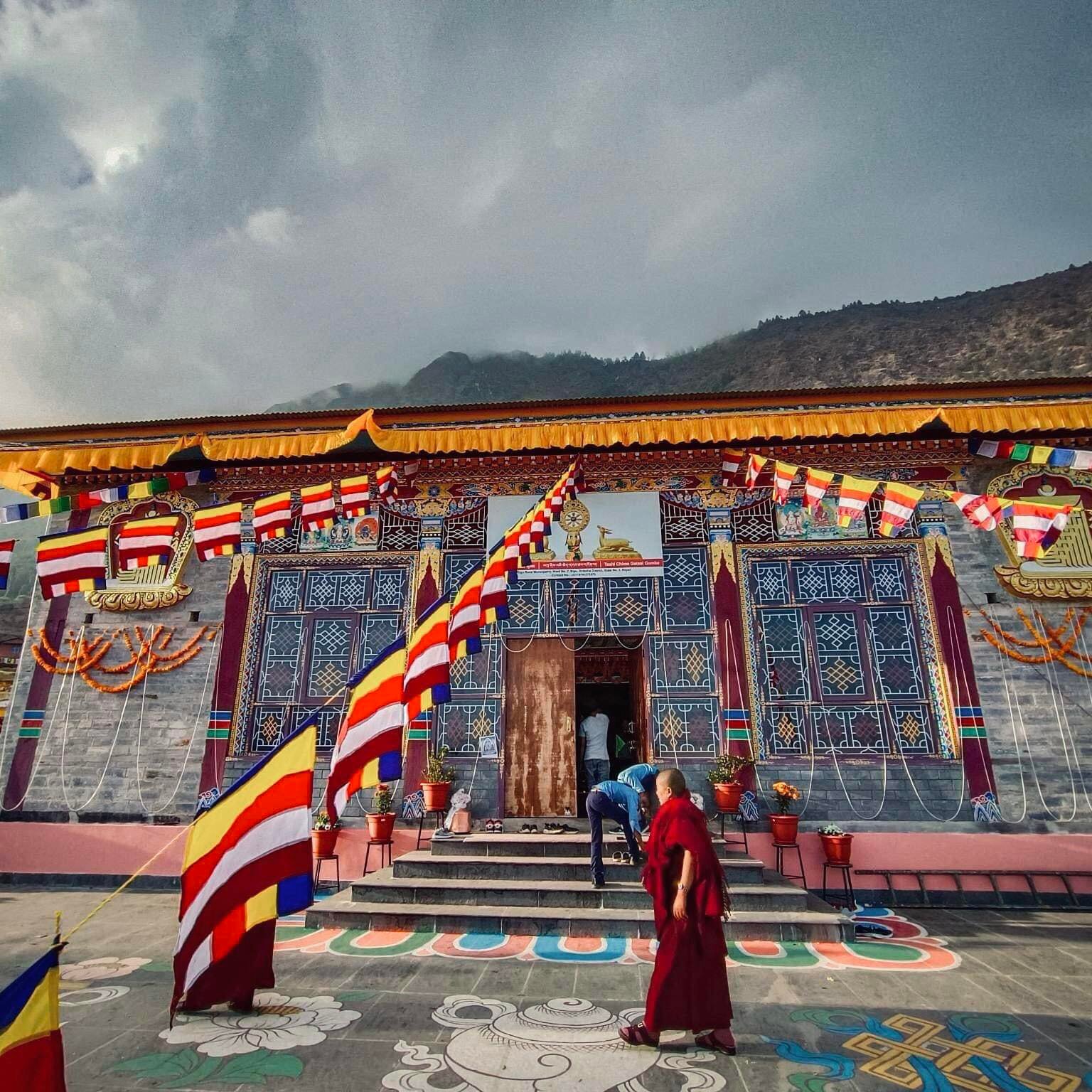
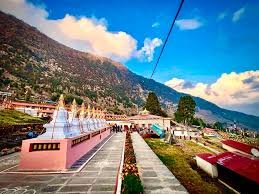
Nepal is a world-renowned trekking destination, famous for its majestic Himalayan peaks, ancient monasteries, and diverse cultural landscapes. Among its lesser-known yet truly captivating destinations, Bigu Gompa Dolakha trekking stands out as a hidden treasure for travelers seeking peace, spirituality, and untouched natural beauty. Unlike the bustling trails of Everest Base Camp or the commercial circuits of Annapurna, Bigu Gompa Dolakha trekking leads you into a quieter corner of Nepal where time seems to slow down.
The journey offers a perfect blend of spirituality and adventure. As you trek through lush forests, terraced farmlands, traditional mountain villages, and serene landscapes, you feel deeply connected to both nature and culture. The trail gradually unfolds views of Himalayan ridgelines, fluttering prayer flags, and rural life that reflects centuries-old traditions. For many visitors, the true heart of Bigu Gompa Dolakha trekking is the opportunity to experience the calm and sacred atmosphere of Bigu Gompa — an ancient Buddhist monastery where dozens of nuns live, meditate, and preserve Buddhist teachings.
This guide will walk you through every essential detail of the journey: the background and spiritual importance of Bigu Gompa, the best trekking routes, difficulty levels, cultural encounters, accommodation options, transportation, food, weather, and safety tips. By the end, you’ll have a complete understanding of what makes Bigu Gompa Dolakha trekking one of Nepal’s most meaningful and underrated Himalayan adventures — ideal for trekkers who want more than just mountain views, and who seek an experience that is both soul-nourishing and memorable.
1. What Is Bigu Gompa Dolakha Trekking?
Bigu Gompa Dolakha trekking refers to the journey through the hills and valleys of Dolakha district to reach the sacred Bigu Gompa, a Buddhist monastery perched on a scenic ridge. Dolakha is located in eastern Nepal and offers some of the most peaceful and untouched trekking routes in the country.
Unlike the heavily commercialized paths of Everest Base Camp or the Annapurna Circuit, Bigu Gompa Dolakha trekking weaves travelers through rural communities, rolling forests, rhododendron hills, and traditional Sherpa and Tibetan‑influenced villages. The trek is both spiritual and scenic, appealing to those who seek serenity, culture, and nature in a single journey.
2. History and Spiritual Significance of Bigu Gompa
Bigu Gompa is an ancient Buddhist monastery rooted in the Nyingma tradition of Tibetan Buddhism, one of the oldest schools of Vajrayana philosophy. The monastery has served for centuries as a sacred retreat for monks, nuns, meditators, and pilgrims seeking spiritual awakening. When you begin your Bigu Gompa Dolakha trekking journey, you’re not just walking a trail—you’re stepping into a living heritage where spiritual wisdom has been preserved for generations.
As you approach the monastery during your Bigu Gompa Dolakha trekking, the first thing you notice is the peaceful atmosphere. The fluttering prayer flags, the gentle murmur of mountain winds, and the calm rhythm of monastic life welcome you long before you reach its gates. The monastery complex is beautifully decorated with hand-painted Tibetan murals, ancient scriptural carvings, mani walls, and colorful stupas symbolizing enlightenment. Inside, statues of Guru Rinpoche, Buddha Shakyamuni, Chenrezig, Tara, and other revered deities radiate an aura of deep compassion and guidance.
Visitors can often hear monks chanting mantras, playing traditional instruments like the gyaling, and performing daily rituals passed down through centuries. Many trekkers say that this spiritual atmosphere becomes the emotional highlight of their Bigu Gompa Dolakha trekking experience—not just the landscapes, but the sense of peace and grounding they feel at the monastery.
Bigu Gompa also plays an important role in the local community. It hosts major Buddhist festivals such as Losar (Tibetan New Year), Buddha Jayanti, and other sacred events where villagers, monks, and pilgrims gather to chant, dance, pray, and celebrate together. During these times, the monastery becomes a vibrant cultural center filled with music, colors, traditional food, and spiritual teachings. For anyone completing Bigu Gompa Dolakha trekking, witnessing these festivals adds immense cultural depth to the journey.
The nunnery associated with Bigu Gompa is another unique aspect. Dozens of nuns live, study, and practice here, maintaining traditions of meditation, philosophy, art, and ritual. Their warm hospitality and dedication to preserving Buddhist teachings make the monastery even more special for trekkers.
Whether you come as a pilgrim or an explorer, the spiritual energy of Bigu Gompa enhances the entire Bigu Gompa Dolakha trekking experience. Many visitors describe the monastery as a place where the mind becomes still, worries fade, and a deep sense of clarity emerges—making this trek much more than just an adventure; it becomes a transformative journey of the heart.
3. Where Bigu Gompa Is Located
Bigu Gompa is located in the peaceful hills of Dolakha District, in Bagmati Province of Nepal. The monastery lies at an elevation of around 2,500 meters, surrounded by dense forests, terraced fields, and traditional Sherpa and Tamang villages. This beautiful location makes it one of the most serene highlights of the Bigu Gompa Dolakha trekking route.
The area offers clear views of major Himalayan peaks such as Gaurishankar, Melungtse, and Dorje Lakpa, adding more charm to the journey. Dolakha itself is famous for its natural beauty, spiritual heritage, and ancient temples, making it a perfect gateway for travelers.
Bigu Gompa is far enough from busy tourist zones to feel quiet and untouched, yet it can be reached from Kathmandu within a day’s drive. This balance of accessibility and remoteness is one of the reasons why Bigu Gompa Dolakha trekking is becoming more popular among trekkers seeking peaceful, culturally rich trails.
4. How to Reach the Start Point of Bigu Gompa Dolakha Trekking
From Kathmandu
- Bigu Gompa Dolakha trekking usually starts with a drive from Kathmandu.
- The journey to Dolakha takes approximately 5–6 hours by private vehicle or tourist jeep.
- The road passes through scenic valleys, rivers, and small towns such as Charikot, which is often the staging point for the trek.
Public Transport
- Buses and microvans run from Kathmandu to Charikot and Dolakha Bazaar.
- From Charikot, hire a local taxi or jeep to reach the beginning of the Bigu Gompa Dolakha trekking trail.
Trekking Routes
- The trekking route varies depending on your itinerary and fitness level.
- Popular trailheads include Bigu Bazaar, Suri, and surrounding hamlets that connect to the monastery.
No matter how you begin, reaching Bigu Gompa sets the stage for a memorable Bigu Gompa Dolakha trekking experience.
5. Bigu Gompa Dolakha Trekking Routes and Itineraries
There are several routes to reach the monastery, each with its own unique scenery and challenges. Here are a few of the most popular options:
Route A: Charikot – Bigu Gompa
- Duration: 3–5 days
- Highlights: Scenic forests, traditional villages, river crossings
This is the most common trekking route for those looking for a moderate Bigu Gompa Dolakha trekking adventure. It’s ideal for first‑time visitors who want to enjoy rural landscapes and meet local communities.
Route B: Dolakha Bazaar – Bigu Gompa
- Duration: 4–7 days
- Highlights: Longer trek with more elevation, denser forests
This route offers slightly more challenge and gives trekkers a deeper immersion into nature and culture.
Route C: Extended Himalayan Loop
- Duration: 7–10 days
- Highlights: Combination of Bigu Gompa, Kalinchowk, and other sacred sites
Adventure seekers and experienced trekkers often choose this extended itinerary to combine Bigu Gompa Dolakha trekking with nearby attractions such as Kalinchowk Bhagwati Temple and panoramic ridge views.
6. Difficulty and Fitness Level
Bigu Gompa Dolakha trekking is considered moderate in difficulty. You don’t need professional mountaineering skills, but you should have:
✔ Basic trekking boots
✔ Good cardiovascular fitness
✔ Comfort with walking 5–7 hours per day
✔ Ability to handle elevation changes
The trails feature gradual ascents, dense forests, and stretches of uneven terrain. While Bigu Gompa Dolakha trekking is accessible to most hikers, it’s essential to pace yourself, stay hydrated, and allow time for acclimatization.
7. Best Time for Bigu Gompa Dolakha Trekking
The climate around Dolakha offers two prime trekking seasons:
Spring (March – May)
- Clear skies
- Blooming rhododendrons
- Comfortable temperatures
This is one of the most popular times for Bigu Gompa Dolakha trekking.
Autumn (September – November)
- Stable weather
- Crisp air and clear mountain views
- Ideal trail conditions
These seasons provide the best visibility, weather, and overall experience for trekking. Avoid monsoon months if possible, as trails can become slippery and visibility reduced.
8. Local Culture Along the Trail
One of the highlights of Bigu Gompa Dolakha trekking is the cultural immersion. As you walk through the hills, you’ll encounter:
Local Villages
Traditional homes, terraced farms, cattle grazing, and simple mountain lifestyles.
Religious Sites
Small shrines, mani walls (carved prayer stones), and rustling prayer flags create a spiritual atmosphere even before reaching the gompa.
Festivals and Rituals
If your trek coincides with local celebrations, you may witness mask dances, butter lamp ceremonies, or special pujas held by villagers and monks.
This cultural interaction sets Bigu Gompa Dolakha trekking apart from more commercial trails.
9. Accommodation Options
Along the route of Bigu Gompa Dolakha trekking, you will find:
Tea Houses and Guesthouses
Basic but comfortable stays with local meals, warmth, and hospitality.
Camping (Extended Routes)
For longer off‑grid routes, trekking with camping gear is an option.
Unlike the heavily serviced trails of other regions, accommodation during Bigu Gompa Dolakha trekking is simple, authentic, and community‑based.
10. Local Food on the Trek
Fueling up for Bigu Gompa Dolakha trekking is part of the adventure. Some must‑try local foods include:
Dal Bhat – Protein‑rich staple of rice and lentils
Momo – Nepali dumplings with vegetables or meat
Thukpa – Hearty noodle soup perfect after a long day
Local Tea & Snacks – Mountain herbs and local kitchen specialties
Eating locally not only supports small communities but also gives trekkers a taste of authentic Nepali cuisine.
11. What to Pack for Bigu Gompa Dolakha Trekking
Here’s a suggested packing list:
Hat & Sunglasses
Comfortable Trekking Boots
Warm Layers & Rain Jacket
Reusable Water Bottle
Snacks & Energy Bars
Map or GPS Device
Camera or Smartphone
Packing right makes your Bigu Gompa Dolakha trekking journey safer and more enjoyable.
12. Safety and Health Tips
Always inform someone of your trekking route
Trek with a companion or local guide
Stay hydrated and take rest breaks
Watch for altitude changes
Carry a basic first‑aid kit
Safety is a priority for any successful Bigu Gompa Dolakha trekking adventure.
13. Photography and Scenic Spots
The views along Bigu Gompa Dolakha trekking are breathtaking:
Himalayan ridges
Forest valleys
Prayer flags dancing in the wind
Villages set against mountain backdrops
Each section of the trail offers unique photo opportunities.
14. Nearby Attractions to Combine With the Trek
Many trekkers combine Bigu Gompa Dolakha trekking with other destinations:
🛕 Kalinchowk Bhagwati Temple
A hilltop temple with stunning Himalayan views.
🏞 Dolakha Bhimsen Mandir Nepal
A sacred Hindu temple with rich spiritual traditions.
Exploring these sights adds cultural and historical context to your journey.
15. Estimated Cost of Bigu Gompa Dolakha Trekking
Here’s a rough budget guide:
Transport from Kathmandu: $30–$80 USD
Tea House Accommodation: $10–$20 per night
Meals & Snacks: $15–$25 per day
Guide & Porter (Optional): $25–$40 per day
Costs vary based on season, transport choice, and personal preferences.
16. Why Choose Bigu Gompa Dolakha Trekking
Off‑the‑beaten‑path experience
Spiritual immersion with Buddhist culture
Authentic village interactions
Forests, trails, and panoramic mountain views
Memorable adventure away from crowds
Many trekkers who choose Bigu Gompa Dolakha trekking say it reminds them of the original spirit of Himalayan exploration — peaceful, personal, and profoundly meaningful.
17. Traveler Reviews & Stories
Here’s what past trekkers often say about Bigu Gompa Dolakha trekking:
🌟 “A soul‑soothing journey far from the crowds.”
🌟 “Beautiful trails and welcoming communities.”
🌟 “A perfect blend of culture, nature, and spirituality.”
These experiences are why more travelers are exploring this hidden gem.
18. Planning Your Trip Checklist
✔ Confirm trekking dates
✔ Book transport ahead of peak season
✔ Prepare appropriate gear
✔ Inform a local guide or family member
✔ Check weather forecast
✔ Charge all electronics and carry backups
A solid plan makes Bigu Gompa Dolakha trekking smooth and enjoyable.
To learn more about Tibetan Buddhism and monastery traditions, you can visit BDRC: https://www.tbrc.org.
Bigu Gompa Dolakha trekking is a once‑in‑a‑lifetime experience — a path that combines spirituality, tradition, and Himalayan beauty. Whether you’re drawn to peaceful monasteries, scenic trails, or cultural interactions, this trek promises rewarding memories and personal growth.
For more information about Bigu Gompa Dolakha trekking, travel tips, and destination guides, visit https://exploreallaboutnepal.com/. For additional reference on the region and local heritage, you may also explore external sources such as the official Wikipedia entry on Nepal’s Dolakha region.
