
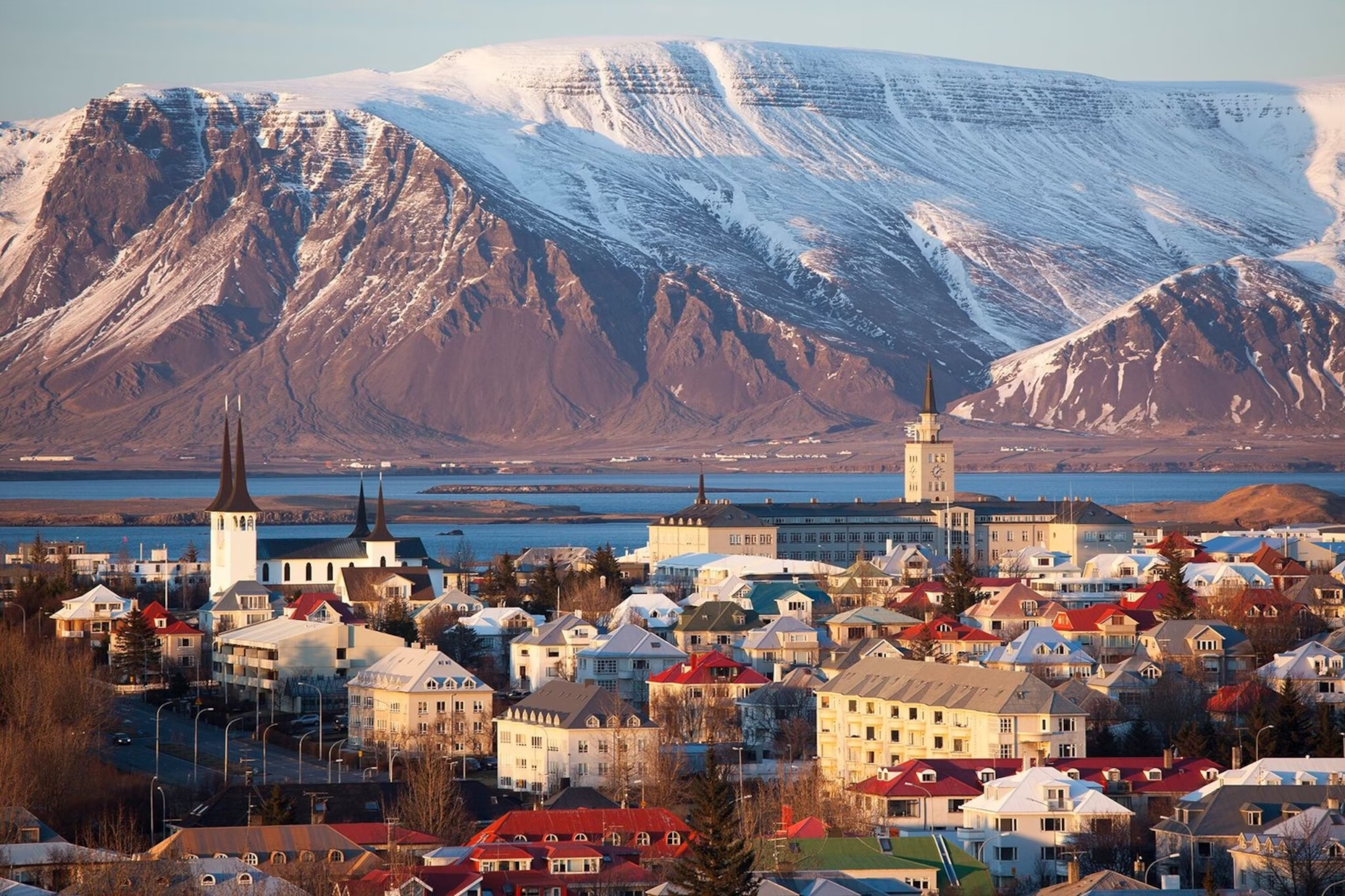
Places in Iceland that feel unreal – Best Time to Visit Iceland
Iceland, often called the Land of Fire and Ice, is a breathtaking destination known for its dramatic landscapes, from rugged glaciers and black sand beaches to active volcanoes and geothermal hot springs. Planning the best time to visit Iceland in 2026 ensures you experience everything this Nordic paradise has to offer, whether it’s chasing the ethereal Northern Lights, basking in the endless daylight of the Midnight Sun, or exploring glistening ice caves.
This comprehensive guide will cover every season in Iceland, highlight the must-see attractions, provide travel and photography tips, and give practical advice to help you plan the ultimate 2026 trip. By the end, you’ll know exactly when and how to experience Iceland’s wonders in all their glory.
Why Timing Matters in Iceland
Iceland’s unique location just below the Arctic Circle means that its weather and daylight hours vary dramatically between seasons. Choosing the best time to visit Iceland depends on what you want from your trip:
Adventure & Hiking: Summer offers accessible roads and trails.
Aurora Photography: Winter gives the clearest nights for Northern Lights.
Crowd-Free Travel: Shoulder seasons (spring and autumn) offer fewer tourists and lower prices.
Weather in Iceland is unpredictable year-round. Even in summer, it can rain, snow, or shine in a single day. Preparing for all conditions is essential, but with proper planning, every season in Iceland has its charm.
Summer in Iceland (June – August 2026)
Summer is often considered the best time to visit Iceland for travelers who want long days, festivals, and easy access to the highlands. Temperatures are mild, averaging 10–15°C (50–59°F), and most roads are open for driving adventures.
Highlights of Summer 2026
Midnight Sun: May 20 – July 22, 2026. The sun barely sets in northern regions, offering endless daylight for exploration and photography.
Festivals & Events:
Reykjavik Pride: August 1–9, 2026 – vibrant parades, music, and celebrations.
Secret Solstice Festival: June 19–21, 2026 – live music under the Midnight Sun.
National Day: June 17 – parades and cultural events across the country.
Popular Activities:
Hiking in Landmannalaugar and Thórsmörk.
Whale watching in Husavik and Dalvík.
Exploring the Ring Road and remote Westfjords.
Geothermal swimming at Blue Lagoon or secret hot springs.
Why Summer is the Best Time to Visit Iceland
Roads to highland areas like Landmannalaugar and Askja are accessible.
Birdwatchers can spot puffins along the coast.
Late-night drives under the Midnight Sun provide unique photo opportunities.
Photography Tips for Summer
Capture the Midnight Sun at Jökulsárlón Glacier Lagoon for surreal golden-hour effects.
Use long exposures on waterfalls like Gullfoss or Seljalandsfoss for silky water shots.
Wildlife photography is best early in the morning or late evening when puffins and arctic terns are active.
Bring polarizing filters to enhance skies and reduce glare from rivers and lakes.
Pro Tip: Summer is one of the most popular times to visit Iceland, so book accommodations and tours well in advance. Despite the crowds, it remains a prime season for experiencing Iceland’s natural beauty and adventure activities.
Winter in Iceland (December – February 2026)
Winter in Iceland transforms the landscape into a magical snowy wonderland. For travelers seeking the Northern Lights or unique winter adventures, this season is often considered the best time to visit Iceland.
Highlights of Winter 2026
Northern Lights (Aurora Borealis): Peak viewing occurs from late September 2025 through March 2026, with December–February offering the darkest nights.
Ice Caves: Accessible from November 2025 to March 2026 in Vatnajökull National Park.
Activities:
Snowmobiling on Langjökull Glacier.
Ice climbing and guided glacier tours.
Exploring snowy landscapes and volcanic regions.
Relaxing in hot springs while surrounded by snow.
Why Winter is the Best Time to Visit Iceland
Fewer tourists, leading to quieter attractions and better photography conditions.
Unique winter experiences such as the Northern Lights and frozen waterfalls.
Snow adds dramatic contrast to landscapes, perfect for photography.
Photography Tips for Winter
Use a wide-angle lens to capture expansive glaciers and ice caves.
Bring extra batteries as cold temperatures drain power faster.
Set your camera for low-light conditions to photograph the Northern Lights.
Capture frozen waterfalls with slow shutter speeds to create silky effects.
Pro Tip: Winter travel requires careful planning. Always check road conditions on Road.is and prepare for icy weather. Layered clothing, waterproof boots, and thermal wear are essential.
Shoulder Seasons: Spring & Autumn (March – May, September – November 2026)
Spring and autumn, also called shoulder seasons, are perfect for travelers seeking a balance between mild weather, lower crowds, and great natural scenery. Many consider these months as the best time to visit Iceland for a peaceful, cost-effective experience.
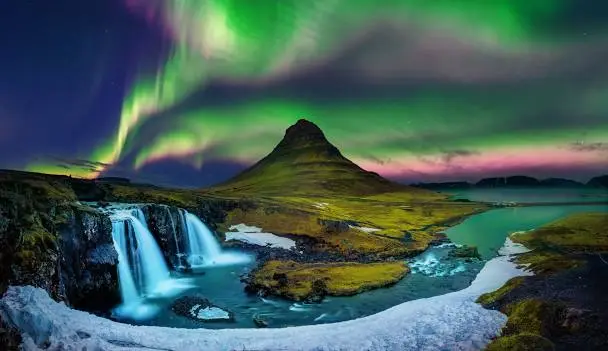
Best Time to Visit Iceland
Spring Highlights
Blooming Flora: Mosses and lupines begin to color the countryside in May.
Wildlife: Puffins return to cliffs, and migratory birds fill wetlands.
Events: Reykjavik Folk Festival (May 7–10, 2026) showcases Icelandic music and traditions.
Activities: Hiking lower trails, geothermal baths, and exploring thawing waterfalls.
Autumn Highlights
Colorful Landscapes: Golden, orange, and red foliage across valleys and mountains.
Northern Lights: Visibility improves from September onwards.
Activities: Autumn is ideal for photography, hiking, and geothermal bathing without summer crowds.
Photography Tips for Shoulder Seasons
Capture autumn foliage with soft evening light for dramatic landscapes.
Spring offers vibrant contrasts between melting snow and emerging greenery.
Use reflections in rivers and lakes to highlight seasonal colors.
Birdwatching and wildlife photography are excellent during these months.
Pro Tip: Shoulder seasons also allow you to explore popular attractions like the Golden Circle or Vatnajökull without heavy crowds, making it another strong candidate for the best time to visit Iceland.
Special Attractions in Iceland
Northern Lights (Aurora Borealis)
Best seen September–March 2026.
Ideal spots: Thingvellir National Park, Jökulsárlón Glacier Lagoon, Akureyri.
Photography tips: Use a tripod, wide-angle lens, and ISO 800–3200. Longer exposures reveal stunning aurora movements.
Check aurora forecasts for clear skies and high geomagnetic activity.
Midnight Sun
Occurs May 20 – July 22, 2026.
Best regions: North Iceland and Westfjords.
Experience: Hike late into the night, enjoy open-air festivals, or take night photography walks.
Ice Caves
Accessible November 2025 – March 2026.
Locations: Vatnajökull and Langjökull glaciers offer guided tours.
Photography: Highlight deep blue ice textures; use polarized filters to reduce glare and enhance contrast.
Icelandic Festivals to Experience in 2026
Reykjavik Pride: August 1–9 – parades, music, and a lively atmosphere.
Secret Solstice Music Festival: June 19–21 – celebrate music under the Midnight Sun.
National Day: June 17 – parades, performances, and cultural celebrations.
Reykjavik Folk Festival: May 7–10 – enjoy local music and folk traditions.
Winter Lights Festival: February 2026 – illuminates Reykjavik with art installations and light displays.
Attending festivals can enhance your travel experience and provide unique photo opportunities, making your trip one of the most memorable Iceland adventures.
Top Activities for Every Season
Summer Activities
Whale watching in Husavik.
Hiking highland trails like Landmannalaugar.
Road trips along the Ring Road.
Camping under the Midnight Sun.
Winter Activities
Ice cave tours in Vatnajökull.
Northern Lights hunting.
Snowmobiling and glacier hiking.
Soaking in geothermal hot springs surrounded by snow.
Shoulder Season Activities
Birdwatching and wildlife tours.
Exploring waterfalls and geothermal landscapes.
Photography trips capturing seasonal changes.
Enjoying quieter towns and scenic drives.
Photography Tips for Every Season
Summer: Focus on wildlife and landscapes in golden-hour light. Long days allow flexible shooting schedules.
Winter: Capture snow-covered landscapes, ice caves, and the Northern Lights. Tripods are essential.
Spring & Autumn: Use seasonal colors and reflections to create dramatic images. Shoulder seasons offer softer light and fewer tourists.
Always carry waterproof gear for both yourself and your camera due to unpredictable weather.
Bring a drone if permitted, as aerial shots of glaciers and waterfalls are stunning year-round.
Travel Tips for 2026
Accommodations: Book early for summer; shoulder seasons offer more flexibility and lower prices.
Transport: Renting a 4×4 is recommended in winter or for highland roads.
Weather: Prepare for sudden weather changes. Layers, waterproof jackets, and thermal wear are essential.
Driving: Always check Road.is for real-time road conditions.
Budgeting: Summer is peak season, so plan for higher costs; winter and shoulder seasons are more affordable.
So When is the Best Time to Visit Iceland in 2026?
Choosing the best time to visit Iceland depends on your travel goals:
Summer (June–August 2026): Ideal for long days, festivals, hiking, and road trips.
Winter (December–February 2026): Perfect for Northern Lights, ice caves, and snow adventures.
Shoulder Seasons (March–May, September–November 2026): Offer fewer crowds, colorful landscapes, and aurora opportunities.
No matter when you visit, Iceland offers unparalleled natural beauty, unique activities, and unforgettable experiences. With careful planning, 2026 can be the year you witness the true magic of the best time to visit Iceland.
From chasing auroras in a snowy winter to photographing waterfalls under the Midnight Sun, Iceland has something for every traveler. Pack wisely, plan ahead, and immerse yourself in one of the world’s most stunning destinations.
