
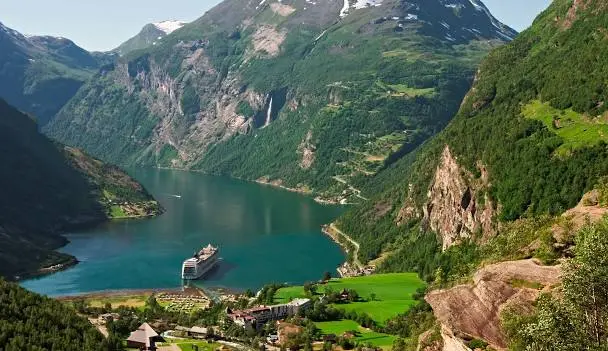
When it comes to planning a once-in-a-lifetime Nordic adventure, travelers often face a tough decision: Iceland vs Norway. Both countries boast dramatic landscapes, unforgettable experiences, and a chance to explore some of the most photogenic destinations on Earth. From Iceland’s black sand beaches, glaciers, and volcanic terrain to Norway’s majestic fjords, northern lights, and scenic hikes, the choice isn’t easy.
In this comprehensive guide, we’ll break down Iceland vs Norway across multiple categories, including landscapes, adventure, cost, accessibility, photography spots, and more, helping you decide which destination suits your travel style best.
1. Landscapes and Nature
Iceland
Iceland is famous for its surreal landscapes. Picture this: glaciers floating in a mirrored lagoon, waterfalls cascading from cliffs, black sand beaches, and steaming geothermal pools. Visitors often describe these as places in Iceland that feel unreal, and once you see them, you’ll understand why. Iconic locations include:
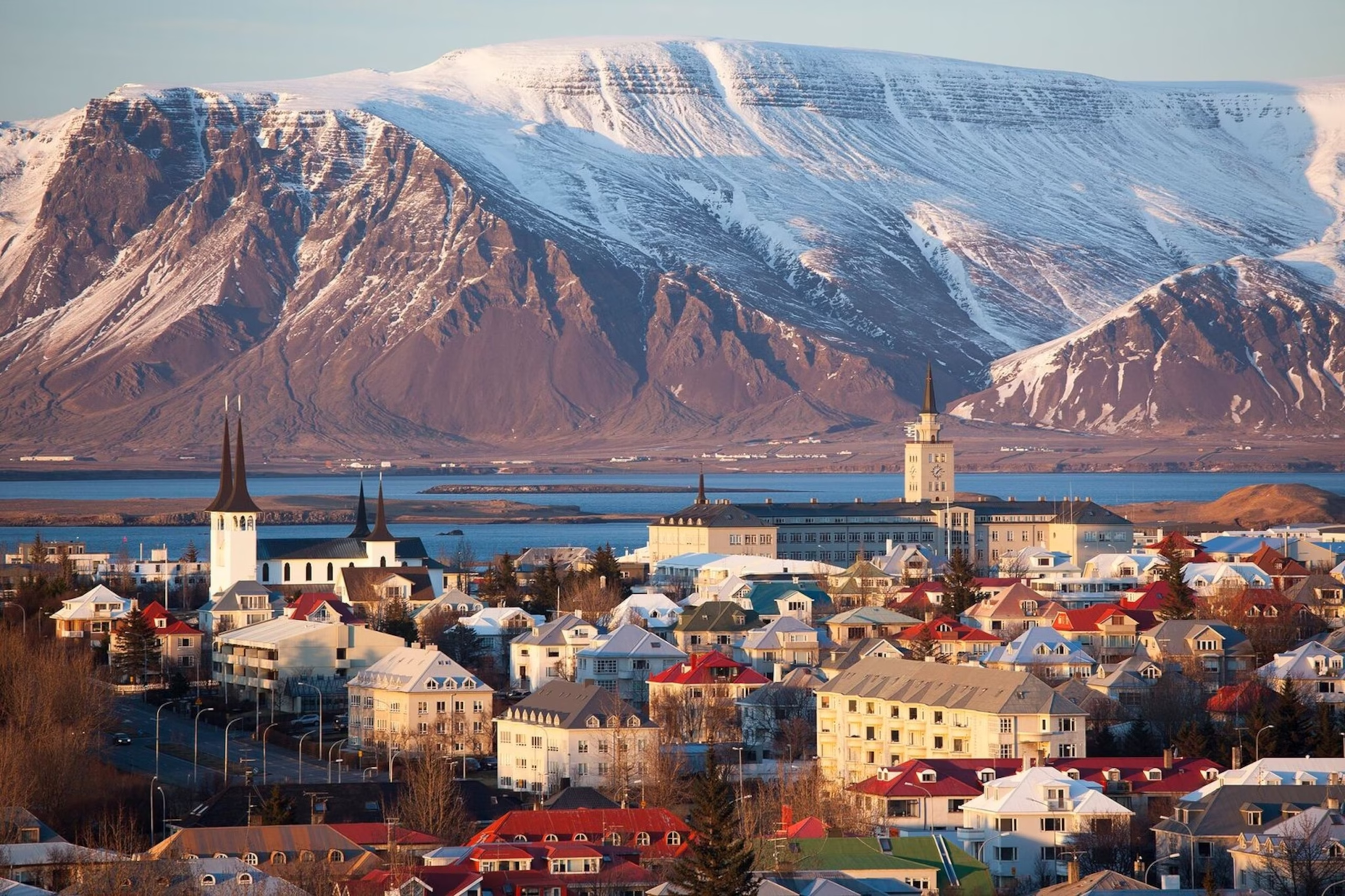
Places in Iceland that feel unreal – Iceland vs Norway
Jökulsárlón Glacier Lagoon – Icebergs drifting gently on crystal-clear waters.
Seljalandsfoss Waterfall – Walk behind the cascading curtain of water.
Reynisfjara Black Sand Beach – Dramatic volcanic sands and basalt columns.
These landscapes give Iceland a raw, otherworldly charm that attracts photographers, adventure seekers, and anyone looking for a truly unique natural experience.
Norway
Norway offers a different type of natural beauty — serene, majestic, and deeply scenic. Its world-famous fjords, snow-capped mountains, lush valleys, and cascading waterfalls create picture-perfect landscapes. Key highlights include:
Geirangerfjord and Nærøyfjord – UNESCO-protected fjords with towering cliffs.
Lofoten Islands – Rugged coastlines and Arctic scenery.
Trolltunga – Iconic cliff overlooking a dramatic valley.
While Iceland is more “dramatic” and raw, Norway impresses with tranquility and refined beauty. When comparing Iceland vs Norway, it comes down to whether you prefer bold, rugged terrain or serene, postcard-like landscapes.
2. Adventure Activities
Adventure lovers will find something to excite them in both countries.
Iceland
Glacier Hiking & Ice Caves – Explore crystal-blue ice formations beneath massive glaciers.
Volcanic Hiking & Geothermal Pools – Trek across lava fields and relax in hot springs.
Whale Watching & Puffin Tours – Coastal wildlife adventures along Iceland’s shores.
Northern Lights Tours – Witness auroras dancing over glaciers and mountains.
Norway
Kayaking & Fjord Cruises – Glide along serene fjords framed by towering cliffs.
Winter Sports & Dog Sledding – Popular in Tromsø and the Arctic Circle.
Hiking Trails – Trolltunga, Romsdalseggen Ridge, and Preikestolen provide epic vistas.
Northern Lights Adventures – Aurora tours in northern Norway are world-renowned.
Verdict: For thrill-seekers and extreme adventure, Iceland often wins. For scenic adventure combined with comfort and cultural experiences, Norway is ideal. Comparing Iceland vs Norway, your choice depends on your preferred type of adventure.
3. Cost of Travel
Iceland
Iceland is known for being expensive:
Average daily cost: $150–$250 per person
Hotels and car rentals are costly
Dining and groceries are premium
Norway
Norway is slightly more flexible:
Average daily cost: $120–$200 per person
Wide range of accommodations
Self-catering or Airbnb options can reduce expenses
Verdict: Norway is slightly cheaper, though both countries are considered premium travel destinations. If cost is a major factor, this may sway your choice in the Iceland vs Norway debate.
4. Accessibility & Transportation
Iceland
Main entry: Reykjavik (Keflavik Airport)
Ring Road enables easy self-driving tours around the island
Remote areas require 4×4 vehicles
Norway
Multiple airports: Oslo, Bergen, Tromsø
Well-connected roads and ferries
Fjord areas may need extra planning for ferries or scenic drives
Verdict: Norway has more developed infrastructure, making it slightly easier for travelers. Iceland offers more adventure and independence, which appeals to those seeking raw experiences.
5. Unique Experiences
Iceland
Iceland offers experiences you won’t find anywhere else:
Geothermal spas like the Blue Lagoon
Ice caves and volcanic craters
Black sand beaches and waterfalls
Midnight sun and the Northern Lights
Norway
Norway combines stunning nature with cultural charm:
Fjords and mountain hikes
Scenic train journeys (Flåm Railway)
Northern Lights in Arctic Norway
Viking history and charming coastal towns
When comparing Iceland vs Norway, Iceland is for surreal natural phenomena, while Norway combines majestic scenery with comfort and culture.
6. Best Time to Visit
Iceland
Summer (June–August): Long daylight hours, road trips, wildlife
Winter (September–March): Northern Lights, ice caves, snowy landscapes
Shoulder seasons: Fewer tourists, dramatic scenery
Norway
Summer (June–August): Fjord cruises, hiking, wildlife
Winter (December–March): Skiing, dog sledding, Northern Lights
Verdict: Iceland’s landscapes shine in summer, while Norway offers year-round fjord beauty. Your choice in Iceland vs Norway depends on season preference.
7. Photography & Social Media Spots
Photography enthusiasts will find both countries irresistible:
Iceland
Jökulsárlón Glacier Lagoon – Floating icebergs, reflective waters
Seljalandsfoss – Walk-behind waterfalls
Reynisfjara Beach – Black sand and basalt columns
Norway
Geirangerfjord – Dramatic fjord photography
Lofoten Islands – Rugged landscapes with colorful villages
Trolltunga – Iconic cliff shot
Both Iceland and Norway are Instagram-friendly, but if you’re chasing places in Iceland that feel unreal, Iceland has a slight edge due to its surreal and dramatic terrain.
8. Overall Verdict: Iceland vs Norway
| Category | Iceland | Norway | Winner |
|---|---|---|---|
| Landscapes | Dramatic, surreal | Majestic, serene | Tie |
| Adventure | Extreme, unique | Scenic, comfortable | Iceland |
| Cost | Expensive | Slightly cheaper | Norway |
| Accessibility | Remote, adventurous | Well-connected | Norway |
| Unique Experiences | Volcanoes, glaciers | Fjords, culture | Iceland |
| Photography | Unreal landscapes | Stunning fjords | Tie |
Overall Recommendation:
Choose Iceland if you want surreal, jaw-dropping natural beauty and extreme adventures.
Choose Norway if you prefer scenic tranquility, cultural experiences, and easier travel logistics.
9. Travel Tips for Iceland vs Norway
Rent a car for Iceland; consider guided tours for ice caves and glaciers.
In Norway, book fjord cruises and scenic train journeys in advance.
Prepare for unpredictable weather in both countries.
Book accommodations early during peak season.
Plan your itinerary according to season: summer for daylight adventures, winter for Northern Lights.
No matter which country you choose, both Iceland and Norway offer life-changing experiences and landscapes you’ll remember forever.
FAQs: Iceland vs Norway
Q1: Which is more adventurous, Iceland or Norway?
A: Iceland offers extreme adventures like glacier hiking, ice caves, and volcanic landscapes, while Norway focuses on scenic fjords, hiking, and cultural experiences.
Q2: Is Iceland or Norway more expensive to travel?
A: Both are premium destinations. Iceland tends to be slightly more expensive, while Norway offers more budget flexibility.
Q3: Which country has better photography spots?
A: Both are photogenic. Iceland is surreal and dramatic, while Norway offers majestic fjords and serene landscapes.
Q4: When is the best time to visit Iceland and Norway?
A: Summer (June–August) is ideal for landscapes and outdoor activities. Winter (September–March) is perfect for Northern Lights.
Q5: Are Iceland and Norway family-friendly destinations?
A: Yes, but Iceland may require more careful planning for young children due to rugged terrain. Norway offers more infrastructure and family-friendly accommodations.
