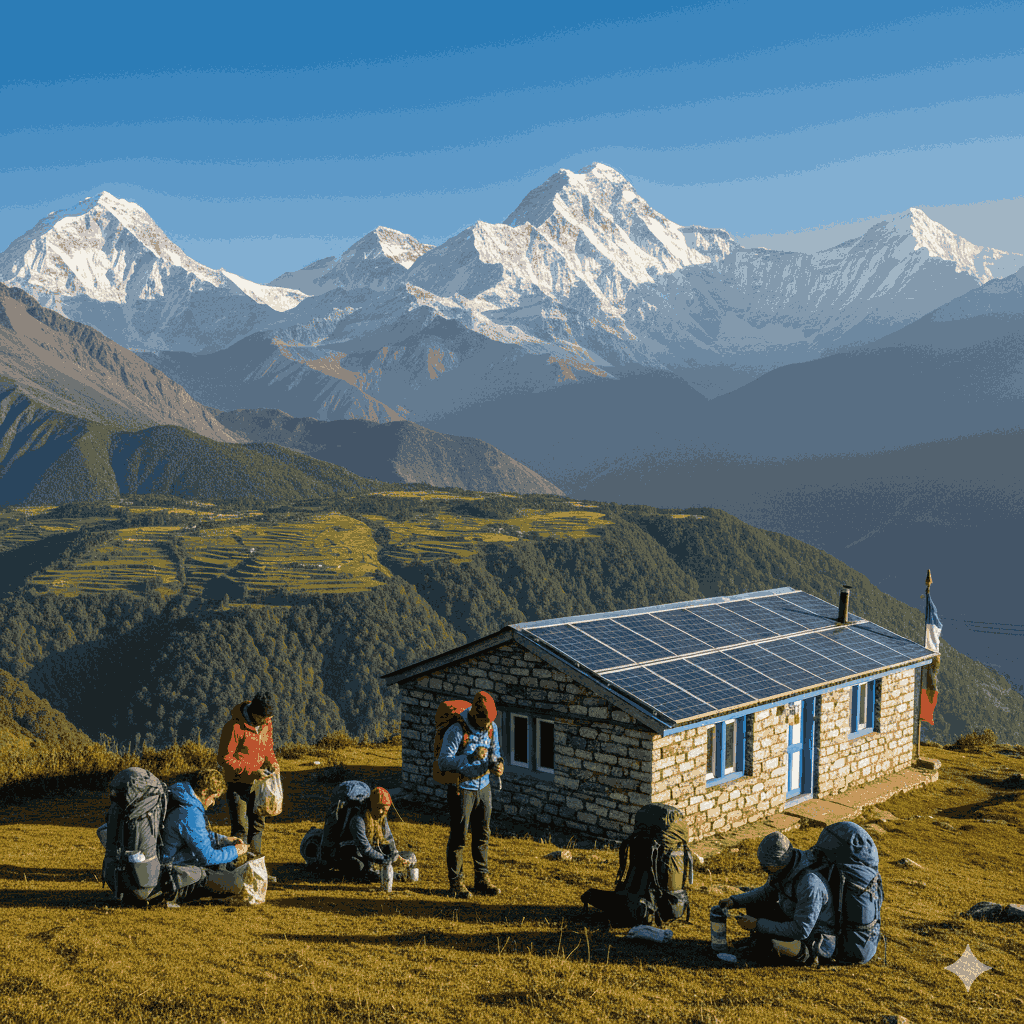
Scenic Himalayas showcasing Eco tourism Nepal with eco-friendly lodges and responsible trekkers
In 2026, the global travel landscape has profoundly evolved, with a heightened emphasis on responsible and impactful journeys. For a nation as naturally endowed and culturally rich as Nepal, eco tourism Nepal is no longer a niche concept but a fundamental principle guiding every visitor’s experience. From the majestic, snow-capped peaks of the Everest region to the biodiverse jungles of the Terai, the focus has unequivocally shifted towards conservation, community empowerment, and authentic cultural immersion.
The year 2026 represents a critical juncture for Nepal, a country often referred to as the “Roof of the World.” For decades, Nepal has captivated adventurers and spiritual seekers alike, but this popularity brought with it significant environmental and social pressures. Issues such as widespread plastic pollution along trekking routes, the erosion of local traditions due to unchecked commercialization, and economic leakage where tourism revenues bypass local communities, became increasingly apparent. Today, the prevailing philosophy has undergone a transformative shift. Eco tourism Nepal has emerged as the guiding philosophy, ensuring that every interaction, every dollar spent, and every step taken contributes positively to the country’s ecological health and societal well-being.
At its very core, eco tourism Nepal is not about imposing limitations on travelers; rather, it is about enriching their experiences through mindful engagement. It signifies a conscious decision to choose a community-based tourism initiative over a generic, internationally owned hotel chain. It means appreciating the serene quiet of a solar-powered mountain lodge rather than enduring the intrusive noise of a diesel generator. It represents the informed traveler of 2026 who carries a personal water purification system, thereby eliminating the need to purchase countless single-use plastic bottles during a multi-day trek. This commitment to eco tourism Nepal transforms a simple trip into a profound journey of stewardship and respect.
1. Pioneering Sustainable Trekking in the Himalayas: The Eco Tourism Nepal Approach
Trekking is undeniably the lifeblood of Nepal’s tourism industry, drawing hundreds of thousands annually to its legendary trails. However, it is also within these fragile mountain ecosystems that environmental vulnerabilities are most pronounced. In 2026, eco tourism Nepal in the high-altitude regions is meticulously defined by advanced “Leave No Trace” (LNT) principles, which have been rigorously updated to address the urgent realities of climate change and glacial melt.
Advanced Waste Management Systems: Initiatives such as the “Sagarmatha Next” project have blossomed into global benchmarks for responsible waste management in extreme environments. Trekkers are not merely encouraged but actively expected to carry a “Carry Me Back” bag – a small, designated pouch for collecting their own non-biodegradable waste, as well as any litter they encounter on the trails. This proactive participation in waste reduction is a fundamental tenet of eco tourism Nepal, directly combating the pervasive issue of plastic and other refuse in pristine areas. Educational campaigns now empower trekkers with knowledge about local recycling points and proper disposal methods, reinforcing the principles of eco tourism Nepal from the ground up.
Renewable Energy Integration in Teahouses: By 2026, a significant number of teahouses and lodges along iconic routes like the Annapurna Circuit and within the Everest region have fully transitioned to sustainable energy sources, primarily micro-hydro and solar power. Choosing accommodations that visibly prioritize these renewable energy solutions is a direct and impactful way to practice eco tourism Nepal. These lodges often provide incentives for travelers who bring their own charging devices, further minimizing reliance on less sustainable power options. The infrastructure supporting these green energy solutions is continuously expanding, making eco tourism Nepal an increasingly accessible reality for all.
The Enhanced 500m Acclimatization Protocol: Beyond personal safety, responsible trekking practices now heavily emphasize a deliberate, slow acclimatization process. The updated guideline for ascending no more than 500 meters of vertical gain per day above an altitude of 3,000 meters serves a dual purpose. Firstly, it significantly reduces the risk of Acute Mountain Sickness (AMS), thereby minimizing the need for emergency helicopter evacuations – a process with a notably high carbon footprint. Secondly, it allows trekkers to immerse more deeply in the environment, fostering a greater appreciation that is central to eco tourism Nepal. This thoughtful approach to pacing is a silent yet powerful commitment to eco tourism Nepal, benefiting both human health and environmental integrity.
Eco-Friendly Trail Maintenance: Local communities, often supported by tourism revenues generated through eco tourism Nepal, are actively involved in maintaining trails using traditional, low-impact methods. This includes preventing erosion, repairing small bridges with locally sourced materials, and re-establishing natural drainage systems to protect the delicate mountain flora and fauna. These efforts are often visible to trekkers, providing a tangible example of eco tourism Nepal in action.
2. Empowering Local Economies: The Eco Tourism Nepal Model of Community Homestays

Authentic village homestay supporting Eco tourism Nepal and local community life
One of the most profoundly effective avenues for ensuring your visit genuinely embodies the principles of eco tourism Nepal is by consciously choosing community-based accommodations. The 2026 “Rurbanomics” movement, a term highlighting the economic bridge between rural traditions and urban efficiencies, has revolutionized how travelers connect with local populations.
When you opt to stay within a community homestay network, your role transcends that of a mere customer; you become an honored guest within a living, breathing family home. A significant portion, typically around 80 percent, of your payment is directly channeled into a communal fund. In 2026, these funds are strategically allocated towards vital community development projects, such as building climate-resilient schools, implementing sophisticated water filtration systems, and supporting local craft cooperatives. This direct, impactful injection of economic resources into the community is what truly elevates and defines the power of eco tourism Nepal.
Panauti: This historic Newari town stands as a beacon for heritage preservation through thoughtful tourism. Its community homestays offer an unparalleled immersion into Newari culture, providing guests with authentic culinary experiences and opportunities to learn traditional crafts. The revenue generated through eco tourism Nepal in Panauti directly supports the upkeep of its ancient temples and traditional architecture.
Ghalegaun: Nestled amidst stunning Himalayan vistas, Ghalegaun is a pioneering example of Gurung cultural exchange. Here, guests can partake in traditional Gurung dances, witness local agricultural practices, and learn about the indigenous way of life. This direct cultural engagement is a core component of eco tourism Nepal, fostering mutual respect and understanding.
Barauli: Situated on the fringes of Chitwan National Park, Barauli is a Tharu-led initiative that brilliantly intertwines cultural tourism with wildlife conservation. The revenue from their community homestays plays a critical role in funding anti-poaching patrols and community-based conservation programs, directly contributing to the protection of the park’s iconic rhinos and tigers. This compelling fusion of conservation and cultural immersion is a testament to the versatility of eco tourism Nepal.
Sustainable Agriculture Integration: Many homestays in these communities actively engage in organic farming, providing guests with fresh, locally sourced meals. This farm-to-table approach not only offers healthier dining options but also reduces the carbon footprint associated with food transportation, further reinforcing the principles of eco tourism Nepal.
3. Ethical Wildlife Encounters: The Eco Tourism Nepal Standard Beyond the Lens

Wildlife safari in Nepal promoting Eco tourism Nepal and wildlife conservation.
Historically, wildlife tourism in many parts of the world, including Nepal, sometimes involved practices that were detrimental to animal welfare, such as elephant-back rides or staged “tiger selfies.” In 2026, eco tourism Nepal has firmly and unequivocally rejected these outdated and unethical approaches. The contemporary focus has entirely shifted towards fostering ethical, respectful, and distance-based observation, ensuring the well-being of the animals remains paramount.
The remarkable and sustained increase in the Royal Bengal Tiger population within both Bardia and Chitwan National Parks stands as a powerful testament to the direct positive impact of revenues generated by eco tourism Nepal. These funds are specifically channeled into bolstering anti-poaching units, supporting habitat restoration projects, and educating local communities about the importance of coexistence with wildlife. When you conscientiously choose to participate in a walking safari or a jeep safari guided by a certified, responsible naturalist, you are not merely observing wildlife; you are actively contributing to Nepal’s ambitious “Zero Poaching” goal. This deeply embedded commitment to wildlife preservation is the very soul of eco tourism Nepal: it is the fundamental understanding that a magnificent, thriving tiger in its natural habitat holds far greater value to the community and to global biodiversity than any fleeting trophy or Instagram post. This mindful approach ensures that wildlife experiences are enriching for both the visitor and the ecosystem, a true hallmark of eco tourism Nepal.
4. Mitigating Environmental Impact: The Carbon Footprint of Transit in Eco Tourism Nepal
While international air travel to Kathmandu is often an unavoidable part of your journey, the choices you make regarding your transportation within Nepal significantly determine your dedication to practicing eco tourism Nepal. Every mode of transport has an impact, and conscious choices can considerably reduce your environmental footprint.
The Rise of Electric Vehicles (EVs): By 2026, the fleet of electric taxis, micro-buses, and even electric rickshaws in Kathmandu, Pokhara, and other urban centers has dramatically expanded, tripling in number compared to previous years. Opting for a “Green Plate” EV over a conventional petrol or diesel-powered vehicle is a straightforward yet profoundly effective way to contribute to eco tourism Nepal. This choice supports the local economy’s transition to cleaner energy and directly reduces urban air pollution. Many tour operators committed to eco tourism Nepal now offer EV options for inter-city transfers and local sightseeing.
Embracing Slow Travel Principles: Instead of attempting to cram five different destinations into a whirlwind ten-day itinerary, the enlightened traveler of 2026 champions the philosophy of “slow travel.” This means selecting fewer destinations and dedicating more time to each, fostering deeper connections and richer experiences. This approach intrinsically reduces the necessity for multiple domestic flights, which, despite their convenience, remain a significant source of carbon emissions. Slow travel is a fundamental pillar of eco tourism Nepal, encouraging immersion over rapid consumption.
Prioritizing Biking and Walking: Historic and culturally significant cities like Bhaktapur and Patan have largely implemented car-free zones within their Durbar Squares and surrounding areas. Exploring these medieval Nepal towns on foot or by bicycle is not only the most authentic and immersive way to experience their charm but also the ultimate expression of eco tourism Nepal in an urban setting. It reduces noise pollution, improves air quality, and allows for serendipitous discoveries that motorized transport often misses.
Public Transportation: The Local’s Choice: Utilizing local buses and jeeps for longer journeys, while perhaps less comfortable than private vehicles, offers a significant reduction in per-passenger carbon emissions. It also provides a unique opportunity to interact with local people and experience daily life, aligning perfectly with the community-centric ethos of eco tourism Nepal.
5. Cultural Sensitivity: The Imperceptible Yet Profound Impact of Eco Tourism Nepal
While discussions surrounding sustainable travel often revolve around tangible factors like plastic consumption and carbon emissions, the “cultural footprint” is equally, if not more, vital. In the hyper-connected era of 2026 social media, practicing eco tourism Nepal demands an elevated level of digital and interpersonal ethics, ensuring that local traditions and dignity are upheld.
Seek Consent Before Capturing Moments: Whether it is a monk engaged in silent prayer at a monastery, an elderly villager going about their daily routine, or children playing in a remote village, obtaining explicit consent before taking photographs is non-negotiable. Eco tourism Nepal inherently means respecting the privacy, beliefs, and personal space of the people who graciously call the Himalayas their home. A simple gesture or a verbal “permission” (अनुमति – anumati) can bridge cultural gaps and prevent unintentional disrespect.
Embrace Appropriate Attire: Modesty in dress serves as a universal sign of respect across many cultures, and Nepal is no exception. Especially when visiting rural communities, religious sites, or attending cultural ceremonies, ensuring that your shoulders and knees are covered is a fundamental requirement for anyone committed to eco tourism Nepal. This demonstrates your understanding and appreciation for local customs, fostering a welcoming environment.
The Power of Local Language: Making a genuine effort to learn a few basic phrases in Nepali, such as “Namaste” (Hello/Greetings) and “Dhanyabad” (Thank you), can profoundly enhance your travel experience. Such small linguistic gestures transcend the transactional nature of tourism, transforming interactions into genuine human connections. It helps to break down the “us and them” barrier and fosters a sense of shared humanity, which is a cornerstone of eco tourism Nepal. Even beyond language, understanding local etiquette, such as removing shoes before entering temples or homes, signifies deep respect.
Support Local Arts and Crafts: Instead of purchasing mass-produced souvenirs, seek out products handcrafted by local artisans. This not only ensures authenticity but also directly supports traditional craftsmanship and provides sustainable livelihoods for artists and their families. Many community-based tourism initiatives, central to eco tourism Nepal, actively promote local handicrafts.
6. Pioneering Waste Management: The 2026 “Zero Plastic” Challenge in Eco Tourism Nepal
The persistent crisis of plastic pollution in Nepal’s mountains has spurred significant and effective counter-movements. By 2026, several critical regions, including the highly sensitive Khumbu (Everest) and the picturesque Langtang Valley, have successfully implemented stringent bans on single-use plastic bottles. These initiatives are a direct response to the principles of eco tourism Nepal, aiming to restore and maintain the pristine nature of these iconic landscapes.
To become an exemplary champion of eco tourism Nepal and minimize your ecological footprint, your essential packing list should rigorously include:
A Premium Filtration Water Bottle: Investing in a high-quality, reliable filtration bottle (such as brands like Grayl or LifeStraw) is perhaps the single most impactful item you can carry. This enables you to safely purify water from natural sources and local taps, eliminating the need to purchase any plastic bottled water throughout your journey. This simple act drastically reduces the millions of plastic bottles that would otherwise end up polluting the Himalayan environment.
Durable Reusable Silicone Snack Bags: Replace single-use plastic baggies for snacks, trail mix, or packed lunches with reusable silicone bags. These are lightweight, easy to clean, and prevent unnecessary waste accumulation on the trails, aligning perfectly with the “Leave No Trace” ethos of eco tourism Nepal.
Solid, Plastic-Free Toiletries: Opt for solid alternatives for your personal hygiene products, such as shampoo bars, conditioner bars, and traditional soap bars. This eliminates the need for plastic bottles and tubes, which are particularly problematic to dispose of responsibly in remote mountain communities. This small change makes a big difference in your contribution to eco tourism Nepal.
Reliable Rechargeable Batteries or Solar Power Banks: Minimize your reliance on disposable batteries by investing in rechargeable ones for your electronics. Furthermore, a portable solar power bank allows you to charge devices using clean energy, especially useful in remote areas where electricity is scarce or generated from non-renewable sources. This proactive energy management is a testament to your commitment to eco tourism Nepal.
If every single traveler visiting Nepal in 2026 were to diligently follow these four fundamental steps, the volume of non-biodegradable waste generated directly by the tourism sector would conservatively plummet by nearly 60 percent. This staggering potential reduction vividly underscores the collective and tangible power inherent in practicing eco tourism Nepal at an individual level. It transforms environmental responsibility from an abstract concept into a measurable, positive outcome.
7. Discovering Hidden Gems: Top Sustainable Destinations for Eco Tourism Nepal in 2026
For those eager to fully embrace the spirit of eco tourism Nepal and venture beyond the well-trodden paths, several exceptional destinations stand out. These locations have consciously adopted models that prioritize local communities, cultural preservation, and environmental integrity, offering truly authentic and impactful experiences.
| Destination | Why it Exemplifies Eco Tourism Nepal | Best Experiential Highlight |
| Upper Mustang | Rigorous Permit System: Limits visitor numbers, preventing overtourism and preserving the pristine landscape and unique Tibetan-influenced culture. A portion of the permit fee directly funds conservation and community projects. | Immersive exploration of the ancient Sky Caves of Upper Mustang, offering a glimpse into a rarely seen archaeological wonder and a chance to engage with the resilient Loba people. |
| Lower Dolpo | Exclusively Community-Run Logistics: Tourism here is entirely managed by local communities, ensuring that almost 100% of the revenue directly benefits the inhabitants. Minimal infrastructure and strict ecological guidelines maintain its wild character. | Experiencing the ancient animistic Bon culture, visiting remote monasteries, and witnessing a way of life virtually untouched by modern influences, all within the breathtaking, stark beauty of the Trans-Himalayan landscape. |
| Ilam | Pioneering Agritourism and Organic Tea Farming: This eastern district actively promotes sustainable agricultural practices, particularly organic tea cultivation. Tourists can stay in tea-garden homestays, learn about tea processing, and support local farmers. | Staying in a picturesque tea-garden homestay, enjoying freshly brewed organic tea, and partaking in local farming activities, offering a tranquil retreat and direct support for sustainable agriculture. |
| Rara Lake National Park | Remote Location and Strict Regulations: As Nepal’s largest lake, its remote setting in the far-western region naturally limits mass tourism. Strict national park regulations ensure minimal environmental impact and pristine natural beauty. | Camping under an unpolluted, star-studded sky, trekking through pine forests, and experiencing the profound serenity of Nepal’s largest and most pristine lake, with a focus on responsible wilderness immersion. |
| Helambu Region | Close to Kathmandu, but Culturally Rich: This region offers accessible yet deeply rewarding treks that emphasize Sherpa and Tamang culture. Local guesthouses are often community-managed, fostering direct economic benefits. | Engaging with local Sherpa communities, participating in cultural workshops, and enjoying stunning views of Langtang Lirung, all within an easily accessible region from the capital, making it ideal for shorter eco tourism Nepal excursions. |
| Tansen (Palpa) | Historical Hill Town with Local Crafts: Focuses on preserving its Newari and Magar heritage, promoting local crafts like Dhaka fabric weaving and brassware. Eco tourism Nepal efforts here support cultural preservation and artisan livelihoods. | Exploring the ancient Tansen Durbar, visiting traditional craft workshops, and supporting local artisans by purchasing authentic, handmade souvenirs, ensuring heritage continuity through tourism. |
8. The Future of Travel: Rurbanomics and the Rise of the Sustainable Digital Nomad in Eco Tourism Nepal
As the reach of high-speed internet extends deeper into Nepal’s mountain villages and remote communities in 2026, a distinctive new category of traveler has emerged: the “Sustainable Digital Nomad.” These individuals embody an advanced form of eco tourism Nepal, characterized by their commitment to extended stays, often for several months rather than fleeting weeks. Their presence fosters a profound integration into the local economy and social fabric.
This long-stay model stands as the ultimate expression of eco tourism Nepal. It effectively replaces the “hit-and-run” style of mass tourism with a more profound model of mutual growth and shared benefit. By establishing a temporary base for work in a serene village within the Langtang Valley or a quiet town in the Annapurna foothills, these nomads provide a consistent and much-needed income to local families. This income often transcends the seasonality of traditional trekking tourism, offering greater economic stability. Beyond just economic impact, sustainable digital nomads often contribute their skills, volunteering for local NGOs, assisting with English language education, or helping communities establish online presences for their local crafts. Furthermore, the burgeoning cultural scene, including the increasingly popular jazz festivals and live music in Kathmandu, provides these nomads with rich cultural experiences while simultaneously supporting local artists and the vibrant arts scene that enriches Nepali urban life. This symbiotic relationship between long-term visitors and local communities is a dynamic and evolving facet of eco tourism Nepal.
9. Ensuring Equity: The Impact of Eco Tourism Nepal on Local Livelihoods and Fair Practices
A comprehensive discussion of eco tourism Nepal would be incomplete without a deep dive into its profound human dimension. For an experienced trekking porter navigating the challenging trails of the Everest region, a talented home cook preparing traditional meals in a Terai village, or an artisan weaving intricate Dhaka fabric, your conscious choice to engage in eco tourism Nepal can represent the fundamental difference between precarious seasonal employment and a stable, dignified career path.
In 2026, a growing number of reputable eco tourism Nepal agencies and tour operators have proactively implemented comprehensive fair wage policies, robust insurance coverage, and stringent ethical guidelines for all their field staff, including guides, porters, and cooks. These progressive policies ensure that those who are literally the backbone of your Himalayan adventure are treated with the utmost respect, receive fair compensation for their arduous work, and are provided with appropriate gear and support. By diligently researching and choosing to book your travels with these certified ethical operators, you directly contribute to a more just and equitable tourism ecosystem in Nepal. This unwavering commitment to social justice and human dignity is not merely an add-on; it is, in fact, an indispensable core pillar of eco tourism Nepal, ensuring that the benefits of tourism are shared responsibly and widely among the Nepali people.
Frequently Asked Questions (FAQs)
1. What exactly is eco tourism Nepal and why is it important in 2026?
Eco tourism Nepal refers to a form of tourism that is environmentally responsible and promotes conservation, supports the well-being of local people, and involves interpretation and education. In 2026, it is crucial because Nepal faces significant challenges from climate change (like glacial melt) and the impacts of mass tourism, making responsible travel essential for long-term sustainability.
2. How can I reduce my plastic waste while trekking as part of eco tourism Nepal?
To practice eco tourism Nepal, you should carry a reusable water bottle equipped with a high-quality filtration system (e.g., Grayl, LifeStraw). This allows you to safely drink from local taps and natural springs, completely eliminating the need to purchase single-use plastic bottles, which are a major source of pollution in mountain regions.
3. Are there specific eco-friendly accommodations I should prioritize for eco tourism Nepal?
Yes, when planning for eco tourism Nepal, you should prioritize staying in locally owned tea houses, eco-lodges that actively utilize renewable energy sources like solar or micro-hydro power, and community homestays. These choices ensure that your money directly benefits local economies and supports sustainable infrastructure.
4. Is it ethical to hire porters and guides when focusing on eco tourism Nepal in 2026?
Absolutely. Hiring local guides and porters is a vital component of eco tourism Nepal as it provides crucial income and employment opportunities. However, it is paramount to book through reputable agencies that adhere to clear porter protection policies, including fair wages, proper insurance, reasonable weight limits (typically 15-20kg), and provision of appropriate clothing and footwear for high-altitude conditions.
5. What are the best off-the-beaten-path destinations for practicing eco tourism Nepal?
To genuinely support eco tourism Nepal and avoid contributing to overtourism on popular routes, consider visiting regions like Upper Mustang, Lower Dolpo, or the Manaslu Circuit. These areas often have stricter permit systems or are managed directly by local communities, ensuring a more controlled and sustainable visitor impact.
6. Can I easily find vegan or vegetarian food options while engaging in eco tourism Nepal?
Yes, Nepal is historically and culturally a very vegetarian-friendly country. Opting for plant-based meals such as Dal Bhat (lentil soup with rice and vegetables) is an excellent way to support eco tourism Nepal because locally sourced, vegetarian ingredients generally have a much lower carbon footprint than imported or meat-based products.
7. How do I ensure cultural respect during a community homestay experience as part of eco tourism Nepal?
Cultural sensitivity is a cornerstone of eco tourism Nepal. Always remember to remove your shoes before entering a home, dress modestly (covering shoulders and knees), use your right hand for eating and offering items, and always politely ask for permission before taking photographs of your hosts, their children, or their property. Learning a few basic Nepali phrases like “Namaste” and “Dhanyabad” goes a long way.
8. What role do digital nomads play in eco tourism Nepal?
Digital nomads can significantly contribute to eco tourism Nepal by choosing extended stays in local communities. This provides a more consistent income stream to families, reduces the “hit-and-run” impact of short-term tourism, and allows for deeper cultural exchange and potential skill-sharing, fostering a symbiotic relationship with the local population.
9. How does eco tourism Nepal address wildlife conservation?
Eco tourism Nepal is deeply committed to wildlife conservation through ethical practices. This includes promoting responsible wildlife safaris with certified naturalists who ensure respectful distances are maintained from animals. A portion of tourism revenue often funds anti-poaching initiatives, habitat protection, and local education, directly contributing to Nepal’s “Zero Poaching” goals, especially for endangered species like the Royal Bengal Tiger.
10. What kind of sustainable travel gear should I consider for eco tourism Nepal?
Beyond a water filter bottle, consider packing items like reusable snack bags, solid toiletries (shampoo/soap bars) to reduce plastic, a solar power bank for charging devices, and durable, long-lasting gear to minimize waste. Choosing ethical brands that use recycled materials also aligns with eco tourism Nepal principles.
In 2026, the majestic Himalayas of Nepal stand at a critical juncture. While the undeniable realities of receding glaciers and changing weather patterns present formidable challenges, the inherent resilience and spirit of the Nepali people offer an equally powerful counter-narrative of adaptation and growth. Eco tourism Nepal represents not just a fleeting trend but a vital bridge – one that allows us to respectfully visit and marvel at these unparalleled natural and cultural wonders while actively contributing to their preservation and the well-being of their custodians. It is crucial to understand that embracing eco tourism Nepal is not an onerous burden or a series of inconvenient restrictions; rather, it is an profound invitation to experience Nepal not merely as a spectacular playground for adventure, but as a sacred, living heritage that we are immensely privileged to witness, interact with, and help safeguard.
Every deliberate choice you make throughout your journey – from the ethical tour agency you select, to the purified water you choose to drink, to the respectful tone and manner in which you interact with a local porter or villager – casts a vote for the future trajectory of the Himalayas. These seemingly small, individual decisions, when aggregated, form a powerful collective force that shapes the ecological, social, and economic landscape of Nepal for generations to come. Choose with discernment. Choose with empathy. Most importantly, choose eco tourism Nepal.
