
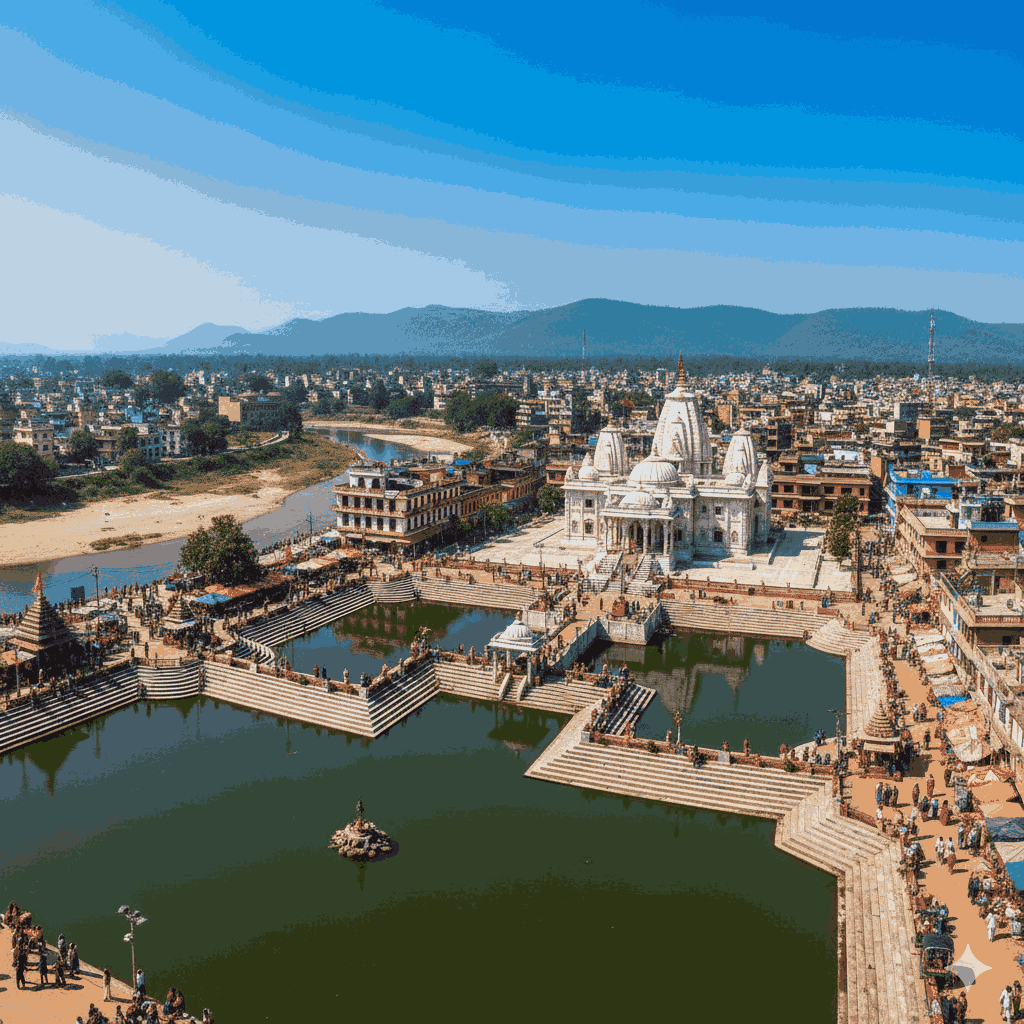
Panoramic view of Janakpur heritage city with white marble temples, sacred ponds, and Mithila architecture, showcasing its spiritual and cultural richness
Located in the heart of the Madhesh Province, Janakpur city is a place where history, mythology, and modern devotion collide in a vibrant explosion of color. In 2026, as Nepal’s tourism landscape matures beyond the mountains, Janakpur city stands as the spiritual capital of the southern plains. Known as “Janakpurdham,” it is the legendary capital of the ancient Mithila Kingdom and the birthplace of Goddess Sita (Janaki).
A visit to Janakpur city is not just a holiday; it is a pilgrimage into the Ramayana. While the world admires the peaks of the north, Janakpur city offers a different kind of majesty,one built of white marble, sacred ponds, and the world-renowned Mithila art. For travelers who have already explored the jazz festivals and live music in Kathmandu, the transition to the rhythmic chants and slow-paced life of Janakpur city provides a profound cultural depth to any Nepal itinerary.
Chapter 1: The Historical Genesis of Janakpur City
The history of Janakpur city is inextricably linked to the Treta Yuga. To understand the city in 2026, one must look back thousands of years into the Vedic era.
The Kingdom of Mithila and King Janak
Under the rule of King Janak, the “philosopher king,” Mithila was a center of Vedic learning and enlightenment. It was here that Janak found a baby girl in a furrow while plowing a field,a girl he named Sita. Janakpur city grew around the site of her upbringing, becoming a beacon of righteousness and cultural refinement. Unlike the medieval mountain towns, the layout of Janakpur heritage city reflects a more ancient, expansive urban planning typical of the fertile Ganges plains.
The Divine Wedding: Ram and Sita
The most pivotal moment in the history of Janakpur heritage city is the Swayamvar of Sita. Lord Ram, the prince of Ayodhya, came to this very land and broke the divine bow of Lord Shiva to win Sita’s hand. This event is not just a story in Janakpur heritage city; it is the foundation of the city’s identity, celebrated every year with the massive Vivah Panchami festival.
Chapter 2: Architectural Marvels: The “Nau Lakha” Legacy
The skyline of Janakpur heritage city is dominated by the Janaki Mandir, a structure that challenges the traditional pagoda architecture found elsewhere in Nepal.
1. Janaki Mandir: The Crown Jewel
Often called the “Nau Lakha Mandir” (the nine-lakh temple) because it cost nine hundred thousand gold coins to build in 1910, this temple is the heart of Janakpur heritage city.
The Style: A unique blend of Mughal and Rajput architecture, built entirely of stone and marble.
The Scale: Spanning $4,860$ square feet with 60 rooms, it is the largest temple in Nepal. In 2026, the temple’s bright white facade remains a stunning sight, especially when illuminated during evening Aarti.
The Relics: Inside, you can find the museum showcasing ancient artifacts, grounding the mythology of Janakpur heritage city in physical reality.
2. Vivah Mandap: The Celestial Wedding Hall
Adjacent to the main temple lies the Vivah Mandap. This pagoda-style structure marks the exact spot where the divine wedding occurred. In 2026, the life-sized statues of the wedding party,including King Janak and the four brothers of Ayodhya,offer a visual narrative of the Ramayana within the boundaries of Janakpur heritage city.
Chapter 3: The City of Ponds: Sacred Waters of Janakpur
Janakpur heritage city is famously known as the “City of Ponds,” with over 70 sacred water bodies scattered throughout the urban landscape. These ponds are the lungs of the city, providing cool breezes and spiritual focus.
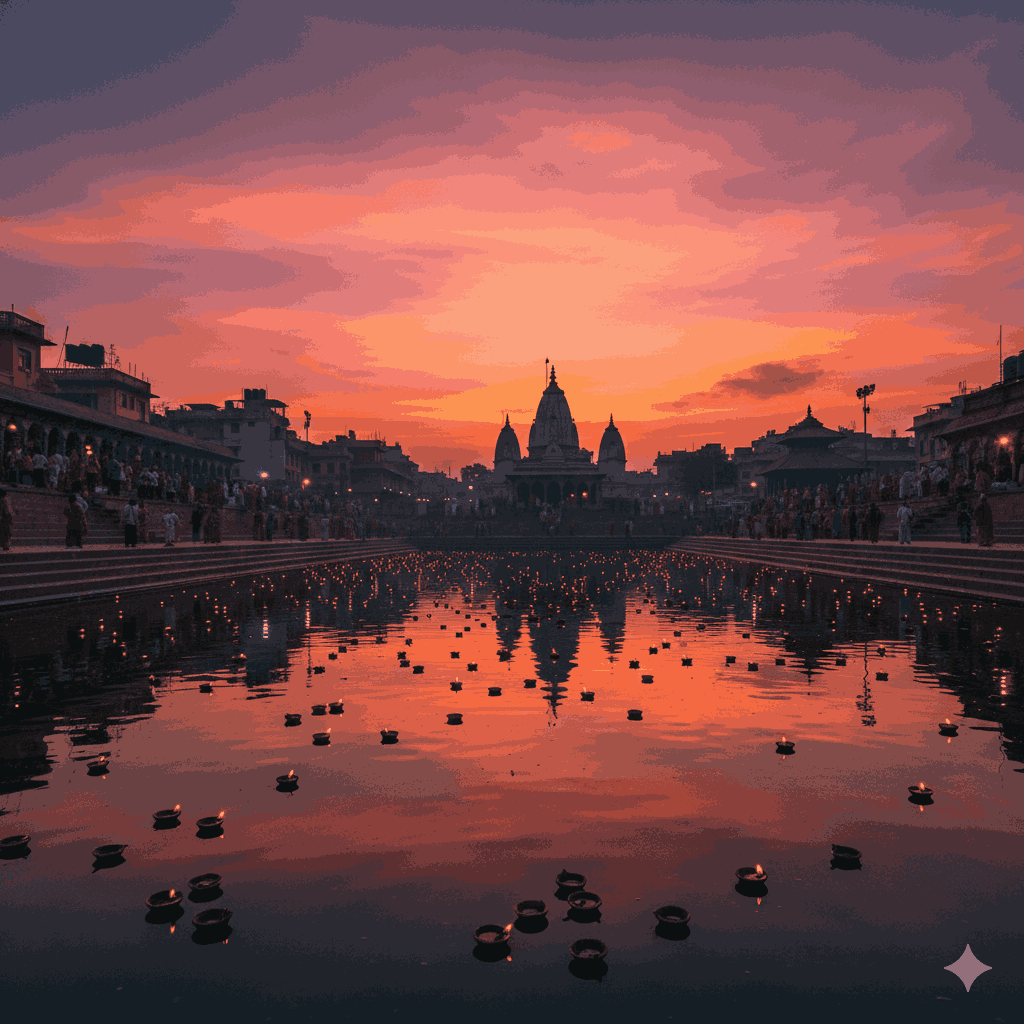
Ganga Sagar: The most famous pond in Janakpur heritage city, where the evening Aarti (fire ritual) takes place. It is a spectacle of light and devotion that mirrors the rituals of Varanasi.
Dhanush Sagar: Located near the Ram Mandir, this pond is where King Janak is said to have prepared for the arrival of the gods.
Parshuram Kunda: A quieter, more meditative spot in Janakpur heritage city, ideal for those looking to escape the bustle of the main bazaar.
Chapter 4: Mithila Art: A Global Cultural Export
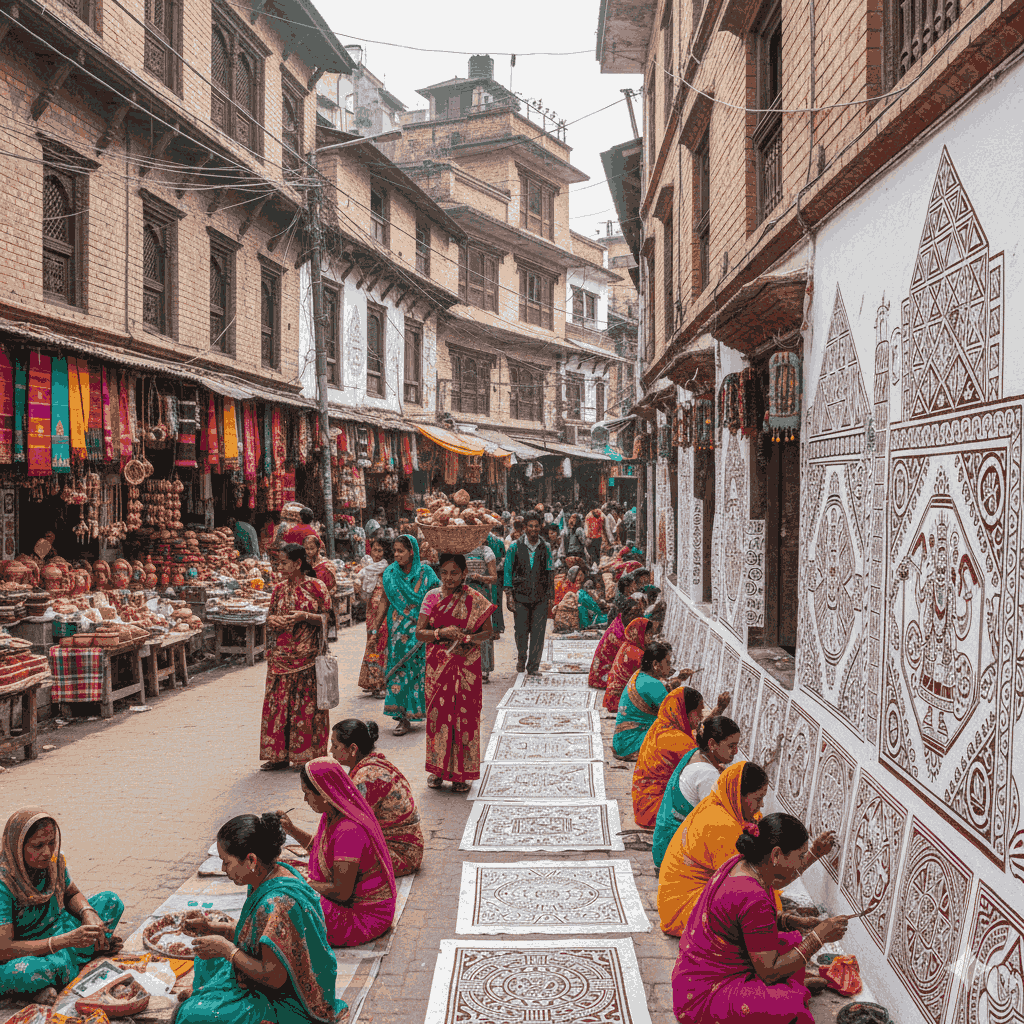
Colorful street scene in Janakpur heritage city with Mithila artisans painting Madhubani art and selling traditional crafts, highlighting the city’s artistic heritage.
In 2026, the identity of Janakpur heritage city is inextricably tied to Mithila Art (also known as Madhubani Art). Historically practiced by women on the mud walls of their homes, it has evolved into a world-class artistic movement that defines Janakpur heritage city‘s visual language.
The Janakpur Women’s Development Centre (JWDC)
This center is a must-visit in Janakpur heritage city. Here, local women create vibrant paintings, ceramics, and textiles that depict scenes from the Ramayana and daily village life. By visiting the JWDC, travelers support the economic empowerment of women in Janakpur heritage city while preserving an ancient art form.
Chapter 5: 2026 Festivals: When the City Comes Alive
If you are planning your 2026 trip, timing it with a festival in Janakpur heritage city is essential for a true cultural immersion.
| Festival | Date (approx.) | Significance in Janakpur Heritage City |
| Vivah Panchami | Nov / Dec | Re-enactment of the wedding of Ram and Sita. |
| Chhath Parva | Oct / Nov | Massive worship of the Sun God at the city’s ponds. |
| Ram Navami | March / April | Celebration of the birth of Lord Ram. |
| Janaki Navami | May | Celebration of the birth of Goddess Sita. |
Chapter 6: Janakpur’s Hidden Temples and Sacred Grounds
While the Janaki Mandir is the focal point, Janakpur heritage city is dotted with smaller, equally significant shrines.
Ram Mandir: Built in the 19th century by the Rana dynasty, this pagoda-style temple is dedicated to Lord Ram and is the oldest temple in Janakpur heritage city.
Raj Devi Temple: Located next to the Ram Mandir, this temple is dedicated to the patron deity of King Janak and becomes a hive of activity during Dashain.
Jaleshwar Mahadev: Located just outside Janakpur heritage city, this temple features a Shiva Lingam that remains submerged in water throughout the year.
Chapter 7: The Mithila Culinary Experience
The food in Janakpur heritage city is a flavorful departure from the lentils and rice of the hills. It is deeply influenced by the agricultural bounty of the Terai.
Mithila Thali: A massive platter featuring Bhat (rice), Dal (lentils), Tarua (fried vegetables), and Sajina (drumstick curry).
Thekuwa: A sweet, hard-baked snack made from wheat and jaggery, famously prepared during the Chhath festival in Janakpur heritage city.
Janakpur Lassi: The city is famous for its thick, sweet curd-based drinks topped with nuts and cream—a 2026 must-try.
Chapter 8: 2026 Travel Logistics and Infrastructure
Getting to and around Janakpur heritage city has seen massive improvements as of 2026.
The Janakpur Railway: Nepal’s only operational railway connects Janakpur heritage city to the Indian border at Jayanagar. It is a unique way to experience the cross-border culture.
By Air: A 25-minute flight from Kathmandu lands you at Janakpur Airport, just $4$ km from the city center.
By Road: The BP Koirala Highway offers a scenic, albeit long, drive from the capital to the plains of Janakpur heritage city.
Connectivity: While the city is spiritual, 2026 sees high-speed 5G connectivity and modern hotels. Always check our ATM guide for rural Nepal before traveling to the Terai.

Sunset at Ganga Sagar pond in Janakpur heritage city during Aarti, with floating lamps and temple silhouettes, symbolizing devotion and serenity
Frequently Asked Questions (FAQs)
Q1: What is the best time to visit Janakpur heritage city?
A: October to March is the best window. The weather is pleasant, and you can catch the major festivals like Chhath and Vivah Panchami in Janakpur heritage city.
Q2: Is Janakpur heritage city safe for international tourists?
A: Yes, it is very safe. The locals are known for their Mithila hospitality and the city has a low crime rate.
Q3: Can I buy Mithila art in Janakpur heritage city?
A: Absolutely. The Janakpur Women’s Development Centre is the most ethical place to purchase authentic art.
Q4: Is there a dress code for Janaki Mandir?
A: Modest dress is required (shoulders and knees covered). You must remove your shoes before entering the temple premises of Janakpur heritage city.
Q5: How many days are enough for Janakpur heritage city?
A: We recommend $2$ to $3$ days to see the main temples, explore the ponds, and visit the art centers.
Janakpur heritage city is more than a destination; it is a living epic. It is a place where every corner has a story, every pond has a purpose, and every painting has a soul. In 2026, as the world looks for authentic experiences, Janakpur heritage city offers a profound journey into the heart of Mithila civilization. Whether you come for the white-marble architecture or the spiritual energy of the Aarti, Janakpur heritage city will leave an indelible mark on your spirit.