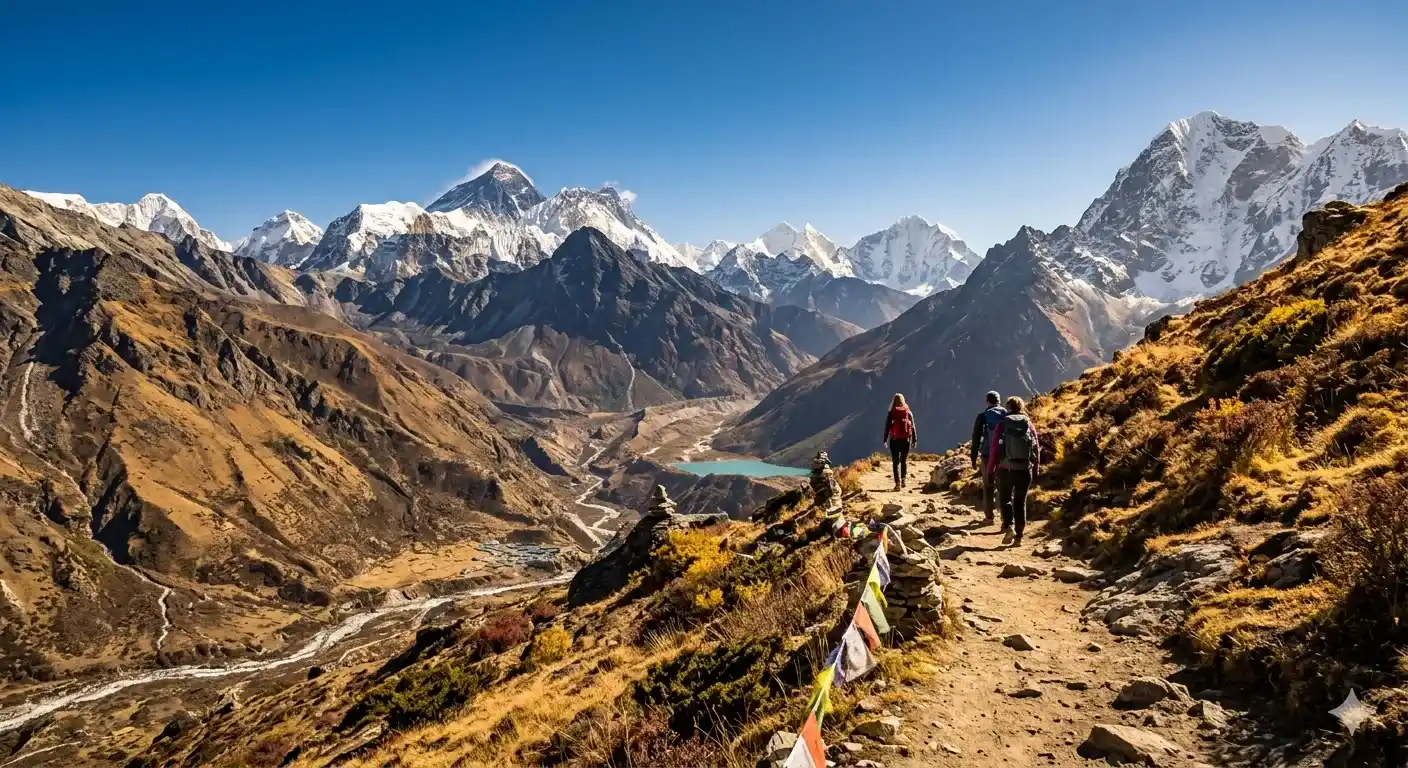
Standing in the heart of the Everest Region, surrounded by towering peaks and ancient trails, is a dream for trekkers around the world. The journey to Everest Base Camp is not just a trek it’s a life-changing experience filled with breathtaking views, cultural encounters, and personal challenges. But here’s something many first-time trekkers don’t realize: your experience depends heavily on when you go.
Best Time of Year to Trek Everest Region
Choosing the Best Time of Year to Trek Everest Region can mean the difference between clear Himalayan views and days hidden behind clouds, between peaceful trails and crowded routes, and between smooth travel or frustrating delays. In this complete guide, you’ll discover the Best Time of Year to Trek Everest Region, including detailed seasonal breakdowns, insider tips, and practical advice to help you plan the perfect Himalayan adventure.
Why Choosing the Right Time Is So Important
When planning a trek in the Everest region, timing isn’t just a detail it’s a major factor that shapes your entire journey. The Best Time of Year to Trek Everest Region affects everything from weather and visibility to safety and overall enjoyment.
The Everest region lies at high altitude, where weather conditions can change quickly. Clear skies can suddenly turn into clouds, and stable conditions can shift within hours. During the right season, you’ll experience bright blue skies, stunning views of Mount Everest, and comfortable trekking conditions. But during the wrong time, poor visibility and unpredictable weather can limit your experience.
Another important factor is logistics. Flights to Lukla the main gateway to Everest are highly sensitive to weather conditions. Delays and cancellations are common outside the ideal trekking seasons, which can disrupt your plans.
Crowd levels also vary throughout the year. Popular seasons bring large numbers of trekkers, especially on routes leading to Everest Base Camp. While this creates a lively atmosphere, it can also make trails busy and accommodations harder to find.
Understanding the Best Time of Year to Trek Everest Region ensures:
- Clear and consistent mountain views
- Safer trekking conditions
- Better accommodation availability
- A more enjoyable overall experience
Choosing wisely allows you to experience Everest at its very best.
Spring (March to May): Vibrant and Scenic
Spring is widely considered one of the Best Time of Year to Trek Everest Region, especially for those who want a mix of comfortable weather and stunning natural beauty.
As winter fades, the region begins to warm up. Daytime temperatures become more comfortable, making long trekking days easier. At the same time, the landscape transforms into a colorful paradise, with rhododendron forests blooming along the trails.
Mornings in spring are usually clear, offering beautiful views of the Himalayan peaks. However, clouds often develop in the afternoon, which can slightly limit visibility later in the day. Despite this, the overall weather remains stable and favorable for trekking.
Spring is also the peak climbing season for Mount Everest. This means you’ll see climbers and expedition teams preparing for summit attempts, especially near Everest Base Camp. This adds excitement and authenticity to the trekking experience.
On the downside, spring is a busy season. Trails can become crowded, and teahouses may fill up quickly. Advance booking is often necessary, especially during April and May.
Even with these challenges, many trekkers consider spring the Best Time of Year to Trek Everest Region because of its perfect balance between scenery, accessibility, and weather.
Autumn (September to November): The Perfect Season
Autumn is often regarded as the ultimate Best Time of Year to Trek Everest Region, offering near-perfect conditions for trekking.
After the monsoon season, the air becomes clean and fresh. Dust and haze are washed away, leaving behind incredibly clear skies. This results in some of the best mountain views you can experience in Nepal.
Temperatures during autumn are ideal. Days are warm and pleasant, while nights are cool but manageable. This makes trekking comfortable and reduces physical strain, especially for beginners.
One of the biggest advantages of autumn is visibility. You’ll enjoy crystal-clear views of Mount Everest and surrounding mountains almost every day. This is why photographers and first-time trekkers often choose this season.
Autumn also coincides with major Nepalese festivals like Dashain and Tihar. Experiencing these celebrations during your trek adds a unique cultural dimension to your journey.
The only downside is popularity. Autumn is the busiest trekking season, which means crowded trails and higher demand for accommodation.
Despite this, autumn remains the Best Time of Year to Trek Everest Region for most travelers due to its unbeatable combination of weather, visibility, and cultural experiences.
Winter (December to February): Peaceful and Underrated
Winter offers a completely different experience and can still be the Best Time of Year to Trek Everest Region for those seeking solitude and quiet.
During winter, the region becomes calm and less crowded. You can walk along the trails with minimal interruption, enjoying a peaceful connection with nature. Snow-covered landscapes add a magical touch, making the mountains look even more dramatic.
Skies are often clear, especially in the mornings, providing excellent views of Mount Everest and surrounding ranges. For photographers, this can be a fantastic opportunity to capture unique winter scenery.
However, winter trekking comes with challenges. Temperatures drop significantly, especially at higher elevations. Nights can be extremely cold, and some teahouses may close due to fewer trekkers.
High-altitude passes can also become more difficult to cross because of snow and ice. This means winter trekking requires proper gear, preparation, and a bit more experience.
Even so, many experienced trekkers believe winter is the Best Time of Year to Trek Everest Region for its peaceful atmosphere and raw beauty.
Monsoon (June to August): Least Ideal but Unique
Monsoon is generally not considered the Best Time of Year to Trek Everest Region, but it still offers a unique perspective for adventurous travelers.
Heavy rainfall affects much of the region, especially at lower elevations. Trails can become muddy and slippery, increasing the risk of accidents. Clouds often block mountain views, which can be disappointing for those hoping to see Everest.
Flights to Lukla are also frequently delayed or canceled during this time due to poor weather conditions.
However, monsoon transforms the landscape into a lush green paradise. Vegetation thrives, rivers flow strongly, and the environment feels fresh and vibrant. Additionally, there are very few trekkers, which means you can enjoy a quiet and uninterrupted experience.
For most people, monsoon is not the Best Time of Year to Trek Everest Region, but for those who enjoy solitude and don’t mind unpredictable weather, it can still be rewarding.
After exploring all seasons, it’s clear that the Best Time of Year to Trek Everest Region depends on your personal preferences.
- Best overall: Autumn (September to November)
- Best for scenery: Spring (March to May)
- Best for solitude: Winter (December to February)
- Least recommended: Monsoon (June to August)
For most trekkers, autumn stands out as the Best Time of Year to Trek Everest Region due to its perfect weather and visibility.
Practical Tips for Planning Your Trek
Even if you choose the Best Time of Year to Trek Everest Region, careful planning is essential.
Start your trekking days early to avoid crowds and enjoy clearer views. Book your accommodation in advance during peak seasons to avoid last-minute stress. Always allow extra days in your itinerary for possible flight delays to Lukla.
Packing the right gear is also crucial. Weather in the Everest region can change quickly, so layering your clothing is the best approach.
If you want to avoid crowds, consider trekking slightly before or after peak seasons. This allows you to enjoy good conditions with fewer people on the trails.
Additional Factors That Influence Your Trek Timing
Choosing the Best Time of Year to Trek Everest Region also depends on several personal and logistical factors beyond weather.
Altitude and Acclimatization
Regardless of the season, altitude plays a critical role. Proper acclimatization is necessary to avoid altitude sickness, especially above 3,000 meters.
Budget Considerations
Peak seasons like spring and autumn tend to be more expensive due to high demand. Off-season trekking can help reduce costs.
Personal Preferences
Some trekkers prefer social experiences, while others value solitude. Your ideal timing depends on your travel style.
Trekking Routes
Alternative routes like Gokyo Lakes or the Three Passes Trek may offer fewer crowds even during peak seasons.
FAQs About Best Time of Year to Trek Everest Region
What is the Best Time of Year to Trek Everest Region for clear mountain views?
The best time for clear views is autumn (September to November). After the monsoon rains, the air becomes clean and free of dust, offering crystal-clear visibility of Everest and surrounding peaks. Spring also provides good views, but autumn is more consistent.
How crowded is Everest Base Camp during peak season?
During spring and autumn, Everest Base Camp trails can be very busy. Hundreds of trekkers follow the same route daily, and popular stops like Namche Bazaar can become crowded. Booking accommodation in advance is essential during these months.
Is it safe to trek Everest Region in winter?
Yes, trekking is safe in winter if you are well-prepared. You need proper gear for extreme cold and should be ready for limited facilities in some areas. Winter offers fewer crowds and beautiful snowy landscapes.
What is the cheapest time to trek Everest Region?
Winter and monsoon seasons are generally cheaper. Flights, guides, and accommodations may offer discounts due to lower demand. However, weather conditions can be more challenging.
How does weather affect Lukla flights?
Weather plays a major role in Lukla flights. Poor visibility, strong winds, and clouds can lead to delays or cancellations. This is more common during monsoon and winter. Always include buffer days in your itinerary.
Can beginners trek during the Best Time of Year to Trek Everest Region?
Yes, beginners are encouraged to trek during spring or autumn. These seasons offer stable weather, better visibility, and safer conditions, making them ideal for first-time trekkers.
Which month is best specifically for Everest Base Camp trek?
October is often considered the single best month. It offers perfect weather, clear skies, and stable conditions, making it the peak of the Best Time of Year to Trek Everest Region.
